The best things to do in Tokyo

Last updated on February 13, 2026

Intro

Tokyo is not a city you simply visit. It is a city you absorb, layer by layer, neighbourhood by neighbourhood. One moment you are surrounded by neon screens, rushing crowds and convenience stores that feel futuristic. Ten minutes later you are walking through a silent shrine, hearing only gravel under your feet and the sound of wind in the trees.


What makes Tokyo special is this constant contrast. Ultra-modern districts like Shibuya and Shinjuku coexist with historic areas such as Asakusa, where temples and traditional streets preserve the spirit of old Edo. Food is everywhere, from Michelin-starred counters to tiny ramen shops hidden in alleys. Pop culture, fashion, technology and tradition all collide in a way that feels uniquely Tokyo.


In this post, we focus on what you should actually do once you are there. The experiences that define a first trip, and the ones that make you want to come back. From iconic sights to neighbourhood walks, from food rituals to quiet moments of calm, this guide helps you decide how to spend your time in one of the most fascinating cities in the world.

Essentials things to do

Tokyo’s essential experiences help you understand the city quickly. Tradition and modernity exist side by side, often just a few streets apart. These are the experiences that define a first visit and give you a clear sense of how Tokyo works before diving deeper.

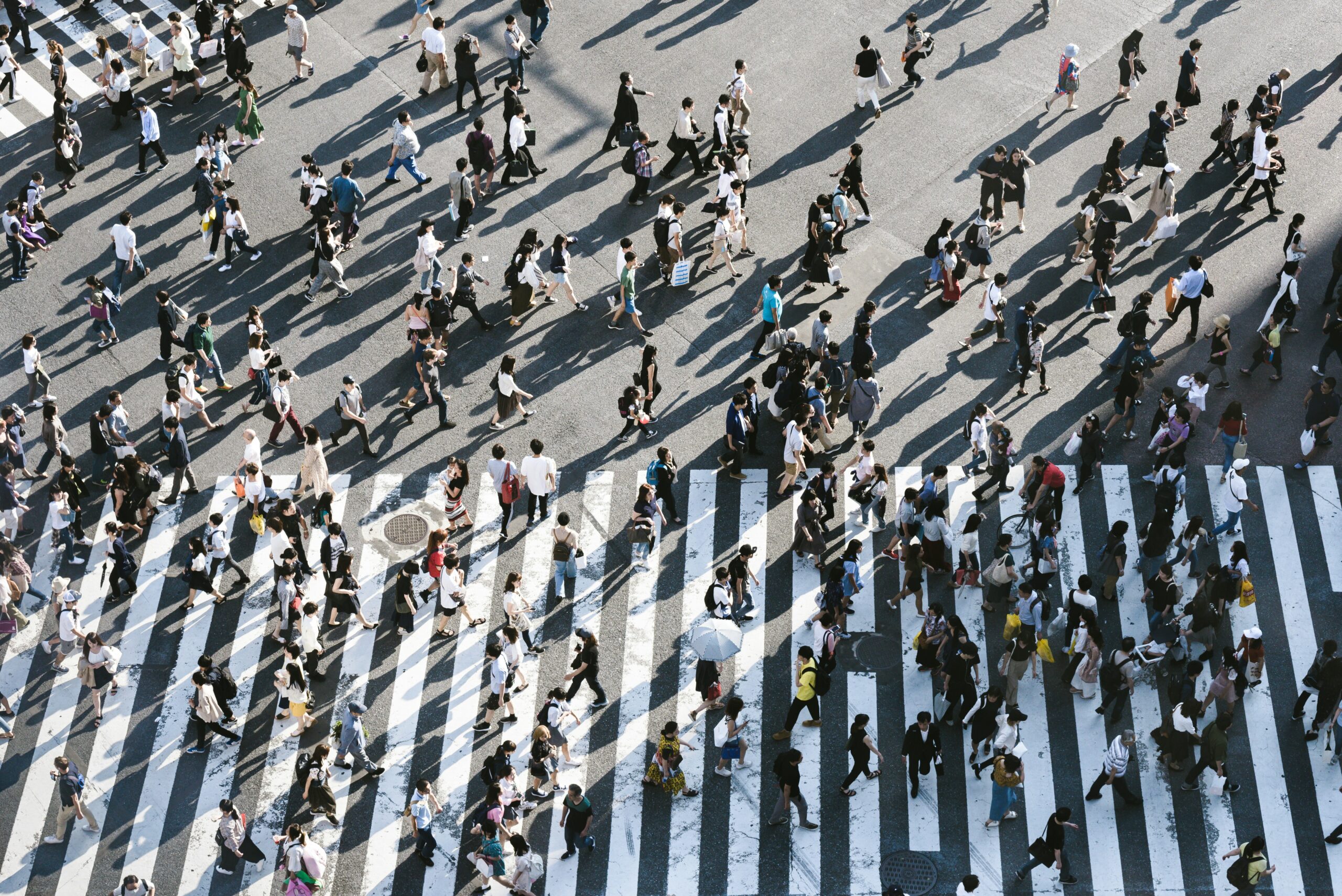
Cross Shibuya Crossing

Walking across Shibuya Crossing is one of the clearest introductions to Tokyo’s energy and precision. Seeing the crossing from above at Shibuya Sky adds perspective and highlights the city’s scale and organisation.

Visit Senso-ji in Asakusa

Senso-ji is Tokyo’s oldest temple and a strong link to its past. Exploring Asakusa offers a glimpse into a more traditional atmosphere that contrasts sharply with modern districts.

Walk through Meiji Shrine

Surrounded by forest near Harajuku, Meiji Shrine provides a calm and reflective break from the city. The transition from busy streets to quiet paths happens almost instantly and feels uniquely Tokyo.

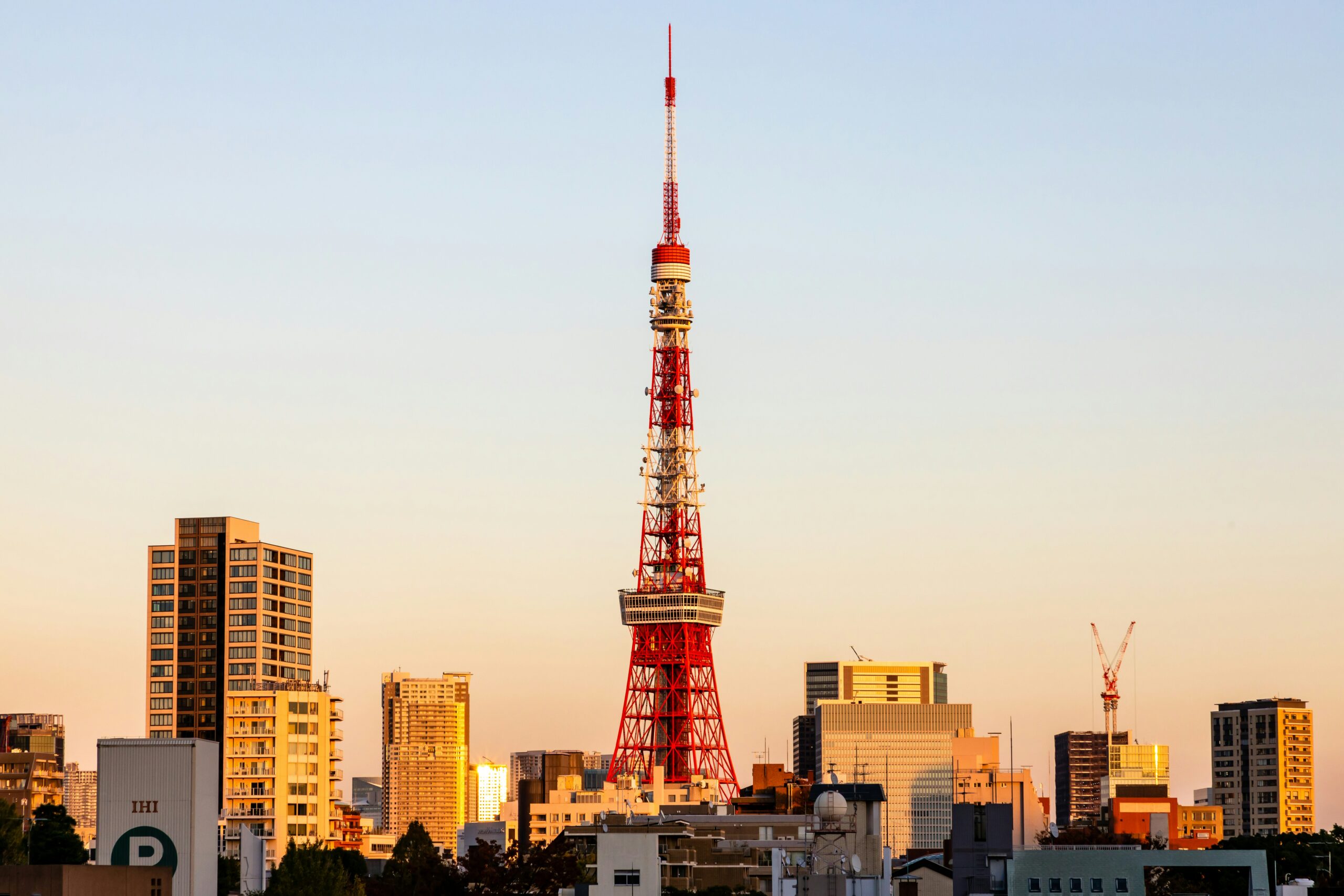
See Tokyo from above

Viewing the city from a high vantage point helps make sense of its vast size. Tokyo Tower offers a classic skyline view, while the Tokyo Metropolitan Government Building is a solid free alternative.

Experience Shinjuku at night

In the evening, Shinjuku reveals Tokyo at its most intense. Bright lights, constant movement and countless places to eat make a simple walk around the station area an experience on its own.

These essential experiences create a strong first connection with Tokyo and set the foundation for exploring its neighbourhoods, food culture and everyday life.

Most popular things to do

After the essentials, these are the Tokyo experiences that most visitors build their days around. They are popular because they are genuinely fun, visually iconic, and easy to fit into a first itinerary.

Take a day trip to Tokyo DisneySea (or Disneyland)
Even if you are not a theme-park person, DisneySea is often a highlight for first-time visitors thanks to its design, food, and overall experience. Plan a full day and arrive early.

Visit teamLab Planets (or another teamLab exhibit)
Tokyo’s digital art exhibits are some of the city’s most talked-about experiences. Expect immersive rooms, big visuals, and timed-entry tickets that can sell out.

Shop and people-watch in Takeshita Street and Omotesando
Harajuku is one of Tokyo’s classic “walk around and soak it in” areas. Takeshita is the loud, playful side, while Omotesando feels more polished, with architecture, boutiques, and cafés.

Explore Akihabara for anime, gaming, and electronics
Akihabara is a must if you are into anime, manga, arcades, or tech. Even if you are not, it is still one of the most uniquely Tokyo districts to wander for an hour or two.

Eat your way through Tsukiji Outer Market
While the main wholesale market moved to Toyosu, Tsukiji’s outer market remains a popular stop for street-style bites and seafood-focused snacks. Go hungry and keep it casual.

Do an evening in Odaiba
Odaiba is a popular change of pace: waterfront views, wide promenades, big malls, and city skyline scenery. It is an easy, relaxed half-day that feels very different from central Tokyo.

Through travelers’ eyes

Travelers' tips

Below you’ll find tips from travelers who have already explored these experiences in Tokyo. Small insights, practical notes, and honest reflections that can help you decide what to prioritize, what to expect, and how to make the most of your time in the city.

"Located in Asakusa, Sensoji Temple is Tokyo’s oldest temple and 3 on the list of best things to do in Tokyo! It’s easily accessible via Tokyo Metro, we exited the subway at Asakusa Station! Begin your journey at the iconic thunder gate called Kaminarimon, entering sacred grounds. Explore Nakamise-dori Street’s souvenir shops, and taste incredible street food."

"teamLab Planets: Book about 6 weeks in advance at least. Another top experience for us during our three days in Tokyo – absolute must do!!"

"And since this will likely be the first of many shrines (and temples) you visit in Japan, I highly recommend exploring Meiji Shrine with a local tour guide who can bring to life the shrine’s history—and help you understand the difference between Japan’s Shinto shrines and Buddhist temples."

"Tokyo is famous for all of the animal cafes you can explore including pigs, hedgehogs, cats, owls, dogs, capybaras, and more! For the sake of time we decided that it only made sense to explore one, so we went with the Mipig cafe in Harajuku! (...) Make sure you arrive a bit earlier to your booked time as Japanese are extremely punctual (may lose out on pig time if late)!"

"Marvel at the Skyline from Shibuya Sky: this open-air observation deck at ShibuyaSky offers a breathtaking view of the city below. From here, you can take the best photos of the skyline, Tokyo, and the infamous Shibuya Crossing. It’s a popular location, especially for photographers. Booking tickets in advance is the best option to make sure you can get in and get the photos you want."

"Omoide Yokocho, which translates to “Memory Lane” in English, is a cozy, narrow alley located in Shinjuku. Despite the small space, this alley is home to over 60 bars and restaurants. These places are usually small with limited seating, and it’s a great spot for a casual meal. No matter which spot you pick, you’re sure to have a good time!"

"I don’t usually do a lot of shopping when I travel, but Japan changed that… and Asakusa was where we found some of the best stuff! The streets surrounding Sensō-ji are filled with unique little shops selling everything from hand-dyed textiles to Japanese knifes and pottery. I honestly wish I had even more time to shop here… I could decorate my entire house if I only had room in my suitcase!"

FAQs

How many days do I need in Tokyo?

5 to 7 days lets you cover essentials, explore neighborhoods, and add one day trip without rushing.

Is Tokyo good for first time visitors to Japan?

Yes, it is safe, well signed, punctual, and easy to navigate, even if you do not speak Japanese.

Do I need to book attractions in advance?

Yes for high demand spots like teamLab and the Ghibli Museum, while most temples and areas need no booking.

Is Tokyo expensive for sightseeing?

Many highlights are free or low cost, and everyday food and transport are very affordable for the quality.

What is the best time of day to sightsee?

Early mornings suit temples and parks, afternoons for neighborhoods, evenings for food and city atmosphere.

Can I see Mount Fuji from Tokyo?

Only on very clear days, and views are unpredictable, a day trip near Mount Fuji is more reliable.

Is Tokyo walkable?

Yes within neighborhoods, but trains are the fastest way to move between areas due to long distances.

Is Tokyo suitable for kids?

Yes, with parks, interactive museums, theme parks, and many attractions designed for families.

The best things to do in Tokyo

Last updated on February 13, 2026

Intro

Tokyo is not a city you simply visit. It is a city you absorb, layer by layer, neighbourhood by neighbourhood. One moment you are surrounded by neon screens, rushing crowds and convenience stores that feel futuristic. Ten minutes later you are walking through a silent shrine, hearing only gravel under your feet and the sound of wind in the trees.


What makes Tokyo special is this constant contrast. Ultra-modern districts like Shibuya and Shinjuku coexist with historic areas such as Asakusa, where temples and traditional streets preserve the spirit of old Edo. Food is everywhere, from Michelin-starred counters to tiny ramen shops hidden in alleys. Pop culture, fashion, technology and tradition all collide in a way that feels uniquely Tokyo.


In this post, we focus on what you should actually do once you are there. The experiences that define a first trip, and the ones that make you want to come back. From iconic sights to neighbourhood walks, from food rituals to quiet moments of calm, this guide helps you decide how to spend your time in one of the most fascinating cities in the world.

[travel_quick_facts]

Essentials things to do

Tokyo’s essential experiences help you understand the city quickly. Tradition and modernity exist side by side, often just a few streets apart. These are the experiences that define a first visit and give you a clear sense of how Tokyo works before diving deeper.

Cross Shibuya Crossing

Walking across Shibuya Crossing is one of the clearest introductions to Tokyo’s energy and precision. Seeing the crossing from above at Shibuya Sky adds perspective and highlights the city’s scale and organisation.

Visit Senso-ji in Asakusa

Senso-ji is Tokyo’s oldest temple and a strong link to its past. Exploring Asakusa offers a glimpse into a more traditional atmosphere that contrasts sharply with modern districts.

Walk through Meiji Shrine

Surrounded by forest near Harajuku, Meiji Shrine provides a calm and reflective break from the city. The transition from busy streets to quiet paths happens almost instantly and feels uniquely Tokyo.

See Tokyo from above

Viewing the city from a high vantage point helps make sense of its vast size. Tokyo Tower offers a classic skyline view, while the Tokyo Metropolitan Government Building is a solid free alternative.

Experience Shinjuku at night

In the evening, Shinjuku reveals Tokyo at its most intense. Bright lights, constant movement and countless places to eat make a simple walk around the station area an experience on its own.

These essential experiences create a strong first connection with Tokyo and set the foundation for exploring its neighbourhoods, food culture and everyday life.

Most popular things to do

After the essentials, these are the Tokyo experiences that most visitors build their days around. They are popular because they are genuinely fun, visually iconic, and easy to fit into a first itinerary.

Take a day trip to Tokyo DisneySea (or Disneyland)
Even if you are not a theme-park person, DisneySea is often a highlight for first-time visitors thanks to its design, food, and overall experience. Plan a full day and arrive early.

Visit teamLab Planets (or another teamLab exhibit)
Tokyo’s digital art exhibits are some of the city’s most talked-about experiences. Expect immersive rooms, big visuals, and timed-entry tickets that can sell out.

Shop and people-watch in Takeshita Street and Omotesando
Harajuku is one of Tokyo’s classic “walk around and soak it in” areas. Takeshita is the loud, playful side, while Omotesando feels more polished, with architecture, boutiques, and cafés.

Explore Akihabara for anime, gaming, and electronics
Akihabara is a must if you are into anime, manga, arcades, or tech. Even if you are not, it is still one of the most uniquely Tokyo districts to wander for an hour or two.

Eat your way through Tsukiji Outer Market
While the main wholesale market moved to Toyosu, Tsukiji’s outer market remains a popular stop for street-style bites and seafood-focused snacks. Go hungry and keep it casual.

Do an evening in Odaiba
Odaiba is a popular change of pace: waterfront views, wide promenades, big malls, and city skyline scenery. It is an easy, relaxed half-day that feels very different from central Tokyo.

Best things to do by category

After the essentials and the most popular experiences shape your days, this is where you fine tune the trip. These options help fill the remaining gaps based on interests, pace, and season.

Temples and shrines

Senso-ji - Tokyo’s oldest temple and most atmospheric area, best early morning.
Meiji Shrine - A calm forest walk that introduces Shinto traditions.
Nezu Shrine - Torii gates and a quieter, more local atmosphere.

Museums and exhibitions

Tokyo National Museum - The best overview of Japanese history, art, and craftsmanship.
Mori Art Museum - Contemporary exhibitions often paired with city views.
teamLab Planets - Immersive digital art that is easy to fit into half a day.

Neighborhoods to wander

Shimokitazawa - Vintage shops, record stores, and a relaxed creative vibe.
Yanaka - Traditional streets showing a slower and more local Tokyo.
Daikanyama - Calm, stylish streets with cafés, bookstores, and design shops.

Food focused experiences

Tsukiji Outer Market - Casual seafood bites and street food, best in the morning.
Izakaya evenings - Small local bars near stations serving simple food and drinks.
Ramen hopping - Trying different ramen styles across neighborhoods is a Tokyo ritual.

Views and outdoor spaces

Shibuya Sky - One of the best views in the city, especially at sunset.
Tokyo Metropolitan Government Building - A free alternative with wide city panoramas.
Shinjuku Gyoen - A large park ideal for a longer break from sightseeing.

Pop culture and modern Tokyo

Akihabara - Anime, gaming, electronics, and arcades packed into a few streets.
Game centers - Easy, fun stops that reflect everyday entertainment culture.
Themed cafés - A quirky Tokyo experience best treated as a short stop.

With kids

Ueno Zoo - Easy to combine with nearby parks and museums.
Ghibli Museum - A family highlight with tickets required well in advance.
Science museums and parks - Interactive, well designed, and spread across the city.

Seasonal experiences

Cherry blossom season - Late March to early April in parks, rivers, and gardens.
Summer festivals - Fireworks, street food, and local celebrations in July and August.
Autumn foliage - Gardens and parks are at their most scenic in November.
Sumo tournaments - A uniquely Japanese cultural event held several times a year.

Best day trips

Tokyo’s location makes it easy to step outside the city for a day and experience a very different side of Japan. These trips add nature, history, or a slower rhythm to your itinerary, and most can be done comfortably without changing accommodation.

Nikko

Known for its ornate shrines and forested surroundings, Nikko is one of Japan’s most important historical destinations. The temple complex is visually impressive and works well as a full day focused on culture and nature.

Kamakura

A relaxed coastal town famous for the Great Buddha, Kamakura combines temples, walking trails, and seaside views. It is an easy and balanced day trip that feels noticeably calmer than Tokyo.

Hakone

Hakone is best known for hot springs, lake views, and Mount Fuji scenery. It is ideal for a slower paced day and works best when you avoid rushing between attractions.

Kawaguchiko

Located at the base of Mount Fuji, Kawaguchiko offers some of the best close-up views of the mountain on clear days. Weather conditions are crucial, so flexibility is important.

Yokohama

A modern port city just south of Tokyo, Yokohama features waterfront walks, museums, and one of Japan’s largest Chinatowns. It is an easy and varied option that does not require a long journey.

Mount Takao

Mount Takao offers light hiking trails, viewpoints, and temple stops, all within Tokyo prefecture. It is a great choice for a short nature break without leaving the city region.

Day trips work best when planned around weather and energy levels. Choose one that contrasts with your Tokyo days and leave enough time to enjoy it without rushing.

Through travelers’ eyes

Travelers' tips

Below you’ll find tips from travelers who have already explored these experiences in Tokyo. Small insights, practical notes, and honest reflections that can help you decide what to prioritize, what to expect, and how to make the most of your time in the city.

"Located in Asakusa, Sensoji Temple is Tokyo’s oldest temple and 3 on the list of best things to do in Tokyo! It’s easily accessible via Tokyo Metro, we exited the subway at Asakusa Station! Begin your journey at the iconic thunder gate called Kaminarimon, entering sacred grounds. Explore Nakamise-dori Street’s souvenir shops, and taste incredible street food."

"teamLab Planets: Book about 6 weeks in advance at least. Another top experience for us during our three days in Tokyo – absolute must do!!"

"And since this will likely be the first of many shrines (and temples) you visit in Japan, I highly recommend exploring Meiji Shrine with a local tour guide who can bring to life the shrine’s history—and help you understand the difference between Japan’s Shinto shrines and Buddhist temples."

"Tokyo is famous for all of the animal cafes you can explore including pigs, hedgehogs, cats, owls, dogs, capybaras, and more! For the sake of time we decided that it only made sense to explore one, so we went with the Mipig cafe in Harajuku! (...) Make sure you arrive a bit earlier to your booked time as Japanese are extremely punctual (may lose out on pig time if late)!"

"Marvel at the Skyline from Shibuya Sky: this open-air observation deck at ShibuyaSky offers a breathtaking view of the city below. From here, you can take the best photos of the skyline, Tokyo, and the infamous Shibuya Crossing. It’s a popular location, especially for photographers. Booking tickets in advance is the best option to make sure you can get in and get the photos you want."

"Omoide Yokocho, which translates to “Memory Lane” in English, is a cozy, narrow alley located in Shinjuku. Despite the small space, this alley is home to over 60 bars and restaurants. These places are usually small with limited seating, and it’s a great spot for a casual meal. No matter which spot you pick, you’re sure to have a good time!"

"I don’t usually do a lot of shopping when I travel, but Japan changed that… and Asakusa was where we found some of the best stuff! The streets surrounding Sensō-ji are filled with unique little shops selling everything from hand-dyed textiles to Japanese knifes and pottery. I honestly wish I had even more time to shop here… I could decorate my entire house if I only had room in my suitcase!"

Travel tips for choosing what to do in Tokyo

  • Use the JR Yamanote Line as your anchor – Most major areas sit along this loop, making planning far easier.
  • Plan by area, not attraction – Group sights within the same neighborhood to reduce long train rides.
  • Start early, finish late – Temples and parks work best in the morning, nightlife areas come alive at night.
  • Pair busy districts with calm spaces – Balance places like Shibuya with parks, shrines, or quieter streets.
  • Limit observation decks – One skyline view is usually enough to understand the city’s scale.
  • Dedicate one main area per day – Districts like Shinjuku easily fill a full day without rushing.
  • Book popular experiences in advance – Digital art museums and themed attractions sell out quickly.
  • Keep arrival and departure days light – Use them for walks, cafés, or flexible activities.
  • Walk short distances instead of transferring trains – Stations are large and transfers take time.
  • Prioritize fewer experiences, done well – Tokyo is more rewarding without chasing a checklist.

FAQs

How many days do I need in Tokyo?

5 to 7 days lets you cover essentials, explore neighborhoods, and add one day trip without rushing.

Is Tokyo good for first time visitors to Japan?

Yes, it is safe, well signed, punctual, and easy to navigate, even if you do not speak Japanese.

Do I need to book attractions in advance?

Yes for high demand spots like teamLab and the Ghibli Museum, while most temples and areas need no booking.

Is Tokyo expensive for sightseeing?

Many highlights are free or low cost, and everyday food and transport are very affordable for the quality.

What is the best time of day to sightsee?

Early mornings suit temples and parks, afternoons for neighborhoods, evenings for food and city atmosphere.

Can I see Mount Fuji from Tokyo?

Only on very clear days, and views are unpredictable, a day trip near Mount Fuji is more reliable.

Is Tokyo walkable?

Yes within neighborhoods, but trains are the fastest way to move between areas due to long distances.

Is Tokyo suitable for kids?

Yes, with parks, interactive museums, theme parks, and many attractions designed for families.

HELP US IMPROVE

How likely are you to recommend Know to Travel to a friend or fellow traveler?

Not likely at all
Extremely likely