The best things to do in Paris

Last updated on January 27, 2026

Intro

Paris is one of those cities where you feel like you’ve stepped into a film, even when you’re just grabbing a coffee or crossing the street. It’s elegant without trying too hard, historic but very alive, and somehow always makes simple moments feel special.


You’ll walk past world-class museums, sit in tiny cafés watching life go by, wander along the Seine at sunset, and realize that some of your favorite memories aren’t tied to a checklist at all. Paris is about mixing icons with everyday life. A masterpiece in the morning, a long lunch, a random neighborhood stroll, a glass of wine at night.


This guide helps you figure out what’s really worth your time in Paris, how to balance the must-sees with slower moments, and how to experience the city in a way that actually feels like being there, not just visiting it.

Essential things to do

If it’s your first time in Paris, these are the experiences that define the city and give everything else context. Miss one or two and the trip still works, but you’ll likely feel that a core layer of Paris never fully clicked.

See the Eiffel Tower in person

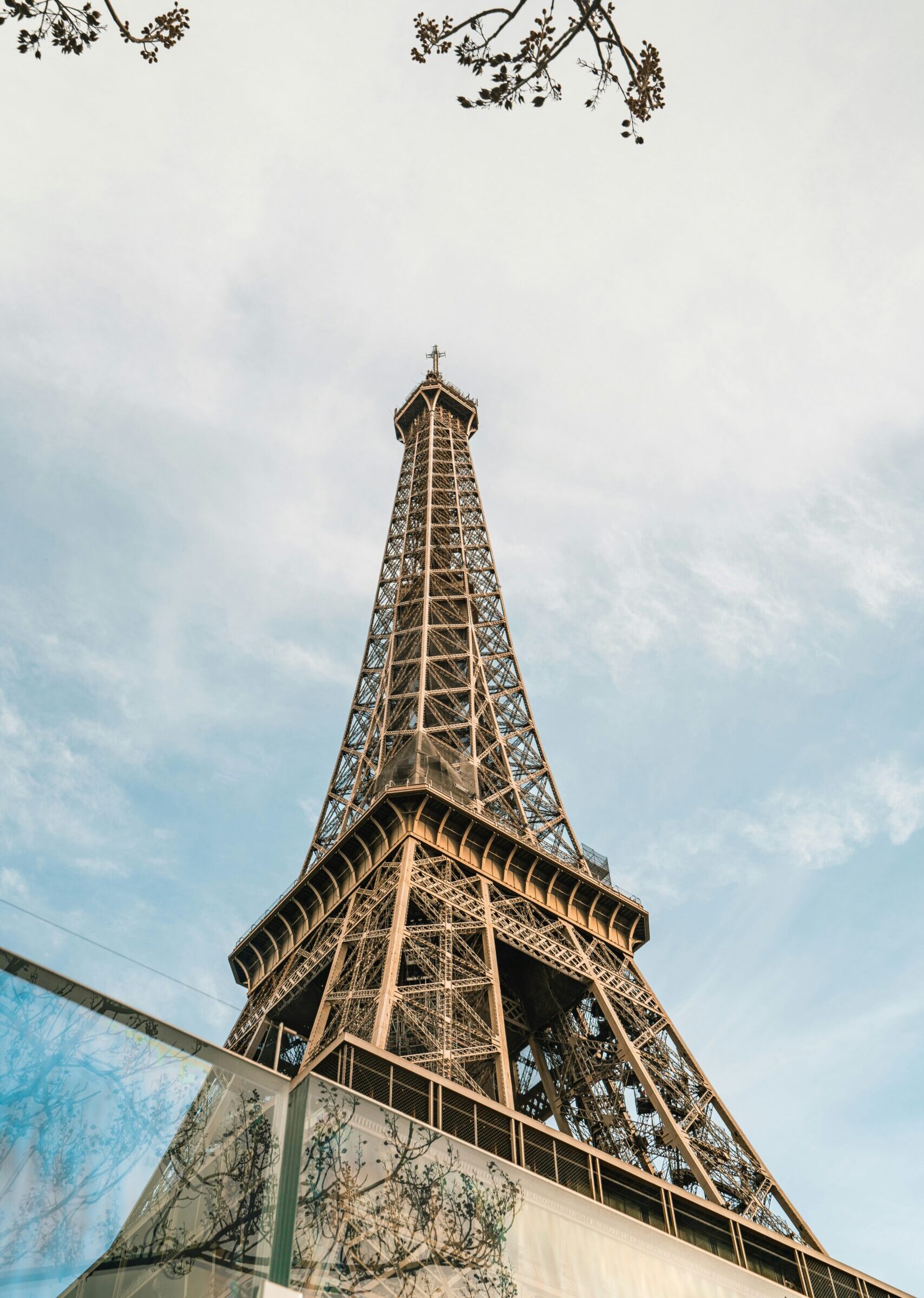
The Eiffel Tower is more than a photo stop. Seeing it up close helps anchor the city visually and emotionally. Its scale, setting, and constant presence across Paris make it a reference point you’ll keep noticing throughout the trip. Walk around it, see it from different distances, and return after dark for the hourly sparkle, which changes the mood of the entire area and feels distinctly Parisian.

Visit the Louvre Museum

The Louvre is overwhelming, but skipping it entirely is a mistake on a first visit. Even a focused visit of a few hours gives essential context to Paris as a cultural capital. The building itself matters as much as the art. Moving through its vast halls helps you understand the city’s relationship with history, power, and culture, even if you only see a small selection of works.

Walk along the Seine River

The Seine is the city’s backbone. Walking along its banks connects neighborhoods, landmarks, and daily life without effort. It’s one of the clearest ways to understand how Paris flows and how people use public space. Evening walks are especially rewarding, but any time of day works. This is where the city feels most natural and least staged.

Explore Montmartre and Sacré-Cœur

Montmartre shows a different side of Paris, one that feels more intimate and less formal. The climb, narrow streets, and shifting views give texture to your understanding of the city. Sacré-Cœur provides one of the most memorable viewpoints, but the real value comes from wandering away from the busiest streets and seeing how the neighborhood still functions day to day.

Spend time inside Notre-Dame Cathedral area

Île de la Cité is where Paris began, and spending time here helps ground the rest of the trip historically. Even without entering the cathedral, walking around it, crossing nearby bridges, and observing the scale and location gives important context. It’s a reminder of how old Paris is and how much of the city developed around this core.

Sit at a Paris café and watch the street

This isn’t downtime, it’s part of the experience. Sitting at a café facing the street shows how Parisians interact with their city and with each other. It slows your pace, helps reset after sightseeing, and often becomes one of the most vivid memories. Doing this early in the trip helps set the right rhythm for everything else.

Our take: do these slowly and without stacking them too tightly. Paris makes the most sense when you give its essentials space to breathe rather than racing between them.

Most popular things to do in Paris

Once the essentials are done, these are the experiences most visitors add next. They expand your view of Paris, add variety to your days, and cover the landmarks and neighborhoods people associate with a complete first trip.

Climb the Arc de Triomphe
From the top of the Arc de Triomphe, Paris finally makes visual sense. You see how the city is planned, with wide avenues radiating outward and landmarks lining up naturally. It’s one of the few viewpoints that helps you understand Paris as a whole, not just as individual sights, and works especially well around sunset.

Visit the Musée d’Orsay
The Musée d’Orsay is often a favorite because it feels manageable and rewarding even in a short visit. Housed in a former train station, it offers Impressionist and post-Impressionist works most people recognize, combined with an elegant space that never feels overwhelming. It fits easily into a half day without museum fatigue.

Walk the Champs-Élysées
Walking the Champs-Élysées is less about shopping and more about scale and symbolism. Connecting the Arc de Triomphe with central Paris, it shows the city at its most monumental. As a route rather than a destination, it helps link major sights and gives a sense of Paris as a capital built to impress.

Relax in the Luxembourg Gardens
Luxembourg Gardens are a popular stop because they offer a structured break without leaving the city’s rhythm. Sitting in the iconic chairs, watching locals read or chat, and slowing down for an hour adds balance to busy sightseeing days and shows how public spaces are actually used.

Explore Le Marais
Le Marais mixes historic streets with shops, museums, and cafés, making it easy to explore without a plan. It’s one of the best neighborhoods to wander, offering a strong sense of place while staying lively and accessible. It works well as a flexible block between more structured activities.

Take a day trip to the Palace of Versailles
Versailles is the most common first day trip from Paris and adds important historical context. The palace interiors show royal excess, while the gardens reveal the scale of ambition behind it all. It’s an easy extension of a Paris trip and gives contrast to the dense city experience.

Visit the Centre Pompidou
Pompidou is popular for its combination of modern art and one of the best viewpoints in the city. Even visitors who skip the museum often go up for the view. It adds contrast to Paris’ classical side and fits naturally after you’ve already seen older landmarks.

Stroll along the Canal Saint-Martin
Canal Saint-Martin attracts visitors looking for a more local, relaxed atmosphere. The pace is slower, the streets feel residential, and cafés spill onto the water’s edge. It’s often added after the main sights and gives a sense of everyday Paris beyond the postcard image.

Our take: these work best when spaced out. Use them to add depth to your trip, but avoid stacking too many in one day. Paris feels better when popular sights are balanced with unplanned time.

FAQs

How many days do I need to see Paris properly?

For a first trip, 3 to 4 full days cover the essentials at a reasonable pace. With 5 to 6 days, you can add museums, neighborhoods, and one day trip without rushing. Paris rewards slower travel, so extra days usually improve the experience rather than dilute it.

Is Paris walkable or do I need public transport?

Paris is very walkable within neighborhoods, but the city is larger than it looks. You will likely combine walking with metro rides. The metro is fast, frequent, and easy to use, making it efficient to move between areas and then explore on foot.

Do I need to book attractions in advance?

Yes, for major attractions and popular museums, advance booking saves time and avoids sold-out days. This is especially true in peak seasons. Less popular museums and churches can usually be visited without reservations, offering flexibility for quieter moments.

Is the Paris Museum Pass worth it?

It depends on how museum-focused your trip is. If you plan to visit several major museums and monuments in a short time, it can save money and time. If you prefer a slower pace with fewer museums, individual tickets are often better value.

Should I visit Disneyland Paris on a first trip?

Disneyland Paris is a full-day commitment and works best if you are traveling with kids or are a Disney fan. For short first trips focused on the city itself, many travelers prefer to prioritize Paris highlights and leave Disneyland for a future visit.

Is Palace of Versailles doable as a half-day trip?

Yes, but it will be a focused visit. You can see the palace interiors or part of the gardens in half a day. To fully explore both the palace and gardens comfortably, most travelers prefer to dedicate most of a full day.

What are the busiest times and how can I avoid crowds?

Midday and weekends are the busiest, especially at major attractions. Visiting early in the morning, later in the afternoon, or on weekdays helps. Mixing popular sights with quieter neighborhoods also reduces the feeling of constant crowds.

Are museums and attractions closed on certain days?

Yes, many museums close one day per week, often Monday or Tuesday. This varies by museum, so checking schedules in advance helps avoid surprises. National holidays can also affect opening hours, especially for smaller attractions.

Is it better to plan everything or leave room for spontaneity?

A balance works best. Book what truly needs booking, then leave space for walking, cafés, and unplanned discoveries. Many travelers find their favorite Paris moments come from time left intentionally unstructured rather than tightly scheduled days.

The best things to do in Paris

Last updated on January 27, 2026

Intro

Paris is one of those cities where you feel like you’ve stepped into a film, even when you’re just grabbing a coffee or crossing the street. It’s elegant without trying too hard, historic but very alive, and somehow always makes simple moments feel special.


You’ll walk past world-class museums, sit in tiny cafés watching life go by, wander along the Seine at sunset, and realize that some of your favorite memories aren’t tied to a checklist at all. Paris is about mixing icons with everyday life. A masterpiece in the morning, a long lunch, a random neighborhood stroll, a glass of wine at night.


This guide helps you figure out what’s really worth your time in Paris, how to balance the must-sees with slower moments, and how to experience the city in a way that actually feels like being there, not just visiting it.

[travel_quick_facts]

Essential things to do

If it’s your first time in Paris, these are the experiences that define the city and give everything else context. Miss one or two and the trip still works, but you’ll likely feel that a core layer of Paris never fully clicked.

See the Eiffel Tower in person

The Eiffel Tower is more than a photo stop. Seeing it up close helps anchor the city visually and emotionally. Its scale, setting, and constant presence across Paris make it a reference point you’ll keep noticing throughout the trip. Walk around it, see it from different distances, and return after dark for the hourly sparkle, which changes the mood of the entire area and feels distinctly Parisian.

Visit the Louvre Museum

The Louvre is overwhelming, but skipping it entirely is a mistake on a first visit. Even a focused visit of a few hours gives essential context to Paris as a cultural capital. The building itself matters as much as the art. Moving through its vast halls helps you understand the city’s relationship with history, power, and culture, even if you only see a small selection of works.

Walk along the Seine River

The Seine is the city’s backbone. Walking along its banks connects neighborhoods, landmarks, and daily life without effort. It’s one of the clearest ways to understand how Paris flows and how people use public space. Evening walks are especially rewarding, but any time of day works. This is where the city feels most natural and least staged.

Explore Montmartre and Sacré-Cœur

Montmartre shows a different side of Paris, one that feels more intimate and less formal. The climb, narrow streets, and shifting views give texture to your understanding of the city. Sacré-Cœur provides one of the most memorable viewpoints, but the real value comes from wandering away from the busiest streets and seeing how the neighborhood still functions day to day.

Spend time inside Notre-Dame Cathedral area

Île de la Cité is where Paris began, and spending time here helps ground the rest of the trip historically. Even without entering the cathedral, walking around it, crossing nearby bridges, and observing the scale and location gives important context. It’s a reminder of how old Paris is and how much of the city developed around this core.

Sit at a Paris café and watch the street

This isn’t downtime, it’s part of the experience. Sitting at a café facing the street shows how Parisians interact with their city and with each other. It slows your pace, helps reset after sightseeing, and often becomes one of the most vivid memories. Doing this early in the trip helps set the right rhythm for everything else.

Our take: do these slowly and without stacking them too tightly. Paris makes the most sense when you give its essentials space to breathe rather than racing between them.

Most popular things to do in Paris

Once the essentials are done, these are the experiences most visitors add next. They expand your view of Paris, add variety to your days, and cover the landmarks and neighborhoods people associate with a complete first trip.

Climb the Arc de Triomphe
From the top of the Arc de Triomphe, Paris finally makes visual sense. You see how the city is planned, with wide avenues radiating outward and landmarks lining up naturally. It’s one of the few viewpoints that helps you understand Paris as a whole, not just as individual sights, and works especially well around sunset.

Visit the Musée d’Orsay
The Musée d’Orsay is often a favorite because it feels manageable and rewarding even in a short visit. Housed in a former train station, it offers Impressionist and post-Impressionist works most people recognize, combined with an elegant space that never feels overwhelming. It fits easily into a half day without museum fatigue.

Walk the Champs-Élysées
Walking the Champs-Élysées is less about shopping and more about scale and symbolism. Connecting the Arc de Triomphe with central Paris, it shows the city at its most monumental. As a route rather than a destination, it helps link major sights and gives a sense of Paris as a capital built to impress.

Relax in the Luxembourg Gardens
Luxembourg Gardens are a popular stop because they offer a structured break without leaving the city’s rhythm. Sitting in the iconic chairs, watching locals read or chat, and slowing down for an hour adds balance to busy sightseeing days and shows how public spaces are actually used.

Explore Le Marais
Le Marais mixes historic streets with shops, museums, and cafés, making it easy to explore without a plan. It’s one of the best neighborhoods to wander, offering a strong sense of place while staying lively and accessible. It works well as a flexible block between more structured activities.

Take a day trip to the Palace of Versailles
Versailles is the most common first day trip from Paris and adds important historical context. The palace interiors show royal excess, while the gardens reveal the scale of ambition behind it all. It’s an easy extension of a Paris trip and gives contrast to the dense city experience.

Visit the Centre Pompidou
Pompidou is popular for its combination of modern art and one of the best viewpoints in the city. Even visitors who skip the museum often go up for the view. It adds contrast to Paris’ classical side and fits naturally after you’ve already seen older landmarks.

Stroll along the Canal Saint-Martin
Canal Saint-Martin attracts visitors looking for a more local, relaxed atmosphere. The pace is slower, the streets feel residential, and cafés spill onto the water’s edge. It’s often added after the main sights and gives a sense of everyday Paris beyond the postcard image.

Our take: these work best when spaced out. Use them to add depth to your trip, but avoid stacking too many in one day. Paris feels better when popular sights are balanced with unplanned time.

Best things to do by category

Once the highlights are covered, this is where you plug the gaps with things that match your interests and your pace, without repeating the obvious.

Art and museums

Musée de l’Orangerie - Monet’s Water Lilies displayed in purpose-built oval rooms
Musée Rodin - Rodin sculptures inside and across a landscaped garden
Centre Pompidou - Modern art collection with panoramic city views
Musée Picasso - Major Picasso collection in a historic mansion
Atelier des Lumières - Immersive digital art exhibitions in a former factory

Food and gastronomy

Bakery comparison - Taste croissants and pastries from several top bakeries
Food market visit - Explore fresh produce and ready-to-eat local food
Wine bar tasting - Sample French wines by the glass in casual settings
Cheese shop visit - Learn regional cheeses with guided recommendations
Cooking class - Short hands-on introduction to classic French dishes

Neighborhoods

Le Marais walk - Historic streets with boutiques and galleries
Latin Quarter stroll - Bookshops, cafés, and student atmosphere
Saint-Germain-des-Prés - Traditional cafés and elegant streets
Canal Saint-Martin - Residential area with cafés and relaxed pace
Belleville - Multicultural district with city viewpoints

Views and landmarks

Tour Montparnasse - Indoor and outdoor observation deck
Pont Alexandre III - Ornate bridge with river and skyline views
Galeries Lafayette Rooftop - Free panoramic view over central Paris
Sacré-Cœur Dome - Elevated viewpoint above Montmartre
Seine bridges route - Walk multiple historic bridges in one stretch

With kids

Disneyland Paris - Full-day theme park with rides and shows
Jardin d’Acclimatation - Small rides and attractions inside Paris
Cité des Sciences et de l’Industrie - Interactive science exhibits for children
Parc Zoologique de Paris - Modern zoo with large enclosures
Seine boat cruise - One-hour sightseeing cruise, easy with strollers

Free

Galeries Lafayette Rooftop - Free city views without tickets
Sacré-Cœur Basilica interior - Open-access landmark interior
Père Lachaise Cemetery - Walkable historic cemetery with famous graves
Museum first Sundays - Free entry to many museums monthly
Canal Saint-Martin walk - Scenic neighborhood route at no cost

Seasonal

Roland-Garros - Late May tennis tournament
Tour de France - Final stage on the Champs-Élysées
Bastille Day fireworks - July 14 fireworks and celebrations
Paris Fashion Week - City-wide shows in spring and fall
Paris Plages - Summer riverbank installations

Best day trips

If you have an extra day or two, these trips show very different sides of France and are all realistic to do from Paris without changing hotels.

Palace of Versailles

The most classic day trip from Paris. The palace interiors are impressive, but the gardens are the highlight, especially in good weather. Easy to reach and very well organized, making it a straightforward first choice.

  • Approximate duration: 4 to 6 hours
  • Better done: independently

Giverny

Visit Monet’s house and gardens, which inspired his most famous paintings. The village is small and focused on the visit, making it a calm contrast to Paris. Best between spring and early autumn.

  • Approximate duration: 5 to 6 hours
  • Better done: independently

Reims (Champagne region)

Explore historic cellars and taste champagne at its source. The cathedral adds cultural value beyond wine, and high-speed trains make this an efficient day trip.

  • Approximate duration: 6 to 8 hours
  • Better done: guided trip

Loire Valley

Famous for its châteaux, vineyards, and countryside. Distances between castles are large, so planning matters. You’ll see more and stress less with transport handled for you.

  • Approximate duration: full day
  • Better done: guided trip

Normandy D-Day Beaches

A powerful and educational visit focused on World War II history. Distances are long and sites are spread out, so a guided tour provides context and efficient routing.

  • Approximate duration: full day
  • Better done: guided trip

Palace of Fontainebleau

Less crowded than Versailles but historically just as important. Combines a vast palace with surrounding forest, ideal if you want something grand but quieter.

  • Approximate duration: 5 to 6 hours
  • Better done: independently

Our take: if you only do one day trip, choose based on energy or your vibe, not fame. Versailles fits easily into a relaxed trip, while Normandy or Mont-Saint-Michel demand commitment but leave a stronger impression.

Tips for choosing what to do

Paris rewards good pacing more than packed schedules. A few smart choices upfront will save time, energy, and help the city feel effortless instead of overwhelming.

  • Plan by area: Group nearby sights to avoid crossing the city multiple times
  • One anchor per day: Build each day around one main activity
  • Alternate pace: Follow museums or tours with something unstructured
  • Book early when needed: Popular attractions sell out days ahead
  • Leave buffers: Paris days run better with free time between plans
  • Adapt to weather: Save outdoor plans for good conditions
  • Know when to stop: Ending early often beats pushing one more visit

FAQs

How many days do I need to see Paris properly?

For a first trip, 3 to 4 full days cover the essentials at a reasonable pace. With 5 to 6 days, you can add museums, neighborhoods, and one day trip without rushing. Paris rewards slower travel, so extra days usually improve the experience rather than dilute it.

Is Paris walkable or do I need public transport?

Paris is very walkable within neighborhoods, but the city is larger than it looks. You will likely combine walking with metro rides. The metro is fast, frequent, and easy to use, making it efficient to move between areas and then explore on foot.

Do I need to book attractions in advance?

Yes, for major attractions and popular museums, advance booking saves time and avoids sold-out days. This is especially true in peak seasons. Less popular museums and churches can usually be visited without reservations, offering flexibility for quieter moments.

Is the Paris Museum Pass worth it?

It depends on how museum-focused your trip is. If you plan to visit several major museums and monuments in a short time, it can save money and time. If you prefer a slower pace with fewer museums, individual tickets are often better value.

Should I visit Disneyland Paris on a first trip?

Disneyland Paris is a full-day commitment and works best if you are traveling with kids or are a Disney fan. For short first trips focused on the city itself, many travelers prefer to prioritize Paris highlights and leave Disneyland for a future visit.

Is Palace of Versailles doable as a half-day trip?

Yes, but it will be a focused visit. You can see the palace interiors or part of the gardens in half a day. To fully explore both the palace and gardens comfortably, most travelers prefer to dedicate most of a full day.

What are the busiest times and how can I avoid crowds?

Midday and weekends are the busiest, especially at major attractions. Visiting early in the morning, later in the afternoon, or on weekdays helps. Mixing popular sights with quieter neighborhoods also reduces the feeling of constant crowds.

Are museums and attractions closed on certain days?

Yes, many museums close one day per week, often Monday or Tuesday. This varies by museum, so checking schedules in advance helps avoid surprises. National holidays can also affect opening hours, especially for smaller attractions.

Is it better to plan everything or leave room for spontaneity?

A balance works best. Book what truly needs booking, then leave space for walking, cafés, and unplanned discoveries. Many travelers find their favorite Paris moments come from time left intentionally unstructured rather than tightly scheduled days.

HELP US IMPROVE

How likely are you to recommend Know to Travel to a friend or fellow traveler?

Not likely at all
Extremely likely