
General rhythm
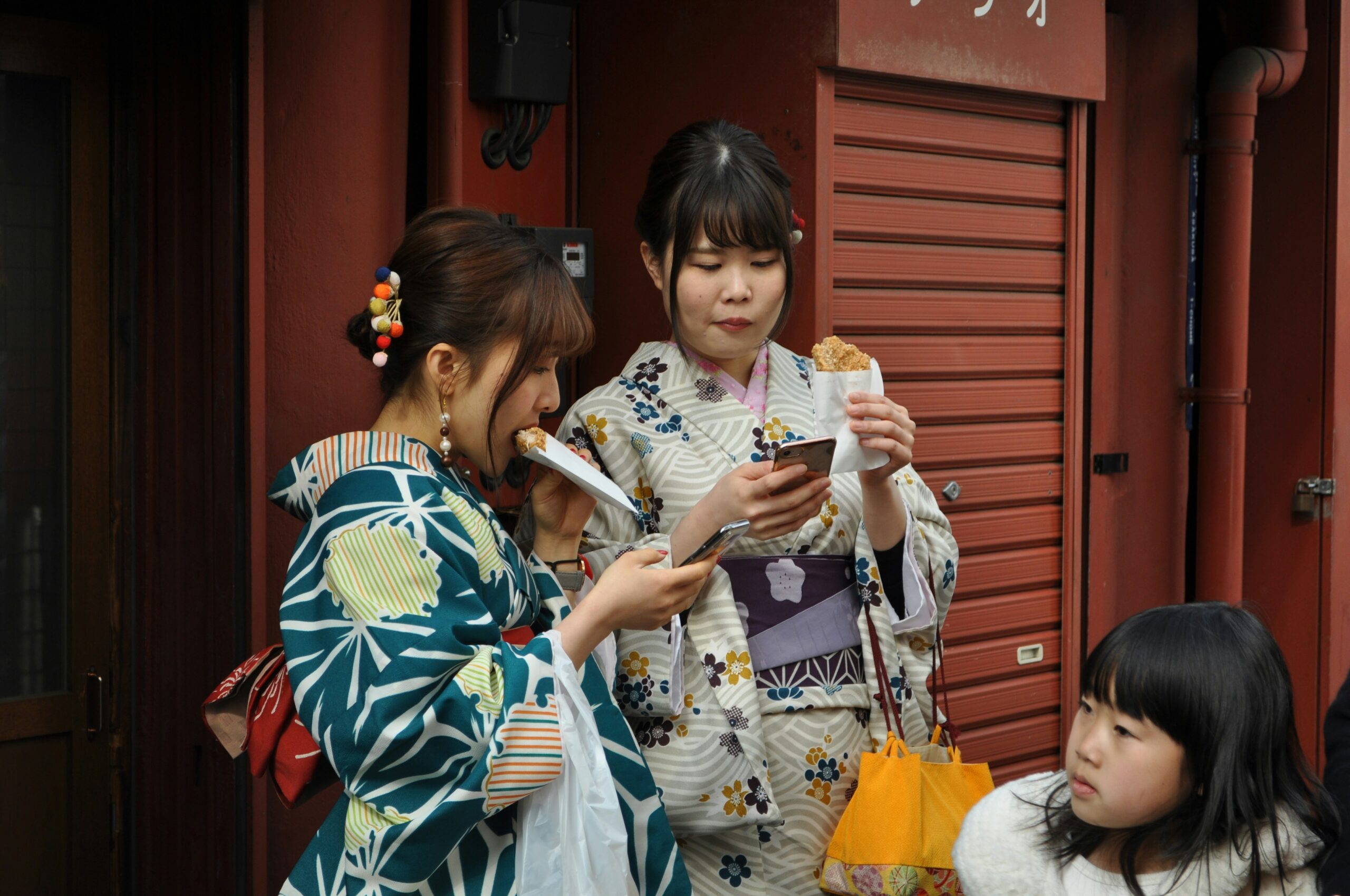
Eating in Tokyo follows an efficient, quiet rhythm. Meals are focused on the food, not conversation or lingering. You order, eat, and leave without pressure, unless the place is designed for slow dining like izakayas or cafés.
Breakfast
Breakfast is light and often informal. Outside hotels, options are limited to bakeries, cafés, or convenience stores. Brunch culture is small, and popular spots fill quickly on weekends, making early timing important if you want a sit down meal.
Lunch
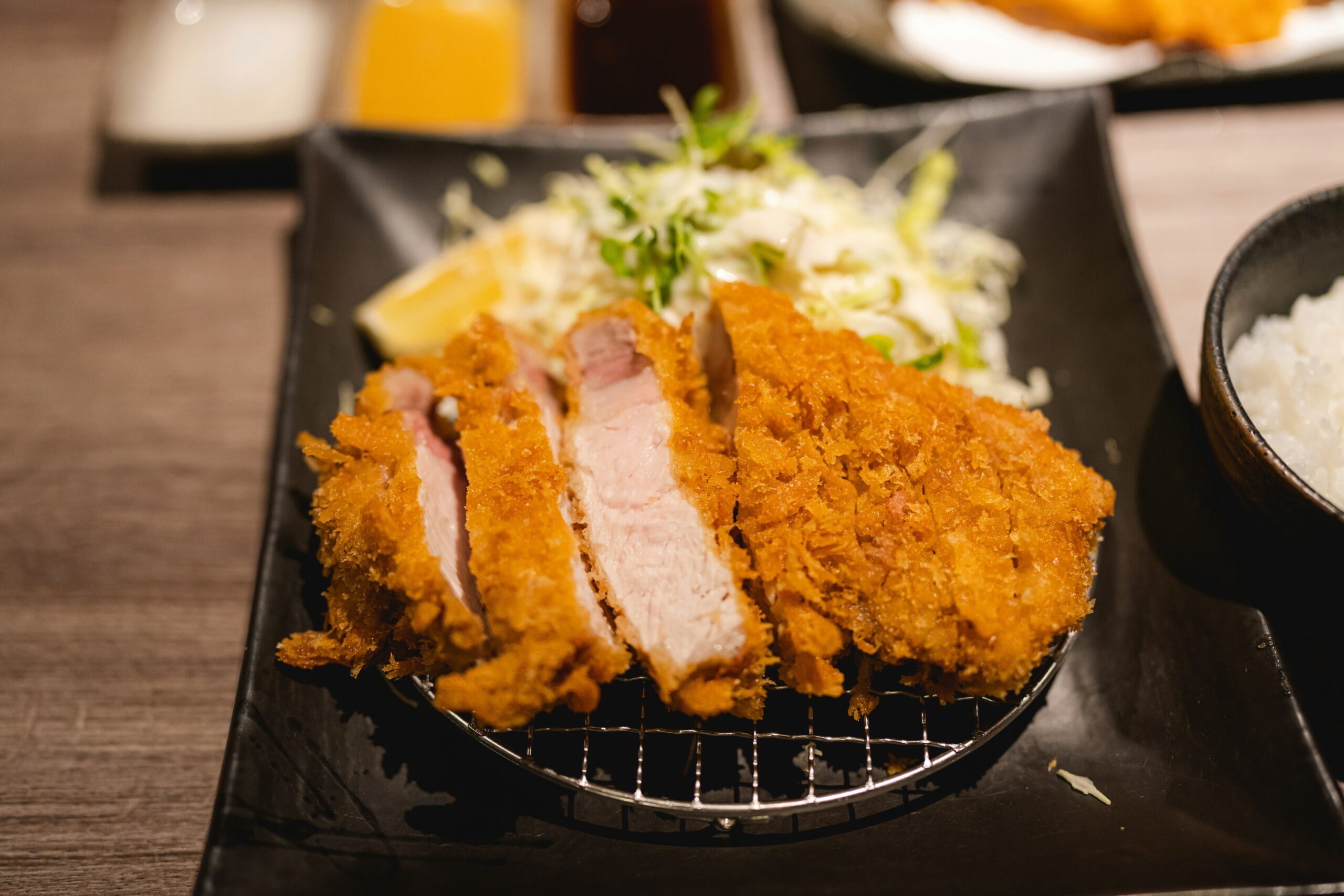
Lunch is the best value window. Many restaurants offer set menus that are smaller, cheaper, and faster than dinner. Lines between noon and 1pm are common, especially in business areas, but they move quickly and are part of the routine.
Dinner
Dinner usually starts earlier than in many countries, often between 6 and 8pm. Restaurants are compact and tables turn efficiently. Izakayas are the exception, where meals stretch longer and drinking plays a central role in the experience.
Reservations
Reservations matter more than expected. Many good restaurants are small and book out easily, especially sushi, yakiniku, and trendy spots. Walk ins work best for chains, ramen shops, and casual places near stations.
Mindset
Flexibility matters more than planning everything. Tokyo rewards eating near where you are, trusting busy places, and adjusting plans on the fly. Some of the best meals happen when you stop searching and just walk in.