What and where to eat in Paris

Last updated on February 5, 2026

Intro

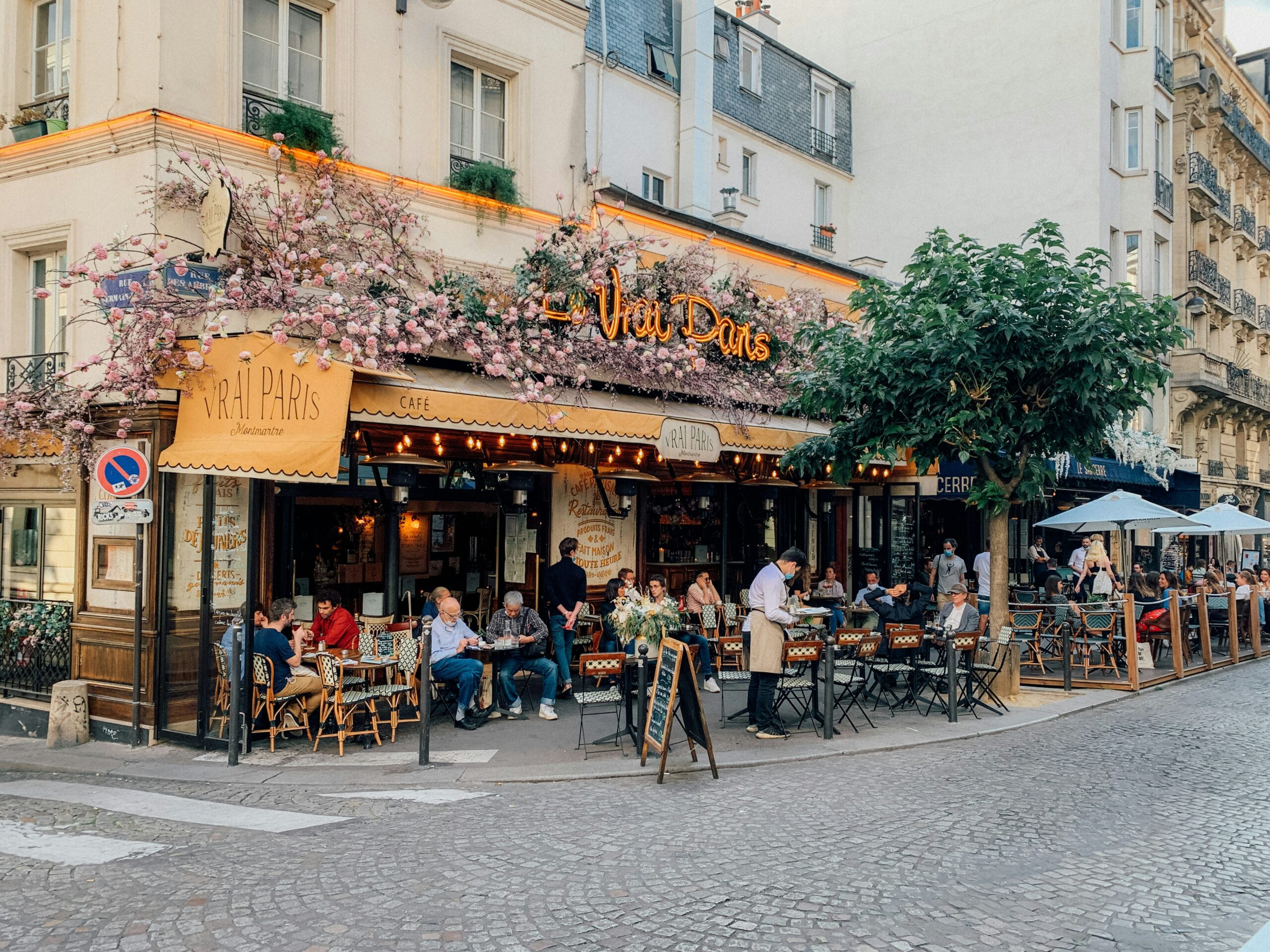
Eating in Paris isn’t about chasing the most famous restaurant or ticking off classics in one rush. It’s about rhythm. A buttery croissant in the morning, a long lunch that stretches further than planned, a simple dinner that somehow feels complete without trying too hard.


Food here sits naturally between everyday life and tradition. Bakeries, bistros, markets, and wine bars aren’t special occasions, they’re part of the day. You eat well without making it a performance, and the best moments often come from places that feel almost too normal to be memorable until you’re there.


This guide is about understanding that balance. Knowing what’s worth seeking out, what to keep simple, and how food quietly shapes the pace and pleasure of a Paris trip.

What and where to eat in Paris

If it’s your first time eating your way through Paris, these are the foods and meals that give you the clearest sense of how the city actually eats. Skip trends and focus on these, and you won’t feel like you missed anything essential.

Croissant and viennoiseries

Paris mornings revolve around bakeries. A good croissant is crisp outside, soft inside, and eaten without ceremony. This is daily life, not a special treat, and it sets the tone for how seriously simple food is taken here.

  • Du Pain et des Idées - Renowned viennoiseries with classic technique
  • Stohrer - Oldest pastry shop in Paris, very traditional
  • Boulangerie Poilâne - Famous for bread, solid pastries too

Bistro lunch

A proper bistro lunch is one of the most Parisian experiences you can have. Expect straightforward dishes, fixed menus, and food that’s satisfying rather than flashy. It’s about rhythm and value, not ceremony.

  • Le Comptoir du Relais - Classic bistro cooking, very popular
  • Bistrot Paul Bert - Traditional menu, lively local atmosphere
  • Chez l’Ami Jean - Generous plates and bold flavors

Steak frites

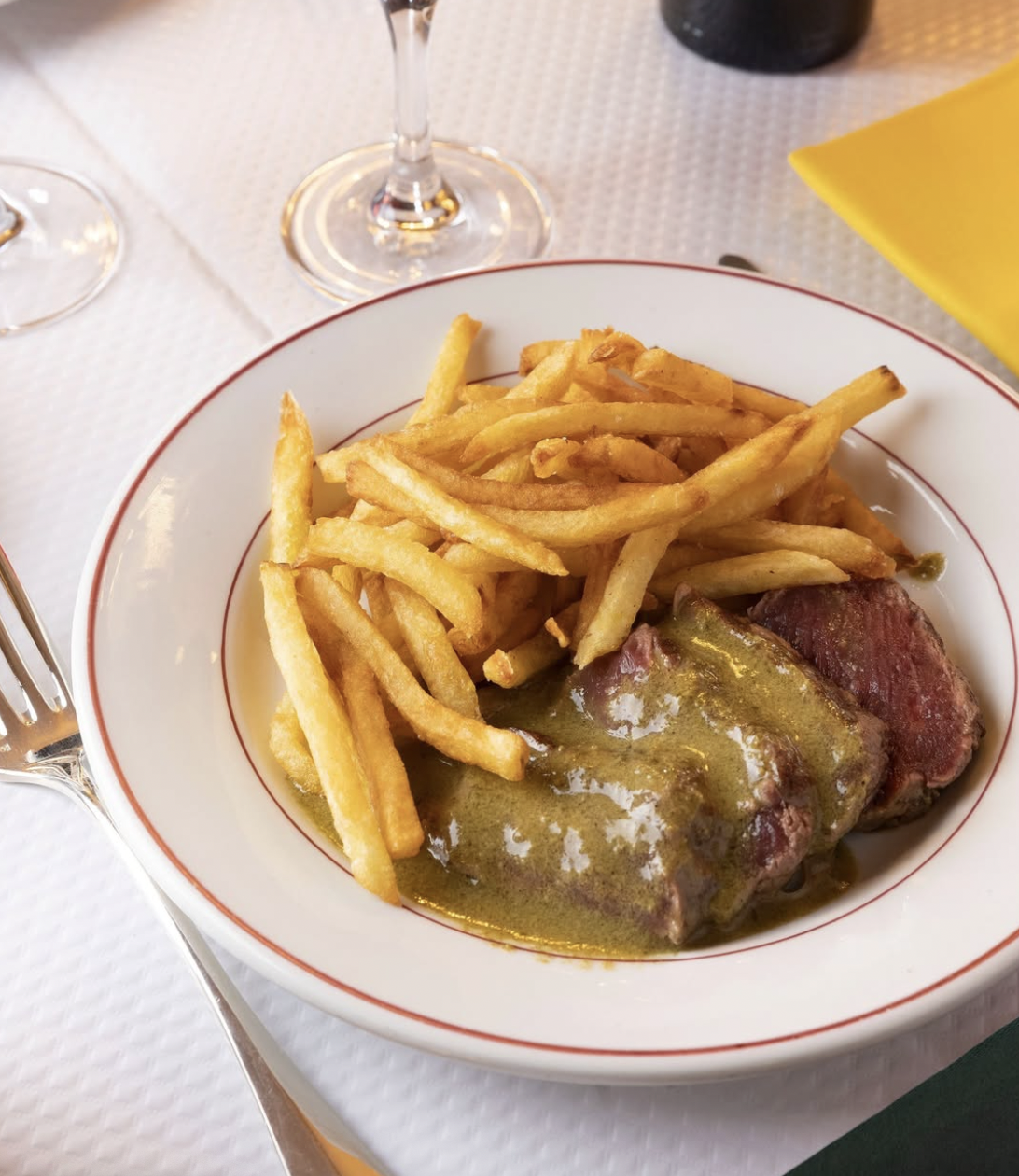
This dish looks simple but shows the French obsession with doing basics well. A good cut, proper seasoning, and excellent fries matter more than creativity. It’s filling, reliable, and deeply ingrained in Paris food culture.

  • Le Relais de l’Entrecôte - Famous single-dish formula
  • Café de Flore - Classic setting, solid execution
  • Au Pied de Cochon - Traditional brasserie, open late

Cheese and charcuterie

Cheese in Paris is part of the meal, not an afterthought. A simple board teaches you more about French food than many full dinners. Quality, ripeness, and balance matter more than quantity.

  • Androuet - Specialist cheese shop with guidance
  • La Fromagerie - Well-curated selection and advice
  • Maison Verot - Excellent pâtés and cured meats

Pastries and desserts

Paris desserts reward restraint and technique. Whether it’s a tart, éclair, or simple pastry, balance matters more than sweetness. This is where precision quietly shines.

  • Pierre Hermé - Refined flavors and technical precision
  • Cédric Grolet Opéra - Visual desserts with classic bases
  • La Pâtisserie Cyril Lignac - Modern but accessible pastries

Wine bar dinner

Wine bars are where Paris feels most relaxed at night. Small plates, good bottles, and informal settings make them ideal for unplanned evenings when you want to eat well without committing to a long meal.

  • Septime La Cave - Natural wines and small plates
  • Frenchie Bar à Vins - Seasonal food and strong wine list
  • La Compagnie des Vins Surnaturels - Broad wine selection, casual vibe

When and how to eat in Paris

General rhythm
Paris follows a clear food rhythm and it helps to respect it. Meals are moments, not constant grazing. Kitchens open and close at set times, and eating outside those windows can be frustrating unless you know where to look.

Breakfast
Breakfast is usually light and quick. Most people have coffee and a pastry standing at the counter or sitting briefly. Big breakfasts are uncommon outside hotels and brunch spots, and many bakeries sell out of popular items early.

Lunch
Lunch is structured and taken seriously. Between roughly 12:00 and 14:00, menus are designed for value and speed. Outside these hours, many kitchens close, so late lunches can limit your options more than you expect.

Dinner
Dinner starts later than in many countries. Restaurants usually open around 19:00 or 19:30, with locals arriving even later. Early dinners are possible but feel quieter. Kitchens tend to close around 22:00, sometimes earlier on weekdays.

Reservations
Reservations matter in Paris, even for casual places. Popular bistros, wine bars, and trendy spots often fill up days ahead. Walking in can work, but having a booking removes uncertainty, especially for dinner.

Flexibility
Paris rewards adapting to local habits. Eating when places are open, keeping meals simple, and not forcing constant dining makes everything smoother. Once you align with the city’s pace, food stops feeling complicated.

Our take: Plan your meals around opening hours, not hunger alone. When you eat like locals do, Paris food becomes effortless instead of frustrating.

Where to eat by neighbourhood

Paris food changes noticeably from one area to another. Use this section to anchor meals to where you already are, instead of crossing the city just to eat.

Le Marais: Central, lively, good mix of classic spots and modern bistros

  • Chez Janou – Provençal bistro with generous plates and relaxed vibe
  • Breizh Café – High quality savoury and sweet crêpes
  • Les Philosophes – Reliable classics, good for lunch or dinner

Saint-Germain-des-Prés: Classic Paris with cafés, bistros, and bookshop energy

  • Café de Flore – Iconic café experience, simple food
  • Le Comptoir du Relais – Solid bistro cooking, very popular
  • L’Avant Comptoir – Standing wine bar with small plates

Latin Quarter: Casual, affordable, and student driven

  • Au P’tit Grec – Famous stuffed crêpes, quick and filling
  • La Jacobine – Traditional dishes in a cozy setting
  • Le Procope – Historic dining room with classic menu

Montmartre: Touristy streets mixed with good local food

  • Le Coq & Fils – Rotisserie chicken done properly
  • La Maison Rose – Simple French food in an iconic setting
  • Hardware Société – Popular brunch spot with consistent quality

Opéra / Grands Boulevards: Central, busy, and convenient between sights

  • Bouillon Chartier – Cheap French classics, historic room
  • Pink Mamma – Trendy Italian, big portions
  • Galeries Lafayette Food Hall – Easy stop with many solid options

Canal Saint-Martin: Relaxed, local, and evening friendly

  • Le Verre Volé – Natural wines and seasonal food
  • Chez Prune – Casual bistro with canal views
  • Du Pain et des Idées – Top bakery, best in the morning

Our take: Don’t chase restaurants across Paris. Eat well where you already are and you’ll save energy for what really matters.

FAQs

Do I need reservations to eat well in Paris?

For dinner, yes more often than you might expect. Popular bistros, wine bars, and trendy places fill up quickly, even midweek. Lunch is easier and more flexible. Bakeries, casual spots, and many bouillons rarely require booking.

Is tipping expected in restaurants?

Service is included in menu prices, so tipping isn’t required. That said, leaving small change or rounding up for good service is appreciated but optional. You won’t offend anyone if you don’t tip.

Can I eat well in Paris on a reasonable budget?

Yes. Bakeries, lunch menus, bouillons, crêperies, and wine bars offer excellent food without high prices. Eating your main meal at lunch and keeping dinner simpler helps balance costs without sacrificing quality.

Are restaurants open all day?

No. Most kitchens close between lunch and dinner, usually from around 14:00 to 19:00. Outside those hours, options narrow to bakeries, cafés, and a few all-day places. Planning around meal windows avoids frustration.

Is English spoken in restaurants?

In most central areas, yes. Menus are often bilingual and staff are used to tourists. Learning a few basics like hello and thank you is polite and often improves the interaction, but fluent French isn’t necessary.

What should I do if a place is full?

Have a backup nearby. Paris has density on its side, especially in central neighborhoods. Walking one or two streets away often solves the problem faster than waiting for a table at a popular spot.

Is it worth eating near major attractions?

Sometimes. Many tourist-adjacent places are average, but some reliable cafés and brasseries do exist. The key is choosing well known spots rather than the first option facing a landmark.

Do I need to worry about dress codes?

Generally no. Paris restaurants value behavior more than clothing. Clean, casual attire is fine almost everywhere. Very upscale dining is the exception, but most places welcome travelers dressed comfortably.

Can vegetarians eat well in Paris?

Yes, though it takes a bit more awareness. Many menus are meat-focused, but vegetarian options exist, especially in modern bistros and wine bars. Bakeries, cheese, and markets also make eating vegetarian easy.

What and where to eat in Paris

Last updated on February 5, 2026

Intro

Eating in Paris isn’t about chasing the most famous restaurant or ticking off classics in one rush. It’s about rhythm. A buttery croissant in the morning, a long lunch that stretches further than planned, a simple dinner that somehow feels complete without trying too hard.


Food here sits naturally between everyday life and tradition. Bakeries, bistros, markets, and wine bars aren’t special occasions, they’re part of the day. You eat well without making it a performance, and the best moments often come from places that feel almost too normal to be memorable until you’re there.


This guide is about understanding that balance. Knowing what’s worth seeking out, what to keep simple, and how food quietly shapes the pace and pleasure of a Paris trip.

[travel_quick_facts]

What and where to eat in Paris

If it’s your first time eating your way through Paris, these are the foods and meals that give you the clearest sense of how the city actually eats. Skip trends and focus on these, and you won’t feel like you missed anything essential.

Croissant and viennoiseries

Paris mornings revolve around bakeries. A good croissant is crisp outside, soft inside, and eaten without ceremony. This is daily life, not a special treat, and it sets the tone for how seriously simple food is taken here.

  • Du Pain et des Idées - Renowned viennoiseries with classic technique
  • Stohrer - Oldest pastry shop in Paris, very traditional
  • Boulangerie Poilâne - Famous for bread, solid pastries too

Bistro lunch

A proper bistro lunch is one of the most Parisian experiences you can have. Expect straightforward dishes, fixed menus, and food that’s satisfying rather than flashy. It’s about rhythm and value, not ceremony.

  • Le Comptoir du Relais - Classic bistro cooking, very popular
  • Bistrot Paul Bert - Traditional menu, lively local atmosphere
  • Chez l’Ami Jean - Generous plates and bold flavors

Steak frites

This dish looks simple but shows the French obsession with doing basics well. A good cut, proper seasoning, and excellent fries matter more than creativity. It’s filling, reliable, and deeply ingrained in Paris food culture.

  • Le Relais de l’Entrecôte - Famous single-dish formula
  • Café de Flore - Classic setting, solid execution
  • Au Pied de Cochon - Traditional brasserie, open late

Cheese and charcuterie

Cheese in Paris is part of the meal, not an afterthought. A simple board teaches you more about French food than many full dinners. Quality, ripeness, and balance matter more than quantity.

  • Androuet - Specialist cheese shop with guidance
  • La Fromagerie - Well-curated selection and advice
  • Maison Verot - Excellent pâtés and cured meats

Pastries and desserts

Paris desserts reward restraint and technique. Whether it’s a tart, éclair, or simple pastry, balance matters more than sweetness. This is where precision quietly shines.

  • Pierre Hermé - Refined flavors and technical precision
  • Cédric Grolet Opéra - Visual desserts with classic bases
  • La Pâtisserie Cyril Lignac - Modern but accessible pastries

Wine bar dinner

Wine bars are where Paris feels most relaxed at night. Small plates, good bottles, and informal settings make them ideal for unplanned evenings when you want to eat well without committing to a long meal.

  • Septime La Cave - Natural wines and small plates
  • Frenchie Bar à Vins - Seasonal food and strong wine list
  • La Compagnie des Vins Surnaturels - Broad wine selection, casual vibe

Trendy places to eat in Paris

This is the side of Paris food you’ll mostly see on social media. These places are popular for a reason, visually strong, very shareable, and often busy. Expect lines, buzz, and a younger crowd.

Brunch

Holybelly - Anglo-style brunch plates, always busy
Season - Clean plates, minimalist space, influencer favorite
Kozy - Pancakes, eggs, and photogenic interiors
Hardware Société - Australian brunch with strong coffee focus

Casual dining

Pink Mamma - Over-the-top Italian food and interiors
Big Mamma - Crowd-pleasing pastas, loud and fun
Bouillon Pigalle - Cheap French classics, very social-media driven
Jaja - Natural wine, small plates, stylish crowd

Dessert and pastries

Cédric Grolet Opéra - Sculptural desserts made for Instagram
Mamiche - Soft breads and pastries with cult following
Carette - Classic desserts in highly photogenic setting
Maison Aleph - Levantine-inspired desserts with bold colors

Cafés and coffee spots

Café Kitsuné - Fashion crowd and minimalist coffee bars
Fragments - Specialty coffee with aesthetic pastries
Dreamin Man - Japanese-style coffee, small and stylish
The Coffee - Ultra-minimal design and takeaway focus

Dinner spots

Girafe - Eiffel Tower views and seafood-focused menu
Costes - Fashion crowd, late dinners, strong atmosphere
Le Matignon - Glam crowd and classic plates
Loulou - Italian-inspired menu in a very photogenic setting

When and how to eat in Paris

General rhythm
Paris follows a clear food rhythm and it helps to respect it. Meals are moments, not constant grazing. Kitchens open and close at set times, and eating outside those windows can be frustrating unless you know where to look.

Breakfast
Breakfast is usually light and quick. Most people have coffee and a pastry standing at the counter or sitting briefly. Big breakfasts are uncommon outside hotels and brunch spots, and many bakeries sell out of popular items early.

Lunch
Lunch is structured and taken seriously. Between roughly 12:00 and 14:00, menus are designed for value and speed. Outside these hours, many kitchens close, so late lunches can limit your options more than you expect.

Dinner
Dinner starts later than in many countries. Restaurants usually open around 19:00 or 19:30, with locals arriving even later. Early dinners are possible but feel quieter. Kitchens tend to close around 22:00, sometimes earlier on weekdays.

Reservations
Reservations matter in Paris, even for casual places. Popular bistros, wine bars, and trendy spots often fill up days ahead. Walking in can work, but having a booking removes uncertainty, especially for dinner.

Flexibility
Paris rewards adapting to local habits. Eating when places are open, keeping meals simple, and not forcing constant dining makes everything smoother. Once you align with the city’s pace, food stops feeling complicated.

Our take: Plan your meals around opening hours, not hunger alone. When you eat like locals do, Paris food becomes effortless instead of frustrating.

Where to eat by neighbourhood

Paris food changes noticeably from one area to another. Use this section to anchor meals to where you already are, instead of crossing the city just to eat.

Le Marais: Central, lively, good mix of classic spots and modern bistros

  • Chez Janou – Provençal bistro with generous plates and relaxed vibe
  • Breizh Café – High quality savoury and sweet crêpes
  • Les Philosophes – Reliable classics, good for lunch or dinner

Saint-Germain-des-Prés: Classic Paris with cafés, bistros, and bookshop energy

  • Café de Flore – Iconic café experience, simple food
  • Le Comptoir du Relais – Solid bistro cooking, very popular
  • L’Avant Comptoir – Standing wine bar with small plates

Latin Quarter: Casual, affordable, and student driven

  • Au P’tit Grec – Famous stuffed crêpes, quick and filling
  • La Jacobine – Traditional dishes in a cozy setting
  • Le Procope – Historic dining room with classic menu

Montmartre: Touristy streets mixed with good local food

  • Le Coq & Fils – Rotisserie chicken done properly
  • La Maison Rose – Simple French food in an iconic setting
  • Hardware Société – Popular brunch spot with consistent quality

Opéra / Grands Boulevards: Central, busy, and convenient between sights

  • Bouillon Chartier – Cheap French classics, historic room
  • Pink Mamma – Trendy Italian, big portions
  • Galeries Lafayette Food Hall – Easy stop with many solid options

Canal Saint-Martin: Relaxed, local, and evening friendly

  • Le Verre Volé – Natural wines and seasonal food
  • Chez Prune – Casual bistro with canal views
  • Du Pain et des Idées – Top bakery, best in the morning

Our take: Don’t chase restaurants across Paris. Eat well where you already are and you’ll save energy for what really matters.

Food tips for planning your days

Food timing affects your entire day in Paris. A few smart decisions around meals can prevent closed kitchens, long waits, and unnecessary backtracking.

  • Respect meal hours: Many kitchens close between lunch and dinner
  • Lunch as anchor: Plan one proper lunch and build the day around it
  • Book dinners early: Popular places fill up days ahead
  • Eat nearby: Choose food close to your sights, not across town
  • Use bakeries strategically: Perfect for quick breakfasts or late snacks
  • Don’t overschedule meals: Leave room for spontaneous cafés or wine bars
  • Check Sunday openings: Some good spots close, others get very busy
  • Balance heavy and light: Big lunches pair well with simple dinners

FAQs

Do I need reservations to eat well in Paris?

For dinner, yes more often than you might expect. Popular bistros, wine bars, and trendy places fill up quickly, even midweek. Lunch is easier and more flexible. Bakeries, casual spots, and many bouillons rarely require booking.

Is tipping expected in restaurants?

Service is included in menu prices, so tipping isn’t required. That said, leaving small change or rounding up for good service is appreciated but optional. You won’t offend anyone if you don’t tip.

Can I eat well in Paris on a reasonable budget?

Yes. Bakeries, lunch menus, bouillons, crêperies, and wine bars offer excellent food without high prices. Eating your main meal at lunch and keeping dinner simpler helps balance costs without sacrificing quality.

Are restaurants open all day?

No. Most kitchens close between lunch and dinner, usually from around 14:00 to 19:00. Outside those hours, options narrow to bakeries, cafés, and a few all-day places. Planning around meal windows avoids frustration.

Is English spoken in restaurants?

In most central areas, yes. Menus are often bilingual and staff are used to tourists. Learning a few basics like hello and thank you is polite and often improves the interaction, but fluent French isn’t necessary.

What should I do if a place is full?

Have a backup nearby. Paris has density on its side, especially in central neighborhoods. Walking one or two streets away often solves the problem faster than waiting for a table at a popular spot.

Is it worth eating near major attractions?

Sometimes. Many tourist-adjacent places are average, but some reliable cafés and brasseries do exist. The key is choosing well known spots rather than the first option facing a landmark.

Do I need to worry about dress codes?

Generally no. Paris restaurants value behavior more than clothing. Clean, casual attire is fine almost everywhere. Very upscale dining is the exception, but most places welcome travelers dressed comfortably.

Can vegetarians eat well in Paris?

Yes, though it takes a bit more awareness. Many menus are meat-focused, but vegetarian options exist, especially in modern bistros and wine bars. Bakeries, cheese, and markets also make eating vegetarian easy.

HELP US IMPROVE

How likely are you to recommend Know to Travel to a friend or fellow traveler?

Not likely at all
Extremely likely