What and where to eat in Los Angeles

Last updated on February 5, 2026

Intro

Eating in Los Angeles feels informal in the best way. Meals slip between errands, after swims, before drives. Good food shows up in ordinary places, and no one makes a big deal out of it.


The city’s food reflects how people actually live here. Cultures overlap, rules stay loose, and quality matters more than presentation. You eat standing up, in the car, or outside without planning much around it.


What makes Los Angeles special is range without pressure. You can go deep on one cuisine or keep things light and spontaneous. Either way, food becomes part of the rhythm, not the main event.

What and where to eat

On a first trip, food in Los Angeles should explain the city, not distract from it. These are the meals that locals actually rely on and visitors usually regret missing once they leave.

Street tacos

Tacos here are fast, informal, and built around good tortillas and properly cooked meat. You eat them standing up, often from a truck or counter, and understand immediately why this is daily food, not a trend.

  • Leo’s Tacos Truck - Al pastor carved on the spit, late and reliable.
  • Guisados - Stewed fillings, soft tortillas, easy introduction.
  • Angel’s Tijuana Tacos - Crisp meat, strong flavors, very local feel.

Korean barbecue

LA’s Korean barbecue is social, filling, and better than almost anywhere else outside Korea. Meat quality matters, but pacing and sharing matter more. Expect smoke, noise, and long dinners.

  • Parks BBQ - Premium cuts and consistent service.
  • Kang Ho Dong Baekjeong - Lively, classic setup, first-timer friendly.
  • Quarters Korean BBQ - Modern space, strong meat selection.

In-N-Out burger

This is not about variety or innovation. It is about consistency, simplicity, and timing it right. Eaten fresh, it explains a lot about California food culture.

  • In-N-Out Burger - Go off-peak, order simple, eat immediately.
  • In-N-Out Burger - Sepulveda Blvd - Popular stop near the airport for arrivals.

Mexican sit-down meal

Beyond tacos, LA’s Mexican food shines in fuller meals built around moles, slow cooking, and regional dishes. This is where you slow down and sit properly.

  • Guelaguetza - Oaxacan classics and complex moles.
  • El Compadre - Old-school plates and strong margaritas.
  • La Casita Mexicana - Traditional cooking, worth the short drive.

Breakfast or brunch done casually

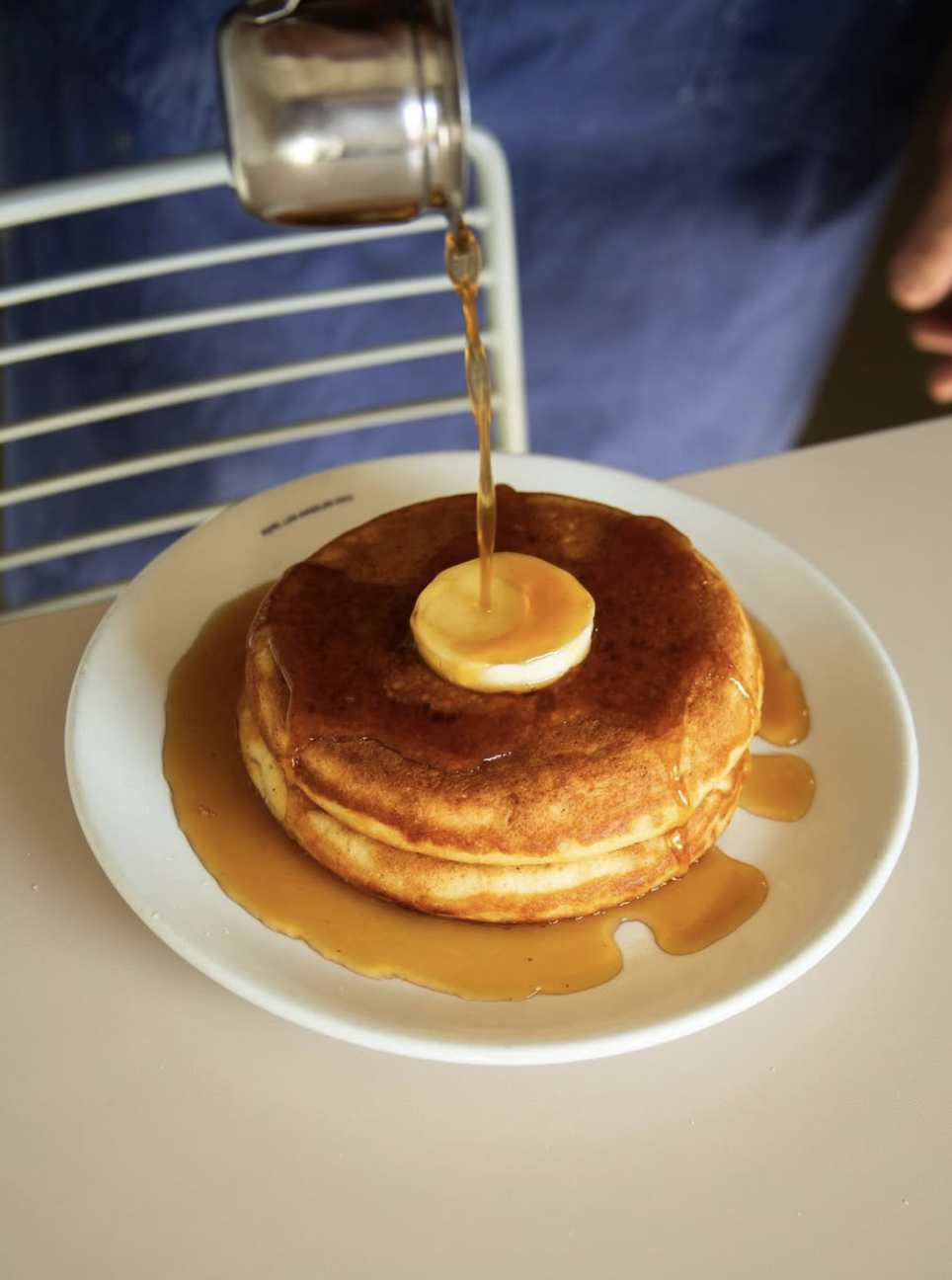
Mornings matter in LA. Breakfast is relaxed, outdoors when possible, and built around simple plates done well rather than spectacle.

  • Sqirl - Creative breakfasts, busy but influential.
  • Republique - Pastries and sit-down options, solid all-rounder.
  • Blu Jam Cafe - Comfortable, predictable, multiple locations.

Food hall grazing

Food halls let you sample without committing to one cuisine. Useful when traveling with different tastes or limited time.

  • Grand Central Market - Central, varied, always active.
  • Smorgasburg LA - Weekend-only, rotating vendors.
  • Citizen Public Market - Smaller, calmer, easier seating.

When and how to eat

General rhythm
Eating in Los Angeles is flexible and informal. Meals bend around daily plans rather than the other way around. Nobody rushes you, dress codes are rare, and eating alone is normal. The key expectation is independence, knowing where you want to eat and moving on when you are done.

Breakfast
Breakfast starts early and matters. Cafés open early, lines form fast, and the best window is before 9:30. Many places serve breakfast all day, but quality drops later. Locals treat breakfast as fuel, not an event, often eaten quickly before the day spreads out.

Lunch
Lunch is casual and efficient. Counter service, food trucks, and short sit-down meals dominate. It is common to eat alone, eat fast, or eat in the car. Long lunches exist but are the exception. If you wait until after 2 pm, options narrow quickly.

Dinner
Dinner starts earlier than many visitors expect. Peak time is around 7 pm, and kitchens close earlier than in Europe. Late dining is possible but limited. Dinners are social but relaxed, and splitting dishes is common. Expect noise, movement, and short table times.

Reservations
Reservations matter at popular places, especially for dinner and weekends. Trendy spots book out days ahead, while casual places often do not take bookings at all. Last-minute walk-ins work best early or late. Driving across town for a reservation rarely pays off.

Mindset
The biggest adjustment is letting go of structure. You eat when it fits, not when the clock says so. Meals slide between errands, drives, and plans. Accepting this flow makes eating here feel easy instead of chaotic.

Where to eat by neighbourhood

Food in Los Angeles makes more sense when you eat where you already are. These neighborhoods are the ones most first-time visitors naturally pass through, with reliable places that fit the area and pace of the day.

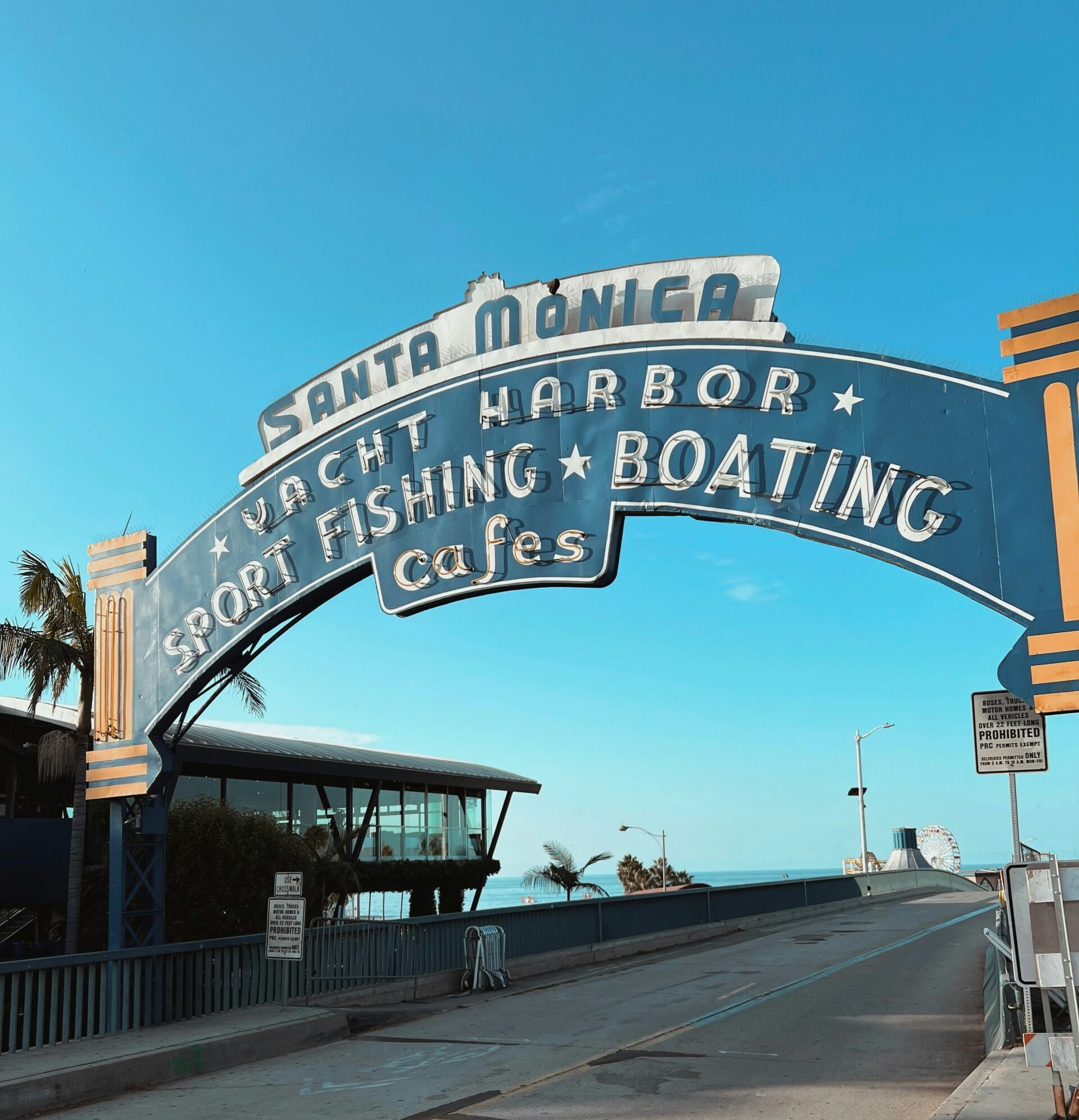
Santa Monica: Coastal, relaxed, walkable, easy for breakfast, lunch, or early dinner near the beach.

  • Cassia – Southeast Asian flavors, polished but not stiff.
  • Bay Cities Italian Deli – Big sandwiches, fast, very local favorite.
  • Rustic Canyon – California cooking, calm room, consistent quality.

Venice: Casual, creative, better for daytime eating than late nights.

  • Gjusta – Bakery and deli, busy mornings, solid all-day stop.
  • The Rose Venice – Large menu, easy with groups, flexible timing.
  • Great White – Light meals, coffee, fits beach pacing well.

West Hollywood: Central, social, strong dinner scene with many recognizable names.

  • Catch LA – Rooftop dining, lively, food secondary to scene.
  • Gracias Madre – Vegan Mexican, popular, easy crowd-pleaser.
  • Craig’s – Old-school feel, celebrity magnet, reliable classics.

Beverly Hills: Polished, orderly, best for lunch or early dinner between sights.

  • The Ivy – Familiar, photogenic, predictable menu.
  • Spago – Refined California dining, strong service.
  • Il Pastaio – Comfortable Italian, quiet and consistent.

Downtown Los Angeles: Dense, varied, best for grazing and casual meals.

  • Grand Central Market – Many cuisines, flexible, good with mixed tastes.
  • Bavel – Middle Eastern plates, book ahead.
  • Bestia – Italian-focused, energetic, reservation-heavy.

Koreatown: Busy, late-opening, best area for shared dinners.

  • Parks BBQ – High-quality meat, calm for KBBQ standards.
  • Kang Ho Dong Baekjeong – Loud, classic Korean barbecue experience.
  • Quarters Korean BBQ – Modern space, first-timer friendly.

Malibu: Scenic, slower, best paired with a coastal drive.

  • Nobu Malibu – Iconic setting, book far ahead.
  • Malibu Farm Pier Cafe – Simple food, strong views, daytime stop.
  • Geoffrey’s Malibu – Reliable coastal dining, sunset-friendly.

FAQs

Do I need reservations to eat well in Los Angeles?

Not always. Many of the city’s best meals are counter service, trucks, or casual spots that do not take bookings. Reservations matter mainly for trendy dinners and weekends. For everything else, timing and location matter more than planning far ahead.

What time do locals usually eat dinner?

Dinner starts earlier than many visitors expect. Peak time is around 7 pm, with kitchens closing earlier than in Europe. Late-night options exist but are limited. Eating at 6 or after 8 often means shorter waits and a calmer experience.

Is tipping mandatory in Los Angeles?

Yes. Tipping is expected in sit-down restaurants, usually around 18–22 percent before tax. Counter service and takeout are more flexible, but a small tip is still common. Service staff rely heavily on tips as part of their income.

Can I eat well without a car?

It is possible but limiting. Many good places are spread out, and food often fits between drives. Without a car, you will rely on rideshares and restrict yourself to fewer neighborhoods, which can reduce spontaneity and choice.

Is street food safe to eat?

Generally, yes. Street tacos and food trucks are part of daily life in Los Angeles. Look for busy stands with high turnover and locals eating there. Food safety standards are enforced, and popularity is usually the best indicator.

Are portions really that big?

Often, yes. Portions are generous, especially at casual spots. Sharing is normal and sometimes expected. Ordering less than you think you need usually leads to a better meal and less waste.

Is Los Angeles good for dietary restrictions?

Very. Vegetarian, vegan, gluten-free, and dairy-free options are widely available. Menus are usually clear, and staff are used to questions. You rarely need to compromise quality because of dietary needs.

Should I plan food around sightseeing or the other way around?

Sightseeing should lead. Good food exists in every part of the city, so choosing places near where you already are saves time and energy. Long food-driven detours rarely improve the overall day.

Are trendy places worth the wait?

Sometimes, but not by default. Many trendy spots deliver more atmosphere than food. If a place fits your route and timing, it can be fun. If it requires long waits or cross-city drives, it is usually skippable.

What and where to eat in Los Angeles

Last updated on February 5, 2026

Intro

Eating in Los Angeles feels informal in the best way. Meals slip between errands, after swims, before drives. Good food shows up in ordinary places, and no one makes a big deal out of it.


The city’s food reflects how people actually live here. Cultures overlap, rules stay loose, and quality matters more than presentation. You eat standing up, in the car, or outside without planning much around it.


What makes Los Angeles special is range without pressure. You can go deep on one cuisine or keep things light and spontaneous. Either way, food becomes part of the rhythm, not the main event.

[travel_quick_facts]

What and where to eat

On a first trip, food in Los Angeles should explain the city, not distract from it. These are the meals that locals actually rely on and visitors usually regret missing once they leave.

Street tacos

Tacos here are fast, informal, and built around good tortillas and properly cooked meat. You eat them standing up, often from a truck or counter, and understand immediately why this is daily food, not a trend.

  • Leo’s Tacos Truck - Al pastor carved on the spit, late and reliable.
  • Guisados - Stewed fillings, soft tortillas, easy introduction.
  • Angel’s Tijuana Tacos - Crisp meat, strong flavors, very local feel.

Korean barbecue

LA’s Korean barbecue is social, filling, and better than almost anywhere else outside Korea. Meat quality matters, but pacing and sharing matter more. Expect smoke, noise, and long dinners.

  • Parks BBQ - Premium cuts and consistent service.
  • Kang Ho Dong Baekjeong - Lively, classic setup, first-timer friendly.
  • Quarters Korean BBQ - Modern space, strong meat selection.

In-N-Out burger

This is not about variety or innovation. It is about consistency, simplicity, and timing it right. Eaten fresh, it explains a lot about California food culture.

  • In-N-Out Burger - Go off-peak, order simple, eat immediately.
  • In-N-Out Burger - Sepulveda Blvd - Popular stop near the airport for arrivals.

Mexican sit-down meal

Beyond tacos, LA’s Mexican food shines in fuller meals built around moles, slow cooking, and regional dishes. This is where you slow down and sit properly.

  • Guelaguetza - Oaxacan classics and complex moles.
  • El Compadre - Old-school plates and strong margaritas.
  • La Casita Mexicana - Traditional cooking, worth the short drive.

Breakfast or brunch done casually

Mornings matter in LA. Breakfast is relaxed, outdoors when possible, and built around simple plates done well rather than spectacle.

  • Sqirl - Creative breakfasts, busy but influential.
  • Republique - Pastries and sit-down options, solid all-rounder.
  • Blu Jam Cafe - Comfortable, predictable, multiple locations.

Food hall grazing

Food halls let you sample without committing to one cuisine. Useful when traveling with different tastes or limited time.

  • Grand Central Market - Central, varied, always active.
  • Smorgasburg LA - Weekend-only, rotating vendors.
  • Citizen Public Market - Smaller, calmer, easier seating.

Trendy places to eat

These are the places that dominate feeds, get shared constantly, and shape how LA food looks online. Come for the atmosphere and familiarity, not discovery or value.

Brunch

Sqirl - Jam-forward plates, creative, still a reference point.
Great White - Coastal brunch energy, very social-media friendly.
Joan’s on Third - Reliable, photogenic, celebrity-adjacent crowd.
Republique - Bakery visuals, long lines, polished experience.

Casual trendy

Jon & Vinny’s - Italian-American comfort, seen everywhere online.
Pizzana - Upscale pizza, influencer staple.
Gracias Madre - Vegan Mexican, aesthetic-heavy, very visible.
All Time - Neighborhood bistro look, widely shared.

Dessert and sweets

Milk Bar - Nostalgic desserts, strong brand presence.
Bottega Louie - Colorful pastries, highly photographed.
Salt & Straw - Creative ice cream, consistent online buzz.
Urth Caffé - Desserts plus café culture, constant visibility.

Coffee spots

Alfred Coffee - Slogan-driven brand, designed for photos.
Verve Coffee Roasters - Clean design, strong lifestyle appeal.
Blue Bottle Coffee - Minimal look, predictable popularity.
Doutte - Fashion-adjacent crowd, polished visuals.

Dinner scene

Catch LA - Rooftop dining, see-and-be-seen energy.
Nobu Malibu - Iconic location, social-media classic.
Tao Los Angeles - Big-room dining, nightlife crossover.
Ysabel - Garden setting, influencer-heavy crowd.

When and how to eat

General rhythm
Eating in Los Angeles is flexible and informal. Meals bend around daily plans rather than the other way around. Nobody rushes you, dress codes are rare, and eating alone is normal. The key expectation is independence, knowing where you want to eat and moving on when you are done.

Breakfast
Breakfast starts early and matters. Cafés open early, lines form fast, and the best window is before 9:30. Many places serve breakfast all day, but quality drops later. Locals treat breakfast as fuel, not an event, often eaten quickly before the day spreads out.

Lunch
Lunch is casual and efficient. Counter service, food trucks, and short sit-down meals dominate. It is common to eat alone, eat fast, or eat in the car. Long lunches exist but are the exception. If you wait until after 2 pm, options narrow quickly.

Dinner
Dinner starts earlier than many visitors expect. Peak time is around 7 pm, and kitchens close earlier than in Europe. Late dining is possible but limited. Dinners are social but relaxed, and splitting dishes is common. Expect noise, movement, and short table times.

Reservations
Reservations matter at popular places, especially for dinner and weekends. Trendy spots book out days ahead, while casual places often do not take bookings at all. Last-minute walk-ins work best early or late. Driving across town for a reservation rarely pays off.

Mindset
The biggest adjustment is letting go of structure. You eat when it fits, not when the clock says so. Meals slide between errands, drives, and plans. Accepting this flow makes eating here feel easy instead of chaotic.

Where to eat by neighbourhood

Food in Los Angeles makes more sense when you eat where you already are. These neighborhoods are the ones most first-time visitors naturally pass through, with reliable places that fit the area and pace of the day.

Santa Monica: Coastal, relaxed, walkable, easy for breakfast, lunch, or early dinner near the beach.

  • Cassia – Southeast Asian flavors, polished but not stiff.
  • Bay Cities Italian Deli – Big sandwiches, fast, very local favorite.
  • Rustic Canyon – California cooking, calm room, consistent quality.

Venice: Casual, creative, better for daytime eating than late nights.

  • Gjusta – Bakery and deli, busy mornings, solid all-day stop.
  • The Rose Venice – Large menu, easy with groups, flexible timing.
  • Great White – Light meals, coffee, fits beach pacing well.

West Hollywood: Central, social, strong dinner scene with many recognizable names.

  • Catch LA – Rooftop dining, lively, food secondary to scene.
  • Gracias Madre – Vegan Mexican, popular, easy crowd-pleaser.
  • Craig’s – Old-school feel, celebrity magnet, reliable classics.

Beverly Hills: Polished, orderly, best for lunch or early dinner between sights.

  • The Ivy – Familiar, photogenic, predictable menu.
  • Spago – Refined California dining, strong service.
  • Il Pastaio – Comfortable Italian, quiet and consistent.

Downtown Los Angeles: Dense, varied, best for grazing and casual meals.

  • Grand Central Market – Many cuisines, flexible, good with mixed tastes.
  • Bavel – Middle Eastern plates, book ahead.
  • Bestia – Italian-focused, energetic, reservation-heavy.

Koreatown: Busy, late-opening, best area for shared dinners.

  • Parks BBQ – High-quality meat, calm for KBBQ standards.
  • Kang Ho Dong Baekjeong – Loud, classic Korean barbecue experience.
  • Quarters Korean BBQ – Modern space, first-timer friendly.

Malibu: Scenic, slower, best paired with a coastal drive.

  • Nobu Malibu – Iconic setting, book far ahead.
  • Malibu Farm Pier Cafe – Simple food, strong views, daytime stop.
  • Geoffrey’s Malibu – Reliable coastal dining, sunset-friendly.

Food tips for planning your days

Food in Los Angeles works best when it supports the day rather than interrupts it. These tips help you eat well without reshaping your schedule around meals.

  • Eat where you are: Crossing the city just to eat usually costs more time than the meal gives back.
  • Front-load breakfast: Early mornings mean better food, shorter lines, and calmer streets.
  • Keep lunch flexible: Casual spots and trucks adapt best to shifting plans.
  • Book only key dinners: Reserve one or two evenings, leave the rest open.
  • Avoid peak traffic meals: Eating at 6 or after 8 saves stress and time.
  • Share when possible: Portions are generous and sharing speeds decisions.
  • Plan one food anchor: One must-eat per day is usually enough.

FAQs

Do I need reservations to eat well in Los Angeles?

Not always. Many of the city’s best meals are counter service, trucks, or casual spots that do not take bookings. Reservations matter mainly for trendy dinners and weekends. For everything else, timing and location matter more than planning far ahead.

What time do locals usually eat dinner?

Dinner starts earlier than many visitors expect. Peak time is around 7 pm, with kitchens closing earlier than in Europe. Late-night options exist but are limited. Eating at 6 or after 8 often means shorter waits and a calmer experience.

Is tipping mandatory in Los Angeles?

Yes. Tipping is expected in sit-down restaurants, usually around 18–22 percent before tax. Counter service and takeout are more flexible, but a small tip is still common. Service staff rely heavily on tips as part of their income.

Can I eat well without a car?

It is possible but limiting. Many good places are spread out, and food often fits between drives. Without a car, you will rely on rideshares and restrict yourself to fewer neighborhoods, which can reduce spontaneity and choice.

Is street food safe to eat?

Generally, yes. Street tacos and food trucks are part of daily life in Los Angeles. Look for busy stands with high turnover and locals eating there. Food safety standards are enforced, and popularity is usually the best indicator.

Are portions really that big?

Often, yes. Portions are generous, especially at casual spots. Sharing is normal and sometimes expected. Ordering less than you think you need usually leads to a better meal and less waste.

Is Los Angeles good for dietary restrictions?

Very. Vegetarian, vegan, gluten-free, and dairy-free options are widely available. Menus are usually clear, and staff are used to questions. You rarely need to compromise quality because of dietary needs.

Should I plan food around sightseeing or the other way around?

Sightseeing should lead. Good food exists in every part of the city, so choosing places near where you already are saves time and energy. Long food-driven detours rarely improve the overall day.

Are trendy places worth the wait?

Sometimes, but not by default. Many trendy spots deliver more atmosphere than food. If a place fits your route and timing, it can be fun. If it requires long waits or cross-city drives, it is usually skippable.

HELP US IMPROVE

How likely are you to recommend Know to Travel to a friend or fellow traveler?

Not likely at all
Extremely likely