Tokyo itineraries (with examples)

Last updated on February 4, 2026

Intro

Planning a Tokyo itinerary feels structured in a good way. The city is huge, but it runs on clear systems, and once you respect them, days start to make sense. Areas connect logically, and moving around feels predictable rather than chaotic.


What works best is stacking compatible things together. Temples, shopping streets, food spots, and viewpoints often sit closer than they look on a map, making same-day combinations easy when planned by area. You spend less time in transit and more time actually experiencing the city.


A good Tokyo itinerary feels calm even on busy days. You cover a lot, but nothing feels forced. When the order is right, the city flows, and planning stops feeling like work and starts feeling satisfying.

Map of Japan

Tokyo is not one dense center but a collection of large, well defined areas connected by rail. Understanding this is key to building good itineraries. Most visitors spend time along the JR Yamanote Line, a loop that links major hubs like Shibuya, Shinjuku, Ueno, and Tokyo Station. Seeing these areas on a map immediately clarifies how the city works and why planning by area matters more than distance alone.


Geographically, Tokyo stretches far east to west, but daily movement is vertical and radial rather than across the whole city. Neighborhoods cluster naturally, with food, sights, and transport grouped around major stations. Once you visualize this, same day planning becomes simpler, and it is easier to avoid inefficient back and forth travel that looks short on a map but takes time in reality.


The map should be used to group days, not to chase pins. Focus on one or two adjacent areas per day, build meals and walks around those hubs, and accept that some places are better saved for another trip. Tokyo rewards geographic discipline more than ambition.

Our take: Learn the Yamanote Line early and plan days inside its loop. It removes friction, saves energy, and makes even busy itineraries feel controlled.

Essential and popular things to do

Tokyo’s essential experiences are the reference points that help everything else make sense. Walking through Shibuya Crossing, visiting Meiji Shrine, exploring Senso-ji in Asakusa, and seeing the city from above are not just highlights, they explain how scale, order, tradition, and speed coexist in daily life.

The most popular things to do build naturally from that base. Areas like Shinjuku at night and Harajuku streets show the city’s social energy, while experiences such as teamLab exhibitions and major museums add depth between walks. These places are busy because they consistently deliver, especially on a first visit.

Once you have these points in place, planning becomes easier. Essentials give context, popular experiences add texture, and quieter moments fall into place naturally. If you want to see how these fit together by area and by day, the full things to do guide goes deeper into grouping and pacing.

How long to stay

Tokyo rewards time, but it also works well with clear limits. How long you stay should depend on how deep you want to go, not on trying to see everything.


  • 2–3 days: Enough for the essentials like Shibuya, Asakusa, and one major area. Feels fast paced, with little room for neighborhoods or slower moments.
  • 4–5 days: A solid first visit. Covers essentials, popular areas, and a few quieter neighborhoods without rushing or excessive travel.
  • 6–7 days: Ideal for a balanced trip. Allows deeper exploration, food flexibility, and one day trip without making the city feel overwhelming.
  • 8+ days: Best if you enjoy slow travel. Lets you revisit areas, explore lesser known neighborhoods, and add multiple day trips at a relaxed pace.

The right length depends less on ambition and more on rhythm. Tokyo feels best when days are grouped by area and not overfilled, regardless of trip length.

3 days itinerary

Three days in Tokyo is enough to understand how the city works if the structure is right. This itinerary focuses on clear geographic logic, strong first impressions, and a mix of intensity and calm without rushing.


Day 1 - Modern Tokyo and first landmarks
Main focus: Shibuya Crossing, Meiji Shrine, Harajuku streets, Shinjuku at night


Start in Shibuya to experience the crossing and surrounding streets, then walk toward Harajuku and enter Meiji Shrine for a sharp contrast in pace. Use the afternoon to explore nearby streets and shops without overplanning. In the evening, move to Shinjuku to see the station area, neon streets, and dense nightlife zones. This day sets the scale and energy of Tokyo clearly.


Day 2 - Traditional areas and structured culture
Main focus: Asakusa, Senso-ji, Ueno Park or museums, Ginza or Tokyo Station area


Begin early in Asakusa to visit Senso-ji and walk the surrounding streets before crowds peak. Continue toward Ueno for a park walk or one museum, keeping the pace measured. In the afternoon, shift to Ginza or the Tokyo Station area to see a more polished side of the city. End the day with a calm dinner close to where you are.


Day 3 - Neighborhood life and everyday Tokyo
Main focus: Shimokitazawa, Daikanyama, or Yanaka, plus city views or shopping

Dedicate the day to one or two neighborhoods with a local feel. Walk slowly, eat nearby, and avoid major sights. This is the day for cafés, small shops, and residential streets. In the late afternoon, add a viewpoint or shopping area if energy allows. Keep the evening flexible and local, adjusting based on how the trip feels.

Our take: Three days works when days are clearly defined by area. Do not chase extras. Orientation and flow matter more than squeezing in one more sight.

5 days itinerary

Five days is the sweet spot for a first Tokyo trip. It allows you to see the essentials, explore neighborhoods properly, and add depth without feeling rushed or overplanned. This structure keeps days logical and energy balanced.

Day 1 – Modern Tokyo and first impressions
Main focus: Shibuya Crossing, Meiji Shrine, Harajuku streets, Shinjuku at night

Start in Shibuya to experience the crossing and surrounding streets, then walk toward Harajuku and enter Meiji Shrine to reset the pace. Spend the afternoon exploring nearby streets without strict goals. In the evening, head to Shinjuku to see the station area, neon streets, and nightlife zones. This day establishes scale, movement, and contrast.

Day 2 – Tradition and historic Tokyo
Main focus: Asakusa, Senso-ji, Sumida area, Ueno Park or museums

Begin early in Asakusa to visit Senso-ji and walk the surrounding streets before crowds peak. Continue toward the Sumida River or Ueno for a park walk or one museum. Keep the afternoon flexible and the evening calm, eating close to where you finish the day.

Day 3 – Central Tokyo and polished districts
Main focus: Ginza, Tokyo Station area, Imperial Palace surroundings

Spend the morning in Ginza walking its main streets and side lanes. Continue toward Tokyo Station to explore the area and nearby architecture. If energy allows, walk around the Imperial Palace grounds. This day is slower, flatter, and works well as a reset between busier areas.

Day 4 – Neighborhood life and local Tokyo
Main focus: Shimokitazawa, Daikanyama, or Yanaka

Choose one or two neighborhoods with a local feel and spend most of the day walking, eating nearby, and browsing small shops. Avoid big attractions. This is where Tokyo feels most livable and personal. Add a viewpoint or short shopping stop late afternoon if you want structure.

Day 5 – Flexible highlight or day trip
Main focus: Extra neighborhoods, museums, or a short day trip

Use the final day to revisit an area you enjoyed, add a museum, or take a short trip to places like Kamakura or Nikko. Keep the schedule light and avoid packing the day, especially if traveling onward.

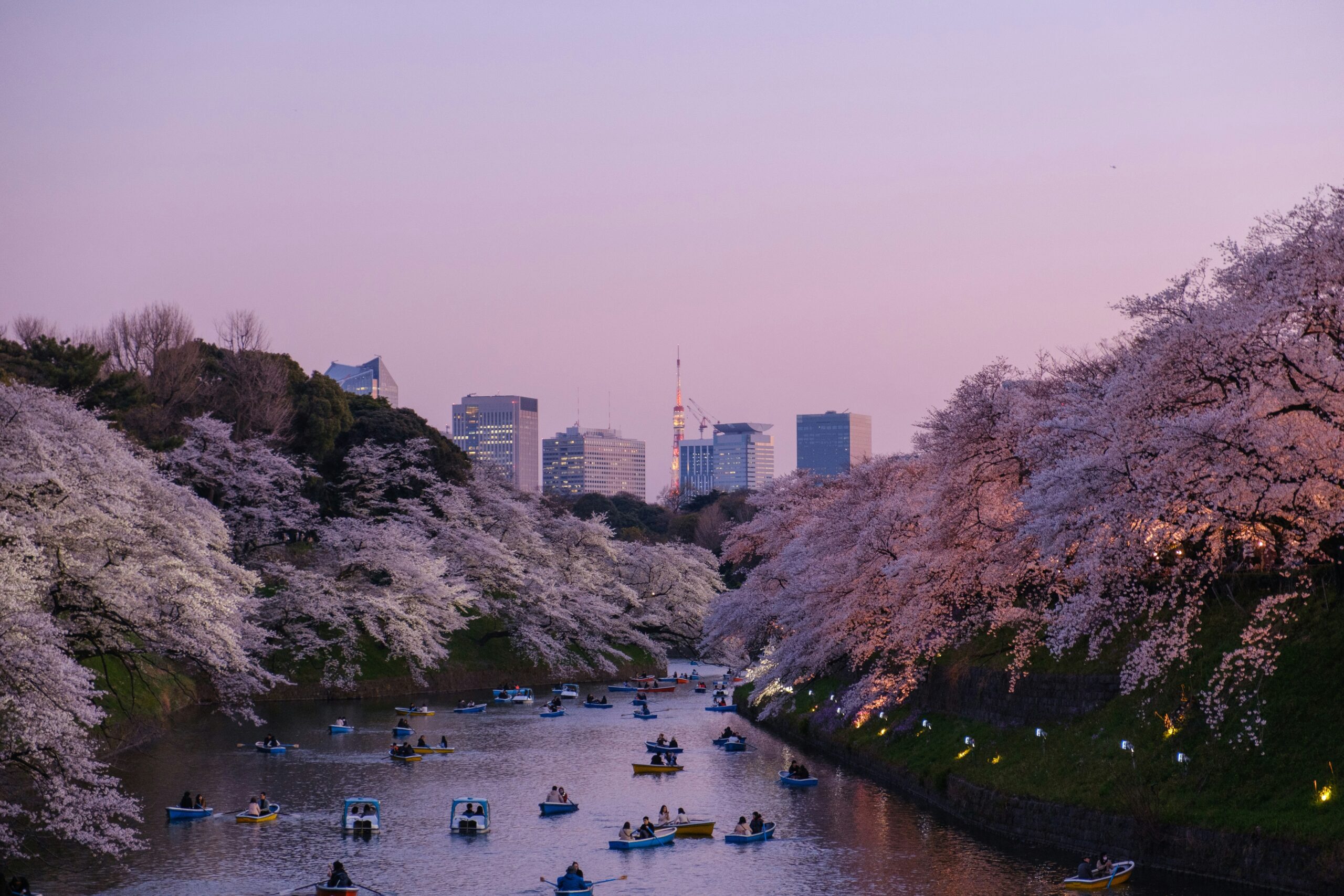
Our take: Five days lets Tokyo breathe. It gives room for mistakes, repeat visits, and slower meals, which is when the city starts to feel comfortable rather than impressive.

Travel tips to build your itinerary

Tokyo itineraries work best when they are structured but flexible. These tips help you design days that flow well, limit fatigue, and leave room for small adjustments without breaking the plan.

  • Plan by area: Group sights within the same neighborhood to avoid long transfers.
  • Use mornings wisely: Do temples, parks, and walks early before crowds build.
  • Limit daily anchors: One or two fixed activities per day is enough.
  • Avoid cross city jumps: Short distances on the map can take time in reality.
  • Balance intensity: Pair busy districts with calmer neighborhoods or parks.
  • Leave a flex slot: One open block per day absorbs weather or fatigue.
  • End days locally: Finish near where you are, not where you started.
  • Repeat areas on longer trips: Familiarity saves time and reduces planning stress.

FAQs

How many days do I really need to build a good Tokyo itinerary?

You can build a solid itinerary with as few as three days, but five to seven days works best for balance. Fewer days require stricter choices and tighter areas, while longer stays allow repetition, flexibility, and slower pacing without feeling rushed.

Should I plan every hour of each day in Tokyo?

No. Tokyo works best with structure, not rigidity. Plan one or two anchors per day and leave space between them. This absorbs queues, weather changes, and fatigue without forcing you to reshuffle the entire itinerary.

Is it better to plan by attraction or by neighborhood?

Always by neighborhood. Tokyo’s size means short map distances can hide long transfers. Grouping by area reduces travel time, lowers stress, and makes days feel coherent rather than fragmented.

Can I mix busy and calm areas in the same day?

Yes, and you should. Pair intense areas like Shibuya or Shinjuku with calmer places such as parks, shrines, or residential neighborhoods. This balance keeps energy steady and avoids burnout.

How much time should I allow for transportation each day?

If planned well, transport should feel secondary. Expect short train rides and walking between nearby stops. If you notice multiple long transfers in one day, the itinerary likely needs simplifying.

Is it realistic to add day trips to a Tokyo itinerary?

Yes, but selectively. One day trip fits well in a five to seven day plan. More than that usually comes at the expense of neighborhood depth and increases overall fatigue.

What should I do if the weather changes my plans?

This is why flexibility matters. Always have one indoor friendly option per day, such as museums, shopping streets, or covered areas. Avoid itineraries where weather breaks the entire structure.

Is it okay to repeat neighborhoods across days?

Absolutely. Repeating areas often improves the experience. Familiar routes save time, reduce mental load, and allow you to explore more deeply instead of constantly orienting yourself.

What is the most common itinerary mistake first time visitors make?

Trying to see too much. Overpacked days lead to constant movement and shallow experiences. Tokyo rewards fewer areas done well far more than ambitious checklists.

Tokyo itineraries (with examples)

Last updated on February 4, 2026

Intro

Planning a Tokyo itinerary feels structured in a good way. The city is huge, but it runs on clear systems, and once you respect them, days start to make sense. Areas connect logically, and moving around feels predictable rather than chaotic.


What works best is stacking compatible things together. Temples, shopping streets, food spots, and viewpoints often sit closer than they look on a map, making same-day combinations easy when planned by area. You spend less time in transit and more time actually experiencing the city.


A good Tokyo itinerary feels calm even on busy days. You cover a lot, but nothing feels forced. When the order is right, the city flows, and planning stops feeling like work and starts feeling satisfying.

[travel_quick_facts]

Essential and popular things to do

Tokyo’s essential experiences are the reference points that help everything else make sense. Walking through Shibuya Crossing, visiting Meiji Shrine, exploring Senso-ji in Asakusa, and seeing the city from above are not just highlights, they explain how scale, order, tradition, and speed coexist in daily life.

The most popular things to do build naturally from that base. Areas like Shinjuku at night and Harajuku streets show the city’s social energy, while experiences such as teamLab exhibitions and major museums add depth between walks. These places are busy because they consistently deliver, especially on a first visit.

Once you have these points in place, planning becomes easier. Essentials give context, popular experiences add texture, and quieter moments fall into place naturally. If you want to see how these fit together by area and by day, the full things to do guide goes deeper into grouping and pacing.

5 days itinerary

Five days is the sweet spot for a first Tokyo trip. It allows you to see the essentials, explore neighborhoods properly, and add depth without feeling rushed or overplanned. This structure keeps days logical and energy balanced.

Day 1 – Modern Tokyo and first impressions
Main focus: Shibuya Crossing, Meiji Shrine, Harajuku streets, Shinjuku at night

Start in Shibuya to experience the crossing and surrounding streets, then walk toward Harajuku and enter Meiji Shrine to reset the pace. Spend the afternoon exploring nearby streets without strict goals. In the evening, head to Shinjuku to see the station area, neon streets, and nightlife zones. This day establishes scale, movement, and contrast.

Day 2 – Tradition and historic Tokyo
Main focus: Asakusa, Senso-ji, Sumida area, Ueno Park or museums

Begin early in Asakusa to visit Senso-ji and walk the surrounding streets before crowds peak. Continue toward the Sumida River or Ueno for a park walk or one museum. Keep the afternoon flexible and the evening calm, eating close to where you finish the day.

Day 3 – Central Tokyo and polished districts
Main focus: Ginza, Tokyo Station area, Imperial Palace surroundings

Spend the morning in Ginza walking its main streets and side lanes. Continue toward Tokyo Station to explore the area and nearby architecture. If energy allows, walk around the Imperial Palace grounds. This day is slower, flatter, and works well as a reset between busier areas.

Day 4 – Neighborhood life and local Tokyo
Main focus: Shimokitazawa, Daikanyama, or Yanaka

Choose one or two neighborhoods with a local feel and spend most of the day walking, eating nearby, and browsing small shops. Avoid big attractions. This is where Tokyo feels most livable and personal. Add a viewpoint or short shopping stop late afternoon if you want structure.

Day 5 – Flexible highlight or day trip
Main focus: Extra neighborhoods, museums, or a short day trip

Use the final day to revisit an area you enjoyed, add a museum, or take a short trip to places like Kamakura or Nikko. Keep the schedule light and avoid packing the day, especially if traveling onward.
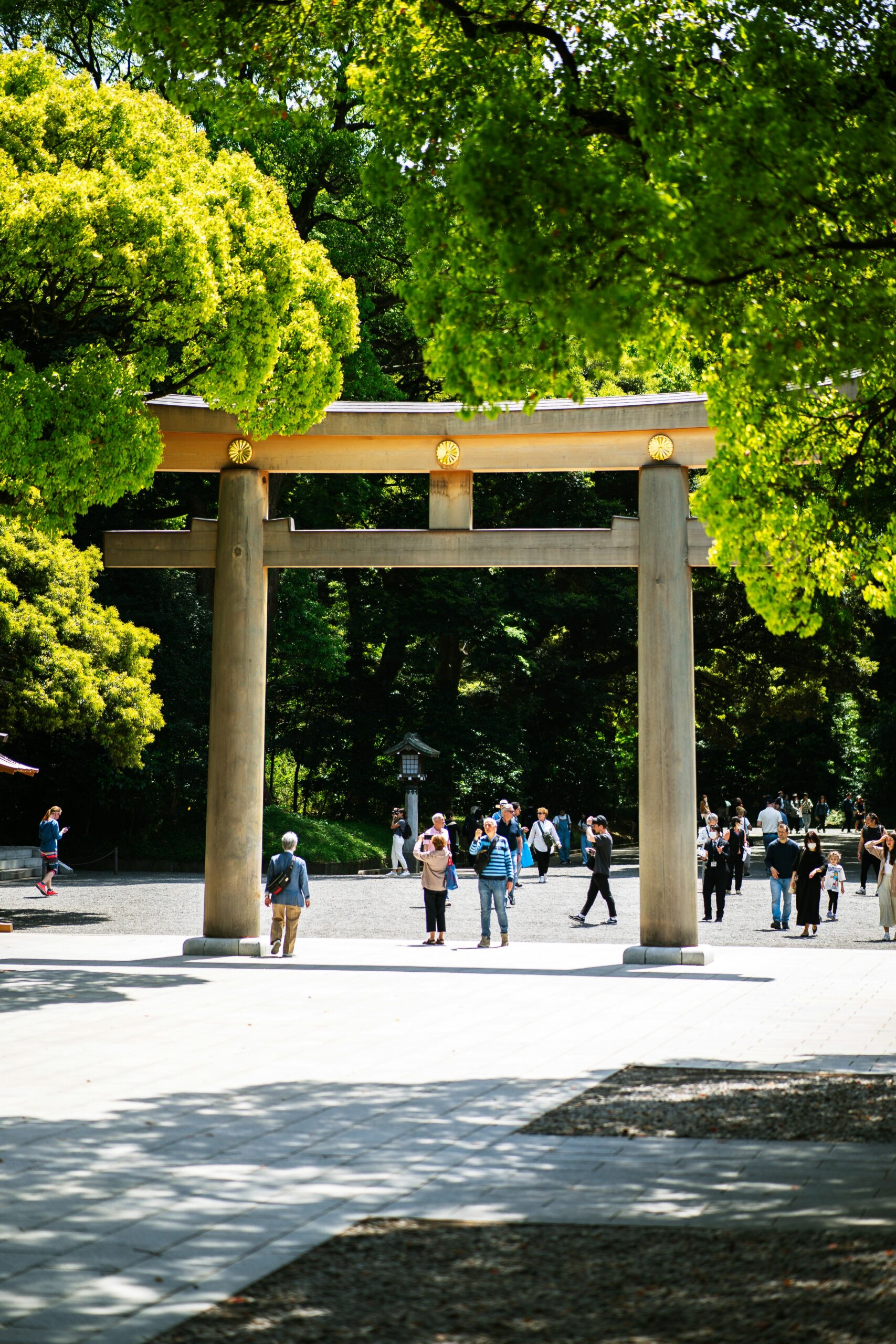
Our take: Five days lets Tokyo breathe. It gives room for mistakes, repeat visits, and slower meals, which is when the city starts to feel comfortable rather than impressive.

Travel tips to build your itinerary

Tokyo itineraries work best when they are structured but flexible. These tips help you design days that flow well, limit fatigue, and leave room for small adjustments without breaking the plan.

  • Plan by area: Group sights within the same neighborhood to avoid long transfers.
  • Use mornings wisely: Do temples, parks, and walks early before crowds build.
  • Limit daily anchors: One or two fixed activities per day is enough.
  • Avoid cross city jumps: Short distances on the map can take time in reality.
  • Balance intensity: Pair busy districts with calmer neighborhoods or parks.
  • Leave a flex slot: One open block per day absorbs weather or fatigue.
  • End days locally: Finish near where you are, not where you started.
  • Repeat areas on longer trips: Familiarity saves time and reduces planning stress.

FAQs

How many days do I really need to build a good Tokyo itinerary?

You can build a solid itinerary with as few as three days, but five to seven days works best for balance. Fewer days require stricter choices and tighter areas, while longer stays allow repetition, flexibility, and slower pacing without feeling rushed.

Should I plan every hour of each day in Tokyo?

No. Tokyo works best with structure, not rigidity. Plan one or two anchors per day and leave space between them. This absorbs queues, weather changes, and fatigue without forcing you to reshuffle the entire itinerary.

Is it better to plan by attraction or by neighborhood?

Always by neighborhood. Tokyo’s size means short map distances can hide long transfers. Grouping by area reduces travel time, lowers stress, and makes days feel coherent rather than fragmented.

Can I mix busy and calm areas in the same day?

Yes, and you should. Pair intense areas like Shibuya or Shinjuku with calmer places such as parks, shrines, or residential neighborhoods. This balance keeps energy steady and avoids burnout.

How much time should I allow for transportation each day?

If planned well, transport should feel secondary. Expect short train rides and walking between nearby stops. If you notice multiple long transfers in one day, the itinerary likely needs simplifying.

Is it realistic to add day trips to a Tokyo itinerary?

Yes, but selectively. One day trip fits well in a five to seven day plan. More than that usually comes at the expense of neighborhood depth and increases overall fatigue.

What should I do if the weather changes my plans?

This is why flexibility matters. Always have one indoor friendly option per day, such as museums, shopping streets, or covered areas. Avoid itineraries where weather breaks the entire structure.

Is it okay to repeat neighborhoods across days?

Absolutely. Repeating areas often improves the experience. Familiar routes save time, reduce mental load, and allow you to explore more deeply instead of constantly orienting yourself.

What is the most common itinerary mistake first time visitors make?

Trying to see too much. Overpacked days lead to constant movement and shallow experiences. Tokyo rewards fewer areas done well far more than ambitious checklists.

HELP US IMPROVE

How likely are you to recommend Know to Travel to a friend or fellow traveler?

Not likely at all
Extremely likely