London itineraries (with examples)

Last updated on February 4, 2026

Intro

Building an itinerary in London is about structure, not pressure. The city is dense, well connected, and full of clusters where several major sights sit close enough to do in the same day without rushing.


What it feels like is choosing anchors, then filling around them. A morning in Westminster naturally links to the South Bank. Soho, Covent Garden, and nearby museums slot together easily. Parks act as resets, not detours.


A good London itinerary balances walking and short transport hops, mixes heavy sights with lighter moments, and accepts that you will not see everything. The city rewards clear choices more than ambition.

Map

London is easier to plan once you see how clearly it is organized. Most first time itineraries focus on Central London, where major sights cluster along the Thames and distances are shorter than they feel on paper. Westminster, the South Bank, Covent Garden, Soho, and Trafalgar Square form a dense core that works well on foot with short Tube links.


The river is the main geographic reference. Many landmarks line it or sit one stop away, which makes it simple to group days east to west. Westminster pairs naturally with the South Bank. London Bridge, Borough Market, and Tower Bridge fit together. Crossing the river often means changing atmosphere, not travel effort.


Outside the center, neighborhoods spread logically. West London is greener and slower, East London more creative and casual, North London more residential. Public transport is radial and frequent, so day plans work best when you avoid zigzagging and commit to one side of the city per day.

Essential and popular things to do

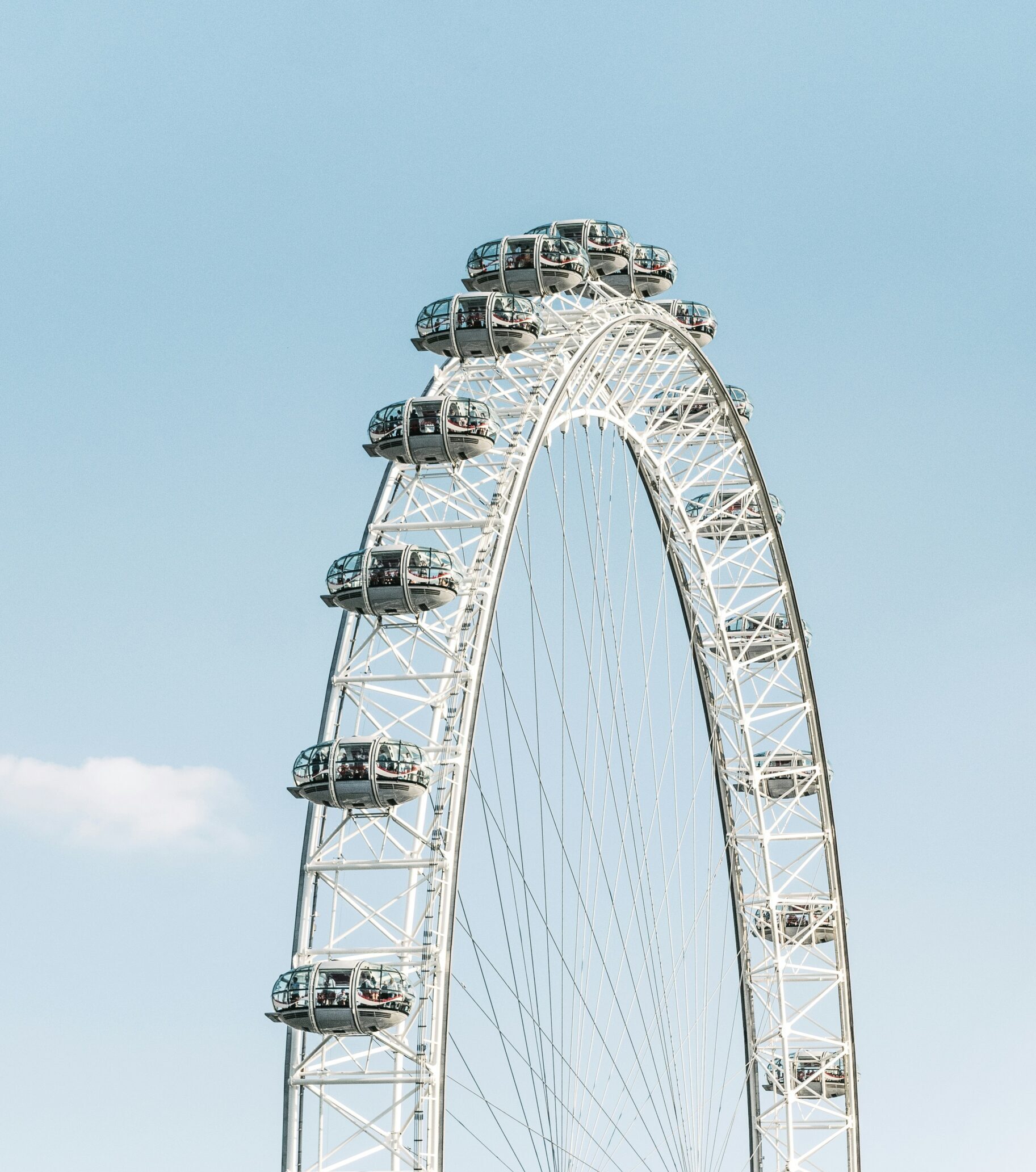
London’s essentials are concentrated and surprisingly walkable. Areas like Westminster, the South Bank, and Covent Garden let you see landmarks such as Big Ben, Westminster Abbey, and the London Eye in the same stretch of the day, with the river acting as a natural guide between them.

Beyond the icons, the most popular experiences tend to be simple and repeatable. Borough Market for lunch, Camden for markets and street life, Notting Hill for slower wandering, and museums like the British Museum or Tate Modern fill gaps without forcing the schedule. These are places people naturally drift toward once the big sights are done.

The key is knowing what deserves time and what works better as a short stop. If you want a clearer breakdown of what to prioritize and how to group these experiences, you can dive deeper in our full things to do guide, which lays everything out by area and interest.

How long to stay

London rewards time, but it also punishes overpacked days. The right length depends on how deep you want to go and whether you plan to add day trips.


  • 2–3 days: Enough to see the main landmarks, walk central areas, and get a first feel. Fast paced, limited museums, little room for neighborhoods or slow meals.
  • 4–5 days: The sweet spot for most travelers. Covers essentials, popular areas, a few museums, and relaxed evenings without constant rushing.
  • 6–7 days: Allows deeper neighborhood exploration, more museums, and one or two day trips like Windsor or Bath, with a noticeably calmer rhythm.

If this is your first visit, aim for balance. London works best when you mix dense sightseeing days with lighter ones. Staying longer mainly buys you comfort, not entirely new highlights.

3 days itinerary

Three days in London is about clarity and flow. This itinerary keeps travel tight, mixes landmarks with atmosphere, and shows how much you can see without turning days into checklists.


Day 1 - Westminster and the Thames

Main focus: Core landmarks and river walk


Start around Westminster to see Big Ben, Parliament, and Westminster Abbey while everything is still close and legible. Cross to the South Bank for a slower pace, walking past the London Eye and along the river. This stretch helps you understand the city’s scale without using transport. Have lunch near the river, then continue toward Trafalgar Square or Covent Garden. End the day with a relaxed dinner nearby or a West End show if energy allows.


Day 2 - Culture, markets, and neighborhoods

Main focus: Museums, food, and everyday London


Begin with a major museum like the British Museum or Tate Modern, keeping the morning focused and indoors. Head to Borough Market or Soho for a flexible lunch. Use the afternoon to explore a neighborhood such as Soho, Covent Garden, or Notting Hill, depending on mood. This is a lighter walking day with time for shops, cafés, and casual wandering. Dinner works best near where you end up.


Day 3 - East or West London contrast

Main focus: Local areas and green space

Choose one side of the city. Go east for Tower Bridge, the Tower of London, and a walk toward Shoreditch, or west for Hyde Park, Kensington, and Notting Hill. This day adds contrast and breathing room. Build it around fewer stops, include a park break, and finish with a pub meal or low key evening.

Our take: In three days, resist the urge to cover everything. A clear center, one cultural day, and one contrast day is enough to leave London feeling complete.

5 days itinerary

Five days lets London breathe. You can cover the essentials, add depth, and still move at a pace that feels human rather than reactive.

Day 1 – Westminster and the river
Main focus: Core landmarks and city orientation

Start in Westminster to see Big Ben, Parliament, and Westminster Abbey while everything is close and readable. Walk across the bridge to the South Bank and follow the Thames past the London Eye. This day is about understanding scale and layout. Keep transport minimal, eat near the river, and end centrally so the city feels familiar from the start.

Day 2 – Museums and central neighborhoods
Main focus: Major museums and walkable districts

Dedicate the morning to one major museum, either the British Museum or Tate Modern, and avoid stacking more than one. After lunch, explore nearby areas like Covent Garden or Soho, mixing shops, cafés, and street life. This is a flexible day that absorbs delays without stress and works well for a theatre evening.

Day 3 – East London and markets
Main focus: Historic sites, food markets, and creative areas

Begin around Tower Bridge and the Tower of London, then head toward Borough Market for lunch. The afternoon works well exploring Shoreditch or nearby streets, with street art and casual stops. This day shows London’s contrast between history and modern energy without heavy transport.

Day 4 – Parks and West London
Main focus: Green spaces and slower neighborhoods

Spend the morning in Hyde Park and Kensington, using the space to reset pace. Continue toward Notting Hill for relaxed walking, small shops, and an unstructured afternoon. This is a lighter day that balances the denser earlier ones and avoids museum fatigue.

Day 5 – Choice day or day trip
Main focus: Personal interests or short escape

Use the final day based on energy. Stay in the city for Greenwich, Camden, or another museum, or take a simple day trip like Windsor. Keep plans light and finish near your accommodation to avoid last day stress.

Travel tips to build your itinerary

London rewards clear structure and realistic pacing. These tips help you build days that flow well without constant replanning.

  • Plan by area: Group sights geographically to avoid crossing the city repeatedly
  • Anchor each day: Choose one main sight, then build lighter stops around it
  • Mix walking and transport: Walk short distances, Tube for bigger jumps
  • Limit museums: One major museum per day is usually enough
  • Use parks as breaks: Green spaces reset energy between dense areas
  • Start early, finish earlier: Crowds build fast and evenings close sooner
  • Leave buffers: London delays happen, empty space keeps plans intact
  • Avoid zigzagging: East one day, west another, not both
  • Book fixed items first: Shows and timed tickets shape the rest of the day

FAQs

How many attractions should I plan per day in London?

Most days work best with one major attraction and two or three lighter stops. London distances, queues, and transport add friction. Planning too much usually leads to cutting things on the go rather than enjoying them.

Is it realistic to walk most of the time?

Yes in central areas. Many key sights are closer than they appear. Walking often saves time over short Tube rides and gives better context, but use public transport for bigger jumps across the city.

Should I plan museums in advance?

Yes for timing, not content. Decide which museum and which part of the day, but avoid overplanning exhibits. Museums in London are large and tiring if treated like checklists.

Are day trips worth it on a first visit?

Only if you stay five days or more. Day trips add contrast but also consume energy. For shorter stays, London itself offers enough variety without leaving the city.

What is the best area to stay to simplify itineraries?

Central areas near Westminster, Covent Garden, or Soho reduce daily travel. Being well connected matters more than being near a specific sight.

How do I avoid overcrowded places?

Go early, especially to landmarks and markets. Weekdays are calmer. Avoid stacking popular spots in the same afternoon when crowds peak.

Should I prebook transport or tours?

Prebook fixed experiences like shows or popular tours. Everyday transport works better paid as you go, keeping plans flexible.

How much buffer time should I add?

More than you think. Add at least one open slot per day. It absorbs delays, queues, weather, or spontaneous detours without stress.

Can I build an itinerary without booking much in advance?

Yes, if you stay flexible. London supports last minute planning well, but you may miss high demand attractions or ideal time slots.

London itineraries (with examples)

Last updated on February 4, 2026

Intro

Building an itinerary in London is about structure, not pressure. The city is dense, well connected, and full of clusters where several major sights sit close enough to do in the same day without rushing.


What it feels like is choosing anchors, then filling around them. A morning in Westminster naturally links to the South Bank. Soho, Covent Garden, and nearby museums slot together easily. Parks act as resets, not detours.


A good London itinerary balances walking and short transport hops, mixes heavy sights with lighter moments, and accepts that you will not see everything. The city rewards clear choices more than ambition.

[travel_quick_facts]

Essential and popular things to do

London’s essentials are concentrated and surprisingly walkable. Areas like Westminster, the South Bank, and Covent Garden let you see landmarks such as Big Ben, Westminster Abbey, and the London Eye in the same stretch of the day, with the river acting as a natural guide between them.

Beyond the icons, the most popular experiences tend to be simple and repeatable. Borough Market for lunch, Camden for markets and street life, Notting Hill for slower wandering, and museums like the British Museum or Tate Modern fill gaps without forcing the schedule. These are places people naturally drift toward once the big sights are done.

The key is knowing what deserves time and what works better as a short stop. If you want a clearer breakdown of what to prioritize and how to group these experiences, you can dive deeper in our full things to do guide, which lays everything out by area and interest.

5 days itinerary

Five days lets London breathe. You can cover the essentials, add depth, and still move at a pace that feels human rather than reactive.

Day 1 – Westminster and the river
Main focus: Core landmarks and city orientation

Start in Westminster to see Big Ben, Parliament, and Westminster Abbey while everything is close and readable. Walk across the bridge to the South Bank and follow the Thames past the London Eye. This day is about understanding scale and layout. Keep transport minimal, eat near the river, and end centrally so the city feels familiar from the start.

Day 2 – Museums and central neighborhoods
Main focus: Major museums and walkable districts

Dedicate the morning to one major museum, either the British Museum or Tate Modern, and avoid stacking more than one. After lunch, explore nearby areas like Covent Garden or Soho, mixing shops, cafés, and street life. This is a flexible day that absorbs delays without stress and works well for a theatre evening.

Day 3 – East London and markets
Main focus: Historic sites, food markets, and creative areas

Begin around Tower Bridge and the Tower of London, then head toward Borough Market for lunch. The afternoon works well exploring Shoreditch or nearby streets, with street art and casual stops. This day shows London’s contrast between history and modern energy without heavy transport.

Day 4 – Parks and West London
Main focus: Green spaces and slower neighborhoods

Spend the morning in Hyde Park and Kensington, using the space to reset pace. Continue toward Notting Hill for relaxed walking, small shops, and an unstructured afternoon. This is a lighter day that balances the denser earlier ones and avoids museum fatigue.

Day 5 – Choice day or day trip
Main focus: Personal interests or short escape

Use the final day based on energy. Stay in the city for Greenwich, Camden, or another museum, or take a simple day trip like Windsor. Keep plans light and finish near your accommodation to avoid last day stress.
Travel tips to build your itinerary

London rewards clear structure and realistic pacing. These tips help you build days that flow well without constant replanning.

  • Plan by area: Group sights geographically to avoid crossing the city repeatedly
  • Anchor each day: Choose one main sight, then build lighter stops around it
  • Mix walking and transport: Walk short distances, Tube for bigger jumps
  • Limit museums: One major museum per day is usually enough
  • Use parks as breaks: Green spaces reset energy between dense areas
  • Start early, finish earlier: Crowds build fast and evenings close sooner
  • Leave buffers: London delays happen, empty space keeps plans intact
  • Avoid zigzagging: East one day, west another, not both
  • Book fixed items first: Shows and timed tickets shape the rest of the day

FAQs

How many attractions should I plan per day in London?

Most days work best with one major attraction and two or three lighter stops. London distances, queues, and transport add friction. Planning too much usually leads to cutting things on the go rather than enjoying them.

Is it realistic to walk most of the time?

Yes in central areas. Many key sights are closer than they appear. Walking often saves time over short Tube rides and gives better context, but use public transport for bigger jumps across the city.

Should I plan museums in advance?

Yes for timing, not content. Decide which museum and which part of the day, but avoid overplanning exhibits. Museums in London are large and tiring if treated like checklists.

Are day trips worth it on a first visit?

Only if you stay five days or more. Day trips add contrast but also consume energy. For shorter stays, London itself offers enough variety without leaving the city.

What is the best area to stay to simplify itineraries?

Central areas near Westminster, Covent Garden, or Soho reduce daily travel. Being well connected matters more than being near a specific sight.

How do I avoid overcrowded places?

Go early, especially to landmarks and markets. Weekdays are calmer. Avoid stacking popular spots in the same afternoon when crowds peak.

Should I prebook transport or tours?

Prebook fixed experiences like shows or popular tours. Everyday transport works better paid as you go, keeping plans flexible.

How much buffer time should I add?

More than you think. Add at least one open slot per day. It absorbs delays, queues, weather, or spontaneous detours without stress.

Can I build an itinerary without booking much in advance?

Yes, if you stay flexible. London supports last minute planning well, but you may miss high demand attractions or ideal time slots.

HELP US IMPROVE

How likely are you to recommend Know to Travel to a friend or fellow traveler?

Not likely at all
Extremely likely