Los Angeles itineraries (with examples)

Last updated on February 5, 2026

Intro

Building an itinerary in Los Angeles feels less like lining things up and more like choosing lanes. You start with one anchor, then let the day stretch around it. Same-day landmarks work best when they share geography, not theme.


The city rewards loose structure. You can stack a morning and a late afternoon easily, but the middle of the day often decides itself. Traffic, light, and energy matter as much as opening hours.


A good LA itinerary leaves room to stop early, change direction, or stay longer than planned. When days are shaped by areas instead of checklists, everything feels simpler and more enjoyable.

Map

Los Angeles only makes sense once you see it on a map. Distances are large, but more importantly, they are uneven. What looks close often is not, and areas that feel unrelated can sit side by side. Planning by geography matters more here than planning by attraction type.


The map helps you see natural clusters. The coast runs west to east with very different rhythms. Central areas concentrate museums and dense neighborhoods. The hills cut through everything and change travel times fast. Downtown sits apart, closer than it looks but rarely combined casually with the beach.


Use the map to build days around zones, not routes. If places line up visually, they usually work together. If they pull your eye across the city, they probably do not. Seeing this early avoids days lost to driving instead of doing.

Essential and popular things to do in Los Angeles

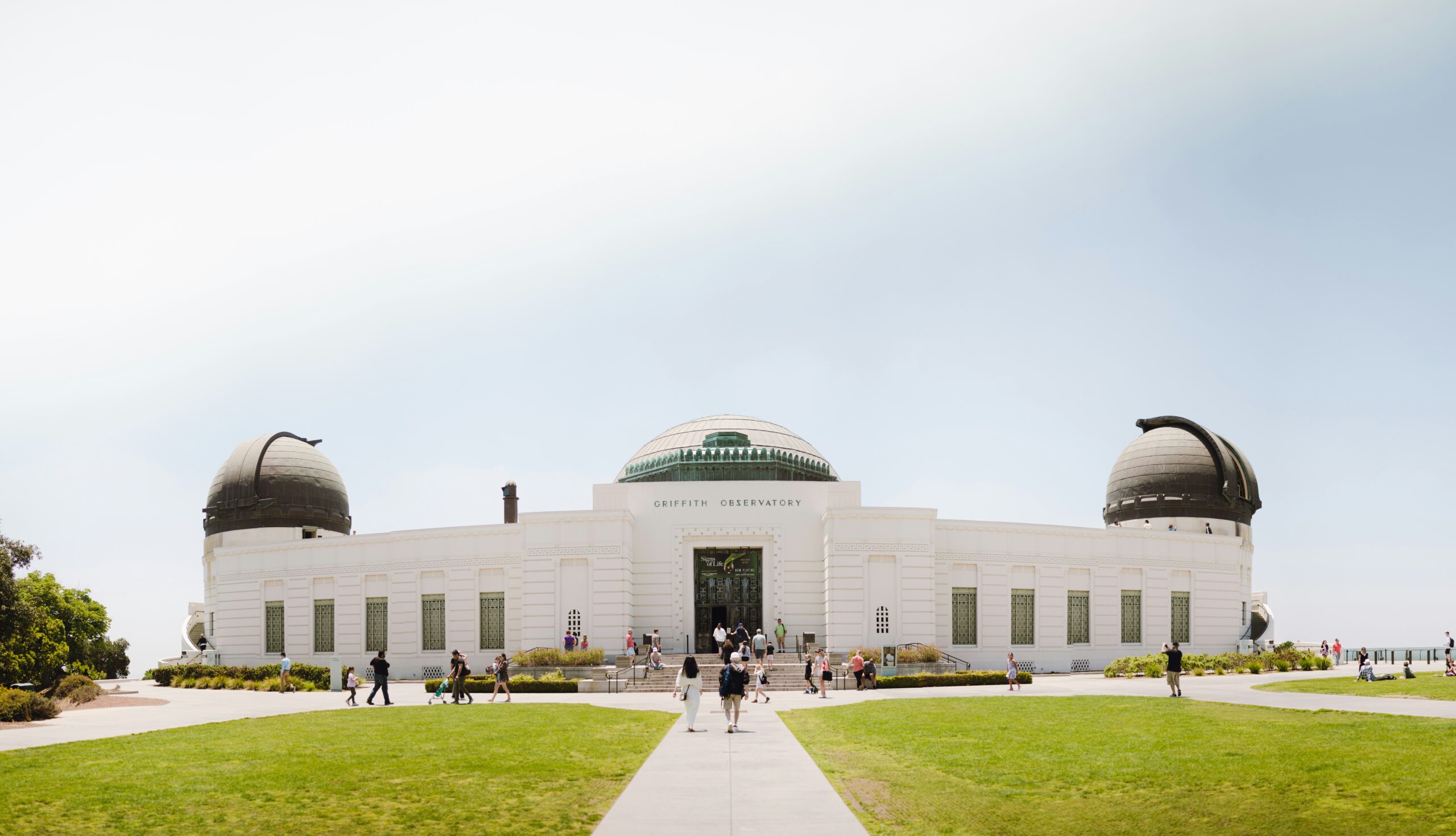
For a first visit, Los Angeles is about contrast more than volume. You cannot skip the moments that explain the city’s scale and pace. Griffith Observatory at sunset, a stretch of coast near Santa Monica, and time in the Hollywood Hills give you context fast and anchor everything else.

After that, popular stops help round out the picture. Places like Venice Beach, Downtown LA, or a half-day at Universal Studios Hollywood add texture and variety without requiring deep planning. These work best when treated as half-days, paired with nearby meals and short drives.

If you want a clearer breakdown of what fits together, what to prioritize, and what to skip based on time and interests, it helps to look at the full Things to Do guide. It expands on these essentials and shows how they connect across days.

Our take: Do the essentials early, add one or two popular stops, and stop there. LA feels better when you leave space instead of chasing completeness.

How long to stay

Los Angeles does not reward rushing. The right length depends less on how much you want to see and more on how much driving and decision-making you want to tolerate each day.


  • 2–3 days: Enough for first impressions and core sights, but days feel compressed. You will see contrast, yet spend a high share of time moving between areas rather than settling into any rhythm.
  • 4–5 days: The most balanced option for a first trip. Allows one coastal day, one hills or views day, one culture or theme park day, plus flexibility to adjust without stress.
  • 6–7 days: Ideal if you want depth or a slower pace. You can add a day trip, repeat a favorite area, and leave buffers for traffic or weather without sacrificing core experiences.
  • 8+ days: Works only if you enjoy routine and variation. Best for mixing sightseeing with downtime, beaches, or remote work. Without that, extra days can feel redundant.

A good stay leaves you curious, not exhausted. If your days start to revolve around driving logistics, the trip is too short. If they feel repetitive, it is too long.

3 days itinerary

This is a concrete, first-time itinerary built around places that actually fit together. Each day is geographically tight and realistic, with specific stops most visitors will recognize and enjoy.


Day 1 - Griffith, Hollywood, and sunset views

Main focus: City overview from above, Hollywood context, and sunset viewpoints


Start the day with a drive up to Griffith Observatory to get an early sense of the city’s scale while visibility is clear. Walk the terraces and take in views toward downtown and the basin. From there, drive through the surrounding residential roads and continue toward Hollywood. Spend a short, intentional visit around Hollywood Boulevard to understand its role and reality, then move away before it feels repetitive. End the day back near Griffith for sunset, when the city lights and layout finally make sense.


Day 2 - Santa Monica and Venice

Main focus: Beachfront areas, walkable zones, and everyday outdoor life


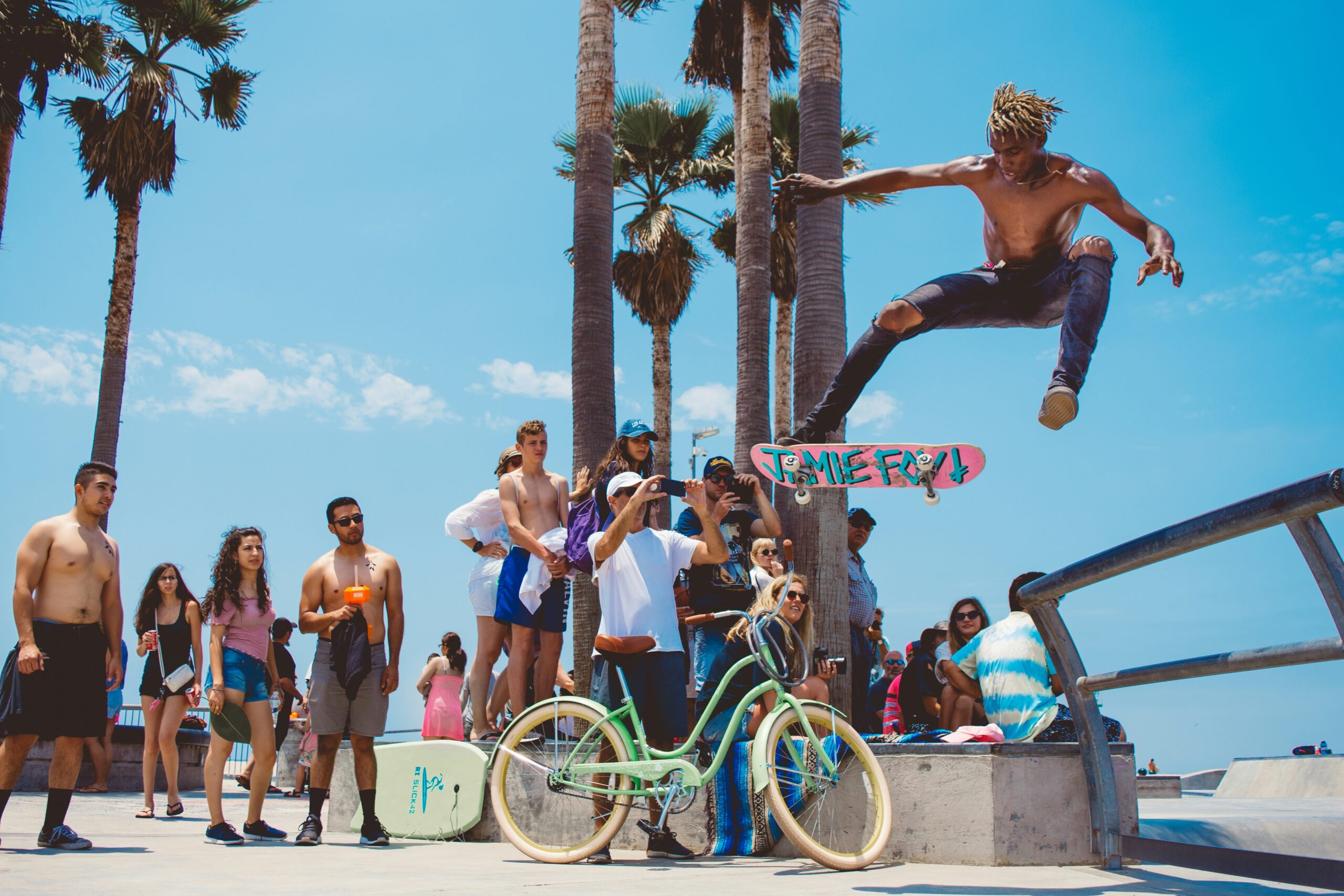
Begin the morning near Santa Monica Pier, then walk along the beach paths while it is still calm. Continue south toward Venice Beach, spending time on the boardwalk and nearby streets rather than rushing through. This day is about walking, stopping for food nearby, and watching how locals use the space. Keep driving minimal and finish earlier in the evening to avoid west-to-east traffic.


Day 3 - Getty Center, Beverly Hills, and West Hollywood

Main focus: Museums, polished neighborhoods, and well-known dining areas

Start the day at Getty Center, allowing enough time to see both the art and the views without rushing. Afterward, head toward Beverly Hills for a short walk and lunch. In the afternoon, move into West Hollywood for a relaxed stroll and an early dinner. Keep the evening flexible rather than adding another major stop.

5 days itinerary

This 5-day plan adds depth without losing clarity. Days are built around specific places that sit well together, with enough space to adjust if traffic or energy shifts.

Day 1 – Griffith Observatory and Hollywood
Main focus: City overview from Griffith Observatory and first contact with Hollywood

Start the day at Griffith Observatory while visibility is clear. Walk the terraces, take in views toward Downtown LA and the Hollywood Sign, and spend time understanding the city’s layout. From there, drive through Los Feliz toward Hollywood Boulevard. Walk a short stretch of the Walk of Fame to understand its role and limits, then leave before it becomes repetitive. End the day back near Griffith Park or nearby neighborhoods for an easy dinner rather than crossing the city again.

Day 2 – Santa Monica and Venice Beach
Main focus: Santa Monica Pier, beach paths, and Venice boardwalk

Begin early at Santa Monica Pier, then walk south along the beach path toward Venice. Spend time on the Venice Beach boardwalk and surrounding streets, stopping for food nearby rather than planning a sit-down meal far away. Keep the day mostly on foot and bike paths, with minimal driving. Finish in Venice or Santa Monica before late afternoon traffic builds inland.

Day 3 – Getty Center and Beverly Hills
Main focus: Getty Center museum visit and Beverly Hills streets

Dedicate the morning to the Getty Center, allowing time for both galleries and outdoor terraces. Avoid rushing and choose a few sections rather than the entire museum. After lunch nearby, drive toward Beverly Hills. Walk Rodeo Drive and adjacent streets briefly to see the area’s layout and atmosphere. Keep the afternoon light and end the day with dinner close to where you are staying.

Day 4 – Downtown LA and Arts District
Main focus: Downtown museums, historic buildings, and food stops

Start the day in Downtown Los Angeles. Walk through areas around Grand Central Market, the Bradbury Building, and nearby streets to experience a denser side of the city. Choose one museum or cultural stop rather than stacking several. After lunch, continue toward the Arts District for a slower afternoon with short walks and coffee stops. Leave Downtown before evening traffic peaks if you are staying elsewhere.

Day 5 – Malibu coastal drive
Main focus: Pacific Coast Highway drive and Malibu stops

Use the final day for a focused coastal drive toward Malibu. Follow the Pacific Coast Highway, stopping at beaches or viewpoints that feel natural rather than chasing a list. Keep plans flexible and avoid trying to see everything. Have lunch along the coast, then return to the city mid-afternoon to avoid the worst traffic. This day works best as a reset rather than a packed schedule.

Travel tips to build your itinerary

Los Angeles itineraries work when you reduce decisions, not when you stack highlights. These rules help days flow without constant recalculation.

  • Plan by area: If places are far apart on the map, they do not belong in the same day.
  • One anchor per day: Choose one main stop, everything else should support it.
  • Start early: Mornings have less traffic and clearer views.
  • Avoid cross-city evenings: Late drives drain energy fast.
  • Limit big drives: One long drive per day is usually the maximum.
  • Build exit points: Know where you can stop early if energy drops.
  • Repeat rhythms: If a day works, reuse its structure later.
  • Leave gaps: Empty time absorbs traffic, queues, and surprises.

FAQs

How many activities should I plan per day in Los Angeles?

Most days work best with one main activity and one or two nearby additions. Traffic, parking, and distance add friction quickly, so stacking more usually reduces enjoyment. If everything fits within one area, you can add more, but only after the day is already working.

Is it better to plan days strictly or keep them flexible?

A loose structure works best. Fix one anchor per day, then keep the rest optional. This allows you to adjust for traffic, weather, or energy without feeling behind. Fully rigid plans tend to collapse as soon as one stop takes longer than expected.

Should I group days by theme or by location?

Always by location. A museum day and a beach day can work, but only if they are close. The map matters more than the type of activity. Days built around geography consistently feel calmer and more productive.

What is the biggest itinerary mistake first-time visitors make?

Trying to cross the city multiple times in one day. What looks reasonable on paper often turns into hours in traffic. If a plan requires driving from west to east and back again, it is usually flawed.

Do I need a car to follow most itineraries?

For most travelers, yes. A car gives control over timing and exit points, which is crucial in Los Angeles. Without one, itineraries must stay within fewer neighborhoods and allow more buffer time for rides.

When should I schedule outdoor or viewpoint activities?

Early in the day. Mornings have clearer light, cooler temperatures, and fewer crowds. Waiting until late afternoon often means haze, traffic, and limited parking, especially in popular areas.

Is it realistic to add day trips into a short stay?

Only if the stay is five days or more. With fewer days, day trips usually replace core city understanding rather than complement it. If you do add one, treat it as the only focus of that day.

How do I know when to stop adding things to my itinerary?

When your plan leaves no room to finish early. A good itinerary has built-in exits and optional stops. If every hour is filled, the day will feel stressful even if everything goes according to plan.

Los Angeles itineraries (with examples)

Last updated on February 5, 2026

Intro

Building an itinerary in Los Angeles feels less like lining things up and more like choosing lanes. You start with one anchor, then let the day stretch around it. Same-day landmarks work best when they share geography, not theme.


The city rewards loose structure. You can stack a morning and a late afternoon easily, but the middle of the day often decides itself. Traffic, light, and energy matter as much as opening hours.


A good LA itinerary leaves room to stop early, change direction, or stay longer than planned. When days are shaped by areas instead of checklists, everything feels simpler and more enjoyable.

[travel_quick_facts]

Essential and popular things to do in Los Angeles

For a first visit, Los Angeles is about contrast more than volume. You cannot skip the moments that explain the city’s scale and pace. Griffith Observatory at sunset, a stretch of coast near Santa Monica, and time in the Hollywood Hills give you context fast and anchor everything else.

After that, popular stops help round out the picture. Places like Venice Beach, Downtown LA, or a half-day at Universal Studios Hollywood add texture and variety without requiring deep planning. These work best when treated as half-days, paired with nearby meals and short drives.

If you want a clearer breakdown of what fits together, what to prioritize, and what to skip based on time and interests, it helps to look at the full Things to Do guide. It expands on these essentials and shows how they connect across days.

Our take: Do the essentials early, add one or two popular stops, and stop there. LA feels better when you leave space instead of chasing completeness.

5 days itinerary

This 5-day plan adds depth without losing clarity. Days are built around specific places that sit well together, with enough space to adjust if traffic or energy shifts.

Day 1 – Griffith Observatory and Hollywood
Main focus: City overview from Griffith Observatory and first contact with Hollywood

Start the day at Griffith Observatory while visibility is clear. Walk the terraces, take in views toward Downtown LA and the Hollywood Sign, and spend time understanding the city’s layout. From there, drive through Los Feliz toward Hollywood Boulevard. Walk a short stretch of the Walk of Fame to understand its role and limits, then leave before it becomes repetitive. End the day back near Griffith Park or nearby neighborhoods for an easy dinner rather than crossing the city again.

Day 2 – Santa Monica and Venice Beach
Main focus: Santa Monica Pier, beach paths, and Venice boardwalk

Begin early at Santa Monica Pier, then walk south along the beach path toward Venice. Spend time on the Venice Beach boardwalk and surrounding streets, stopping for food nearby rather than planning a sit-down meal far away. Keep the day mostly on foot and bike paths, with minimal driving. Finish in Venice or Santa Monica before late afternoon traffic builds inland.

Day 3 – Getty Center and Beverly Hills
Main focus: Getty Center museum visit and Beverly Hills streets

Dedicate the morning to the Getty Center, allowing time for both galleries and outdoor terraces. Avoid rushing and choose a few sections rather than the entire museum. After lunch nearby, drive toward Beverly Hills. Walk Rodeo Drive and adjacent streets briefly to see the area’s layout and atmosphere. Keep the afternoon light and end the day with dinner close to where you are staying.

Day 4 – Downtown LA and Arts District
Main focus: Downtown museums, historic buildings, and food stops

Start the day in Downtown Los Angeles. Walk through areas around Grand Central Market, the Bradbury Building, and nearby streets to experience a denser side of the city. Choose one museum or cultural stop rather than stacking several. After lunch, continue toward the Arts District for a slower afternoon with short walks and coffee stops. Leave Downtown before evening traffic peaks if you are staying elsewhere.

Day 5 – Malibu coastal drive
Main focus: Pacific Coast Highway drive and Malibu stops

Use the final day for a focused coastal drive toward Malibu. Follow the Pacific Coast Highway, stopping at beaches or viewpoints that feel natural rather than chasing a list. Keep plans flexible and avoid trying to see everything. Have lunch along the coast, then return to the city mid-afternoon to avoid the worst traffic. This day works best as a reset rather than a packed schedule.
Travel tips to build your itinerary

Los Angeles itineraries work when you reduce decisions, not when you stack highlights. These rules help days flow without constant recalculation.

  • Plan by area: If places are far apart on the map, they do not belong in the same day.
  • One anchor per day: Choose one main stop, everything else should support it.
  • Start early: Mornings have less traffic and clearer views.
  • Avoid cross-city evenings: Late drives drain energy fast.
  • Limit big drives: One long drive per day is usually the maximum.
  • Build exit points: Know where you can stop early if energy drops.
  • Repeat rhythms: If a day works, reuse its structure later.
  • Leave gaps: Empty time absorbs traffic, queues, and surprises.

FAQs

How many activities should I plan per day in Los Angeles?

Most days work best with one main activity and one or two nearby additions. Traffic, parking, and distance add friction quickly, so stacking more usually reduces enjoyment. If everything fits within one area, you can add more, but only after the day is already working.

Is it better to plan days strictly or keep them flexible?

A loose structure works best. Fix one anchor per day, then keep the rest optional. This allows you to adjust for traffic, weather, or energy without feeling behind. Fully rigid plans tend to collapse as soon as one stop takes longer than expected.

Should I group days by theme or by location?

Always by location. A museum day and a beach day can work, but only if they are close. The map matters more than the type of activity. Days built around geography consistently feel calmer and more productive.

What is the biggest itinerary mistake first-time visitors make?

Trying to cross the city multiple times in one day. What looks reasonable on paper often turns into hours in traffic. If a plan requires driving from west to east and back again, it is usually flawed.

Do I need a car to follow most itineraries?

For most travelers, yes. A car gives control over timing and exit points, which is crucial in Los Angeles. Without one, itineraries must stay within fewer neighborhoods and allow more buffer time for rides.

When should I schedule outdoor or viewpoint activities?

Early in the day. Mornings have clearer light, cooler temperatures, and fewer crowds. Waiting until late afternoon often means haze, traffic, and limited parking, especially in popular areas.

Is it realistic to add day trips into a short stay?

Only if the stay is five days or more. With fewer days, day trips usually replace core city understanding rather than complement it. If you do add one, treat it as the only focus of that day.

How do I know when to stop adding things to my itinerary?

When your plan leaves no room to finish early. A good itinerary has built-in exits and optional stops. If every hour is filled, the day will feel stressful even if everything goes according to plan.

HELP US IMPROVE

How likely are you to recommend Know to Travel to a friend or fellow traveler?

Not likely at all
Extremely likely