Best time to visit Tokyo

Last updated on February 4, 2026

Intro

Choosing when to visit Tokyo changes how the city feels day to day. Weather, daylight, crowds, and even how much time you spend outside all shift with the season. The same itinerary can feel relaxed or exhausting depending on when you go.


Some months are better for walking and neighborhoods, others for food, events, or nature nearby. Spring brings mild days and social energy, summer is dense and intense, autumn is balanced and easy, and winter is calm, efficient, and surprisingly comfortable.


This guide helps you match timing to intent. Whether you care most about walking a lot, avoiding crowds, seeing cherry blossoms, or keeping logistics simple, picking the right window makes Tokyo much easier to enjoy.

By type of traveler

The best time to visit Tokyo depends less on weather alone and more on how you plan to experience the city. Walking pace, tolerance for crowds, and interest in events all change what “best” actually means.

For first time visitors

Late October to November works best. Mild weather, stable conditions, and manageable crowds make it easier to walk areas like Shibuya, Asakusa, and Ginza without adjusting plans constantly.

For food focused travelers

Winter, especially January and February, is ideal. Cold weather suits ramen, izakayas, and long dinners, reservations are easier, and popular areas feel calmer without seasonal tourists.

For families traveling with kids

Late March to early May is easiest. Mild temperatures, longer daylight, and parks like Ueno and Yoyogi work well, though cherry blossom weeks require avoiding peak weekends.

For budget conscious travelers

January, February, and early June offer lower hotel prices and fewer crowds. Sightseeing remains easy, transport works the same, and food quality is unchanged year round.

For culture and seasonal event seekers

Late March for cherry blossoms and November for autumn foliage are the most rewarding. Expect crowds, but also public celebrations, seasonal foods, and strong local atmosphere.

For slow travelers and repeat visitors

Winter and early autumn are best. Fewer tourists allow deeper neighborhood exploration, easier reservations, and days that feel more local than touristic.

Our take: If it’s your first trip, choose ease over spectacle. October, November, or February make Tokyo feel clear, efficient, and enjoyable without seasonal pressure.

Crowds, prices and availability

Crowds and prices in Tokyo shift more than people expect. Weather matters, but school holidays, local travel periods, and major events play a bigger role in how busy and expensive the city feels.

  • Late March to early April (cherry blossom peak): Extremely crowded in parks like Ueno and Meguro River. Hotels sell out early, prices spike, and trains are busy. Sightseeing is still possible, but flexibility drops sharply.
  • Late April to early May (Golden Week): One of the busiest periods of the year. Domestic travel surges, accommodation availability drops, and prices rise across Tokyo. Popular attractions and transport feel noticeably congested.
  • June to August (rainy season and summer): Fewer international tourists but uncomfortable heat. Prices soften slightly outside festivals, availability improves, but crowds shift to evenings and indoor attractions.
  • October to November (autumn peak): High demand with manageable crowds. Prices rise but remain reasonable. Parks, neighborhoods, and museums feel busy yet functional, making this one of the most balanced periods.
  • January to February (winter low season): Lowest crowds and best availability. Hotel prices drop, reservations are easier, and the city feels calm. Cold but dry weather keeps sightseeing efficient.

Our take: If crowds and price matter, avoid Golden Week and cherry blossom peak. Late autumn offers balance, but winter delivers the best value and breathing room.

When to avoid visiting

Tokyo works year round, but some periods add friction that outweighs the upside. These windows are not impossible, just inefficient if you value smooth itineraries, availability, and predictable pacing.

Golden Week (late April to early May)
Domestic travel peaks across Japan, and Tokyo absorbs a large share of it. Hotels sell out early, prices rise, and transport is crowded. Attractions stay open, but moving around takes longer and flexibility drops sharply.

Cherry blossom peak weekends (late March to early April)
The city becomes congested around parks like Ueno and Meguro River. Prices spike, reservations tighten, and popular areas feel overrun. Outside peak bloom days it is manageable, but peak weekends reduce enjoyment.

Mid summer heat waves (late July to August)
High humidity and heat slow everything down. Sightseeing shifts to early mornings and evenings, indoor plans dominate, and walking heavy itineraries become uncomfortable. Festivals help, but daytime efficiency suffers.

Typhoon season spikes (September, weather dependent)
September is usually fine, but typhoons can disrupt trains and flights with little notice. Most days are unaffected, but itineraries need buffers. Risk matters if your trip is short or tightly scheduled.

Our take: Avoid Golden Week and peak cherry blossom weekends if planning matters. Heat and typhoons are manageable with flexibility, but holiday congestion is not.

FAQs

What is the single best month to visit Tokyo?

November is the most reliable choice. Weather is mild, walking is comfortable, crowds are manageable, and prices are stable. Autumn colors add atmosphere without the congestion seen during cherry blossom season.

Is cherry blossom season really worth planning a trip around?

It can be, but only if you accept crowds and higher prices. Late March and early April are visually special, yet parks are packed and flexibility drops. Outside peak bloom days, spring is much easier.

Is summer a bad time to visit Tokyo?

Not bad, but demanding. Heat and humidity slow daytime sightseeing, so plans shift to mornings and evenings. Festivals help, but walking-heavy itineraries require adjustment and lower expectations.

Is winter too cold for sightseeing in Tokyo?

No. Winter is cold but dry, with clear skies and fewer tourists. Walking is comfortable with layers, transport runs smoothly, and food-focused trips work especially well during this period.

When are prices at their highest in Tokyo?

Prices peak during cherry blossom season and Golden Week. Hotels book out early, and availability drops fast. Autumn also sees higher demand, but without the same price spikes.

Is Golden Week a good time to visit Tokyo?

Generally no. Late April to early May brings heavy domestic travel, crowded transport, and higher prices. The city functions, but itinerary efficiency drops sharply.

Can September be a good time to visit Tokyo?

Yes, but with caution. Early autumn cools things down and crowds thin, but typhoons can disrupt travel. It works best if your schedule has buffers and flexibility.

Does the best time change for first-time visitors?

Yes. First-time visitors benefit most from stable weather and manageable crowds. October, November, and February make Tokyo easier to navigate and plan without constant adjustments.

Is there a bad month to visit Tokyo?

No month is truly bad, but some are less efficient. Late summer heat and national holiday periods add friction. With the right expectations, Tokyo remains workable year round.

Best time to visit Tokyo

Last updated on February 4, 2026

Intro

Choosing when to visit Tokyo changes how the city feels day to day. Weather, daylight, crowds, and even how much time you spend outside all shift with the season. The same itinerary can feel relaxed or exhausting depending on when you go.


Some months are better for walking and neighborhoods, others for food, events, or nature nearby. Spring brings mild days and social energy, summer is dense and intense, autumn is balanced and easy, and winter is calm, efficient, and surprisingly comfortable.


This guide helps you match timing to intent. Whether you care most about walking a lot, avoiding crowds, seeing cherry blossoms, or keeping logistics simple, picking the right window makes Tokyo much easier to enjoy.

[travel_quick_facts]

By type of traveler

The best time to visit Tokyo depends less on weather alone and more on how you plan to experience the city. Walking pace, tolerance for crowds, and interest in events all change what “best” actually means.

For first time visitors

Late October to November works best. Mild weather, stable conditions, and manageable crowds make it easier to walk areas like Shibuya, Asakusa, and Ginza without adjusting plans constantly.

For food focused travelers

Winter, especially January and February, is ideal. Cold weather suits ramen, izakayas, and long dinners, reservations are easier, and popular areas feel calmer without seasonal tourists.

For families traveling with kids

Late March to early May is easiest. Mild temperatures, longer daylight, and parks like Ueno and Yoyogi work well, though cherry blossom weeks require avoiding peak weekends.

For budget conscious travelers

January, February, and early June offer lower hotel prices and fewer crowds. Sightseeing remains easy, transport works the same, and food quality is unchanged year round.

For culture and seasonal event seekers

Late March for cherry blossoms and November for autumn foliage are the most rewarding. Expect crowds, but also public celebrations, seasonal foods, and strong local atmosphere.

For slow travelers and repeat visitors

Winter and early autumn are best. Fewer tourists allow deeper neighborhood exploration, easier reservations, and days that feel more local than touristic.

Our take: If it’s your first trip, choose ease over spectacle. October, November, or February make Tokyo feel clear, efficient, and enjoyable without seasonal pressure.

Crowds, prices and availability

Crowds and prices in Tokyo shift more than people expect. Weather matters, but school holidays, local travel periods, and major events play a bigger role in how busy and expensive the city feels.

  • Late March to early April (cherry blossom peak): Extremely crowded in parks like Ueno and Meguro River. Hotels sell out early, prices spike, and trains are busy. Sightseeing is still possible, but flexibility drops sharply.
  • Late April to early May (Golden Week): One of the busiest periods of the year. Domestic travel surges, accommodation availability drops, and prices rise across Tokyo. Popular attractions and transport feel noticeably congested.
  • June to August (rainy season and summer): Fewer international tourists but uncomfortable heat. Prices soften slightly outside festivals, availability improves, but crowds shift to evenings and indoor attractions.
  • October to November (autumn peak): High demand with manageable crowds. Prices rise but remain reasonable. Parks, neighborhoods, and museums feel busy yet functional, making this one of the most balanced periods.
  • January to February (winter low season): Lowest crowds and best availability. Hotel prices drop, reservations are easier, and the city feels calm. Cold but dry weather keeps sightseeing efficient.

Our take: If crowds and price matter, avoid Golden Week and cherry blossom peak. Late autumn offers balance, but winter delivers the best value and breathing room.

Seasonal events worth planning around

Some Tokyo events genuinely change how the city feels and are worth anchoring a trip around. These are not filler festivals, but moments when public spaces, schedules, and atmosphere shift in a meaningful way.

Cherry blossom season

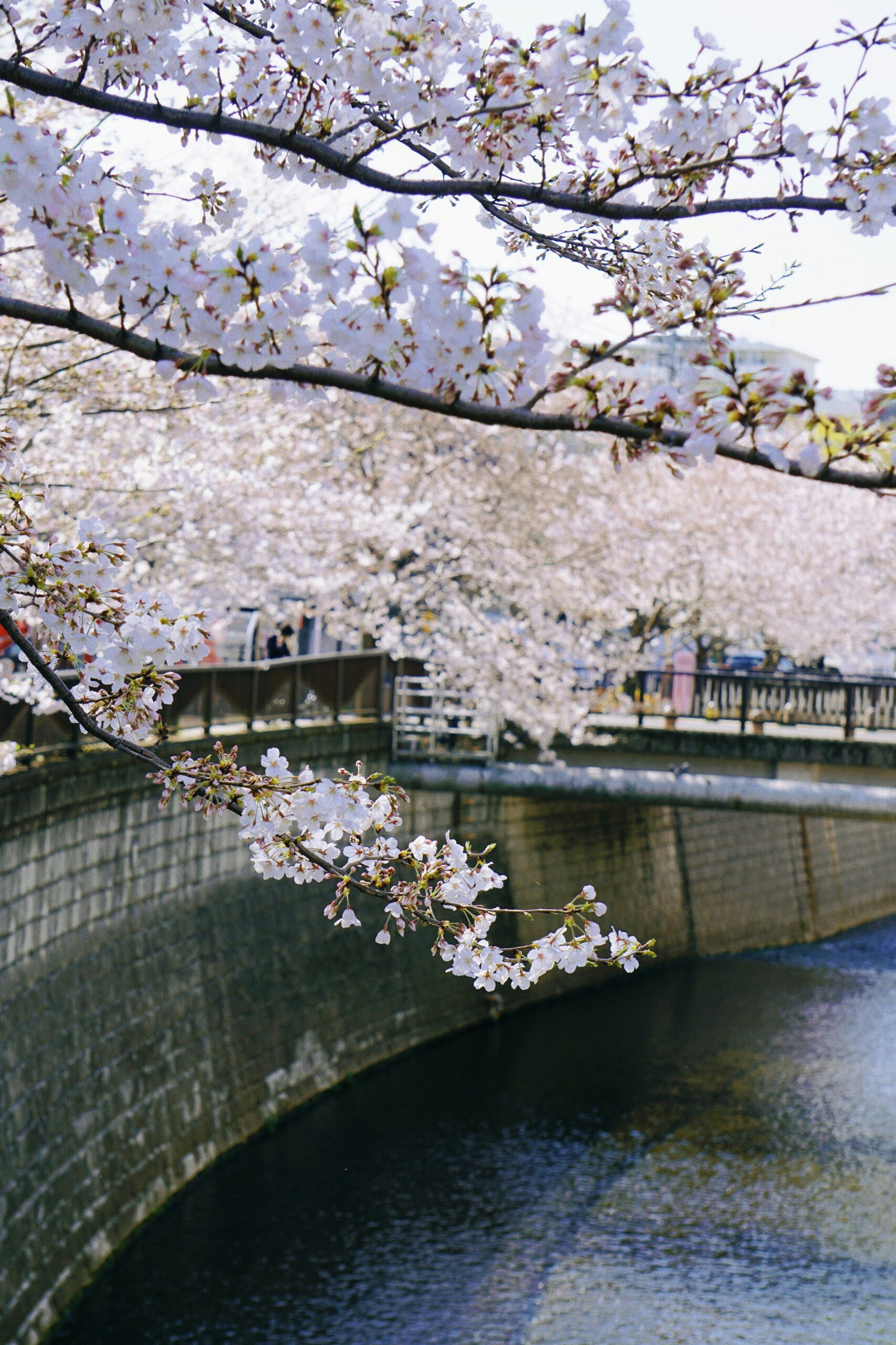
Late March to early April brings Cherry blossom season across Ueno Park, Yoyogi Park, and the Meguro River. Picnics, evening illuminations, and a strong social atmosphere take over the city. It is visually special but comes with peak crowds and prices.

Golden Week holidays

From late April to early May, Golden Week combines multiple national holidays. Tokyo fills with domestic travelers, transport is busier, and accommodation prices rise. The city stays active, but availability drops and planning needs to be precise.

Summer festivals and fireworks

July and August feature events like the Sumida River Fireworks Festival and neighborhood matsuri. Streets fill with food stalls and locals, evenings become known for outdoor activity, and heat dictates slower daytime sightseeing.

Autumn foliage season

Mid to late November brings Autumn foliage to places like Shinjuku Gyoen and Meiji Shrine. The city feels calmer than spring, colors are predictable, and walking focused itineraries work extremely well with fewer extremes.

Sumo tournaments

Official Sumo tournaments take place in January, May, and September at Ryogoku Kokugikan. They add a cultural anchor to a trip and are one of the few events that are both local and accessible to visitors.

Our take: Cherry blossoms are the most iconic, but autumn foliage offers nearly the same payoff with fewer downsides. If culture matters more than visuals, plan around a sumo tournament instead.

When to avoid visiting

Tokyo works year round, but some periods add friction that outweighs the upside. These windows are not impossible, just inefficient if you value smooth itineraries, availability, and predictable pacing.

Golden Week (late April to early May)
Domestic travel peaks across Japan, and Tokyo absorbs a large share of it. Hotels sell out early, prices rise, and transport is crowded. Attractions stay open, but moving around takes longer and flexibility drops sharply.

Cherry blossom peak weekends (late March to early April)
The city becomes congested around parks like Ueno and Meguro River. Prices spike, reservations tighten, and popular areas feel overrun. Outside peak bloom days it is manageable, but peak weekends reduce enjoyment.

Mid summer heat waves (late July to August)
High humidity and heat slow everything down. Sightseeing shifts to early mornings and evenings, indoor plans dominate, and walking heavy itineraries become uncomfortable. Festivals help, but daytime efficiency suffers.

Typhoon season spikes (September, weather dependent)
September is usually fine, but typhoons can disrupt trains and flights with little notice. Most days are unaffected, but itineraries need buffers. Risk matters if your trip is short or tightly scheduled.

Our take: Avoid Golden Week and peak cherry blossom weekends if planning matters. Heat and typhoons are manageable with flexibility, but holiday congestion is not.

Tips for choosing when to visit

Choosing when to visit Tokyo is about matching the season to how you want the city to feel. These tips help you avoid friction and pick a window that supports your travel style.

  • Prioritize walkability: October and November offer the most comfortable walking conditions.
  • Avoid national holidays: Golden Week creates crowd and price spikes with little upside.
  • Use winter for depth: January and February are ideal for food, museums, and neighborhoods.
  • Treat cherry blossoms as optional: Beautiful but crowded and expensive at peak bloom.
  • Plan summer days carefully: Heat favors early mornings and indoor attractions.
  • Watch the forecast: September can be great, but typhoons require flexibility.
  • Match season to goals: Events, food, walking, and crowds peak at different times.

FAQs

What is the single best month to visit Tokyo?

November is the most reliable choice. Weather is mild, walking is comfortable, crowds are manageable, and prices are stable. Autumn colors add atmosphere without the congestion seen during cherry blossom season.

Is cherry blossom season really worth planning a trip around?

It can be, but only if you accept crowds and higher prices. Late March and early April are visually special, yet parks are packed and flexibility drops. Outside peak bloom days, spring is much easier.

Is summer a bad time to visit Tokyo?

Not bad, but demanding. Heat and humidity slow daytime sightseeing, so plans shift to mornings and evenings. Festivals help, but walking-heavy itineraries require adjustment and lower expectations.

Is winter too cold for sightseeing in Tokyo?

No. Winter is cold but dry, with clear skies and fewer tourists. Walking is comfortable with layers, transport runs smoothly, and food-focused trips work especially well during this period.

When are prices at their highest in Tokyo?

Prices peak during cherry blossom season and Golden Week. Hotels book out early, and availability drops fast. Autumn also sees higher demand, but without the same price spikes.

Is Golden Week a good time to visit Tokyo?

Generally no. Late April to early May brings heavy domestic travel, crowded transport, and higher prices. The city functions, but itinerary efficiency drops sharply.

Can September be a good time to visit Tokyo?

Yes, but with caution. Early autumn cools things down and crowds thin, but typhoons can disrupt travel. It works best if your schedule has buffers and flexibility.

Does the best time change for first-time visitors?

Yes. First-time visitors benefit most from stable weather and manageable crowds. October, November, and February make Tokyo easier to navigate and plan without constant adjustments.

Is there a bad month to visit Tokyo?

No month is truly bad, but some are less efficient. Late summer heat and national holiday periods add friction. With the right expectations, Tokyo remains workable year round.

HELP US IMPROVE

How likely are you to recommend Know to Travel to a friend or fellow traveler?

Not likely at all
Extremely likely