Best time to visit Los Angeles

Last updated on February 5, 2026

Intro

Los Angeles changes less by season than by how you use your days. The best time to visit depends on whether you care more about clear views, calm streets, beach time, or packed events. Weather is rarely the limiting factor. Crowds, traffic, and light usually are.


Spring and fall feel balanced. Mornings are clear, evenings are comfortable, and days stay flexible. Summer stretches longer but fills faster, especially near the coast. Winter is quieter, with cooler nights and occasional rain that clears the air.


Choosing when to go is really about choosing pace. Some months reward early starts and outdoor plans. Others work better for museums, food, and slower days. Getting that match right makes the city feel easy instead of overwhelming.

By type of traveler

Different travel styles benefit from different months in Los Angeles. This breakdown matches timing to how people actually use the city.

For first-time visitors

March to May and September to October work best. Views from Griffith Observatory are clearer, walking areas like Santa Monica feel calmer, and traffic is lighter than in summer.

For beach-focused travelers

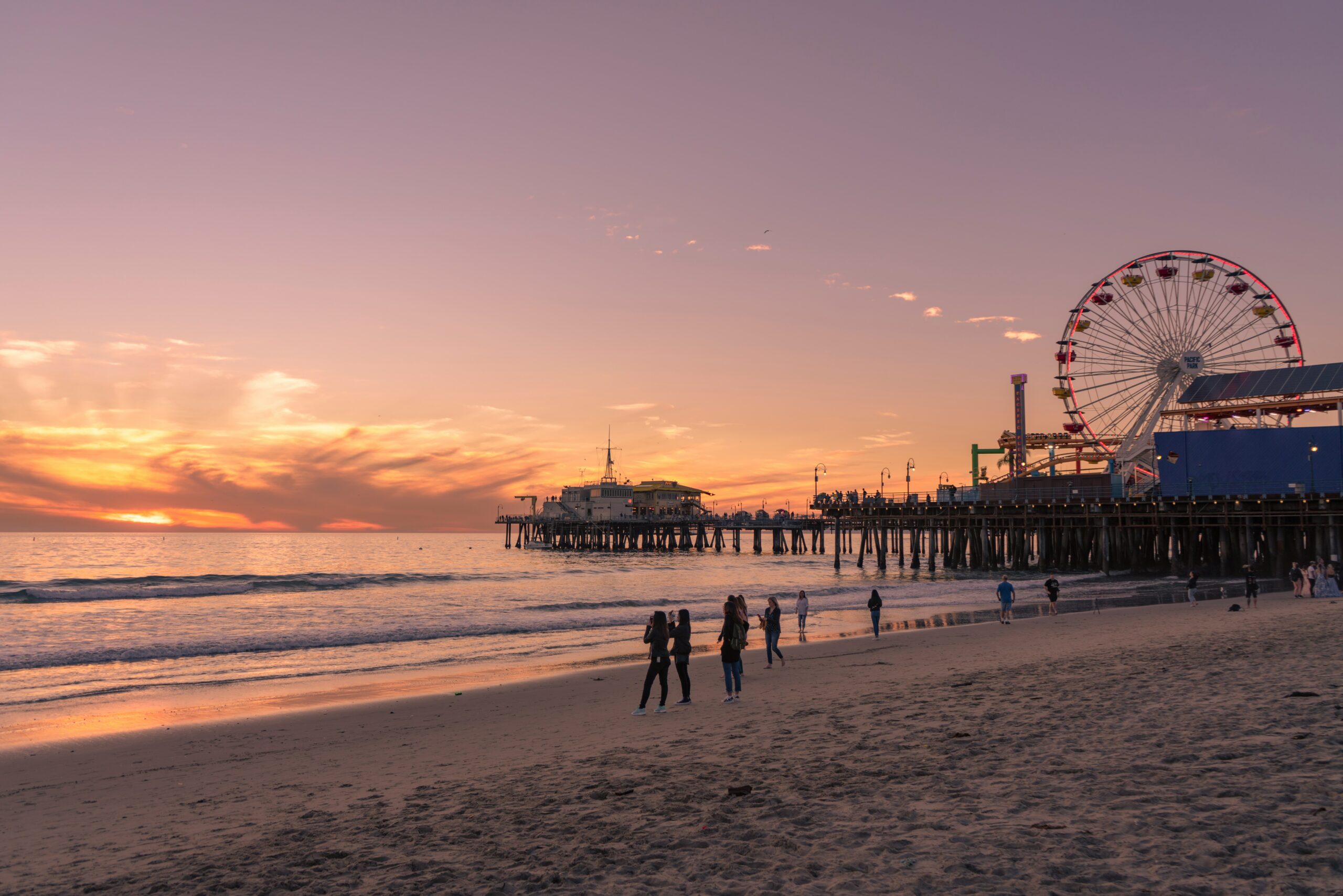
June to September is the safest window. Water is warmer, days are long, and areas like Venice Beach and Manhattan Beach support full beach days, especially with early starts.

For culture and museums lovers

November to February is ideal. Cooler days make places like The Getty Center and Downtown Los Angeles easier to visit without crowds or heat shaping your schedule.

For families with kids

Late March to early June and September avoid peak summer crowds. Theme parks like Universal Studios Hollywood are more manageable and days stay long without extreme heat.

For food-driven travelers

Year-round works, but fall and winter are calmer. Reservations are easier, and neighborhoods like Koreatown and West Hollywood feel less rushed outside summer peaks.

For outdoor and hiking fans

February to May is best. Trails around Runyon Canyon and Topanga Canyon are greener, temperatures are moderate, and air quality improves after winter rains.

For event and nightlife seekers

June to August brings festivals, rooftop dining, and packed evenings in West Hollywood and along the coast. Expect crowds and plan around traffic.

Our take: If your trip mixes sightseeing and downtime, aim for spring or fall. Match your visit to how you want days to feel, not just the weather.

Crowds, prices and availability

In Los Angeles, pressure comes in waves rather than seasons. Crowds, hotel rates, and reservations spike around school calendars, major events, and summer travel, not weather alone.

  • Late June to August: Peak crowds along the coast, especially in Santa Monica and Venice. Hotel prices rise, parking tightens, and dinner reservations book early. Traffic increases across the city, and flexibility drops.
  • March to May: Moderate crowds and balanced pricing. Hotels fill on weekends but remain available midweek. Popular areas stay busy without feeling overloaded, and reservations are usually manageable with short notice.
  • September to mid-November: One of the calmest windows. Fewer tourists, easier reservations, and more hotel availability. Prices soften except during major events, and traffic feels noticeably lighter.
  • December to February: Lower demand overall, with exceptions around holidays. Hotel prices dip, attractions feel calmer, and reservations are easier. Rainy days can shift plans, but crowds remain low.
  • Major events and holidays: Awards season, festivals, and long weekends temporarily raise prices and reduce availability near West Hollywood, Downtown LA, and Beverly Hills regardless of month.

Our take: Avoid summer if flexibility matters. Early fall offers the best balance of space, prices, and availability without sacrificing weather.

When to avoid visiting

Los Angeles rarely becomes unworkable, but some periods add enough friction to change the experience. These are the windows where crowds, prices, or conditions often outweigh the benefits.

Late June to August
Summer brings heavy coastal crowds, higher hotel prices, and constant traffic, especially around Santa Monica and Venice. Inland heat limits walking, views are often hazy, and flexibility drops unless you start very early every day.

Major holiday weeks
Thanksgiving, Christmas, and New Year raise prices and reduce availability across the city. Attractions stay open, but traffic spikes around shopping areas and events, and reservations become harder without adding anything unique to the visit.

Awards season peak weeks
Late January to February sees hotel price jumps and road closures near Hollywood and West Hollywood. Unless film events are your goal, the extra congestion and cost rarely improve a standard sightseeing trip.

Heatwave periods
Late summer heatwaves push inland temperatures very high. Outdoor activities become uncomfortable, hikes close, and the day compresses into early morning and evening. Beach areas stay busy but overcrowded.

Large one-off events
Major concerts, playoffs, or festivals can distort prices and traffic in specific zones. Even short events can ripple citywide, making logistics harder if you are not attending them.

Our take: Avoid peak summer unless beaches are the priority. If flexibility and calm matter, early fall and spring consistently deliver better days.

FAQs

What is the overall best time to visit Los Angeles?

For most travelers, late March to May and September to October offer the best balance. Weather is stable, views are clearer, crowds are lighter than summer, and prices are more reasonable. These months allow flexible days without shaping everything around heat or congestion.

Is summer a bad time to visit Los Angeles?

Not bad, but demanding. June to August brings long days and beach weather, but also heavy crowds, traffic, and higher prices, especially near Santa Monica and Venice. Inland heat and haze can limit walking and viewpoints unless you start early.

Does Los Angeles get cold in winter?

Rarely. Winter temperatures are mild, but evenings can feel cool. Occasional rain changes plans but also clears the air, improving views. It is a good season for museums, food, and quieter neighborhoods rather than beaches.

When are views and visibility the best?

Spring after winter rains and early fall usually have the clearest air. Views from places like Griffith Observatory are sharper, while summer haze often reduces long-distance visibility despite good weather.

Is there a rainy season to avoid?

Rainfall is limited and concentrated between December and February. Rain rarely lasts all day, but it can affect outdoor plans. Most attractions remain open, and crowds are lower, which often offsets the inconvenience.

Are prices very seasonal in Los Angeles?

Yes, but driven more by demand than weather. Summer, holidays, and major events raise hotel prices. Fall and winter outside holiday weeks usually offer better availability and lower rates, especially midweek.

Is Los Angeles good to visit during holidays?

It depends. Holidays bring higher prices and traffic, especially around shopping areas and events. If you value calm days and flexibility, holidays are not ideal. If you want atmosphere and do not mind crowds, they can still work.

Does the best time change if I am visiting with kids?

Yes. Spring and early fall avoid peak summer crowds and extreme heat while keeping days long. Theme parks and outdoor attractions are more manageable, and travel days feel less tiring for families.

How much does timing matter compared to planning?

Timing sets the baseline, but planning shapes the outcome. A well-planned summer trip can work, and a poorly planned spring trip can feel rushed. Choosing the right season simply makes good planning easier.

Best time to visit Los Angeles

Last updated on February 5, 2026

Intro

Los Angeles changes less by season than by how you use your days. The best time to visit depends on whether you care more about clear views, calm streets, beach time, or packed events. Weather is rarely the limiting factor. Crowds, traffic, and light usually are.


Spring and fall feel balanced. Mornings are clear, evenings are comfortable, and days stay flexible. Summer stretches longer but fills faster, especially near the coast. Winter is quieter, with cooler nights and occasional rain that clears the air.


Choosing when to go is really about choosing pace. Some months reward early starts and outdoor plans. Others work better for museums, food, and slower days. Getting that match right makes the city feel easy instead of overwhelming.

[travel_quick_facts]

By type of traveler

Different travel styles benefit from different months in Los Angeles. This breakdown matches timing to how people actually use the city.

For first-time visitors

March to May and September to October work best. Views from Griffith Observatory are clearer, walking areas like Santa Monica feel calmer, and traffic is lighter than in summer.

For beach-focused travelers

June to September is the safest window. Water is warmer, days are long, and areas like Venice Beach and Manhattan Beach support full beach days, especially with early starts.

For culture and museums lovers

November to February is ideal. Cooler days make places like The Getty Center and Downtown Los Angeles easier to visit without crowds or heat shaping your schedule.

For families with kids

Late March to early June and September avoid peak summer crowds. Theme parks like Universal Studios Hollywood are more manageable and days stay long without extreme heat.

For food-driven travelers

Year-round works, but fall and winter are calmer. Reservations are easier, and neighborhoods like Koreatown and West Hollywood feel less rushed outside summer peaks.

For outdoor and hiking fans

February to May is best. Trails around Runyon Canyon and Topanga Canyon are greener, temperatures are moderate, and air quality improves after winter rains.

For event and nightlife seekers

June to August brings festivals, rooftop dining, and packed evenings in West Hollywood and along the coast. Expect crowds and plan around traffic.

Our take: If your trip mixes sightseeing and downtime, aim for spring or fall. Match your visit to how you want days to feel, not just the weather.

Crowds, prices and availability

In Los Angeles, pressure comes in waves rather than seasons. Crowds, hotel rates, and reservations spike around school calendars, major events, and summer travel, not weather alone.

  • Late June to August: Peak crowds along the coast, especially in Santa Monica and Venice. Hotel prices rise, parking tightens, and dinner reservations book early. Traffic increases across the city, and flexibility drops.
  • March to May: Moderate crowds and balanced pricing. Hotels fill on weekends but remain available midweek. Popular areas stay busy without feeling overloaded, and reservations are usually manageable with short notice.
  • September to mid-November: One of the calmest windows. Fewer tourists, easier reservations, and more hotel availability. Prices soften except during major events, and traffic feels noticeably lighter.
  • December to February: Lower demand overall, with exceptions around holidays. Hotel prices dip, attractions feel calmer, and reservations are easier. Rainy days can shift plans, but crowds remain low.
  • Major events and holidays: Awards season, festivals, and long weekends temporarily raise prices and reduce availability near West Hollywood, Downtown LA, and Beverly Hills regardless of month.

Our take: Avoid summer if flexibility matters. Early fall offers the best balance of space, prices, and availability without sacrificing weather.

Seasonal events worth planning around

Some trips make sense when anchored to specific events. In Los Angeles, these moments change traffic, prices, and atmosphere enough to matter when choosing dates.

Film and awards season

January to March centers on Academy Awards week, Golden Globes, and related premieres. Areas like Hollywood and West Hollywood get busier, hotels rise, but film screenings, talks, and pop-up events make this period unique for cinema-focused visitors.

Major sports moments

Fall to early spring brings NBA, NFL, and NHL home games, while summer adds MLS matches. Playoffs and rivalry games increase demand near venues and shape evenings, especially around Downtown LA and Inglewood.

Music and large festivals

Late summer and fall host events like LA3C Festival and major arena tours. Expect packed hotels and traffic near Downtown and West Hollywood. These events suit travelers who plan evenings around concerts rather than sightseeing.

Cultural and community events

Spring and summer feature LA Pride, Cinco de Mayo celebrations, and neighborhood festivals. These add energy and closures in specific areas, especially West Hollywood and East LA, and reward visitors who enjoy local street-level events.

Outdoor cinema and summer series

June to September includes Hollywood Forever Cemetery movie nights and outdoor concert series. These evenings are distinctive LA experiences but require early booking and flexible daytime plans.

Our take: Plan around events only if they are the reason for your trip. Otherwise, they quietly add cost and friction without improving a general visit.

When to avoid visiting

Los Angeles rarely becomes unworkable, but some periods add enough friction to change the experience. These are the windows where crowds, prices, or conditions often outweigh the benefits.

Late June to August
Summer brings heavy coastal crowds, higher hotel prices, and constant traffic, especially around Santa Monica and Venice. Inland heat limits walking, views are often hazy, and flexibility drops unless you start very early every day.

Major holiday weeks
Thanksgiving, Christmas, and New Year raise prices and reduce availability across the city. Attractions stay open, but traffic spikes around shopping areas and events, and reservations become harder without adding anything unique to the visit.

Awards season peak weeks
Late January to February sees hotel price jumps and road closures near Hollywood and West Hollywood. Unless film events are your goal, the extra congestion and cost rarely improve a standard sightseeing trip.

Heatwave periods
Late summer heatwaves push inland temperatures very high. Outdoor activities become uncomfortable, hikes close, and the day compresses into early morning and evening. Beach areas stay busy but overcrowded.

Large one-off events
Major concerts, playoffs, or festivals can distort prices and traffic in specific zones. Even short events can ripple citywide, making logistics harder if you are not attending them.

Our take: Avoid peak summer unless beaches are the priority. If flexibility and calm matter, early fall and spring consistently deliver better days.

Tips for choosing when to visit

The best time to visit Los Angeles depends on how you want days to feel. Use these rules to match timing with pace, not just weather.

  • Prioritize shoulder seasons: Spring and fall balance clear views, lighter crowds, and stable prices.
  • Avoid peak summer if flexible: Coastal crowds and traffic increase without adding much value.
  • Start early year-round: Mornings matter more than months for calm streets and clear air.
  • Match season to interests: Beaches favor summer, museums and food favor fall and winter.
  • Check event calendars: Awards, festivals, and playoffs quietly raise prices and congestion.
  • Think in weekdays: Midweek visits feel easier than weekends in any season.

FAQs

What is the overall best time to visit Los Angeles?

For most travelers, late March to May and September to October offer the best balance. Weather is stable, views are clearer, crowds are lighter than summer, and prices are more reasonable. These months allow flexible days without shaping everything around heat or congestion.

Is summer a bad time to visit Los Angeles?

Not bad, but demanding. June to August brings long days and beach weather, but also heavy crowds, traffic, and higher prices, especially near Santa Monica and Venice. Inland heat and haze can limit walking and viewpoints unless you start early.

Does Los Angeles get cold in winter?

Rarely. Winter temperatures are mild, but evenings can feel cool. Occasional rain changes plans but also clears the air, improving views. It is a good season for museums, food, and quieter neighborhoods rather than beaches.

When are views and visibility the best?

Spring after winter rains and early fall usually have the clearest air. Views from places like Griffith Observatory are sharper, while summer haze often reduces long-distance visibility despite good weather.

Is there a rainy season to avoid?

Rainfall is limited and concentrated between December and February. Rain rarely lasts all day, but it can affect outdoor plans. Most attractions remain open, and crowds are lower, which often offsets the inconvenience.

Are prices very seasonal in Los Angeles?

Yes, but driven more by demand than weather. Summer, holidays, and major events raise hotel prices. Fall and winter outside holiday weeks usually offer better availability and lower rates, especially midweek.

Is Los Angeles good to visit during holidays?

It depends. Holidays bring higher prices and traffic, especially around shopping areas and events. If you value calm days and flexibility, holidays are not ideal. If you want atmosphere and do not mind crowds, they can still work.

Does the best time change if I am visiting with kids?

Yes. Spring and early fall avoid peak summer crowds and extreme heat while keeping days long. Theme parks and outdoor attractions are more manageable, and travel days feel less tiring for families.

How much does timing matter compared to planning?

Timing sets the baseline, but planning shapes the outcome. A well-planned summer trip can work, and a poorly planned spring trip can feel rushed. Choosing the right season simply makes good planning easier.

HELP US IMPROVE

How likely are you to recommend Know to Travel to a friend or fellow traveler?

Not likely at all
Extremely likely