London travel guide

Last updated on February 10, 2026

Intro

London feels dense but manageable. Big sights sit closer than you expect, neighborhoods change quickly, and the city runs on clear routines. You can cover a lot in a day without rushing if you plan by area and accept that walking is part of the experience.


Visiting London is about mixing structure with flexibility. Mornings reward early starts, afternoons fill naturally with museums, markets, or parks, and evenings stay active without running late. Public transport works, but many days are easier on foot.


What stays with most travelers is not just the landmarks, but how easily London fits around real life. It is practical, multicultural, and efficient, a city that lets you see a lot without demanding constant effort.

When to visit

London works all year, but each period changes how the city feels and how easy it is to move through it. Choosing well saves time, money, and energy.

Spring and early summer
April to June offer comfortable walking weather, longer days, and active parks. The city feels open and efficient without full summer pressure. Prices rise gradually, but planning stays flexible.

Peak summer
July and August bring long daylight and outdoor events, but also crowds and higher prices. Central areas slow down, and booking ahead becomes essential. Best if energy and events matter more than ease.

Autumn
September and October are calmer and focused. Museums, food, and theatre shine, crowds drop, and prices stabilize. Days shorten but remain workable, making this a favorite for repeat visitors.

Winter
November to February shifts the city indoors. Museums, pubs, and shows dominate plans. December is festive but expensive. January and February are quiet and cheaper, with short daylight limiting outdoor days.

If timing matters to your plans, you can go deeper in our dedicated best time to visit guide, which breaks this down by season, traveler type, and events.
Our take: If unsure, aim for May or September. They deliver the best balance of weather, crowds, and flexibility with the fewest trade offs.

Who is it worth visiting for?

London suits many travel styles, but not all. Knowing where it fits best helps avoid mismatched expectations and overpacked plans.

First time city travelers

London is a strong choice. It is well signposted, easy to navigate, and forgiving if plans change. You get landmarks, museums, food, and neighborhoods without needing deep local knowledge.

Culture and history focused travelers

Very worth it. Museums, historic sites, theatre, and architecture are central, not side activities. You can build entire days indoors without sacrificing quality or variety.

Food curious travelers

A good fit if you value range over tradition. London excels at global food and casual dining. If you are looking for a single, clearly defined local cuisine, it may feel less distinctive.

Families with kids

Well suited. Interactive museums, parks, and simple transport make days manageable. The main drawback is cost and crowd pressure during school holidays.

Slow travelers and walkers

Worth visiting. London rewards walking and neighborhood exploration, but it is still busy. If you want quiet streets most of the day, it may feel intense.

Budget travelers

Mixed. Many museums are free, but accommodation and transport add up. London works on a budget with planning, but it is not effortless.

Travelers seeking nature or relaxation

Less ideal. Parks are excellent, but London is still a large city. If calm, scenery, and silence are priorities, it works better as a short stop than a base.

What to do

London offers a wide spread of activities, but planning works best when you understand the layers before diving into details.

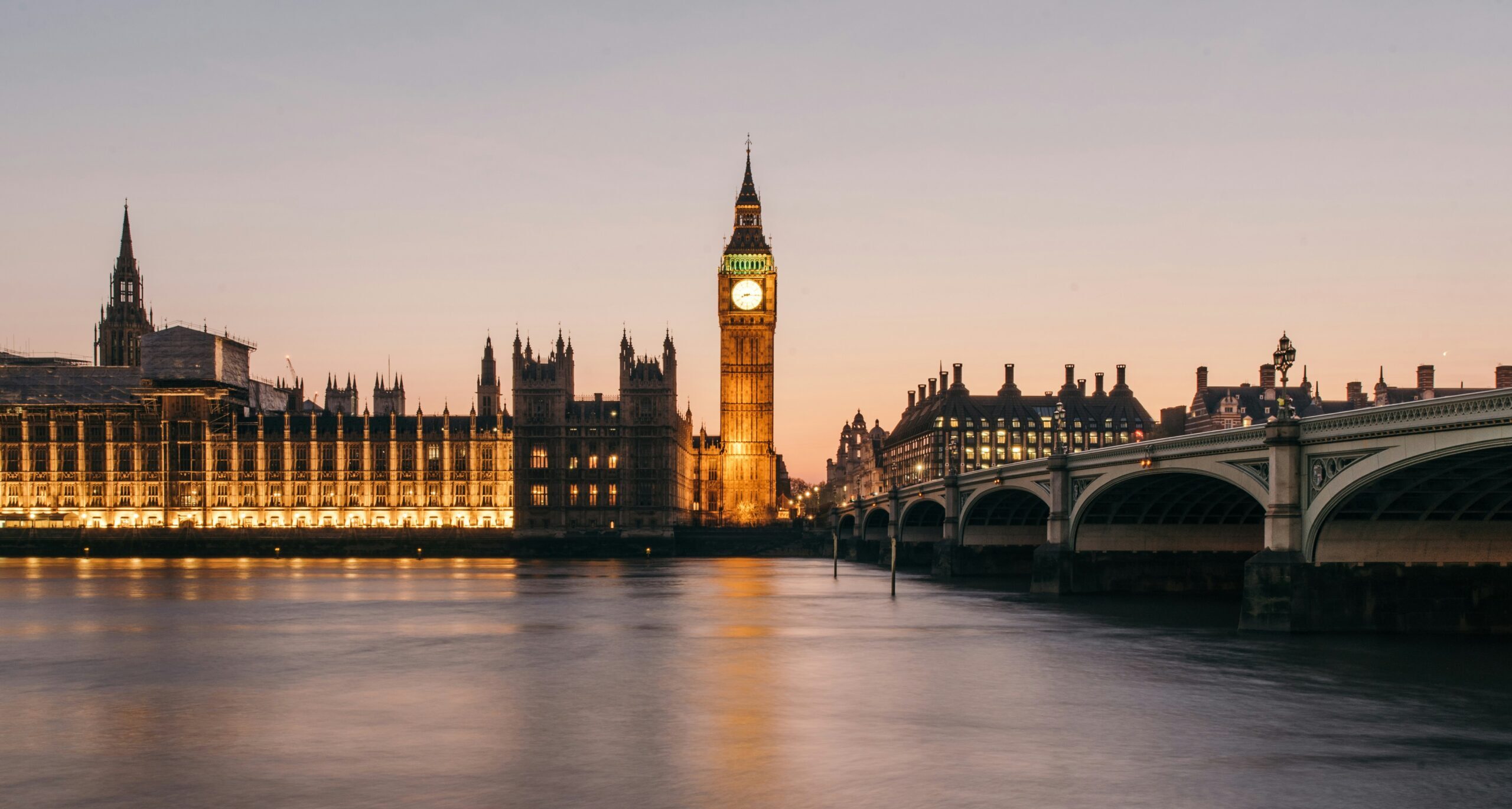
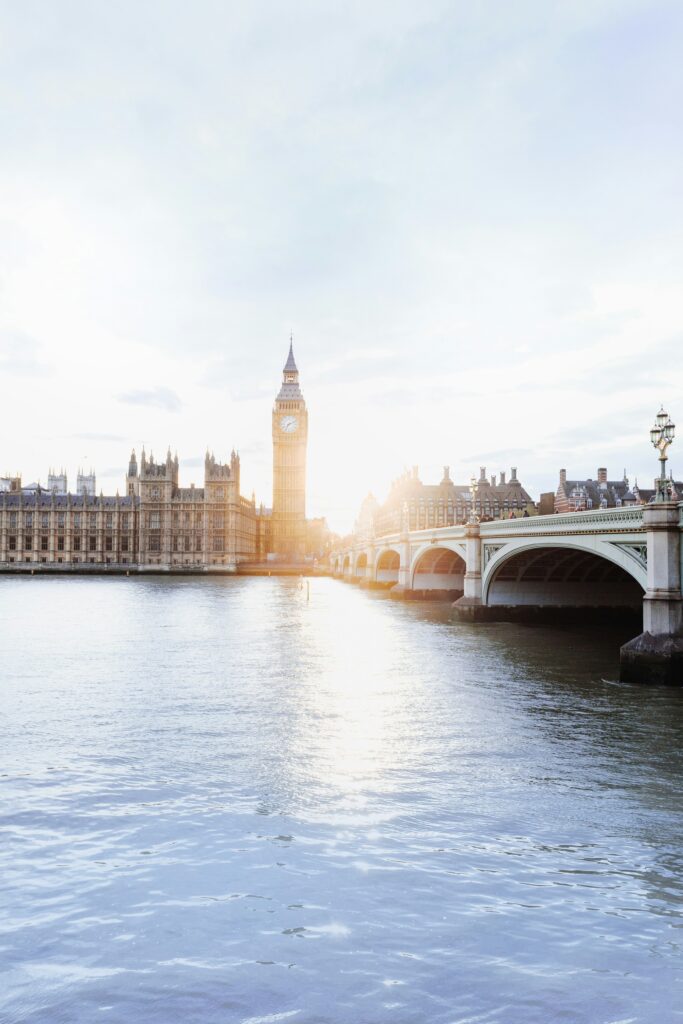
Essential things to do center on the historic core. Areas like Westminster and the South Bank cover Big Ben, Westminster Abbey, the Houses of Parliament, and the river walk in one stretch. Add at least one major museum such as the British Museum or Tate Modern to ground the trip culturally.

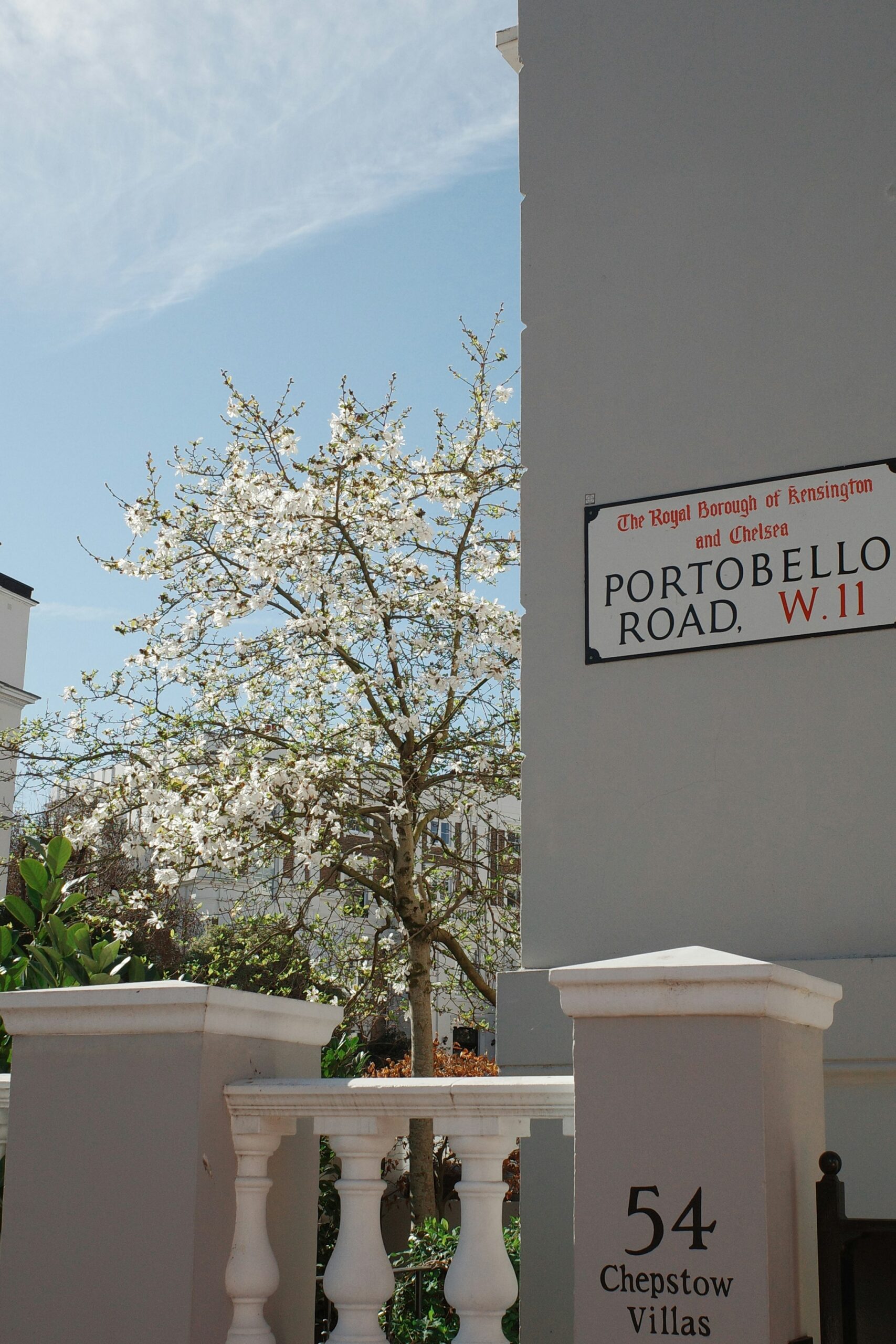
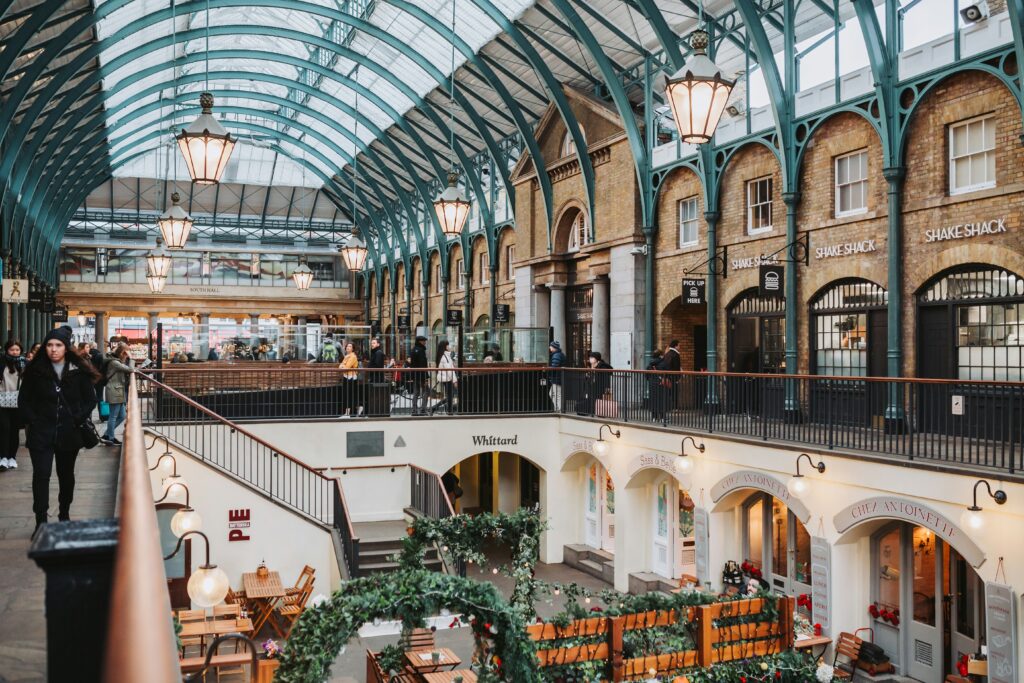
Most popular things to do build around markets, neighborhoods, and everyday city life. Borough Market, Camden, Covent Garden, Soho, and Notting Hill are common additions, mixing food, walking, shopping, and atmosphere without needing rigid schedules.

Interesting or niche experiences include areas like Greenwich, quieter parks such as Hampstead Heath, smaller museums, canal walks, local pubs, and theatre beyond the biggest West End shows. These fill gaps once the main structure is set.

If you want to understand how to group these, what deserves time, and what works as a short stop, our dedicated things to do guide breaks it all down clearly by area and interest.

Our take: London is best when you combine anchors with flexibility. Plan the essentials, then let popular and niche spots fill the space naturally.

Map and orientation

London is large but logically structured. Most first time itineraries focus on a compact central area where distances are shorter than they look and many sights connect naturally on foot.


Central London revolves around Westminster, the South Bank, Covent Garden, Soho, and Trafalgar Square. This is where Big Ben, Westminster Abbey, major museums, theatres, and dense dining areas cluster. Walking works well here, with the river acting as a clear reference.


The River Thames is the main geographic spine. Moving east to west along it links Westminster, the South Bank, London Bridge, Tower Bridge, and onward to Greenwich. Crossing the river often changes the feel more than the distance.


West London is greener and slower, anchored by Hyde Park, Kensington, Notting Hill, and Chelsea. East London shifts toward markets, street art, and nightlife around Shoreditch. North London includes Camden, Regent’s Park, and Hampstead, which feel more residential and spacious.


Public transport is radial and frequent, but itineraries work best when you avoid zigzagging. Commit to one side of the city per day and let nearby areas fill the gaps.

Our take: Treat London as a set of compact zones linked by the river. Plan days by area, not by attraction, and the city becomes far easier to manage.

How long to stay

London scales well, but only if you give it enough time to breathe. The right length depends on whether you want highlights only or space for neighborhoods and slower days.

2–3 days
Works for a first snapshot. You can cover Westminster, the South Bank, one major museum, and a central neighborhood. Days are full and efficient, but choices are tight and evenings need discipline.

4–5 days
The most balanced option for most travelers. Covers essentials, popular areas, a few museums, and relaxed evenings without rushing. This is when London starts to feel coherent, not compressed.

6–7 days
Adds depth. You can explore neighborhoods properly, include Greenwich or Camden, and add a day trip like Windsor or Bath. Pace is calmer and decisions feel less forced.

With kids
Plan 4–6 days. Shorter days, one main activity daily, and time for parks and downtime matter more than coverage. London works well with kids if you avoid overpacking.

If you want to see how these stays translate into real days, our itineraries guide breaks this down into clear 3, 5, and 7 day plans you can follow or adapt.

Our take: Four to five days is the sweet spot. Enough time to enjoy London without turning planning into work.

Getting around

London is easy to move through once you accept one thing: walking and public transport work better than anything else. Planning routes by area matters more than choosing the fastest mode every time.


Walking
Central London is very walkable. Many key sights sit 10–20 minutes apart. Walking often beats the Tube for short distances and gives better context. Cost is zero and time is predictable.


Public transport
The Underground, buses, and trains are integrated. Use contactless card or phone. A single Tube ride in central zones costs about £2.80 (≈ €3.30 / $3.50). Daily caps are around £8.50 (≈ €10 / $11), which limits spend automatically.


Buses
Buses are slower but cheaper and scenic. A single ride costs £1.75 (≈ €2.05 / $2.20) with a daily cap of £5.25 (≈ €6.15 / $6.80). Useful for short hops and surface routes.


Taxis and ride hailing
Black cabs are reliable but expensive. Short rides often start around £8–10 (≈ €9–12 / $10–13). Uber and similar apps are cheaper off peak but slow in traffic.

Trains for day trips
Main stations are spread across the city. Day trips like Windsor or Oxford usually cost £15–30 return (≈ €18–35 / $19–38), depending on timing and booking.

Our take: Walk whenever possible, use contactless for transport, and avoid taxis unless timing really matters. London rewards simple movement choices.

Where to stay

Where you stay in London affects how much you walk, how often you use transport, and how calm your days feel. Central and well connected areas usually save time even if the room costs more.

Covent Garden and Soho

Best for first time visitors who want everything close. You can walk to major sights, theatres, and restaurants. Hotels are compact and expensive. Expect £180–300/night (≈ €210–350 / $230–380). Busy, noisy, but efficient.

Westminster and South Bank

Good for sightseeing focused trips. Close to landmarks and the river, quieter at night than Soho. Dining options thin out late. Prices sit around £160–260/night (≈ €190–305 / $205–330).

Bloomsbury

Strong balance of calm and location. Near the British Museum, walkable, well connected. Suits culture focused travelers and families. Mid range pricing at £140–230/night (≈ €165–270 / $180–295).

Kensington and Chelsea

Greener and more residential. Good for slower trips and families. Longer transport times to nightlife. Prices vary widely, often £150–280/night (≈ €175–330 / $195–360).

Shoreditch and East London

Best for nightlife, food, and a younger crowd. Less classic London feel, but good value. Expect £120–200/night (≈ €140–235 / $155–255). Central sights take longer to reach.

Greenwich

Works if you want space and calm. Village feel, parks, river access. Commute into central London takes time. Prices are lower at £100–170/night (≈ €120–200 / $130–215).

Our take: Stay central if budget allows. Saving 20 minutes twice a day often matters more than saving money on the room. Bloomsbury is the safest all around choice.

What and where to eat

London food is about range and practicality. You eat well without planning your day around meals, and prices vary enough to adapt to almost any budget.

What to eat
Non negotiables include a full English breakfast, a Sunday roast, fish and chips, and Indian curry, which is part of daily life here. A pub meal usually lands around £18–25 (≈ €21–29 / $23–32). Casual restaurant mains sit closer to £15–22 (≈ €18–26 / $19–28). Higher end dining starts around £40–60 (≈ €47–70 / $51–76) without drinks.

Where to eat
Central areas like Soho, Covent Garden, and Borough Market concentrate options and save time. Markets work best for lunch and flexibility. Neighborhoods such as Notting Hill or Bloomsbury suit calmer dinners. Booking matters for popular places, even casual ones.

London rarely rewards chasing hype across the city. Eating near where you already are keeps days smooth and costs predictable. If food is a key part of your trip, our dedicated what and where to eat guide breaks this down by meals, neighborhoods, and planning style.

Our take: Eat locally, book smart, and skip the detours. London food works best when it fits the day, not when it dominates it.

Through travelers’ eyes

This section brings together photos and short notes from travelers as they moved through London day by day. You will see landmarks, neighborhoods, meals, and small moments captured as they happened, offering a grounded sense of what visiting the city actually feels like.

Practical tips

A few practical choices make London far easier to navigate. These tips help reduce friction and keep days running smoothly.

  • Use contactless payment: Works on all transport and most shops
  • Group sights by area: Saves time and energy
  • Walk short distances: Often faster than the Tube
  • Book popular attractions early: Shows and timed entries sell out
  • Eat earlier: Many kitchens slow after 8:30 pm
  • Check service charge: Often included on restaurant bills
  • Avoid peak Tube hours: 7–9 am and 4–6 pm are busiest
  • Pack layers: Weather changes quickly
  • Use parks as breaks: Helps reset between dense areas

FAQs

How many days do I need to visit London properly?

Most travelers need 4 to 5 days to see the main sights without rushing. Shorter stays feel compressed, longer stays add comfort, neighborhoods, and optional day trips rather than entirely new highlights.

Is London easy to get around without a car?

Yes. London is designed for walking and public transport. The Underground, buses, and trains cover the city well, and driving usually slows you down due to traffic and parking limits.

Is London expensive compared to other European cities?

Yes, especially for accommodation and dining in central areas. However, free museums, walkable days, and transport caps help control costs if you plan consciously.

Do I need to book attractions in advance?

For popular attractions, shows, and exhibitions, yes. Museums are often free, but timed tickets and theatre performances sell out quickly, especially on weekends and in summer.

Is London a good destination for first time travelers?

Very much so. It is structured, predictable, and forgiving. Clear signage, reliable transport, and English language access reduce friction for first visits.

Is London suitable for traveling with kids?

Yes. Interactive museums, parks, river transport, and flexible food options make it family friendly. The main challenges are cost and crowds during school holidays.

What is the best area to stay in London?

Central areas like Bloomsbury, Covent Garden, or Westminster reduce travel time and simplify planning. Being well connected matters more than being near a specific landmark.

Can I visit London on a budget?

Yes, but it requires choices. Free museums, markets, walking days, and public transport caps help. Accommodation is the biggest cost and where compromises matter most.

Is tipping expected in London?

Tipping is modest. Many restaurants include a service charge. If not, small tips are appreciated but not mandatory. There is no expectation of high tipping.

What should I book before arriving?

Accommodation, theatre tickets, and any timed attractions. Transport can be handled on arrival. Restaurants only need booking for popular places or weekends.

Is London safe for tourists?

Yes. Like any large city, be mindful of pickpocketing in busy areas and public transport, but overall London is considered safe and well policed for visitors.

London travel guide

Last updated on February 10, 2026

Intro

London feels dense but manageable. Big sights sit closer than you expect, neighborhoods change quickly, and the city runs on clear routines. You can cover a lot in a day without rushing if you plan by area and accept that walking is part of the experience.


Visiting London is about mixing structure with flexibility. Mornings reward early starts, afternoons fill naturally with museums, markets, or parks, and evenings stay active without running late. Public transport works, but many days are easier on foot.


What stays with most travelers is not just the landmarks, but how easily London fits around real life. It is practical, multicultural, and efficient, a city that lets you see a lot without demanding constant effort.

When to visit

London works all year, but each period changes how the city feels and how easy it is to move through it. Choosing well saves time, money, and energy.

Spring and early summer
April to June offer comfortable walking weather, longer days, and active parks. The city feels open and efficient without full summer pressure. Prices rise gradually, but planning stays flexible.

Peak summer
July and August bring long daylight and outdoor events, but also crowds and higher prices. Central areas slow down, and booking ahead becomes essential. Best if energy and events matter more than ease.

Autumn
September and October are calmer and focused. Museums, food, and theatre shine, crowds drop, and prices stabilize. Days shorten but remain workable, making this a favorite for repeat visitors.

Winter
November to February shifts the city indoors. Museums, pubs, and shows dominate plans. December is festive but expensive. January and February are quiet and cheaper, with short daylight limiting outdoor days.

If timing matters to your plans, you can go deeper in our dedicated best time to visit guide, which breaks this down by season, traveler type, and events.
Our take: If unsure, aim for May or September. They deliver the best balance of weather, crowds, and flexibility with the fewest trade offs.

[travel_quick_facts]

Who is it worth visiting for?

London suits many travel styles, but not all. Knowing where it fits best helps avoid mismatched expectations and overpacked plans.

First time city travelers

London is a strong choice. It is well signposted, easy to navigate, and forgiving if plans change. You get landmarks, museums, food, and neighborhoods without needing deep local knowledge.

Culture and history focused travelers

Very worth it. Museums, historic sites, theatre, and architecture are central, not side activities. You can build entire days indoors without sacrificing quality or variety.

Food curious travelers

A good fit if you value range over tradition. London excels at global food and casual dining. If you are looking for a single, clearly defined local cuisine, it may feel less distinctive.

Families with kids

Well suited. Interactive museums, parks, and simple transport make days manageable. The main drawback is cost and crowd pressure during school holidays.

Slow travelers and walkers

Worth visiting. London rewards walking and neighborhood exploration, but it is still busy. If you want quiet streets most of the day, it may feel intense.

Budget travelers

Mixed. Many museums are free, but accommodation and transport add up. London works on a budget with planning, but it is not effortless.

Travelers seeking nature or relaxation

Less ideal. Parks are excellent, but London is still a large city. If calm, scenery, and silence are priorities, it works better as a short stop than a base.

What to do

London offers a wide spread of activities, but planning works best when you understand the layers before diving into details.

Essential things to do center on the historic core. Areas like Westminster and the South Bank cover Big Ben, Westminster Abbey, the Houses of Parliament, and the river walk in one stretch. Add at least one major museum such as the British Museum or Tate Modern to ground the trip culturally.

Most popular things to do build around markets, neighborhoods, and everyday city life. Borough Market, Camden, Covent Garden, Soho, and Notting Hill are common additions, mixing food, walking, shopping, and atmosphere without needing rigid schedules.

Interesting or niche experiences include areas like Greenwich, quieter parks such as Hampstead Heath, smaller museums, canal walks, local pubs, and theatre beyond the biggest West End shows. These fill gaps once the main structure is set.

If you want to understand how to group these, what deserves time, and what works as a short stop, our dedicated things to do guide breaks it all down clearly by area and interest.

Our take: London is best when you combine anchors with flexibility. Plan the essentials, then let popular and niche spots fill the space naturally.

How long to stay

London scales well, but only if you give it enough time to breathe. The right length depends on whether you want highlights only or space for neighborhoods and slower days.

2–3 days
Works for a first snapshot. You can cover Westminster, the South Bank, one major museum, and a central neighborhood. Days are full and efficient, but choices are tight and evenings need discipline.

4–5 days
The most balanced option for most travelers. Covers essentials, popular areas, a few museums, and relaxed evenings without rushing. This is when London starts to feel coherent, not compressed.

6–7 days
Adds depth. You can explore neighborhoods properly, include Greenwich or Camden, and add a day trip like Windsor or Bath. Pace is calmer and decisions feel less forced.

With kids
Plan 4–6 days. Shorter days, one main activity daily, and time for parks and downtime matter more than coverage. London works well with kids if you avoid overpacking.

If you want to see how these stays translate into real days, our itineraries guide breaks this down into clear 3, 5, and 7 day plans you can follow or adapt.

Our take: Four to five days is the sweet spot. Enough time to enjoy London without turning planning into work.

What and where to eat

London food is about range and practicality. You eat well without planning your day around meals, and prices vary enough to adapt to almost any budget.

What to eat
Non negotiables include a full English breakfast, a Sunday roast, fish and chips, and Indian curry, which is part of daily life here. A pub meal usually lands around £18–25 (≈ €21–29 / $23–32). Casual restaurant mains sit closer to £15–22 (≈ €18–26 / $19–28). Higher end dining starts around £40–60 (≈ €47–70 / $51–76) without drinks.

Where to eat
Central areas like Soho, Covent Garden, and Borough Market concentrate options and save time. Markets work best for lunch and flexibility. Neighborhoods such as Notting Hill or Bloomsbury suit calmer dinners. Booking matters for popular places, even casual ones.

London rarely rewards chasing hype across the city. Eating near where you already are keeps days smooth and costs predictable. If food is a key part of your trip, our dedicated what and where to eat guide breaks this down by meals, neighborhoods, and planning style.

Our take: Eat locally, book smart, and skip the detours. London food works best when it fits the day, not when it dominates it.

Practical tips

A few practical choices make London far easier to navigate. These tips help reduce friction and keep days running smoothly.

  • Use contactless payment: Works on all transport and most shops
  • Group sights by area: Saves time and energy
  • Walk short distances: Often faster than the Tube
  • Book popular attractions early: Shows and timed entries sell out
  • Eat earlier: Many kitchens slow after 8:30 pm
  • Check service charge: Often included on restaurant bills
  • Avoid peak Tube hours: 7–9 am and 4–6 pm are busiest
  • Pack layers: Weather changes quickly
  • Use parks as breaks: Helps reset between dense areas

Through travelers’ eyes

This section brings together photos and short notes from travelers as they moved through London day by day. You will see landmarks, neighborhoods, meals, and small moments captured as they happened, offering a grounded sense of what visiting the city actually feels like.

FAQs

How many days do I need to visit London properly?

Most travelers need 4 to 5 days to see the main sights without rushing. Shorter stays feel compressed, longer stays add comfort, neighborhoods, and optional day trips rather than entirely new highlights.

Is London easy to get around without a car?

Yes. London is designed for walking and public transport. The Underground, buses, and trains cover the city well, and driving usually slows you down due to traffic and parking limits.

Is London expensive compared to other European cities?

Yes, especially for accommodation and dining in central areas. However, free museums, walkable days, and transport caps help control costs if you plan consciously.

Do I need to book attractions in advance?

For popular attractions, shows, and exhibitions, yes. Museums are often free, but timed tickets and theatre performances sell out quickly, especially on weekends and in summer.

Is London a good destination for first time travelers?

Very much so. It is structured, predictable, and forgiving. Clear signage, reliable transport, and English language access reduce friction for first visits.

Is London suitable for traveling with kids?

Yes. Interactive museums, parks, river transport, and flexible food options make it family friendly. The main challenges are cost and crowds during school holidays.

What is the best area to stay in London?

Central areas like Bloomsbury, Covent Garden, or Westminster reduce travel time and simplify planning. Being well connected matters more than being near a specific landmark.

Can I visit London on a budget?

Yes, but it requires choices. Free museums, markets, walking days, and public transport caps help. Accommodation is the biggest cost and where compromises matter most.

Is tipping expected in London?

Tipping is modest. Many restaurants include a service charge. If not, small tips are appreciated but not mandatory. There is no expectation of high tipping.

What should I book before arriving?

Accommodation, theatre tickets, and any timed attractions. Transport can be handled on arrival. Restaurants only need booking for popular places or weekends.

Is London safe for tourists?

Yes. Like any large city, be mindful of pickpocketing in busy areas and public transport, but overall London is considered safe and well policed for visitors.

HELP US IMPROVE

How likely are you to recommend Know to Travel to a friend or fellow traveler?

Not likely at all
Extremely likely