Paris travel guide

Last updated on February 5, 2026

Intro

Paris is a city that rewards attention. It’s not about rushing between landmarks, but about noticing how neighborhoods change, how days naturally slow down around meals, and how much of the experience happens between plans.


As a traveler, you’ll spend a lot of time on foot, mix big sights with small everyday moments, and quickly learn that geography matters. Many highlights sit close together, while others only make sense if you give them half a day. Pacing and grouping are what turn a good trip into a smooth one.


This guide is built to help you understand how Paris works as a destination. Not just what to see, but how it feels to move through it, plan days that flow, and enjoy the city without trying to do too much at once.

When to visit

The time of year you choose changes how Paris feels more than what you see. Weather, crowds, daylight, and prices all affect how much you walk, how busy sights feel, and how flexible your days can be.

Spring and early autumn
These months offer the best balance for most travelers. Walking is comfortable, days are long enough, and outdoor cafés and parks feel natural again. Crowds are present but manageable, making it easier to enjoy both major sights and everyday moments.

Summer
Summer brings energy, events, and long evenings, but also the highest crowds and prices. Popular areas are busy from morning to night, and heat can slow walking-heavy days. It works best if you plan early starts and accept a busier rhythm.

Winter
Winter is quieter and often cheaper, especially outside holiday weeks. Museums and restaurants are easier to access, but short days and cold weather limit outdoor time. The city feels calmer, but less lively.

Each of these periods suits different travel styles. If timing is a key decision for your trip, the full trade-offs by month, crowd levels, and events are covered in our dedicated guide.

Our take: If you’re unsure, aim for late April or late September. You’ll avoid extremes and get a version of Paris that feels balanced.

Who is it worth visiting for?

Paris works extremely well for some travel styles and less so for others. Knowing where you fall makes expectations clearer and planning much easier from the start.

Worth visiting if you enjoy walking cities

Paris is built for exploring on foot. Neighborhoods connect naturally, streets are dense with cafés and shops, and many highlights sit within walkable distances. If you enjoy cities where walking is part of the experience, Paris delivers consistently.

Worth visiting if food matters to you

Food isn’t an activity here, it’s part of the day. From bakeries and bistros to wine bars, eating well is easy without chasing trends. Travelers who care about meals, pacing, and everyday food culture usually leave very satisfied.

Worth visiting if you like culture without intensity

Paris offers world-class museums and history, but you can engage with them lightly. You don’t need to plan every visit or spend full days indoors. If you enjoy culture in small doses mixed with daily life, the city fits well.

Worth visiting if you travel at a moderate pace

Paris rewards balance. Travelers who like structured mornings and flexible afternoons tend to enjoy it most. If you’re comfortable leaving gaps in your schedule, the city feels natural rather than overwhelming.


Less worth it if:

  • you want fast, checklist travel
    If your goal is to move quickly, see everything, and maximize daily output, Paris can feel slow. Distances, queues, and mealtimes don’t adapt well to aggressive itineraries.
  • you expect constant novelty
    Paris changes subtly, not dramatically, from one block to the next. Travelers looking for nonstop stimulation or radically different daily experiences may find it repetitive after a few days.
  • crowds frustrate you easily
    Even outside peak season, Paris is busy. Popular areas are rarely empty, and patience is part of the experience. If crowds significantly reduce enjoyment, timing and expectations matter a lot.


Our take: Paris is best for travelers who value rhythm over volume. If you like cities that unfold slowly and reward attention, it’s hard to beat.

What to do

Paris offers a wide range of experiences, but they fall into clear layers. Understanding these helps you decide what deserves time on your trip and what can wait for another visit.

Essential experiences
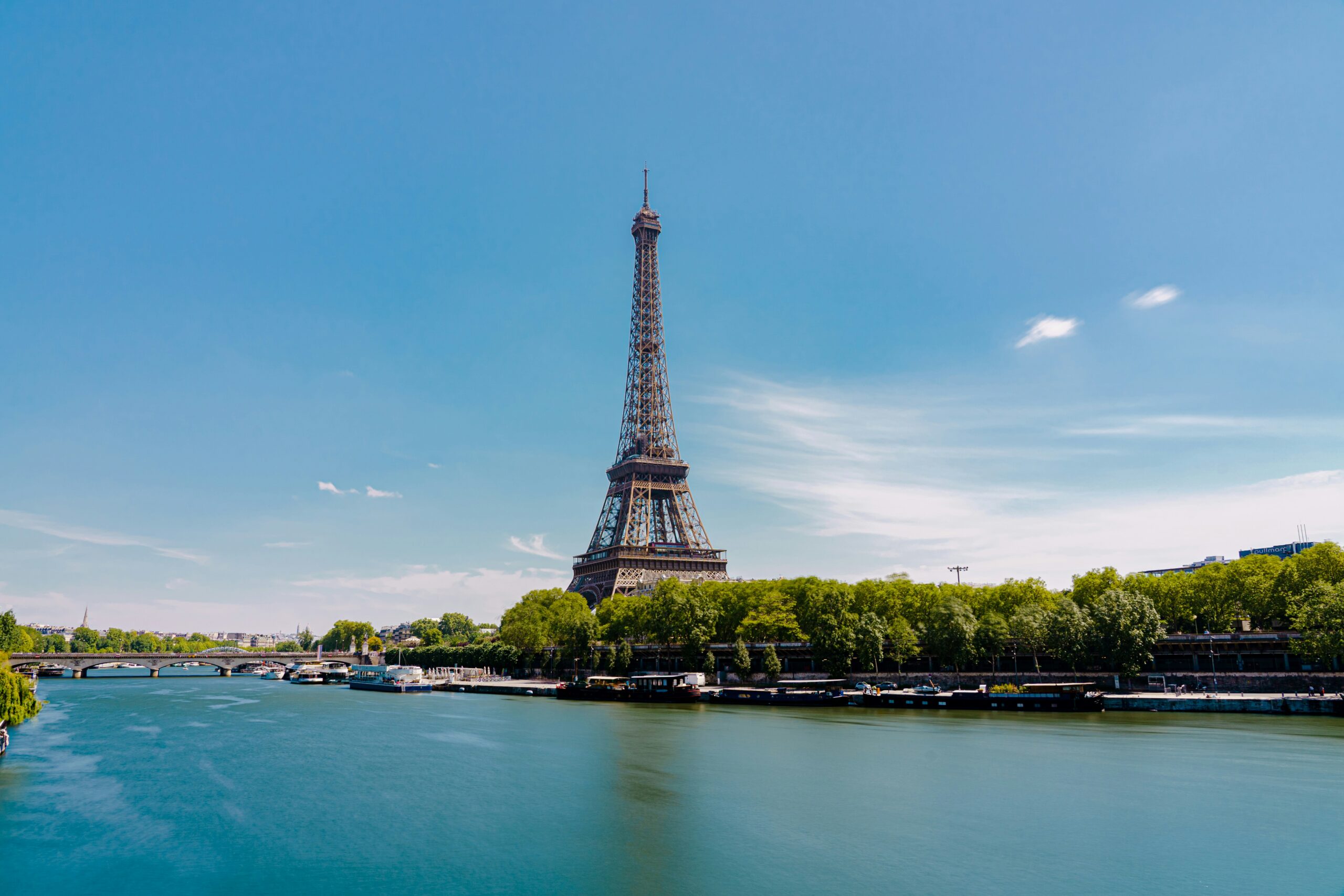
First trips usually center on the Eiffel Tower, walking along the Seine River, time around Notre-Dame Cathedral, and visiting a major museum like the Louvre Museum. These anchor the city visually and historically and give context to everything else.

Popular additions
Most travelers then add views from the Arc de Triomphe, a visit to the Musée d’Orsay, time in neighborhoods like Le Marais, or a day trip to Palace of Versailles. These deepen the trip without changing its core rhythm.

Interesting and niche options
Beyond that, Paris opens up through smaller museums, local neighborhoods, parks, markets, wine bars, and seasonal events. Areas like Canal Saint-Martin, Belleville, or lesser-known museums offer a quieter, more local feel for travelers with extra time.

If you want to compare options, understand trade-offs, or tailor activities to your interests, the full breakdown lives in our dedicated guide.

Our take: Paris is better sampled than consumed. Choose a few strong experiences and let the rest support them.

Map and orientation

Paris is compact but dense, and geography plays a big role in how smooth your days feel. The city is organized around the Seine River, which divides it into the Right Bank to the north and the Left Bank to the south. Many first-time sights sit close to the river, making central Paris very walkable.


The historic core spreads out from Île de la Cité, where Notre-Dame stands. From here, areas like Le Marais to the northeast and Saint-Germain-des-Prés to the southwest connect naturally on foot. This central zone works best for combining landmarks, museums, and meals in the same day.


Further out, neighborhoods start to feel more residential and require intention. Montmartre sits on a hill in the north and works best as a half-day area. Canal Saint-Martin and Belleville are east of the center and give a more local feel, but don’t combine easily with far western sights.


Large green spaces also help with orientation. Tuileries Garden links the Louvre area to the river, while Luxembourg Gardens anchors the Left Bank. Using these as reference points makes navigating on foot much easier.

Our take: If a day crosses the river more than once or jumps between distant neighborhoods, it’s probably too ambitious. Paris works best when areas are grouped tightly.

How long to stay

How long you stay in Paris changes how the city feels. Short trips focus on icons and flow, longer stays unlock neighborhoods, museums, and a calmer rhythm. There’s no single right answer, but some ranges work better than others.

2–3 days
This works for a first glimpse. You can see the main landmarks, walk central areas, and get a sense of the city’s layout. Days will be full and choices limited, so this is best if expectations are tight and plans stay central.

4–5 days
This is the most balanced option for most travelers. You can cover essentials, add popular sights, enjoy proper meals, and still leave time for walking and cafés. The city starts to feel navigable rather than rushed.

6–7 days
Ideal if you want depth. Museums, neighborhoods, and one day trip fit comfortably without pressure. This is when Paris shifts from impressive to familiar, and days feel less structured.

With kids
Plan 4–6 days with shorter daily goals. One main activity per day works best, with parks and predictable meals built in. Fewer moves make the trip smoother for everyone.

If you want help turning days into workable plans, our itineraries guide breaks this down clearly by trip length and travel style.

Our take: For a first visit, aim for 4 or 5 days. It’s long enough to enjoy Paris without turning it into a checklist.

Getting around

Paris is easy to move through once you understand the basics. Most trips combine walking with short rides, and choosing the right mode each time saves both energy and time.


Walking
Central Paris is very walkable. Many landmarks, neighborhoods, and food areas sit close together, especially near the Seine. Expect to walk a lot. Comfortable shoes matter more than any transport pass, and walking is often faster than transit for short distances.


Metro and RER
The metro is fast, frequent, and reliable. A single ticket costs about €2.15 (≈ $2.35) and works across metro, bus, and tram within Paris. A 10 ticket pack is cheaper per ride. RER trains are useful for longer trips like airports or Versailles.


Buses and trams
Buses are slower but useful if you prefer seeing the city while moving. They use the same tickets as the metro. Trams mainly serve outer areas and are rarely needed for a first trip focused on central Paris.


Taxis and ride-hailing
Official taxis and ride-hailing apps work well, especially late at night or when tired. Short central rides usually cost €10–20 (≈ $11–22). Airport rides are more expensive but predictable with flat fares.

Bikes and scooters
Bike sharing exists, but Paris traffic can feel intense. It works best for confident riders and quieter routes. For most visitors, walking and metro remain simpler.

Our take: Walk as much as you can and use the metro to connect areas. It’s the easiest way to experience Paris without overthinking transport.

Where to stay

Where you stay in Paris shapes how much you walk, how often you use transport, and how relaxed your days feel. Central locations cost more but save time and energy, while outer areas trade convenience for space and price.


Central Right Bank – Le Marais and surroundings
Great for first-time visitors who want to walk everywhere. You’re close to major sights, food, and shopping. Hotels are smaller and pricier, often €180–300 ($195–325) per night, but daily logistics are easy.


Left Bank – Saint-Germain-des-Prés and Latin Quarter
Classic Paris feel with cafés, bookstores, and easy walks. Slightly quieter at night than the Right Bank. Prices are similar, around €170–280 ($185–305), with good access to sights and food.


Elegant central areas – Opéra and 8th arrondissement
Convenient and well connected, close to shops and transport. Less neighborhood charm but very practical. Hotels range from €160–260 ($175–285) and work well for short stays.


Trendy and local – Canal Saint-Martin
More relaxed and residential with good food options. You’ll rely more on metro, but prices are lower, often €120–200 ($130–220). Best for repeat visitors or longer stays.

With kids or more space – 15th arrondissement or 16th arrondissement
Quieter areas with larger hotels and apartments. Less central but calmer and more comfortable. Expect €140–220 ($150–240) and longer daily travel.

Our take: For a first trip, stay central if you can afford it. Saving time and energy usually matters more than saving a bit on the hotel.

What and where to eat

Food in Paris follows clear patterns, and knowing them helps you eat well without overplanning. Most days revolve around a light breakfast, a proper lunch, and a simpler dinner, often in different types of places.

What to eat
Start mornings with croissants and viennoiseries, usually €1.20–2.50 ($1.30–2.70) from neighborhood bakeries like Du Pain et des Idées. Lunch is where Paris shines: bistro menus with classic dishes often cost €15–25 ($16–27). Dinner can be lighter, with steak frites, cheese and charcuterie, or small plates paired with wine, typically €20–35 ($22–38).

Where to eat
For traditional bistro food, areas like Saint-Germain-des-Prés and Le Marais are reliable. Wine bars such as Septime La Cave offer relaxed dinners without long commitments. Bakeries and cafés are everywhere, but quality is highest when places are busy with locals.

Eating well in Paris is less about chasing famous addresses and more about fitting meals naturally into your day. If food is a priority, the dedicated guide breaks down what to eat, where to go, and how to time meals properly.

Our take: One good lunch per day does most of the work. Keep breakfasts and dinners simple and Paris food stays enjoyable.

Practical tips

A few practical choices make Paris much easier to enjoy. These tips focus on reducing friction and keeping days flowing smoothly.

  • Book key sights early: Popular museums and viewpoints sell out quickly
  • Group by area: Plan days around nearby neighborhoods
  • Walk whenever possible: It’s often faster than transport
  • Use the metro smartly: Short hops save time and energy
  • Eat at local hours: Kitchens close outside lunch and dinner windows
  • Carry a small umbrella: Weather can change fast
  • Start days early: Mornings are calmer and more efficient
  • Leave gaps: Unplanned time improves the trip

FAQs

Is Paris a good first European city to visit?

Yes. Paris is easy to navigate, well connected, and offers a clear mix of culture, food, walking, and landmarks. Even short trips feel complete, and English is widely spoken in tourist-facing areas.

How many days do I need for a first trip to Paris?

Four to five days is ideal. It allows you to see the essentials, add popular sights, and enjoy meals and neighborhoods without rushing. Fewer days work, but choices become tighter.

Do I need to speak French to get around?

No. Basic English works in hotels, restaurants, and museums. Learning simple words like hello and thank you is polite and often improves interactions, but fluency isn’t necessary.

Is Paris safe for travelers?

Yes, but it’s a large city. Pickpocketing happens in busy areas and on public transport. Being aware of your surroundings and keeping valuables secure is usually enough.

Is Paris expensive compared to other European cities?

Paris is mid to high range. Accommodation and central dining cost more, but food quality at lower price points is strong. Smart planning keeps daily costs reasonable.

Is it better to stay central or save money outside the center?

Staying central saves time and energy, especially on a first trip. Outer districts are cheaper but add daily travel. For short stays, central locations are usually worth the extra cost.

Can I visit Paris without a strict itinerary?

Yes, but some structure helps. Booking major sights in advance and leaving afternoons flexible works well. Paris rewards balance more than full spontaneity.

Are museums and attractions closed on certain days?

Many museums close one weekday, often Monday or Tuesday. Opening hours vary, so checking in advance avoids last-minute changes to plans.

Is Paris suitable for traveling with kids?

Yes, with adjusted pacing. Shorter days, parks, interactive museums, and predictable meals make the trip smoother. One main activity per day is usually enough.

Is tipping expected in Paris?

No. Service is included in prices. Leaving small change or rounding up is optional and appreciated but not expected.

Can I use credit cards everywhere?

Mostly yes. Cards are accepted widely, but small cafés or bakeries may prefer cash for small amounts. Carrying some cash is useful.

Paris travel guide

Last updated on February 5, 2026

Intro

Paris is a city that rewards attention. It’s not about rushing between landmarks, but about noticing how neighborhoods change, how days naturally slow down around meals, and how much of the experience happens between plans.


As a traveler, you’ll spend a lot of time on foot, mix big sights with small everyday moments, and quickly learn that geography matters. Many highlights sit close together, while others only make sense if you give them half a day. Pacing and grouping are what turn a good trip into a smooth one.


This guide is built to help you understand how Paris works as a destination. Not just what to see, but how it feels to move through it, plan days that flow, and enjoy the city without trying to do too much at once.

When to visit

The time of year you choose changes how Paris feels more than what you see. Weather, crowds, daylight, and prices all affect how much you walk, how busy sights feel, and how flexible your days can be.

Spring and early autumn
These months offer the best balance for most travelers. Walking is comfortable, days are long enough, and outdoor cafés and parks feel natural again. Crowds are present but manageable, making it easier to enjoy both major sights and everyday moments.

Summer
Summer brings energy, events, and long evenings, but also the highest crowds and prices. Popular areas are busy from morning to night, and heat can slow walking-heavy days. It works best if you plan early starts and accept a busier rhythm.

Winter
Winter is quieter and often cheaper, especially outside holiday weeks. Museums and restaurants are easier to access, but short days and cold weather limit outdoor time. The city feels calmer, but less lively.

Each of these periods suits different travel styles. If timing is a key decision for your trip, the full trade-offs by month, crowd levels, and events are covered in our dedicated guide.

Our take: If you’re unsure, aim for late April or late September. You’ll avoid extremes and get a version of Paris that feels balanced.

[travel_quick_facts]

Who is it worth visiting for?

Paris works extremely well for some travel styles and less so for others. Knowing where you fall makes expectations clearer and planning much easier from the start.

Worth visiting if you enjoy walking cities

Paris is built for exploring on foot. Neighborhoods connect naturally, streets are dense with cafés and shops, and many highlights sit within walkable distances. If you enjoy cities where walking is part of the experience, Paris delivers consistently.

Worth visiting if food matters to you

Food isn’t an activity here, it’s part of the day. From bakeries and bistros to wine bars, eating well is easy without chasing trends. Travelers who care about meals, pacing, and everyday food culture usually leave very satisfied.

Worth visiting if you like culture without intensity

Paris offers world-class museums and history, but you can engage with them lightly. You don’t need to plan every visit or spend full days indoors. If you enjoy culture in small doses mixed with daily life, the city fits well.

Worth visiting if you travel at a moderate pace

Paris rewards balance. Travelers who like structured mornings and flexible afternoons tend to enjoy it most. If you’re comfortable leaving gaps in your schedule, the city feels natural rather than overwhelming.


Less worth it if:

  • you want fast, checklist travel
    If your goal is to move quickly, see everything, and maximize daily output, Paris can feel slow. Distances, queues, and mealtimes don’t adapt well to aggressive itineraries.
  • you expect constant novelty
    Paris changes subtly, not dramatically, from one block to the next. Travelers looking for nonstop stimulation or radically different daily experiences may find it repetitive after a few days.
  • crowds frustrate you easily
    Even outside peak season, Paris is busy. Popular areas are rarely empty, and patience is part of the experience. If crowds significantly reduce enjoyment, timing and expectations matter a lot.


Our take: Paris is best for travelers who value rhythm over volume. If you like cities that unfold slowly and reward attention, it’s hard to beat.

What to do

Paris offers a wide range of experiences, but they fall into clear layers. Understanding these helps you decide what deserves time on your trip and what can wait for another visit.

Essential experiences
First trips usually center on the Eiffel Tower, walking along the Seine River, time around Notre-Dame Cathedral, and visiting a major museum like the Louvre Museum. These anchor the city visually and historically and give context to everything else.

Popular additions
Most travelers then add views from the Arc de Triomphe, a visit to the Musée d’Orsay, time in neighborhoods like Le Marais, or a day trip to Palace of Versailles. These deepen the trip without changing its core rhythm.

Interesting and niche options
Beyond that, Paris opens up through smaller museums, local neighborhoods, parks, markets, wine bars, and seasonal events. Areas like Canal Saint-Martin, Belleville, or lesser-known museums offer a quieter, more local feel for travelers with extra time.

If you want to compare options, understand trade-offs, or tailor activities to your interests, the full breakdown lives in our dedicated guide.

Our take: Paris is better sampled than consumed. Choose a few strong experiences and let the rest support them.

How long to stay

How long you stay in Paris changes how the city feels. Short trips focus on icons and flow, longer stays unlock neighborhoods, museums, and a calmer rhythm. There’s no single right answer, but some ranges work better than others.

2–3 days
This works for a first glimpse. You can see the main landmarks, walk central areas, and get a sense of the city’s layout. Days will be full and choices limited, so this is best if expectations are tight and plans stay central.

4–5 days
This is the most balanced option for most travelers. You can cover essentials, add popular sights, enjoy proper meals, and still leave time for walking and cafés. The city starts to feel navigable rather than rushed.

6–7 days
Ideal if you want depth. Museums, neighborhoods, and one day trip fit comfortably without pressure. This is when Paris shifts from impressive to familiar, and days feel less structured.

With kids
Plan 4–6 days with shorter daily goals. One main activity per day works best, with parks and predictable meals built in. Fewer moves make the trip smoother for everyone.

If you want help turning days into workable plans, our itineraries guide breaks this down clearly by trip length and travel style.

Our take: For a first visit, aim for 4 or 5 days. It’s long enough to enjoy Paris without turning it into a checklist.

What and where to eat

Food in Paris follows clear patterns, and knowing them helps you eat well without overplanning. Most days revolve around a light breakfast, a proper lunch, and a simpler dinner, often in different types of places.

What to eat
Start mornings with croissants and viennoiseries, usually €1.20–2.50 ($1.30–2.70) from neighborhood bakeries like Du Pain et des Idées. Lunch is where Paris shines: bistro menus with classic dishes often cost €15–25 ($16–27). Dinner can be lighter, with steak frites, cheese and charcuterie, or small plates paired with wine, typically €20–35 ($22–38).

Where to eat
For traditional bistro food, areas like Saint-Germain-des-Prés and Le Marais are reliable. Wine bars such as Septime La Cave offer relaxed dinners without long commitments. Bakeries and cafés are everywhere, but quality is highest when places are busy with locals.

Eating well in Paris is less about chasing famous addresses and more about fitting meals naturally into your day. If food is a priority, the dedicated guide breaks down what to eat, where to go, and how to time meals properly.

Our take: One good lunch per day does most of the work. Keep breakfasts and dinners simple and Paris food stays enjoyable.

Practical tips

A few practical choices make Paris much easier to enjoy. These tips focus on reducing friction and keeping days flowing smoothly.

  • Book key sights early: Popular museums and viewpoints sell out quickly
  • Group by area: Plan days around nearby neighborhoods
  • Walk whenever possible: It’s often faster than transport
  • Use the metro smartly: Short hops save time and energy
  • Eat at local hours: Kitchens close outside lunch and dinner windows
  • Carry a small umbrella: Weather can change fast
  • Start days early: Mornings are calmer and more efficient
  • Leave gaps: Unplanned time improves the trip

FAQs

Is Paris a good first European city to visit?

Yes. Paris is easy to navigate, well connected, and offers a clear mix of culture, food, walking, and landmarks. Even short trips feel complete, and English is widely spoken in tourist-facing areas.

How many days do I need for a first trip to Paris?

Four to five days is ideal. It allows you to see the essentials, add popular sights, and enjoy meals and neighborhoods without rushing. Fewer days work, but choices become tighter.

Do I need to speak French to get around?

No. Basic English works in hotels, restaurants, and museums. Learning simple words like hello and thank you is polite and often improves interactions, but fluency isn’t necessary.

Is Paris safe for travelers?

Yes, but it’s a large city. Pickpocketing happens in busy areas and on public transport. Being aware of your surroundings and keeping valuables secure is usually enough.

Is Paris expensive compared to other European cities?

Paris is mid to high range. Accommodation and central dining cost more, but food quality at lower price points is strong. Smart planning keeps daily costs reasonable.

Is it better to stay central or save money outside the center?

Staying central saves time and energy, especially on a first trip. Outer districts are cheaper but add daily travel. For short stays, central locations are usually worth the extra cost.

Can I visit Paris without a strict itinerary?

Yes, but some structure helps. Booking major sights in advance and leaving afternoons flexible works well. Paris rewards balance more than full spontaneity.

Are museums and attractions closed on certain days?

Many museums close one weekday, often Monday or Tuesday. Opening hours vary, so checking in advance avoids last-minute changes to plans.

Is Paris suitable for traveling with kids?

Yes, with adjusted pacing. Shorter days, parks, interactive museums, and predictable meals make the trip smoother. One main activity per day is usually enough.

Is tipping expected in Paris?

No. Service is included in prices. Leaving small change or rounding up is optional and appreciated but not expected.

Can I use credit cards everywhere?

Mostly yes. Cards are accepted widely, but small cafés or bakeries may prefer cash for small amounts. Carrying some cash is useful.

HELP US IMPROVE

How likely are you to recommend Know to Travel to a friend or fellow traveler?

Not likely at all
Extremely likely