
Los Angeles travel guide

Last updated on February 11, 2026

Intro

Los Angeles feels less like a city you visit and more like a place you settle into for a few days. Distances are real, days unfold slowly, and plans work best when they stay flexible. You are rarely rushing between sights. You are choosing where to spend time.


What defines Los Angeles is contrast. One morning you are above the city looking out over miles of streets. That same afternoon you are by the ocean, eating casually, watching people pass. The shift is fast, but it never feels forced.


The city rewards calm decisions. Fewer stops, earlier starts, and realistic expectations go a long way. When you accept that not everything fits and stop trying to make it, Los Angeles becomes easy to enjoy.

When to visit

Los Angeles works year-round, but the experience changes depending on crowds, light, and how much flexibility you want. Choosing the right period is less about weather and more about how busy the city feels and how your days will flow.

Spring (March–May)
One of the easiest times to visit Los Angeles. Days are mild, views are clearer after winter rain, and crowds stay manageable. Outdoor plans, neighborhoods, and viewpoints all work without forcing early starts.

Summer (June–August)
Best for beach time and long evenings, but also the most demanding. Coastal areas fill fast, traffic increases, and inland heat shapes the day. It works if you start early and accept slower pacing.

Fall (September–November)
Often the most balanced period. Warm days, fewer tourists, and calmer streets make it easier to move around. Museums, food-focused days, and coastal drives feel less rushed than in summer.

Winter (December–February)
Quieter and more affordable outside holiday weeks. Cooler evenings and occasional rain shift focus toward food, museums, and neighborhoods. Views improve after storms, but beach days are limited.

If timing is important to you, the dedicated Best Time to Visit guide goes deeper into seasons, crowds, prices, and traveler profiles without overcomplicating the decision.

Our take: For most travelers, spring and early fall offer the best balance of pace, clarity, and flexibility.

Who is it worth visiting for?

Los Angeles is not a universal fit. It works extremely well for some travel styles and poorly for others. Knowing which side you fall on matters more than how long you stay.

Worth visiting if you like flexibility and contrast

If you enjoy choosing as you go, mixing neighborhoods, and letting days evolve, LA fits well. You can pair views, food, and downtime without committing to rigid schedules. The city rewards calm pacing.

Worth visiting if you are curious about everyday American life

Beyond landmarks, LA shows how people actually live. Neighborhood routines, casual eating, and car-based days are part of the experience. If that interests you, the city feels real rather than staged.

Worth visiting if food, culture, and climate all matter

You get strong food variety, year-round usable weather, and access to museums, beaches, and events in one trip. You do not need to choose one theme and ignore the rest.


Less worth visiting if you:

  • want walkable sightseeing days
    If you expect to move mostly on foot between major sights, LA will frustrate you. Distances are large, and driving is part of the daily rhythm whether you like it or not.
  • dislike planning trade-offs
    You cannot see everything here. If skipping things creates stress or you prefer compact cities where highlights stack easily, LA may feel inefficient rather than exciting.
  • want constant spectacle
    Many moments in LA are subtle. If you want dense, high-impact sightseeing from morning to night, the city can feel slow or empty between highlights.


Our take: Los Angeles is worth it if you value freedom over efficiency. If you need structure and density, there are easier cities to enjoy.

What to do

Los Angeles offers a wide range of activities, but what matters is choosing what fits together geographically and energetically. Most visits work best when you mix one defining experience per day with lighter, nearby stops.

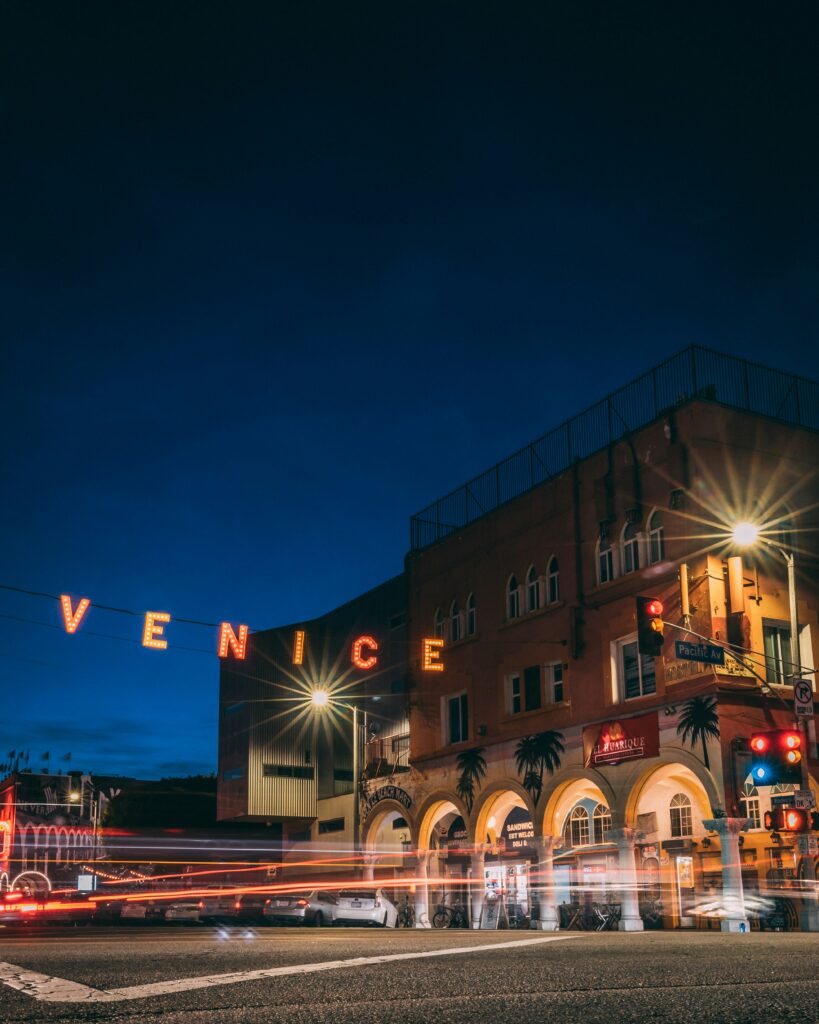
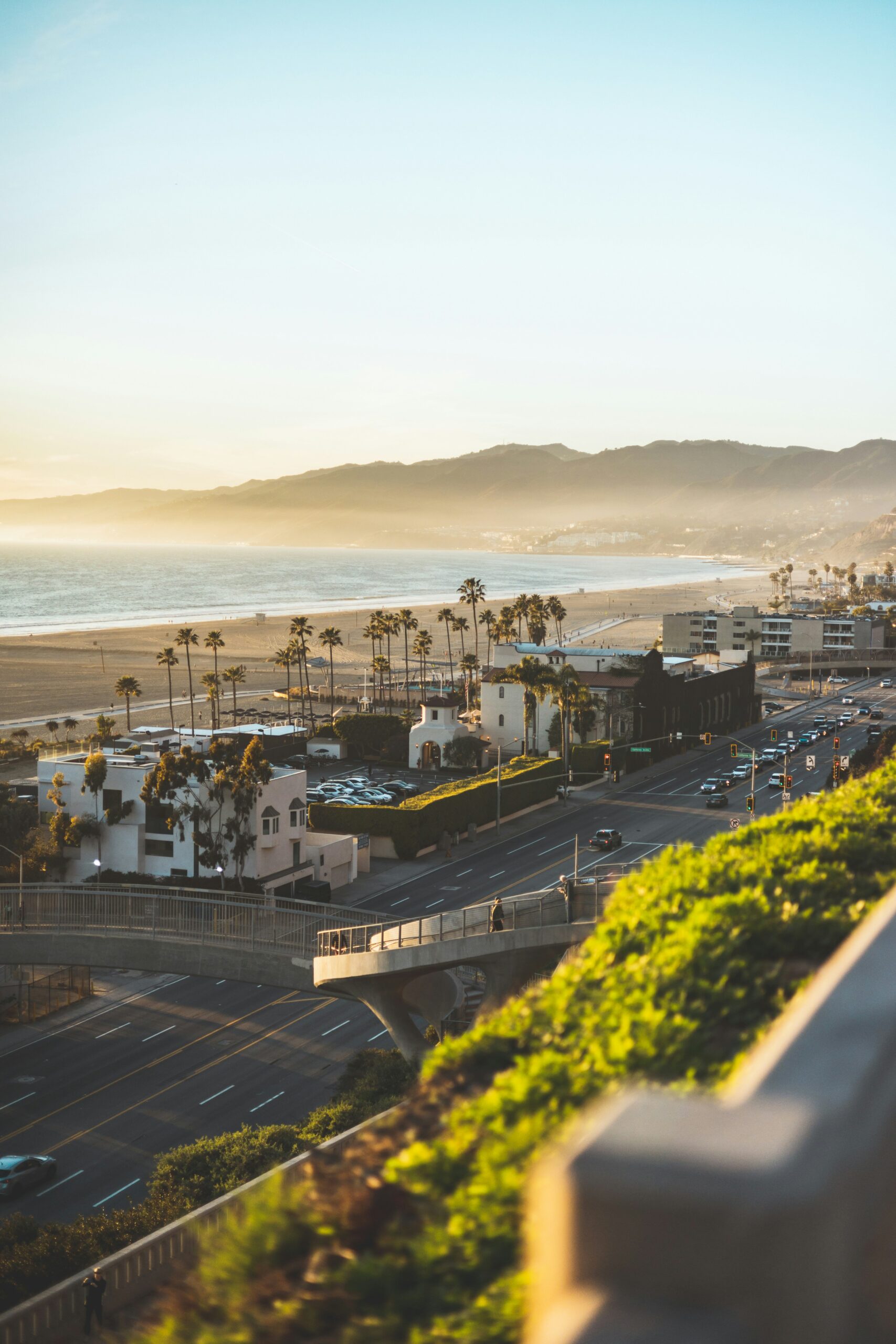
Essential experiences usually include Griffith Observatory for city context, time around Santa Monica Pier and the beach, a walk through Venice Beach, and a visit to the Getty Center. These explain scale, lifestyle, and contrast quickly.

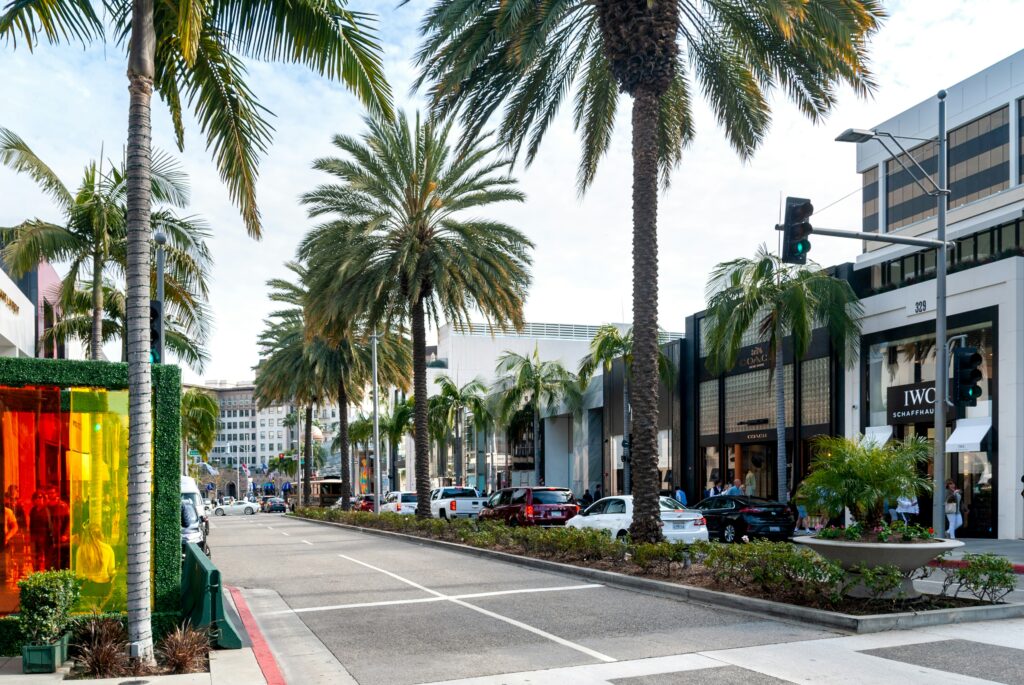
Popular additions often come next. Visitors usually add Universal Studios Hollywood, time in Beverly Hills, or a day in Downtown Los Angeles for museums and food halls. These work best as half-days paired with nearby meals.

More niche options include coastal drives toward Malibu, hiking at Runyon Canyon, exploring Koreatown for food, or spending time in the Arts District. These add texture once the basics are covered.

If you want to see how these fit together by area, time block, or interest, the dedicated Things to Do guide goes deeper without overwhelming the plan.

Our take: Do fewer things, closer together. LA feels better when you stop chasing coverage and start choosing fit.

Map and orientation

Los Angeles only becomes intuitive once you see how its parts relate. Distances are large, but friction comes from crossing zones, not from moving within them. Planning by area matters more than planning by attraction type.


The west side runs along the ocean. Santa Monica and Venice Beach sit close together and work well as one day. Driving inland from here during peak hours is slow, so coastal days are best kept self-contained.


Central LA stretches from Hollywood to Downtown. Hollywood, West Hollywood, and Beverly Hills connect logically north to south. Griffith Park rises above them, with Griffith Observatory acting as a visual anchor for the city.


Downtown Los Angeles sits east of Hollywood and feels denser and more vertical. It connects easily to the Arts District but less naturally to the coast. Treat it as its own day rather than something to combine casually.


North and west of the city, Malibu follows the coast along the Pacific Coast Highway. It works best as a single continuous drive, not as an add-on. East of Downtown, areas like Pasadena sit closer than they look and pair well with museums and gardens.

Our take: If two places do not sit comfortably together on the map, they will not work together in a day. Geography is the itinerary.

How long to stay

How long you stay in Los Angeles should reflect how much driving, flexibility, and decision-making you are comfortable with. The city does not compress well, so adding days changes quality more than quantity.

2–3 days
Enough for first impressions and core context. You can cover a viewpoint, a beach area, and one popular zone, but days feel tight. This works if LA is one stop in a longer trip, not the main focus.

4–5 days
The most balanced option for a first visit. You can split time between the coast, central areas, and one deeper interest without rushing. Days start to feel intentional instead of reactive.

6–7 days
Ideal if you want depth or slower pacing. This allows a coastal drive, cultural days, repeat neighborhoods, or a light day trip without sacrificing rest or flexibility.

With kids
Add at least one extra day. Theme parks, museums, and outdoor spaces take longer, and earlier finishes matter. Five to six days usually feels right for families.

If you want to see how these lengths translate into concrete day-by-day plans, the itineraries guide breaks them down clearly by number of days and travel style.

Getting around

Getting around Los Angeles is mostly about choosing who carries the friction. Distances are long, timing matters, and convenience usually beats theory.


Car rental
This is the most flexible option for most visitors. Expect around $45–70 per day (≈ €40–65) for a standard car, plus fuel and parking. Parking is often free in residential areas but paid in busy zones and attractions. A car lets you leave early, change plans, and avoid stacking rides.


Ridesharing (Uber, Lyft)
Works well for short hops or nights out. Typical rides within the same area cost $10–25 (≈ €9–23), while cross-city trips can reach $40–70 (≈ €35–65), especially during rush hour or surge pricing. You avoid driving but not traffic, and costs add up over several days.


Public transport
Usable but limited for visitors. Metro trains and buses cost $1.75 per ride (≈ €1.60), with day passes at $5 (≈ €4.60). It works best for Downtown, Hollywood, and a few corridors, but coverage and travel times are rarely optimal for sightseeing-heavy days.

Biking and walking
Practical only in specific areas like Santa Monica or Venice. The city is not built for long walking days between sights. Treat walking as local movement, not transport.

Our take: Rent a car if you plan to move around the city. Use ridesharing selectively. Public transport is a backup, not a backbone.

Where to stay

Where you stay in Los Angeles shapes how your days feel more than in most cities. Prioritize location over hotel category. Cutting one daily cross-city drive matters more than room size or amenities.

Santa Monica

Best for beach access, walkability, and relaxed pacing. Easy mornings, harder inland drives. Hotels usually cost $220–400 per night (≈ €200–365). Great for first-timers who value calm days and outdoor time.

West Hollywood

Central and efficient for sightseeing. Good access to Hollywood, Beverly Hills, and dining. Nightlife nearby but manageable. Expect $200–350 per night (≈ €185–320). Works well if you want balanced days and minimal driving.

Hollywood

Convenient for short stays and public transport access. Mixed quality and busier streets. Hotels range $150–280 (≈ €140–255). Fine if location matters more than atmosphere.

Downtown Los Angeles

Best for museums, food halls, and business-style hotels. Less relaxed evenings and limited walkability after dark. Prices often $160–300 (≈ €145–275). Good for culture-focused trips.

Venice

Creative and casual, best for daytime living. Nights are quieter. Smaller hotels and rentals around $200–350 (≈ €185–320). Works if you plan beach-heavy days.

Beverly Hills

Polished, quiet, and expensive. Easy parking, calm nights. Expect $300–600 (≈ €275–550). Fits travelers who value comfort and quiet over proximity.

Our take: Stay where you plan to spend mornings. Central areas like West Hollywood work best for most first trips. Beach areas feel great but lock you into the west side.

What and where to eat

Eating in Los Angeles is informal, fast, and spread out. Meals fit between drives and plans, and quality shows up in everyday places. You do not need reservations to eat well, but timing and location matter.

What to eat
Street tacos are the baseline. Expect $2–4 per taco (≈ €1.80–3.60) from trucks and counters, eaten standing up. Korean barbecue is the social meal, usually $35–60 per person (≈ €32–55) depending on cuts and sharing. Casual sit-down Mexican, burgers, and breakfast spots typically land at $15–25 (≈ €14–23). Trendy dinners and chef-led rooms move to $40–80 (≈ €37–75) before drinks.

Where to eat
Food clusters follow neighborhoods. Koreatown is the reference for Korean barbecue and late hours. Downtown Los Angeles works for food halls and variety in one stop. Santa Monica and Venice suit casual breakfasts and daytime meals. West Hollywood concentrates popular dinners and reservations.

If you want concrete picks by meal type and neighborhood, the dedicated What and Where to Eat guide breaks it down clearly without overplanning.

Practical tips

Los Angeles trips work best when expectations match reality. These tips focus on decisions that reduce friction and improve day-to-day flow.

  • Plan by area: Build days around neighborhoods, not themes.
  • Start early: Mornings mean clearer views and lighter traffic.
  • Rent a car: Flexibility usually outweighs the cost.
  • Limit big drives: One long drive per day is enough.
  • Eat nearby: Good food exists everywhere, avoid cross-city detours.
  • Book selectively: Reserve only key dinners or attractions.
  • Check parking: Know parking rules before stopping.
  • End days early: Late traffic drains energy fast.

FAQs

Is Los Angeles a good first trip to the United States?

Yes, if you are comfortable with driving and flexible planning. Los Angeles offers weather stability, food variety, and cultural contrast without requiring constant scheduling. It is less efficient than compact cities, but easier to enjoy at your own pace.

Do I need to rent a car to visit Los Angeles properly?

For most visitors, yes. A car gives control over timing and reduces friction. Public transport works in limited areas, but many key neighborhoods are poorly connected for sightseeing-heavy trips.

How many days do I realistically need in Los Angeles?

Four to five days is the sweet spot for a first visit. This allows time for the coast, central areas, one cultural day, and flexibility. Fewer days feel rushed, more days help only if you slow down.

Is Los Angeles safe for tourists?

Generally yes, but awareness matters. Some areas change block by block, especially Downtown at night. Stick to active areas, avoid empty streets late, and follow basic city precautions.

Is Los Angeles very expensive compared to other cities?

It is mid to high range for US cities. Accommodation and transport drive costs more than food or attractions. Good planning can keep daily expenses predictable without sacrificing comfort.

Can I see everything without visiting theme parks?

Absolutely. Theme parks are optional. Many visitors skip them entirely and focus on neighborhoods, food, viewpoints, and coastal drives without feeling they missed the core experience.

Is Los Angeles good to visit with kids?

Yes, especially with extra time. Museums, parks, beaches, and theme parks work well for families. Days need to be shorter and more structured, but the city adapts well to family travel.

What is the biggest mistake first-time visitors make?

Trying to do too much in one day. Crossing the city multiple times quickly turns sightseeing into logistics. Fewer stops, grouped by area, lead to better days.

Is Los Angeles walkable?

Only locally. Some neighborhoods are walkable on their own, but distances between them are large. Expect to combine walking with driving or ridesharing.

When is the best time of day to explore?

Morning. Traffic is lighter, views are clearer, and popular areas feel calmer. Late afternoons and evenings are better kept flexible.

Should I stay near the beach or in a central area?

Central areas like West Hollywood work best for most first trips. Beach areas feel great but lock you into the west side and longer drives inland.

Is Los Angeles worth revisiting?

Yes. First visits build orientation. Return trips feel easier and more personal, with less pressure to see highlights and more room to explore specific interests.

Los Angeles travel guide

Last updated on February 11, 2026

Intro

Los Angeles feels less like a city you visit and more like a place you settle into for a few days. Distances are real, days unfold slowly, and plans work best when they stay flexible. You are rarely rushing between sights. You are choosing where to spend time.


What defines Los Angeles is contrast. One morning you are above the city looking out over miles of streets. That same afternoon you are by the ocean, eating casually, watching people pass. The shift is fast, but it never feels forced.


The city rewards calm decisions. Fewer stops, earlier starts, and realistic expectations go a long way. When you accept that not everything fits and stop trying to make it, Los Angeles becomes easy to enjoy.

When to visit

Los Angeles works year-round, but the experience changes depending on crowds, light, and how much flexibility you want. Choosing the right period is less about weather and more about how busy the city feels and how your days will flow.

Spring (March–May)
One of the easiest times to visit Los Angeles. Days are mild, views are clearer after winter rain, and crowds stay manageable. Outdoor plans, neighborhoods, and viewpoints all work without forcing early starts.

Summer (June–August)
Best for beach time and long evenings, but also the most demanding. Coastal areas fill fast, traffic increases, and inland heat shapes the day. It works if you start early and accept slower pacing.

Fall (September–November)
Often the most balanced period. Warm days, fewer tourists, and calmer streets make it easier to move around. Museums, food-focused days, and coastal drives feel less rushed than in summer.

Winter (December–February)
Quieter and more affordable outside holiday weeks. Cooler evenings and occasional rain shift focus toward food, museums, and neighborhoods. Views improve after storms, but beach days are limited.

If timing is important to you, the dedicated Best Time to Visit guide goes deeper into seasons, crowds, prices, and traveler profiles without overcomplicating the decision.

Our take: For most travelers, spring and early fall offer the best balance of pace, clarity, and flexibility.

[travel_quick_facts]

Who is it worth visiting for?

Los Angeles is not a universal fit. It works extremely well for some travel styles and poorly for others. Knowing which side you fall on matters more than how long you stay.

Worth visiting if you like flexibility and contrast

If you enjoy choosing as you go, mixing neighborhoods, and letting days evolve, LA fits well. You can pair views, food, and downtime without committing to rigid schedules. The city rewards calm pacing.

Worth visiting if you are curious about everyday American life

Beyond landmarks, LA shows how people actually live. Neighborhood routines, casual eating, and car-based days are part of the experience. If that interests you, the city feels real rather than staged.

Worth visiting if food, culture, and climate all matter

You get strong food variety, year-round usable weather, and access to museums, beaches, and events in one trip. You do not need to choose one theme and ignore the rest.


Less worth visiting if you:

  • want walkable sightseeing days
    If you expect to move mostly on foot between major sights, LA will frustrate you. Distances are large, and driving is part of the daily rhythm whether you like it or not.
  • dislike planning trade-offs
    You cannot see everything here. If skipping things creates stress or you prefer compact cities where highlights stack easily, LA may feel inefficient rather than exciting.
  • want constant spectacle
    Many moments in LA are subtle. If you want dense, high-impact sightseeing from morning to night, the city can feel slow or empty between highlights.


Our take: Los Angeles is worth it if you value freedom over efficiency. If you need structure and density, there are easier cities to enjoy.

What to do

Los Angeles offers a wide range of activities, but what matters is choosing what fits together geographically and energetically. Most visits work best when you mix one defining experience per day with lighter, nearby stops.

Essential experiences usually include Griffith Observatory for city context, time around Santa Monica Pier and the beach, a walk through Venice Beach, and a visit to the Getty Center. These explain scale, lifestyle, and contrast quickly.

Popular additions often come next. Visitors usually add Universal Studios Hollywood, time in Beverly Hills, or a day in Downtown Los Angeles for museums and food halls. These work best as half-days paired with nearby meals.

More niche options include coastal drives toward Malibu, hiking at Runyon Canyon, exploring Koreatown for food, or spending time in the Arts District. These add texture once the basics are covered.

If you want to see how these fit together by area, time block, or interest, the dedicated Things to Do guide goes deeper without overwhelming the plan.

Our take: Do fewer things, closer together. LA feels better when you stop chasing coverage and start choosing fit.

How long to stay

How long you stay in Los Angeles should reflect how much driving, flexibility, and decision-making you are comfortable with. The city does not compress well, so adding days changes quality more than quantity.

2–3 days
Enough for first impressions and core context. You can cover a viewpoint, a beach area, and one popular zone, but days feel tight. This works if LA is one stop in a longer trip, not the main focus.

4–5 days
The most balanced option for a first visit. You can split time between the coast, central areas, and one deeper interest without rushing. Days start to feel intentional instead of reactive.

6–7 days
Ideal if you want depth or slower pacing. This allows a coastal drive, cultural days, repeat neighborhoods, or a light day trip without sacrificing rest or flexibility.

With kids
Add at least one extra day. Theme parks, museums, and outdoor spaces take longer, and earlier finishes matter. Five to six days usually feels right for families.

If you want to see how these lengths translate into concrete day-by-day plans, the itineraries guide breaks them down clearly by number of days and travel style.

What and where to eat

Eating in Los Angeles is informal, fast, and spread out. Meals fit between drives and plans, and quality shows up in everyday places. You do not need reservations to eat well, but timing and location matter.

What to eat
Street tacos are the baseline. Expect $2–4 per taco (≈ €1.80–3.60) from trucks and counters, eaten standing up. Korean barbecue is the social meal, usually $35–60 per person (≈ €32–55) depending on cuts and sharing. Casual sit-down Mexican, burgers, and breakfast spots typically land at $15–25 (≈ €14–23). Trendy dinners and chef-led rooms move to $40–80 (≈ €37–75) before drinks.

Where to eat
Food clusters follow neighborhoods. Koreatown is the reference for Korean barbecue and late hours. Downtown Los Angeles works for food halls and variety in one stop. Santa Monica and Venice suit casual breakfasts and daytime meals. West Hollywood concentrates popular dinners and reservations.

If you want concrete picks by meal type and neighborhood, the dedicated What and Where to Eat guide breaks it down clearly without overplanning.

Practical tips

Los Angeles trips work best when expectations match reality. These tips focus on decisions that reduce friction and improve day-to-day flow.

  • Plan by area: Build days around neighborhoods, not themes.
  • Start early: Mornings mean clearer views and lighter traffic.
  • Rent a car: Flexibility usually outweighs the cost.
  • Limit big drives: One long drive per day is enough.
  • Eat nearby: Good food exists everywhere, avoid cross-city detours.
  • Book selectively: Reserve only key dinners or attractions.
  • Check parking: Know parking rules before stopping.
  • End days early: Late traffic drains energy fast.

FAQs

Is Los Angeles a good first trip to the United States?

Yes, if you are comfortable with driving and flexible planning. Los Angeles offers weather stability, food variety, and cultural contrast without requiring constant scheduling. It is less efficient than compact cities, but easier to enjoy at your own pace.

Do I need to rent a car to visit Los Angeles properly?

For most visitors, yes. A car gives control over timing and reduces friction. Public transport works in limited areas, but many key neighborhoods are poorly connected for sightseeing-heavy trips.

How many days do I realistically need in Los Angeles?

Four to five days is the sweet spot for a first visit. This allows time for the coast, central areas, one cultural day, and flexibility. Fewer days feel rushed, more days help only if you slow down.

Is Los Angeles safe for tourists?

Generally yes, but awareness matters. Some areas change block by block, especially Downtown at night. Stick to active areas, avoid empty streets late, and follow basic city precautions.

Is Los Angeles very expensive compared to other cities?

It is mid to high range for US cities. Accommodation and transport drive costs more than food or attractions. Good planning can keep daily expenses predictable without sacrificing comfort.

Can I see everything without visiting theme parks?

Absolutely. Theme parks are optional. Many visitors skip them entirely and focus on neighborhoods, food, viewpoints, and coastal drives without feeling they missed the core experience.

Is Los Angeles good to visit with kids?

Yes, especially with extra time. Museums, parks, beaches, and theme parks work well for families. Days need to be shorter and more structured, but the city adapts well to family travel.

What is the biggest mistake first-time visitors make?

Trying to do too much in one day. Crossing the city multiple times quickly turns sightseeing into logistics. Fewer stops, grouped by area, lead to better days.

Is Los Angeles walkable?

Only locally. Some neighborhoods are walkable on their own, but distances between them are large. Expect to combine walking with driving or ridesharing.

When is the best time of day to explore?

Morning. Traffic is lighter, views are clearer, and popular areas feel calmer. Late afternoons and evenings are better kept flexible.

Should I stay near the beach or in a central area?

Central areas like West Hollywood work best for most first trips. Beach areas feel great but lock you into the west side and longer drives inland.

Is Los Angeles worth revisiting?

Yes. First visits build orientation. Return trips feel easier and more personal, with less pressure to see highlights and more room to explore specific interests.

HELP US IMPROVE

How likely are you to recommend Know to Travel to a friend or fellow traveler?

Not likely at all
Extremely likely