Geneva travel guide

Last updated on February 24, 2026

Intro

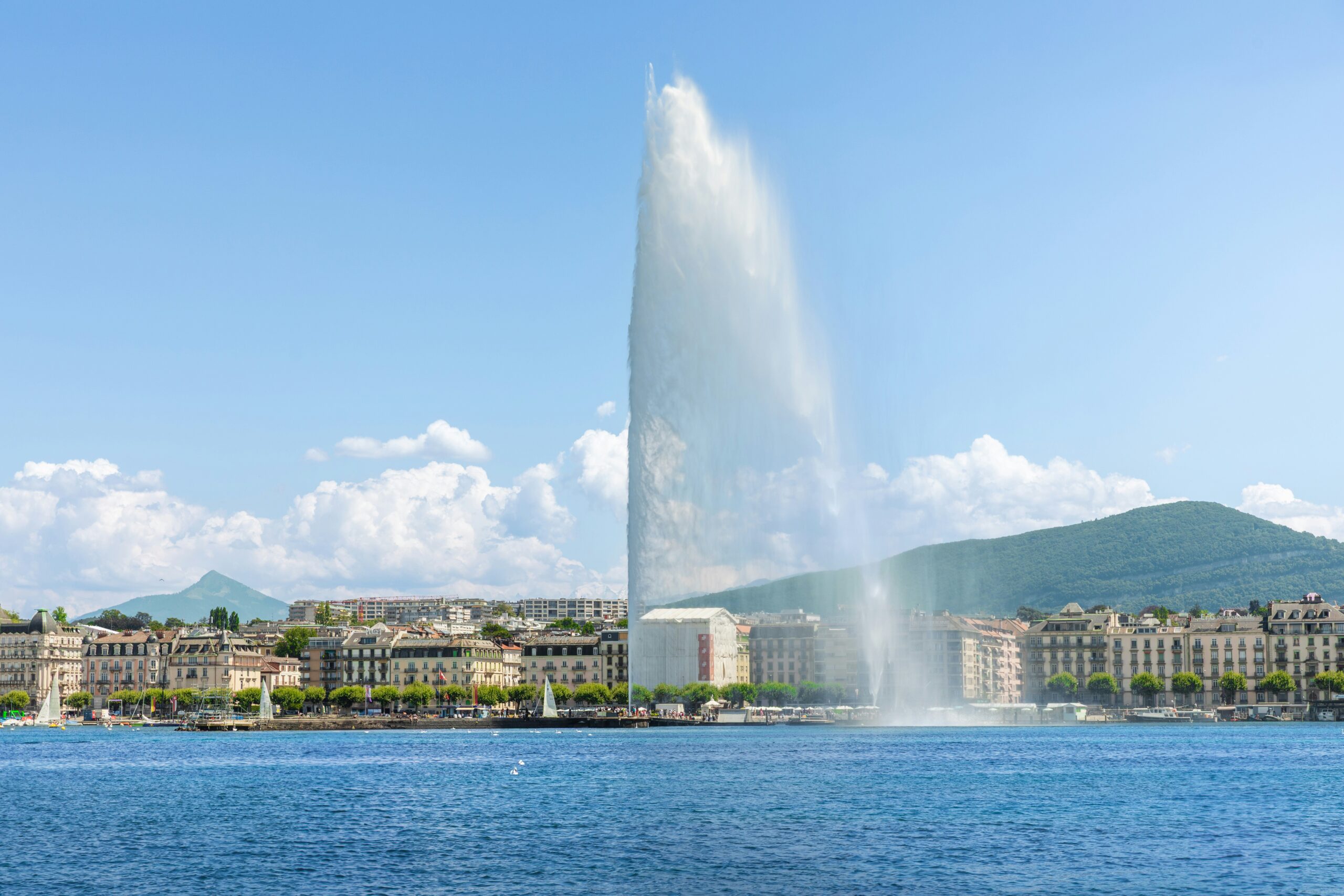
If you ask someone who’s been to Geneva what it’s like, they’ll probably tell you this: it’s easy, it’s beautiful, and it just makes sense. The city wraps around the lake, the Old Town sits slightly above the Rhône, and the Jet d’Eau shoots into the sky like a permanent landmark. Everything important is close together, so you spend more time enjoying and less time figuring things out.


One of the best parts? The lake isn’t just for looking at. In summer, people actually swim in it – before work, after lunch, on sunny afternoons. You can walk the historic center in the morning, have lunch by the water, visit a museum in the afternoon, and still feel unhurried. And because you’re in Switzerland, you naturally indulge a little: proper cheese fondue, lake fish, and very good chocolate that somehow always ends up in your bag.


Then there’s the bonus: mountains are never far away. Stay an extra day and you’re in the Lavaux vineyards, in Montreux, or across the border looking at Mont Blanc in Chamonix. In winter, skiing is within easy reach. That balance – calm city, swimable lake, serious food, and quick access to the Alps – is what makes Geneva quietly special.

When to visit

Timing matters in Geneva. The lake, conference calendar, and access to the Alps shape the atmosphere and prices more than most first-time visitors expect.

Late spring and early autumn (May–June, September)
This is the sweet spot. Long daylight, comfortable temperatures, active terraces, and usable lake time without peak summer density. Hotel prices are high but not at maximum, except during major trade fairs.

Summer (July–August)
Warm weather makes Bains des Pâquis and the lake central to the experience. The downside is higher hotel rates and busier waterfront areas. If you are not swimming or boating, you pay premium prices for less added value.

Winter (December–March)
The city becomes calmer. December adds Christmas markets, while January and February feel quiet and efficient. It works well if you combine Geneva with ski trips to Chamonix or Swiss resorts. Not ideal for lake-focused travel.

November and early spring (March–April)
Lower prices and fewer tourists, but more grey days and limited outdoor energy. Good for museums, food, and business stays, less so for scenic lake walks.

If timing is flexible, reviewing the full seasonal breakdown will help you avoid trade fair spikes and choose based on your priorities.
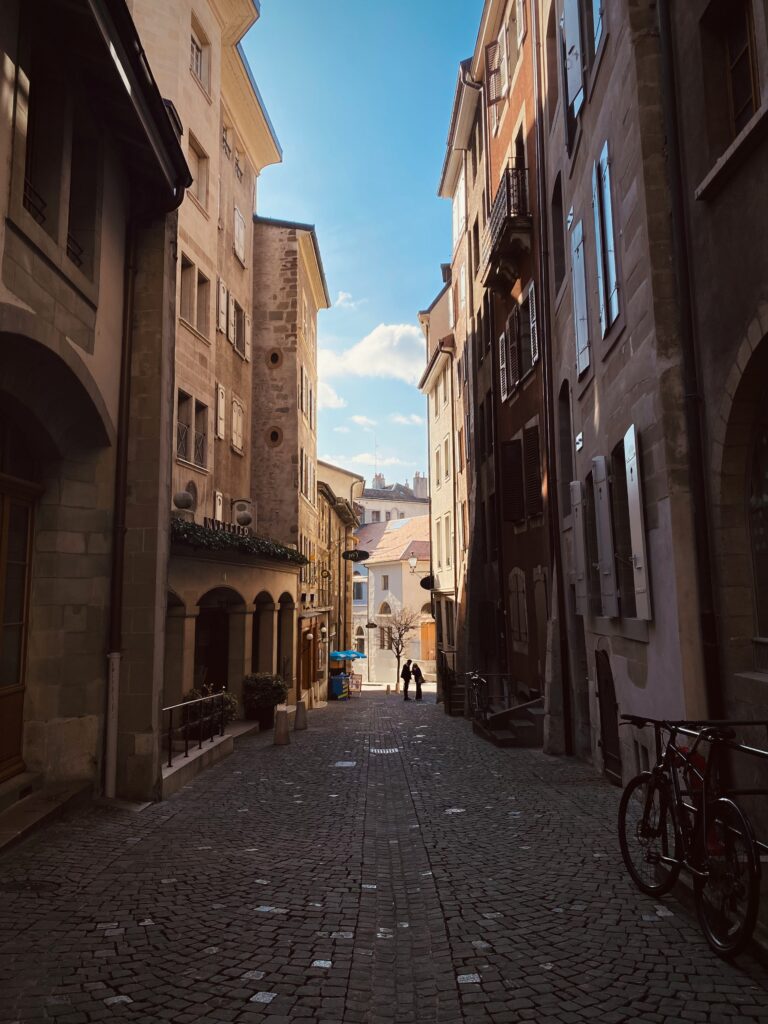
Our take: Choose late May or September for the best overall balance.

Who is it worth visiting for?

Geneva is not a volume destination. It works best for travelers who value structure, scenery, and efficient logistics. If you expect constant activity or nightlife, you may find it restrained.

Worth it for short, focused city breaks

If you like compact cities where you can walk the historic core, swim in the lake, and add one strong museum or institutional visit, Geneva fits well. Two days feel complete without pressure.

Worth it for lake and mountain combinations

Travelers who want urban comfort with easy access to Lavaux, Montreux, Annecy, or Chamonix benefit from Geneva’s location. It works particularly well if you prefer trains over driving.

Worth it for food and fine dining enthusiasts

If you appreciate precision, Swiss wines, fondue in winter, and Michelin-level dining, Geneva delivers. The downside is price. Dining here requires budget planning.

Worth it for business travelers extending a stay

If you are already coming for work, adding one or two leisure days is easy. The city is efficient, transport is strong, and logistics are simple.


It is less worth it for:


Nightlife-focused trips: Geneva is not built around late nights. Dining starts early, and options narrow after 10pm. If nightlife is your priority, other European cities offer more energy.


Budget-first travelers: accommodation and dining costs are high across tiers. Value exists, but you must plan carefully. If price sensitivity is central, alternatives nearby may stretch your budget further.

What to do

Geneva is compact, so what you do depends on how you prioritize your time. The city combines a historic core, a strong international identity, and immediate access to lake and mountains.

Start with the essentials: walk the Old Town (Vieille Ville), climb St Pierre Cathedral for orientation, see the Reformation Wall in Parc des Bastions, and follow the lakefront from Jardin Anglais to the Jet d’Eau and Bains des Pâquis. Add the International Red Cross and Red Crescent Museum for context.

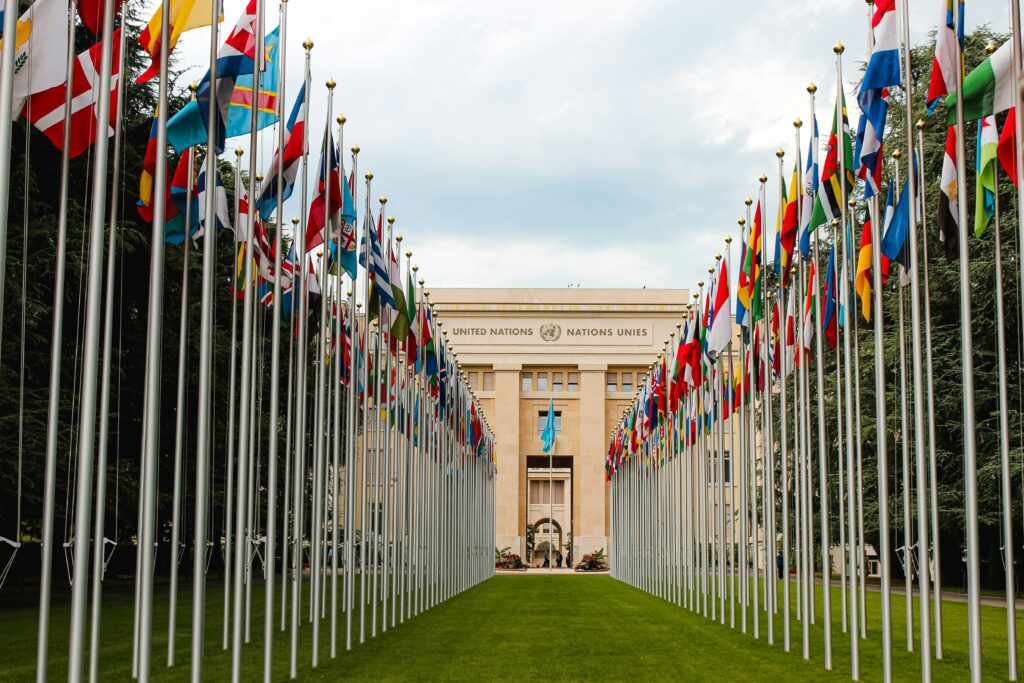
Among the most popular additions are a guided visit to the Palais des Nations, a short CGN boat cruise on Lake Geneva, and a day trip to Lavaux vineyards, Montreux, or Annecy. These expand the experience without overcomplicating logistics.

For more niche interests, consider CERN exhibitions, the Patek Philippe Museum, or an evening in Carouge for a different neighborhood feel. These are selective but worthwhile depending on your profile.

Our take: Cover the historic core and lake in one day, then choose one institutional visit or one strong day trip.

Map and orientation

Geneva is organized around the southwestern tip of Lake Geneva (Lac Léman), where the Rhône River exits the lake. The city center is compact, and most key areas sit within a tight radius that is easy to walk.


The Old Town (Vieille Ville) rises on a hill south of the Rhône. Here you’ll find St Pierre Cathedral, Place du Bourg-de-Four, and small museums within medieval streets. Just below it lies Parc des Bastions, which connects directly to the main shopping streets and leads naturally toward the lake.


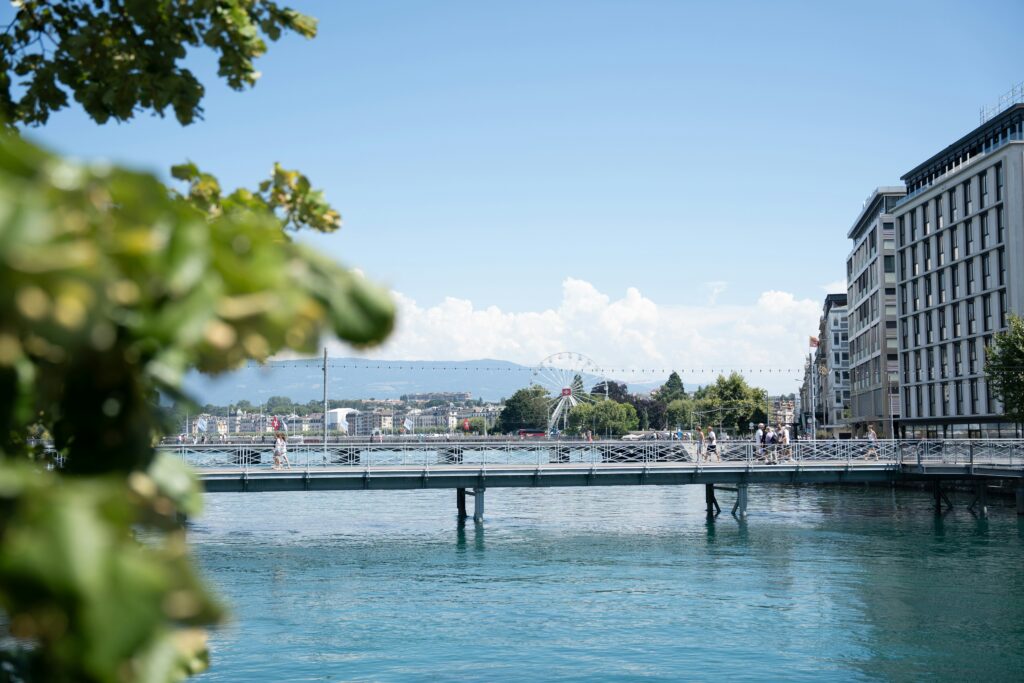
Along the waterfront, the promenade runs from Jardin Anglais past the Flower Clock to the Jet d’Eau, then onward to Bains des Pâquis and Plage des Eaux-Vives. Most central hotels sit between Gare Cornavin and the lake, making this the most practical base.


Northwest of the center is the international district, home to the Palais des Nations, the International Red Cross and Red Crescent Museum, and Palexpo. Trams connect this area to downtown in about 10–15 minutes. Across the Arve River lies Carouge, a lower-rise neighborhood with a different rhythm.

Our take: Stay near the lake or Gare Cornavin. You will walk most days and simplify logistics.

How long to stay

Geneva is not about volume. The right length depends on whether you treat it as a focused city break or as a base for the lake and nearby mountains.

Half day to 1 day
Enough for the Old Town, cathedral tower, Parc des Bastions, and a full lakefront walk to the Jet d’Eau and Bains des Pâquis. Add one museum at most. This works well in transit or on business.

2 days
The ideal balance. One full city day plus one structured day trip to Lavaux, Montreux, or Annecy. You cover Geneva properly without rushing and still add regional scenery.

3 days
Add a longer excursion such as Chamonix or Lausanne, or slow the pace with more museums and dining. This makes sense if Geneva is your base rather than a quick stop.

With kids: 2 to 3 days
Two days work well with the Natural History Museum, lake swimming areas, and parks. A third day allows a short, manageable trip to Lavaux or nearby France without overloading.

Our take: Plan 2 days. Less feels compressed, more requires deliberate day trips.

Getting around

Geneva is compact, efficient, and built for public transport. Most central sights are walkable, and when you need transit, it is reliable and simple to use.


Walking: Between Gare Cornavin, the Old Town, Jardin Anglais, the Jet d’Eau, and Bains des Pâquis, distances are short. Expect 10–20 minutes between major points. Walking is often faster than waiting for a tram in the center.


Public transport (TPG): Trams and buses connect the UN district, Carouge, and CERN efficiently. A single ticket (valid 60 minutes, city zone 10) costs around CHF 3 (≈ €3.10 / $3.30). A day pass is about CHF 10 (≈ €10.40 / $11).


It is important to know that you can get a free Geneva Transport Card for the duration of your stay. If you stay in a hotel, hostel, or official accommodation in Geneva you should request this!


It covers unlimited travel on trams, buses, trains within the city zone (zone 10), and even the small yellow lake shuttle boats (Mouettes). It is provided by your accommodation, often digitally before arrival. This means you can move around the city at no additional cost during your stay - a small but very useful benefit.


Airport transfers: Geneva Airport is about 7 minutes by train from Gare Cornavin. A standard city ticket costs roughly CHF 3 (≈ €3.10 / $3.30). Taxis to the center typically range from CHF 35–45 (≈ €36–47 / $38–50).


Boats on Lake Geneva (CGN): Short lake cruises or cross-lake connections operate regularly. Prices vary by route, but expect roughly CHF 20–40 (≈ €21–42 / $22–44) for scenic round trips.

Car rental: Generally unnecessary within the city. Useful only if you plan multiple Alpine day trips or rural vineyard visits.

Our take: Stay central and walk. Use trams for the UN district and trains for day trips. Skip the car unless leaving the region.

Where to stay

Geneva is small, but location affects daily efficiency and budget. Staying central reduces transport time and makes short stays smoother.

Between Gare Cornavin and the lake

The most practical base for first-time visitors. You can walk to the Old Town, Jet d’Eau, and Bains des Pâquis in 10–20 minutes. 4★ hotels typically range from CHF 250–400 per night (≈ €260–420 / $280–445) outside major events. Pros: walkability and transport links. Con: higher prices.

Old Town (Vieille Ville)

Charming and atmospheric, with historic buildings and quieter evenings. Ideal for couples or short stays. Expect boutique hotel rates from CHF 300–450 (≈ €315–470 / $335–500). Pros: character and proximity to sights. Con: limited hotel supply and higher costs.

International district

Good for business travelers or UN visits. Well connected by tram but less lively at night. Prices often slightly lower than lakeside luxury, around CHF 200–350 (≈ €210–365 / $225–390) depending on season.

Carouge

A more residential feel with lower-rise buildings and relaxed cafés. Suitable if you prefer quieter evenings. Tram access to the center takes about 10–15 minutes. Prices vary, but some mid-range options can be slightly more competitive.

Our take:

Stay between Gare Cornavin and the lake for maximum efficiency, especially on a 1–2 day trip.

What and where to eat

Food in Geneva is structured, precise, and expensive. Plan deliberately and you will eat well. Focus on regional classics and one strong dining room rather than trying to cover everything.

Start with cheese fondue at Café du Soleil or Les Armures in the Old Town. Expect CHF 25–35 per person (≈ €26–37 / $28–39) before drinks. In warmer months, order filets de perche near the lake at places like Brasserie des Halles de l’Île, usually CHF 35–45 (≈ €36–47 / $39–50). For a simple lakeside breakfast, Bains des Pâquis offers coffee and bread for under CHF 10 (≈ €10 / $11).

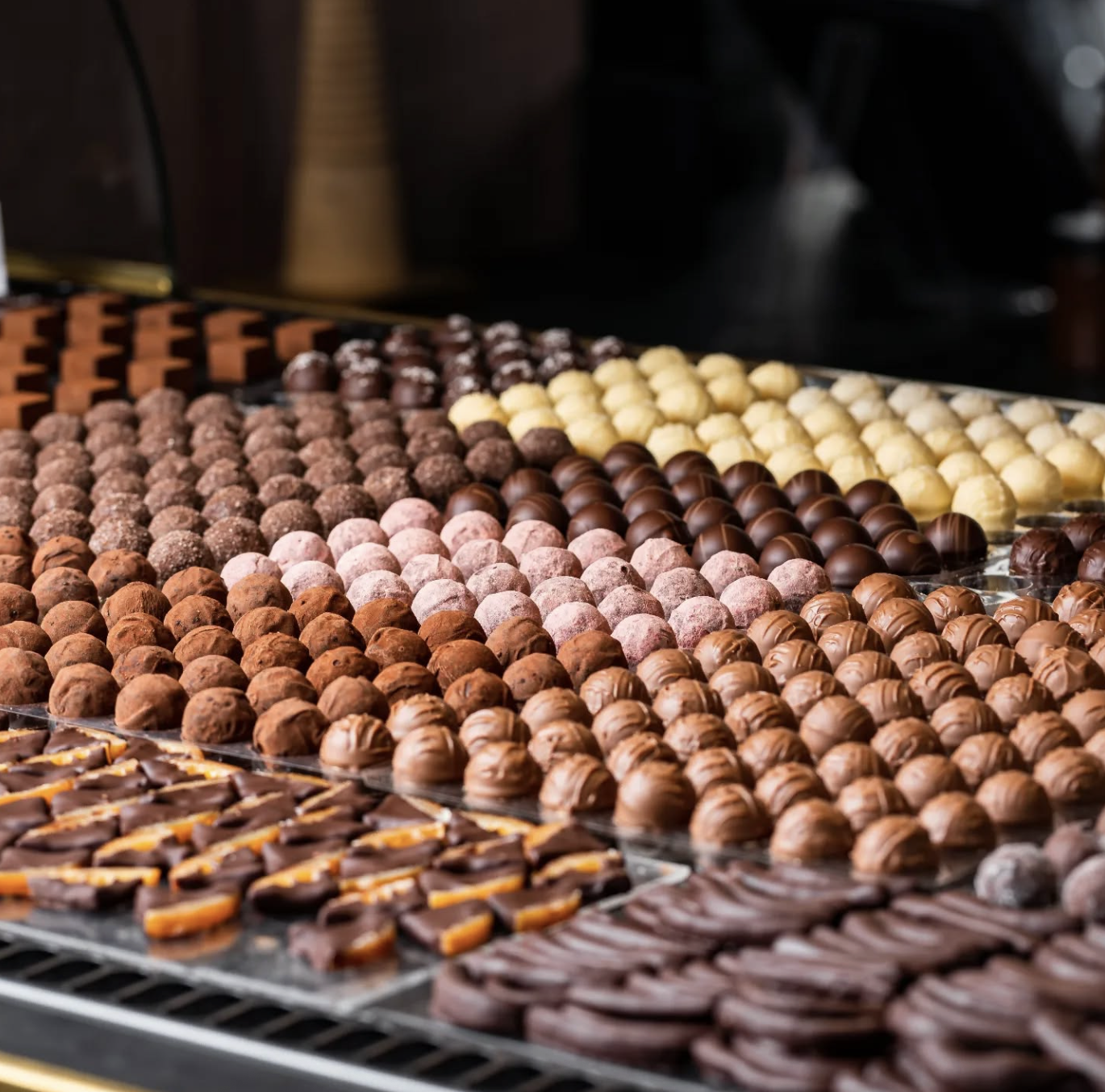
If you want something more refined, consider a tasting menu at Bayview by Michel Roth or Il Lago. Dinner here can exceed CHF 150 per person (≈ €155 / $165) with wine. For chocolate, visit Auer Chocolatier or Philippe Pascoët for well-made pralines and gifts.

Through travelers’ eyes

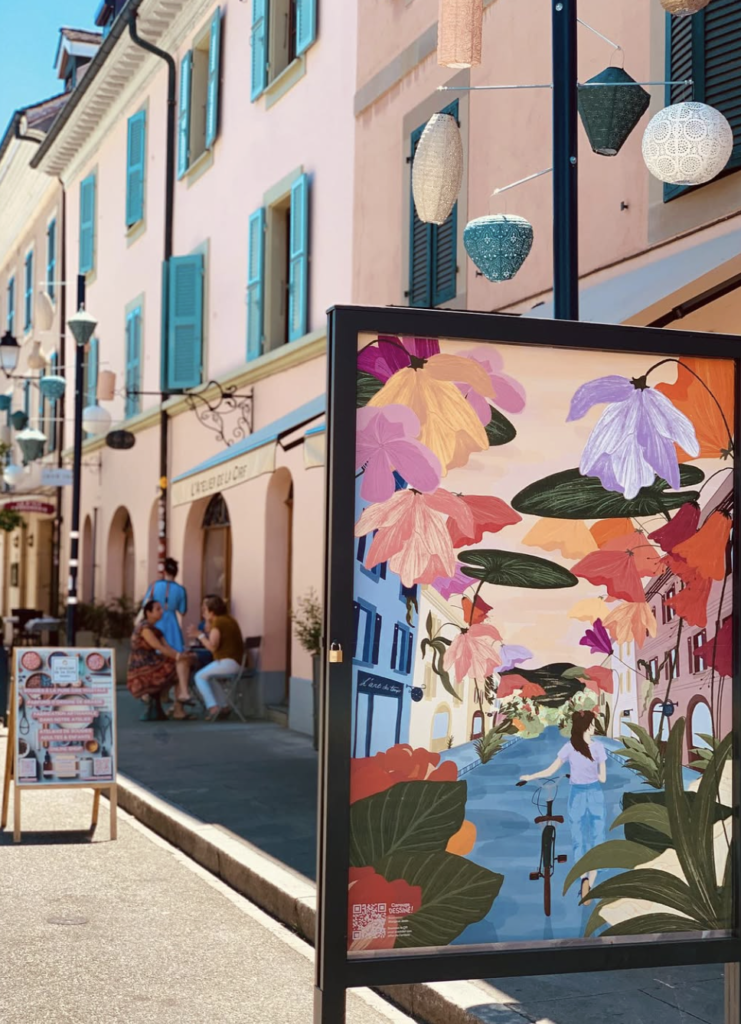
Travelers’ photos of Geneva often show the same kind of moments: morning light over the lake, rooftops glowing at sunset, swims in summer, chocolate stops in the Old Town, and vineyard views above Lavaux. These snapshots give you a real feel for the city.

Practical tips

Geneva is efficient and expensive. Small planning choices make a noticeable difference in cost, time, and overall rhythm.

  • Stay central: Between Gare Cornavin and the lake.
  • Check trade fair dates: Prices spike sharply.
  • Use hotel transport card: Free city transit.
  • Book UN/CERN early: Limited daily slots.
  • Plan 1 key day trip: Lavaux or Annecy works well.
  • Swim early in summer: Calmer at Bains des Pâquis.
  • Reserve fondue in winter: Popular and limited.
  • Watch Mont Blanc forecast: Clear skies matter.
  • Budget realistically: Food and hotels are high.
  • Avoid overscheduling: Geneva rewards slower pacing.

FAQs

Is Geneva worth visiting?

Yes, if you value a compact, well-organized city with strong lake scenery and easy access to vineyards and mountains. It is less about volume of sights and more about clarity of experience and setting.

How many days do I need in Geneva?

Two days is ideal. One day covers the Old Town and lakefront. A second allows a structured day trip to Lavaux, Montreux, Annecy, or Chamonix without rushing.

Is Geneva very expensive?

It can be yes. Accommodation, dining, and drinks are priced at Swiss levels. You can balance costs with free lake walks, parks, and selective restaurant choices, but it is not a budget destination.

Is Geneva walkable?

Very much so. The Old Town, lakefront, Jet d’Eau, and central districts are within a tight radius. Public transport is mainly needed for the UN district or CERN.

Is English widely spoken?

Yes. French is the local language, but English is widely spoken in hotels, restaurants, museums, and shops, especially given the city’s international profile.

Can I swim in Lake Geneva?

Yes, in designated areas such as Bains des Pâquis and Plage des Eaux-Vives during warmer months. Water quality is monitored and generally excellent in summer.

Is Geneva good with kids?

Yes, for short stays. The Natural History Museum, lakeside swimming, parks, and short train rides make it manageable and structured for families.

Is Geneva a good base for the Alps?

It works for short additions to places like Chamonix. For multiple mountain days, staying closer to Alpine towns is more efficient.

Do I need a car in Geneva?

No. The city is walkable and public transport is efficient. A car is only useful if you plan several rural or mountain excursions.

What is the best area to stay?

Between Gare Cornavin and the lake is the most practical choice for short stays, minimizing daily transfers and keeping main sights within walking distance.

Is Geneva lively at night?

Evenings are calm. Restaurants are active early, but nightlife is limited compared to larger European cities. Plan dinners and expect a quieter rhythm.

Is it easy to do day trips by train?

Yes. Swiss trains are reliable and frequent. Lavaux, Montreux, and Lausanne are straightforward. Cross-border trips like Annecy or Chamonix require checking schedules but are manageable.

Geneva travel guide

Last updated on February 24, 2026

Intro

If you ask someone who’s been to Geneva what it’s like, they’ll probably tell you this: it’s easy, it’s beautiful, and it just makes sense. The city wraps around the lake, the Old Town sits slightly above the Rhône, and the Jet d’Eau shoots into the sky like a permanent landmark. Everything important is close together, so you spend more time enjoying and less time figuring things out.


One of the best parts? The lake isn’t just for looking at. In summer, people actually swim in it – before work, after lunch, on sunny afternoons. You can walk the historic center in the morning, have lunch by the water, visit a museum in the afternoon, and still feel unhurried. And because you’re in Switzerland, you naturally indulge a little: proper cheese fondue, lake fish, and very good chocolate that somehow always ends up in your bag.


Then there’s the bonus: mountains are never far away. Stay an extra day and you’re in the Lavaux vineyards, in Montreux, or across the border looking at Mont Blanc in Chamonix. In winter, skiing is within easy reach. That balance – calm city, swimable lake, serious food, and quick access to the Alps – is what makes Geneva quietly special.

When to visit

Timing matters in Geneva. The lake, conference calendar, and access to the Alps shape the atmosphere and prices more than most first-time visitors expect.

Late spring and early autumn (May–June, September)
This is the sweet spot. Long daylight, comfortable temperatures, active terraces, and usable lake time without peak summer density. Hotel prices are high but not at maximum, except during major trade fairs.

Summer (July–August)
Warm weather makes Bains des Pâquis and the lake central to the experience. The downside is higher hotel rates and busier waterfront areas. If you are not swimming or boating, you pay premium prices for less added value.

Winter (December–March)
The city becomes calmer. December adds Christmas markets, while January and February feel quiet and efficient. It works well if you combine Geneva with ski trips to Chamonix or Swiss resorts. Not ideal for lake-focused travel.

November and early spring (March–April)
Lower prices and fewer tourists, but more grey days and limited outdoor energy. Good for museums, food, and business stays, less so for scenic lake walks.

If timing is flexible, reviewing the full seasonal breakdown will help you avoid trade fair spikes and choose based on your priorities.
Our take: Choose late May or September for the best overall balance.

[travel_quick_facts]

Who is it worth visiting for?

Geneva is not a volume destination. It works best for travelers who value structure, scenery, and efficient logistics. If you expect constant activity or nightlife, you may find it restrained.

Worth it for short, focused city breaks

If you like compact cities where you can walk the historic core, swim in the lake, and add one strong museum or institutional visit, Geneva fits well. Two days feel complete without pressure.

Worth it for lake and mountain combinations

Travelers who want urban comfort with easy access to Lavaux, Montreux, Annecy, or Chamonix benefit from Geneva’s location. It works particularly well if you prefer trains over driving.

Worth it for food and fine dining enthusiasts

If you appreciate precision, Swiss wines, fondue in winter, and Michelin-level dining, Geneva delivers. The downside is price. Dining here requires budget planning.

Worth it for business travelers extending a stay

If you are already coming for work, adding one or two leisure days is easy. The city is efficient, transport is strong, and logistics are simple.


It is less worth it for:


Nightlife-focused trips: Geneva is not built around late nights. Dining starts early, and options narrow after 10pm. If nightlife is your priority, other European cities offer more energy.


Budget-first travelers: accommodation and dining costs are high across tiers. Value exists, but you must plan carefully. If price sensitivity is central, alternatives nearby may stretch your budget further.

What to do

Geneva is compact, so what you do depends on how you prioritize your time. The city combines a historic core, a strong international identity, and immediate access to lake and mountains.

Start with the essentials: walk the Old Town (Vieille Ville), climb St Pierre Cathedral for orientation, see the Reformation Wall in Parc des Bastions, and follow the lakefront from Jardin Anglais to the Jet d’Eau and Bains des Pâquis. Add the International Red Cross and Red Crescent Museum for context.

Among the most popular additions are a guided visit to the Palais des Nations, a short CGN boat cruise on Lake Geneva, and a day trip to Lavaux vineyards, Montreux, or Annecy. These expand the experience without overcomplicating logistics.

For more niche interests, consider CERN exhibitions, the Patek Philippe Museum, or an evening in Carouge for a different neighborhood feel. These are selective but worthwhile depending on your profile.

Our take: Cover the historic core and lake in one day, then choose one institutional visit or one strong day trip.

How long to stay

Geneva is not about volume. The right length depends on whether you treat it as a focused city break or as a base for the lake and nearby mountains.

Half day to 1 day
Enough for the Old Town, cathedral tower, Parc des Bastions, and a full lakefront walk to the Jet d’Eau and Bains des Pâquis. Add one museum at most. This works well in transit or on business.

2 days
The ideal balance. One full city day plus one structured day trip to Lavaux, Montreux, or Annecy. You cover Geneva properly without rushing and still add regional scenery.

3 days
Add a longer excursion such as Chamonix or Lausanne, or slow the pace with more museums and dining. This makes sense if Geneva is your base rather than a quick stop.

With kids: 2 to 3 days
Two days work well with the Natural History Museum, lake swimming areas, and parks. A third day allows a short, manageable trip to Lavaux or nearby France without overloading.

Our take: Plan 2 days. Less feels compressed, more requires deliberate day trips.

What and where to eat

Food in Geneva is structured, precise, and expensive. Plan deliberately and you will eat well. Focus on regional classics and one strong dining room rather than trying to cover everything.

Start with cheese fondue at Café du Soleil or Les Armures in the Old Town. Expect CHF 25–35 per person (≈ €26–37 / $28–39) before drinks. In warmer months, order filets de perche near the lake at places like Brasserie des Halles de l’Île, usually CHF 35–45 (≈ €36–47 / $39–50). For a simple lakeside breakfast, Bains des Pâquis offers coffee and bread for under CHF 10 (≈ €10 / $11).

If you want something more refined, consider a tasting menu at Bayview by Michel Roth or Il Lago. Dinner here can exceed CHF 150 per person (≈ €155 / $165) with wine. For chocolate, visit Auer Chocolatier or Philippe Pascoët for well-made pralines and gifts.

Practical tips

Geneva is efficient and expensive. Small planning choices make a noticeable difference in cost, time, and overall rhythm.

  • Stay central: Between Gare Cornavin and the lake.
  • Check trade fair dates: Prices spike sharply.
  • Use hotel transport card: Free city transit.
  • Book UN/CERN early: Limited daily slots.
  • Plan 1 key day trip: Lavaux or Annecy works well.
  • Swim early in summer: Calmer at Bains des Pâquis.
  • Reserve fondue in winter: Popular and limited.
  • Watch Mont Blanc forecast: Clear skies matter.
  • Budget realistically: Food and hotels are high.
  • Avoid overscheduling: Geneva rewards slower pacing.

Through travelers’ eyes

Travelers’ photos of Geneva often show the same kind of moments: morning light over the lake, rooftops glowing at sunset, swims in summer, chocolate stops in the Old Town, and vineyard views above Lavaux. These snapshots give you a real feel for the city.

FAQs

Is Geneva worth visiting?

Yes, if you value a compact, well-organized city with strong lake scenery and easy access to vineyards and mountains. It is less about volume of sights and more about clarity of experience and setting.

How many days do I need in Geneva?

Two days is ideal. One day covers the Old Town and lakefront. A second allows a structured day trip to Lavaux, Montreux, Annecy, or Chamonix without rushing.

Is Geneva very expensive?

It can be yes. Accommodation, dining, and drinks are priced at Swiss levels. You can balance costs with free lake walks, parks, and selective restaurant choices, but it is not a budget destination.

Is Geneva walkable?

Very much so. The Old Town, lakefront, Jet d’Eau, and central districts are within a tight radius. Public transport is mainly needed for the UN district or CERN.

Is English widely spoken?

Yes. French is the local language, but English is widely spoken in hotels, restaurants, museums, and shops, especially given the city’s international profile.

Can I swim in Lake Geneva?

Yes, in designated areas such as Bains des Pâquis and Plage des Eaux-Vives during warmer months. Water quality is monitored and generally excellent in summer.

Is Geneva good with kids?

Yes, for short stays. The Natural History Museum, lakeside swimming, parks, and short train rides make it manageable and structured for families.

Is Geneva a good base for the Alps?

It works for short additions to places like Chamonix. For multiple mountain days, staying closer to Alpine towns is more efficient.

Do I need a car in Geneva?

No. The city is walkable and public transport is efficient. A car is only useful if you plan several rural or mountain excursions.

What is the best area to stay?

Between Gare Cornavin and the lake is the most practical choice for short stays, minimizing daily transfers and keeping main sights within walking distance.

Is Geneva lively at night?

Evenings are calm. Restaurants are active early, but nightlife is limited compared to larger European cities. Plan dinners and expect a quieter rhythm.

Is it easy to do day trips by train?

Yes. Swiss trains are reliable and frequent. Lavaux, Montreux, and Lausanne are straightforward. Cross-border trips like Annecy or Chamonix require checking schedules but are manageable.

HELP US IMPROVE

How likely are you to recommend Know to Travel to a friend or fellow traveler?

Not likely at all
Extremely likely