Florence itineraries (with examples!)

Last updated on February 28, 2026

Intro

Planning Florence well is genuinely satisfying. In a compact historic center, you can combine world-class museums, Renaissance architecture, proper trattoria meals and gelato breaks, and even a Tuscany day trip without wasting time in transit.


This guide lays out clear 1 day, 2 day, and 3 day itineraries, organized by neighborhood and timed entry logic. You will see how to sequence the Duomo, Uffizi, and Accademia without backtracking, where to place viewpoints like Piazzale Michelangelo, and when a half day escape to Siena or Chianti makes sense.


Florence rewards structured planning. With fixed museum slots and walkable distances, a well built itinerary changes the experience from crowded and rushed to focused and efficient.

Essential and popular things to do

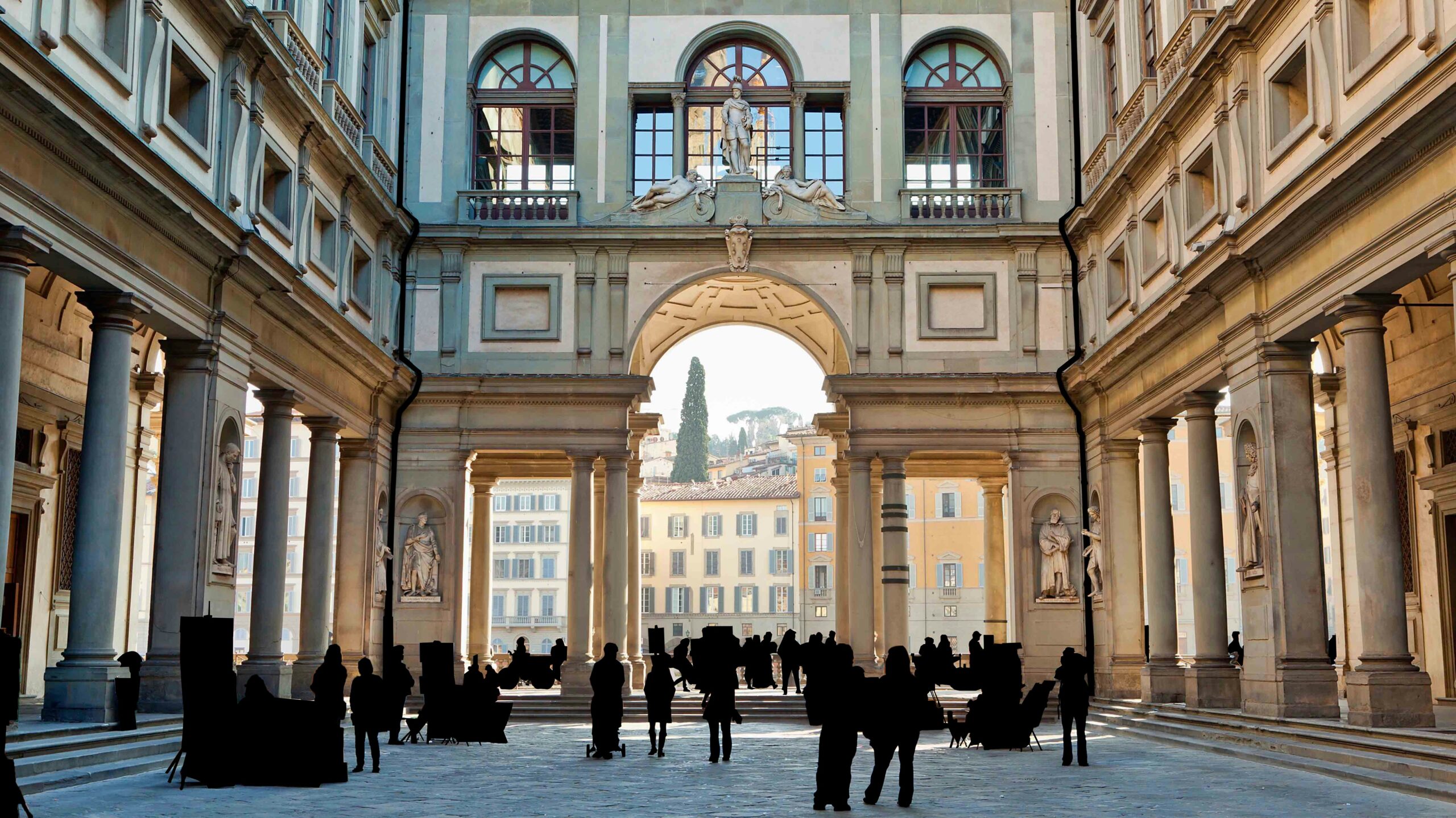
Florence concentrates a high number of landmark sites within a small radius. The Duomo complex, Uffizi Gallery, and Accademia form the core trio for most first time visitors. These three alone require advance booking and structured time slots. Add Piazza della Signoria, Ponte Vecchio, and a walk through Oltrarno, and you already have two full days.

Beyond that, popular additions include Pitti Palace and Boboli Gardens, Santa Croce, Santa Maria Novella, and Piazzale Michelangelo for sunset views. Each adds context, but they should be layered carefully to avoid museum fatigue. Florence is compact, but mentally dense.

The key is sequencing. Fix timed entries first, group nearby sites on the same day, and avoid crossing the Arno repeatedly without reason.

If you want a detailed breakdown of each sight and how to prioritize them, read our dedicated guide to activities in Florence.

How long to stay

The right length depends on whether you want only the essentials or also time for day trips and slower meals.

DURATION WHAT IT COVERS

1 day

Duomo complex exterior, Accademia or Uffizi (choose one), Piazza della Signoria, Ponte Vecchio, quick Oltrarno walk.

2 days

Duomo complex interior + Dome or Tower, Uffizi, Accademia, Piazza della Signoria, Oltrarno, Boboli Gardens or Santa Croce.

3 days

All essentials plus one major add on such as Pitti Palace or Bargello, and one half or full day trip to Siena, Pisa, or Chianti.

4 days

Essentials at slower pace, two major add ons, structured food experiences, and one full Tuscany day trip without rushing.

5+ days

Full Florence coverage plus multiple regional trips such as Siena, Lucca, and Chianti, with relaxed scheduling.

Our take: Stay at least two full days, three if possible, otherwise you will spend more time queueing than actually absorbing the city.

Detailed itineraries

Below you will find structured itinerary formats based on different lengths of stay and travel styles. Each one organizes timed entries, neighborhoods, and food stops in a way that feels logical and manageable. The flow reflects our own experience of exploring Florence a few years back and understanding how the city moves in real life.


2 Days in Florence

Covers Duomo interior and Dome or Tower climb, Uffizi, Accademia, Oltrarno district, and either Boboli Gardens or Santa Croce. Days are grouped by geography to reduce unnecessary crossings of the Arno River. This itinerary covers Florence is a nutshell!

See more about our detailed 2 days itinerary in Florence
3 Days with Kids in Florence

Reduces museum density, includes Leonardo or Galileo focused stops, Boboli Gardens for open space, gelato breaks, and optional Fiesole half day. Dome climb included only for older children comfortable with stairs.

See more about our detailed 3 days with kids itinerary in Florence

Map and orientation

Florence’s historic center is compact and mostly flat, which makes itinerary building logical if you think in zones. The Duomo, Accademia, Piazza della Signoria, and Uffizi sit north of the Arno within a tight grid of streets. Most 1 and 2 day itineraries concentrate here first because timed museum entries are clustered in this area.

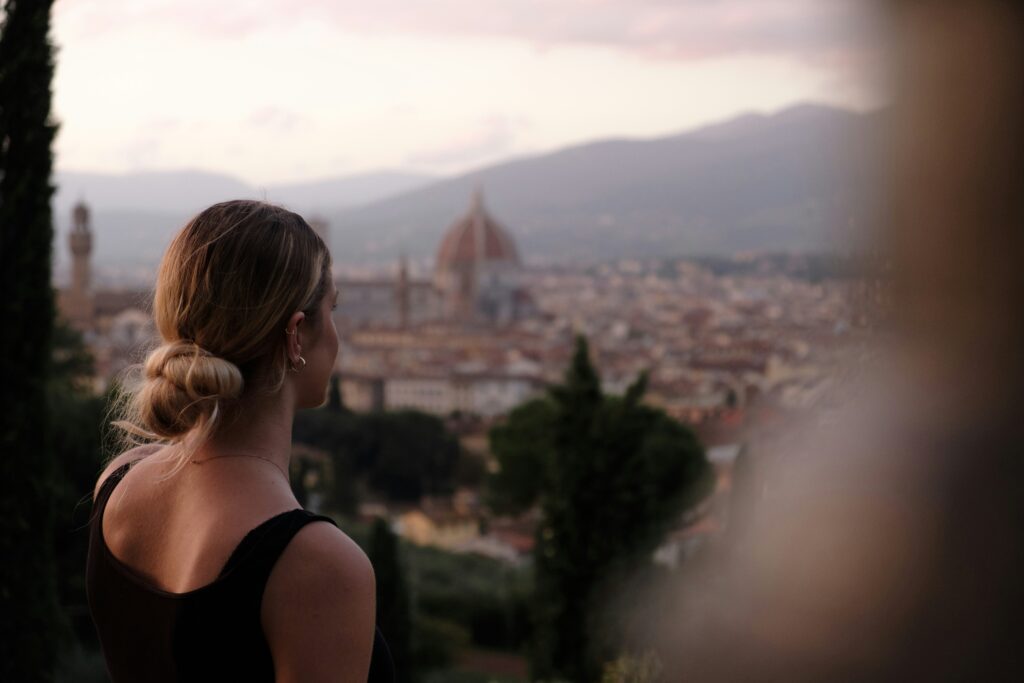
Crossing Ponte Vecchio brings you into Oltrarno, where you find Pitti Palace and Boboli Gardens. This side works well as a half day block after finishing the Uffizi, since it avoids unnecessary river crossings. Panoramic spots such as Piazzale Michelangelo and San Miniato sit uphill further south, best placed at the end of a day.

Santa Croce lies slightly east of the Duomo area, while Santa Maria Novella is closer to the train station to the west. Good itineraries move gradually across these zones instead of jumping back and forth.

Our take: Build each day around one main cluster north or south of the Arno, and cross the river only once to keep your pace efficient and realistic.

Practical tips

Florence rewards structure. A few smart decisions before arrival will save hours on site and make your days feel balanced rather than rushed.

  • Book anchors first: Secure Uffizi and Accademia before flights.
  • Group by zone: Plan one area per day to avoid backtracking.
  • Limit major museums: One large museum daily is enough.
  • Fix sunset slot: Reserve one evening for a viewpoint.
  • Add buffer time: Historic streets slow you more than maps show.
  • Pre book key dinners: Avoid losing time searching at 20:00.
  • Check closing days: Many museums close on Mondays.
  • Plan one light block: Leave half a day flexible for rest.

FAQs

Should I book museums before booking flights?

Ideally yes, especially in high season. Timed entries for the Uffizi and Accademia sell out weeks in advance. Once those are secured, you can structure flights and accommodation around fixed slots.

Is it realistic to see both Uffizi and Accademia in one day?

It is possible but demanding. Together they require about 3 to 4 focused hours plus queue time. Most travelers benefit from splitting them across two days.

How early should I start each day?

Starting around 8:30am or 9:00am helps you enter major sites before peak density (however, if you are like Sofia and you enjoy sleeping you will start later for sure! and that’s ok - just be aware that Florence becomes noticeably busier from late morning onward)

Do I need to schedule every hour?

No. Fix key tickets and one main activity per half day. Leave space for meals, unexpected closures, and slower walking through historic streets.

How much walking should I expect?

Even with good planning, expect 8 to 12 km per day. The center is compact, but repeated crossings and viewpoint climbs increase step count.

Is staying outside the historic center a problem?

Not necessarily. Areas near Santa Maria Novella station are practical and well connected. Just factor in 10 to 20 minutes of walking to reach core sights.

Can I add a day trip with only two days?

Technically yes, but it compresses Florence itself. Most visitors find three days a better minimum if they want a regional excursion.

What is the biggest itinerary mistake?

Overloading museums back to back. Florence requires mental focus. Spacing cultural sites with open air walks improves retention and enjoyment.

Should I plan restaurants in advance too?

For one or two key dinners, yes. Especially for bistecca or popular trattorie. Leaving every meal unplanned can waste time during peak hours.

Florence itineraries (with examples!)

Last updated on February 28, 2026

Intro

Planning Florence well is genuinely satisfying. In a compact historic center, you can combine world-class museums, Renaissance architecture, proper trattoria meals and gelato breaks, and even a Tuscany day trip without wasting time in transit.


This guide lays out clear 1 day, 2 day, and 3 day itineraries, organized by neighborhood and timed entry logic. You will see how to sequence the Duomo, Uffizi, and Accademia without backtracking, where to place viewpoints like Piazzale Michelangelo, and when a half day escape to Siena or Chianti makes sense.


Florence rewards structured planning. With fixed museum slots and walkable distances, a well built itinerary changes the experience from crowded and rushed to focused and efficient.

Essential and popular things to do

Florence concentrates a high number of landmark sites within a small radius. The Duomo complex, Uffizi Gallery, and Accademia form the core trio for most first time visitors. These three alone require advance booking and structured time slots. Add Piazza della Signoria, Ponte Vecchio, and a walk through Oltrarno, and you already have two full days.

Beyond that, popular additions include Pitti Palace and Boboli Gardens, Santa Croce, Santa Maria Novella, and Piazzale Michelangelo for sunset views. Each adds context, but they should be layered carefully to avoid museum fatigue. Florence is compact, but mentally dense.

The key is sequencing. Fix timed entries first, group nearby sites on the same day, and avoid crossing the Arno repeatedly without reason.

If you want a detailed breakdown of each sight and how to prioritize them, read our dedicated guide to activities in Florence.

[travel_quick_facts]

Map and orientation

Florence’s historic center is compact and mostly flat, which makes itinerary building logical if you think in zones. The Duomo, Accademia, Piazza della Signoria, and Uffizi sit north of the Arno within a tight grid of streets. Most 1 and 2 day itineraries concentrate here first because timed museum entries are clustered in this area.

Crossing Ponte Vecchio brings you into Oltrarno, where you find Pitti Palace and Boboli Gardens. This side works well as a half day block after finishing the Uffizi, since it avoids unnecessary river crossings. Panoramic spots such as Piazzale Michelangelo and San Miniato sit uphill further south, best placed at the end of a day.

Santa Croce lies slightly east of the Duomo area, while Santa Maria Novella is closer to the train station to the west. Good itineraries move gradually across these zones instead of jumping back and forth.

Our take: Build each day around one main cluster north or south of the Arno, and cross the river only once to keep your pace efficient and realistic.

Practical tips

Florence rewards structure. A few smart decisions before arrival will save hours on site and make your days feel balanced rather than rushed.

  • Book anchors first: Secure Uffizi and Accademia before flights.
  • Group by zone: Plan one area per day to avoid backtracking.
  • Limit major museums: One large museum daily is enough.
  • Fix sunset slot: Reserve one evening for a viewpoint.
  • Add buffer time: Historic streets slow you more than maps show.
  • Pre book key dinners: Avoid losing time searching at 20:00.
  • Check closing days: Many museums close on Mondays.
  • Plan one light block: Leave half a day flexible for rest.

FAQs

Should I book museums before booking flights?

Ideally yes, especially in high season. Timed entries for the Uffizi and Accademia sell out weeks in advance. Once those are secured, you can structure flights and accommodation around fixed slots.

Is it realistic to see both Uffizi and Accademia in one day?

It is possible but demanding. Together they require about 3 to 4 focused hours plus queue time. Most travelers benefit from splitting them across two days.

How early should I start each day?

Starting around 8:30am or 9:00am helps you enter major sites before peak density (however, if you are like Sofia and you enjoy sleeping you will start later for sure! and that’s ok - just be aware that Florence becomes noticeably busier from late morning onward)

Do I need to schedule every hour?

No. Fix key tickets and one main activity per half day. Leave space for meals, unexpected closures, and slower walking through historic streets.

How much walking should I expect?

Even with good planning, expect 8 to 12 km per day. The center is compact, but repeated crossings and viewpoint climbs increase step count.

Is staying outside the historic center a problem?

Not necessarily. Areas near Santa Maria Novella station are practical and well connected. Just factor in 10 to 20 minutes of walking to reach core sights.

Can I add a day trip with only two days?

Technically yes, but it compresses Florence itself. Most visitors find three days a better minimum if they want a regional excursion.

What is the biggest itinerary mistake?

Overloading museums back to back. Florence requires mental focus. Spacing cultural sites with open air walks improves retention and enjoyment.

Should I plan restaurants in advance too?

For one or two key dinners, yes. Especially for bistecca or popular trattorie. Leaving every meal unplanned can waste time during peak hours.

HELP US IMPROVE

How likely are you to recommend Know to Travel to a friend or fellow traveler?

Not likely at all
Extremely likely