Florence travel guide

Last updated on February 28, 2026

Intro

Florence is one of those rare cities where art, history, and daily life exist within the same few streets. You can stand beneath the Duomo’s dome, see Michelangelo’s David, cross Ponte Vecchio, and sit down for a proper Tuscan meal all within a short walk. Renaissance architecture, world-class museums, lively piazzas, and unforgettable food are layered into a compact, walkable center that feels both grand and intimate at the same time.


This guide brings together when to visit, what to prioritize, where to eat, how long to stay, and how to build your itinerary. You will find clear recommendations on booking major museums, grouping neighborhoods to avoid backtracking, choosing day trips, and navigating local dining customs.


Florence rewards preparation. With timed entries, limited opening days, and dense cultural content, a well planned visit changes the experience from crowded and reactive to focused and efficient.

When to visit

Florence changes meaningfully across the year in terms of temperature, crowd density, hotel prices, and daylight hours. Your ideal period depends on whether you prioritize comfort, budget, or access to major museums.

WHEN TEMPERATURES INFO

Spring (April to June)

Temperatures range roughly from 15 to 26°C.

Days are long and outdoor walking is comfortable. However, this is high season, especially after Easter. Expect higher accommodation rates and longer queues at the Uffizi and Accademia.

Summer (July and August)

Daytime temperatures often exceed 30 to 35°C.

The historic center has limited shade, and walking becomes physically demanding. Tourist numbers remain high. Some local businesses close around mid August, but major attractions stay open.

Early Autumn (September to October)

Temperatures ease back to 18 to 26°C.

Crowd levels are slightly more manageable than in peak summer. This is a balanced period for combining museums with outdoor viewpoints and regional day trips.

Late Autumn and Winter (November to February)

Cooler conditions, typically 3 to 15°C.

Shorter daylight hours. Visitor numbers drop, except around Christmas and New Year. Hotel prices are lower, and museum access is easier.

Our take: Late April or late September usually offer the best balance between weather and crowd pressure, but book early because those windows fill fast. We first visited Florence during the peak of summer in July and – although we it loved it of course – it was very hot. If coming back we would prefer another month!

Who should visit

Well, everyone of course! However, Florence is not for everyone in the same way. It is compact, culturally dense, and heavily visited. The experience depends on how much you value art, structured planning, and walking.

Art and history focused travelers

If you are interested in Renaissance painting, sculpture, and architecture, Florence is essential. The concentration of works by Michelangelo, Leonardo, and Botticelli within a small radius is rare. Museums require time and focus, but the payoff is high if you enjoy context and depth.

Couples and slow travelers

Florence works well for two to three nights with structured sightseeing and long dinners. Walkable distances, rooftop aperitivo spots, and nearby wine regions make it suitable for balanced cultural and food focused trips.

Food oriented travelers

Tuscan cuisine is simple but defined. If you enjoy regional dishes such as bistecca, ribollita, and structured wine tastings, Florence offers consistency and access to Chianti day trips. It is less about innovation and more about tradition.

First time Italy visitors

Compared to larger Italian cities, Florence feels more contained and easier to navigate, while still offering extraordinary art, architecture, food, and atmosphere. It’s a strong starting point for understanding Italian culture without complex logistics.

Families with children

Florence works well for families and offers something for every age. As with any destination, the experience improves when you adapt the pace to your children’s interests. Teenagers usually cope well with the museum-heavy atmosphere, while toddlers and younger kids often do better with shorter visits and more outdoor breaks between cultural stops (like piazzas, gardens and gelato!)

Our take: Florence offers an extraordinary concentration of art, architecture, food, and atmosphere within a walkable center. Whether you come for Renaissance masterpieces, Tuscan cuisine, or simply the rhythm of its streets, the city delivers depth without overwhelming scale. If this is your vibe take the trip and you won’t regret it!

What to do

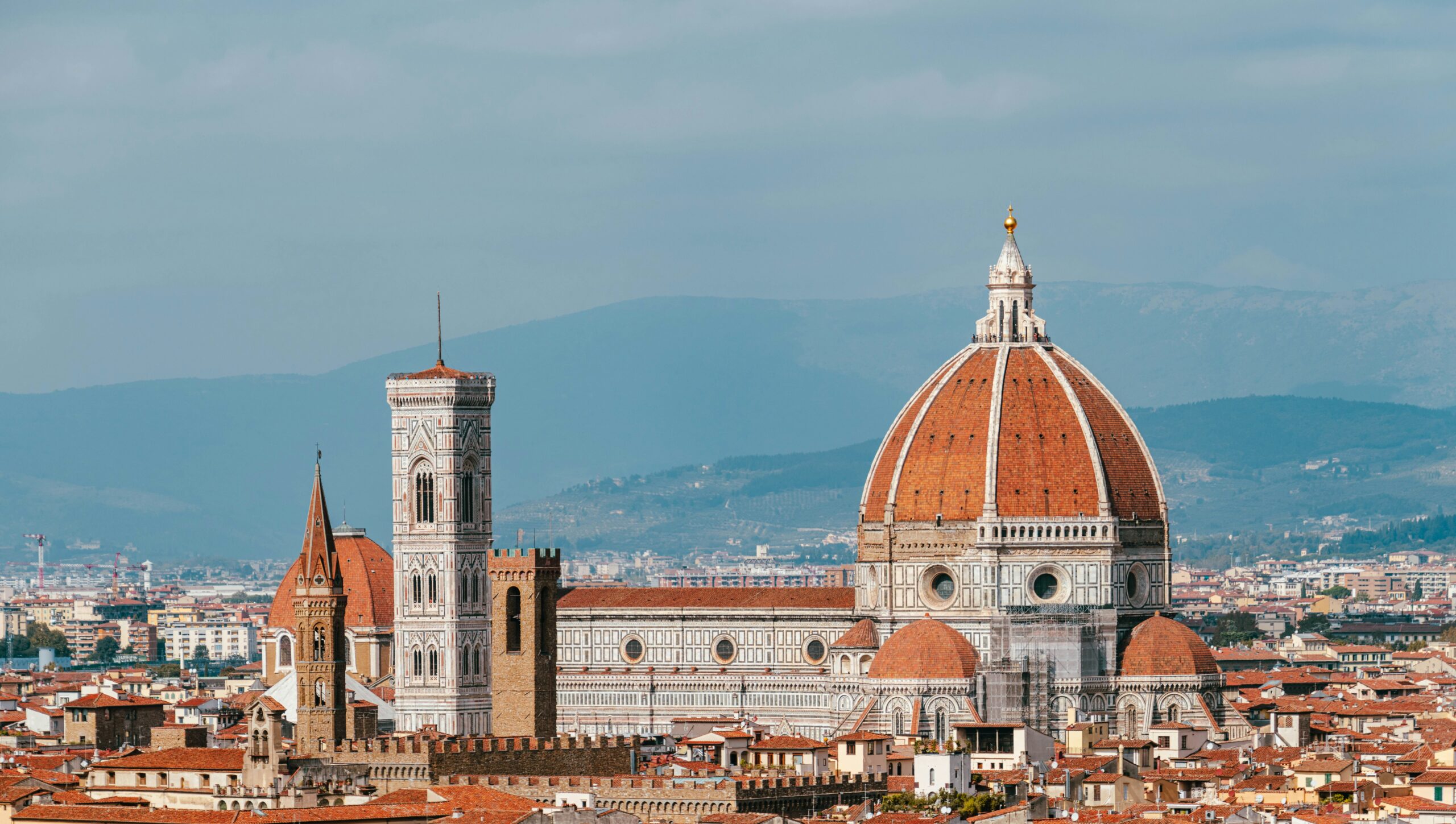
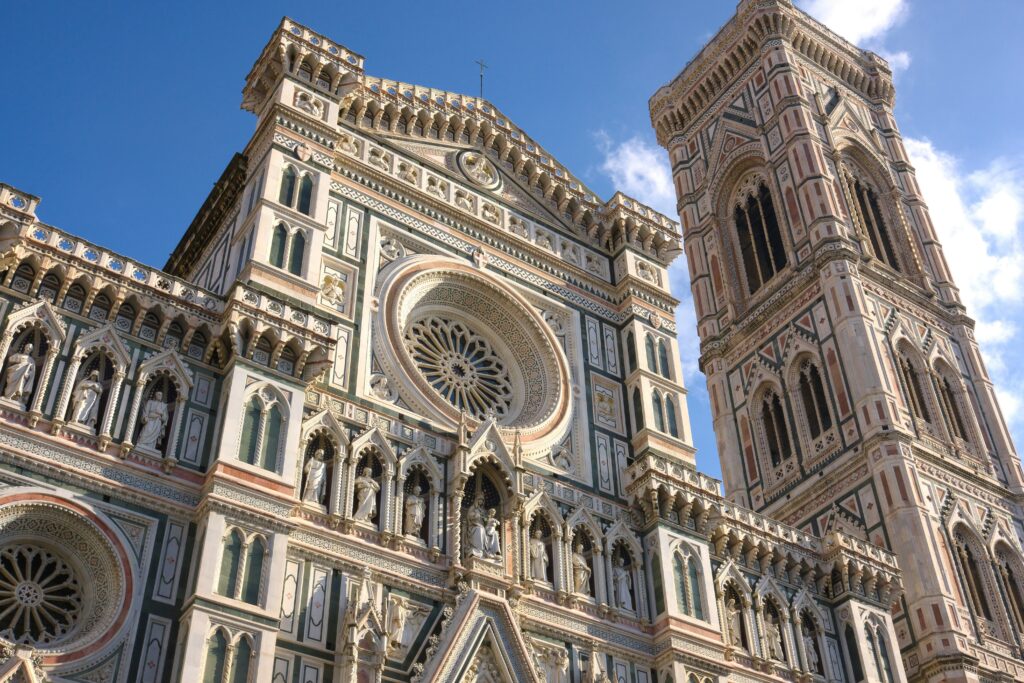
Start with the structural core: the Duomo complex, Uffizi Gallery, and Accademia. These three define Florence historically and artistically. All require planning, especially the Uffizi and Accademia, which operate on timed entries. Add Piazza della Signoria and Ponte Vecchio for open air context.

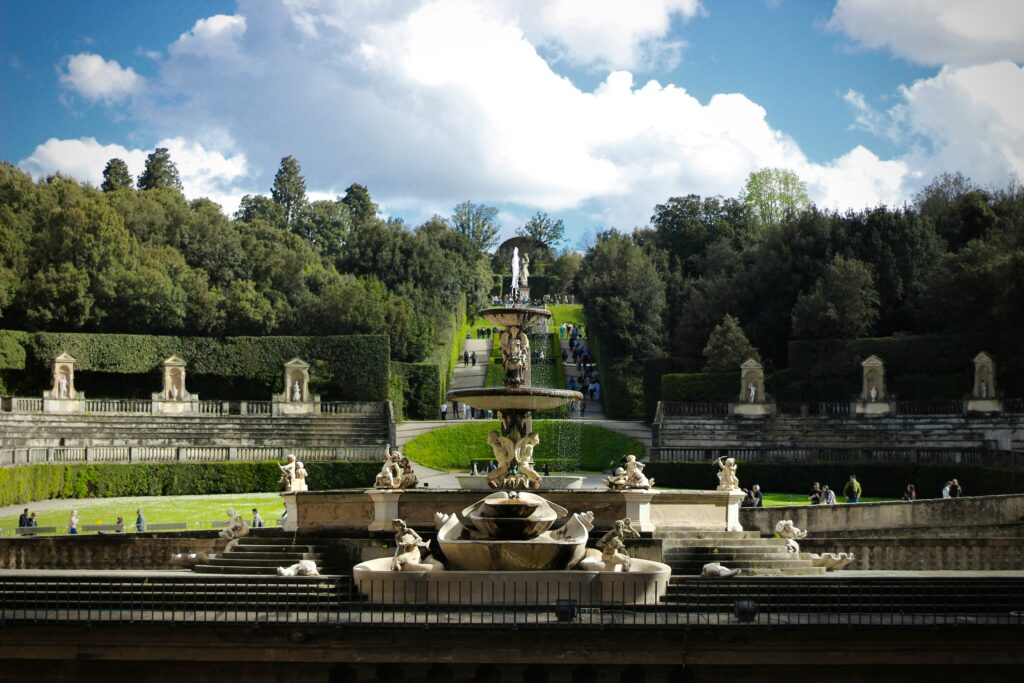
Then layer in secondary sites based on interest: Pitti Palace and Boboli Gardens, Santa Croce, Bargello, or a sunset walk to Piazzale Michelangelo. If you stay at least three days, consider a half or full day trip to Siena or the Chianti region to understand Florence within Tuscany.

The city is small, but dense. Quality drops if you stack too many museums back to back.

For a complete breakdown of essential and optional activities, read our detailed activities guide below!
Our take: Fix two major museums, one viewpoint, and one slower food moment per day, then stop adding once the day feels full.

Map and orientation

Florence’s historic center is compact and mostly flat. The main cluster of sights sits north of the Arno River, within a 20 minute walking radius. The Duomo, Accademia, Piazza della Signoria, and Uffizi are all connected by short streets and small squares. You can move between them in 5 to 12 minutes on foot.


Cross Ponte Vecchio and you enter Oltrarno, home to Pitti Palace and Boboli Gardens. Continue uphill and you reach Piazzale Michelangelo and San Miniato al Monte for panoramic views. Santa Croce lies slightly east of the Duomo area, while Santa Maria Novella is closer to the train station in the west.


Transport inside the center is rarely needed. Walking is the default, and most itineraries are built by grouping north and south of the river to avoid backtracking.

Our take: Stay inside or just outside the historic center, and plan your days by river side so you cross the Arno only when it makes sense.

How long to stay

Florence is small in size but dense in content. The right length depends on whether you want only the essentials or also time for slower meals and regional context.

1 day
Enough for the Duomo exterior, one major museum either Uffizi or Accademia, Piazza della Signoria, Ponte Vecchio, and a quick Oltrarno walk. Fast paced and highly structured.

2 days
Covers Duomo interior and Dome or Tower, Uffizi, Accademia, plus one secondary site such as Boboli Gardens or Santa Croce. Balanced but still active.

3 days
Adds one major extra such as Pitti Palace or Bargello and allows one half or full day trip to Siena, Pisa, or Chianti. Most balanced option.

4+ days
Slower rhythm with deeper museum visits, structured food experiences, and multiple Tuscany excursions without rushing.

Our take: Aim for three full days if possible, it is the sweet spot between depth and fatigue.

Getting around

Florence’s historic center is compact and largely pedestrian friendly. Most major sights sit within a 20 minute walking radius. If you stay inside or just outside the center, you will likely walk everywhere. Streets are narrow and often closed to regular traffic.


Walking
This is the default mode. Expect 8 to 12 km per day if you visit major museums and viewpoints. Comfortable shoes matter more than transport passes.


City buses and tram
A single urban ticket costs about €1.70 (around $1.85 USD) if bought in advance. Tickets are valid for 90 minutes. The tram is mainly useful between the airport and the city center, not for sightseeing inside the historic core.


Airport to city center
The T2 tram line connects Florence Airport to Santa Maria Novella station in about 20 minutes. A ticket costs €1.70 (around $1.85 USD). Taxis to the center usually cost around €22 to €25 (about $24 to $27 USD) with small supplements for luggage or late hours.


Taxis inside the city
Base fares start around €3.30 (about $3.60 USD) during daytime, with total rides inside the center often ending between €10 and €15 (about $11 to $16 USD). Useful if you stay outside walking range or late at night.


Train connections for day trips
Regional trains to Pisa or Lucca typically cost €8 to €10 (about $9 to $11 USD) one way. Siena by train plus bus combination can range from €10 to €15 (about $11 to $16 USD).

Rental car
Not recommended for exploring central Florence due to restricted traffic zones. Useful only if you plan multiple countryside visits in Tuscany.

Our take: Walk as much as possible, use the tram from the airport, and avoid renting a car unless your itinerary is heavily countryside focused.

Where to stay

Where you stay in Florence directly affects how efficiently you move between museums, restaurants, and viewpoints. The historic center is compact, so location usually matters more than hotel category.

Duomo / Historic Center

Best for first time visitors who want everything within walking distance. You can reach the Uffizi, Accademia, and Ponte Vecchio in under 15 minutes. Expect higher prices and more street noise. Mid range hotels often range from €180 to €300 per night (about $195 to $325 USD) in high season.

Oltrarno (south of the Arno)

Quieter, more residential feel, close to Pitti Palace and Boboli Gardens. You will cross Ponte Vecchio to reach the Duomo area, usually 10 to 15 minutes on foot. Prices are slightly lower on average, around €140 to €250 per night (about $150 to $270 USD) depending on season.

Santa Maria Novella / Train Station Area

Practical for short stays and day trips to Pisa, Siena, or Lucca. About 10 to 15 minutes walk to the Duomo. Often better value than staying directly near the Cathedral. Expect €120 to €220 per night (about $130 to $240 USD) in mid range properties.

Luxury hotels and rooftops

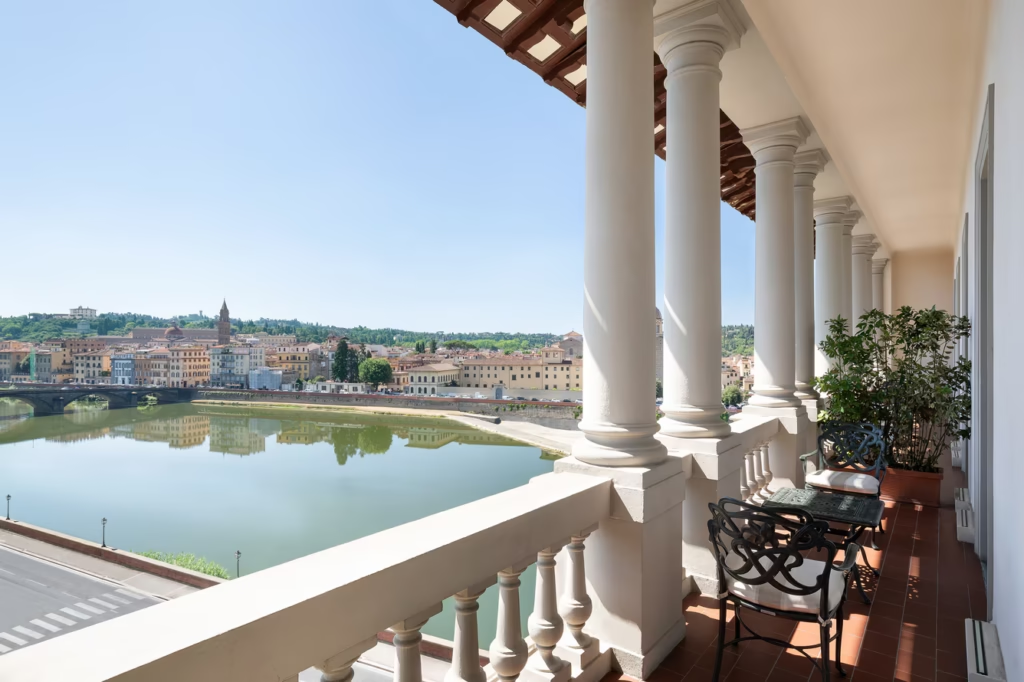
High end properties near the Arno or major piazzas often start at €450 to €800 per night (about $490 to $870 USD) in peak season. These usually include rooftop terraces, concierge booking services, and central positioning.

Apartments and longer stays

Short term rentals are common and useful for 3+ night stays. Prices vary widely, but central one bedroom apartments often range from €130 to €250 per night (about $140 to $270 USD) depending on demand.

Florence has a city tourist tax of roughly €4 to €8 per person per night (about $4.50 to $8.70 USD) depending on accommodation category.

Our take: Stay inside the historic center or just across the Arno, walking distance saves time and energy every single day.

What and where to eat

Florentine cuisine is built around a short list of core dishes. The most known is bistecca alla Fiorentina, a large T bone steak sold by weight. Prices usually range from €5 to €8 per 100g (about $5.50 to $8.70 USD), which means a 1.2 kg steak for two can easily cost €70 to €95 (about $75 to $103 USD). Order it in a traditional trattoria and share it.

For lunch, consider lighter options such as ribollita or pappa al pomodoro, typically priced between €10 and €16 (about $11 to $17 USD) in mid range trattorie. Street food like lampredotto sandwiches costs around €5 to €7 (about $5.50 to $7.60 USD) and works well for quick meals near markets.

Wine is usually local. A glass of Chianti in a casual setting often costs €5 to €8 (about $5.50 to $8.70 USD). Expect a small service charge called coperto, generally €2 to €4 per person (about $2.20 to $4.40 USD).

Area matters. Restaurants directly around the Duomo often charge more for similar quality. Walking 5 to 10 minutes toward Oltrarno or Santa Croce generally improves value. Dinner reservations are recommended, especially Thursday to Saturday.

For a detailed breakdown of dishes, neighborhoods, and specific restaurant recommendations, explore our dedicated food guide in the button below.

Our take: Plan one “proper” steak/pasta dinner, one simple market style lunch, and keep the third meal flexible so you avoid overspending. And add gelato one, two, three… as many times as you wish!

Through travelers’ eyes

Practical tips

Florence is manageable if you anticipate a few constraints. These quick points help you avoid common inefficiencies and small frustrations.

  • Book key museums early: Uffizi and Accademia sell out days ahead.
  • Check Monday closures: Many museums close or reduce hours.
  • Start early: Enter major sights before 10:00 to reduce queues.
  • Wear proper shoes: Cobblestones and stairs add up quickly.
  • Carry small cash: Useful for markets and small cafés.
  • Confirm steak weight: Bistecca is priced per 100g, ask first.
  • Mind ZTL zones: Avoid driving inside restricted areas.
  • Leave buffer time: Historic centers slow movement more than maps show.

FAQs

Is Florence expensive compared to other Italian cities?

Accommodation in the historic center is relatively expensive, especially from April to October. Food prices are moderate if you avoid tourist menus. Museums are priced individually, so total cost depends on how many you visit.

Do I need to pre book everything?

You should pre book the Uffizi and Accademia in high season. Restaurants for key dinners are also worth reserving. Smaller churches and secondary museums can usually be decided on site.

Is Florence safe for travelers?

Yes, it is generally safe. The main issue is pickpocketing in crowded areas near the Duomo, Ponte Vecchio, and on public transport. Basic awareness is sufficient.

Is English widely spoken?

Yes, especially in hotels, museums, and restaurants. Staff are accustomed to international visitors. Learning a few Italian phrases is appreciated but not essential.

Can I visit Florence without a car?

Absolutely. The city center is walkable, and regional trains connect easily to Pisa, Siena, and Lucca. A car is only useful for countryside villages.

Are museum queues always long?

They are longest between late morning and mid afternoon in peak season. Early morning timed tickets reduce waiting significantly.

Is Florence suitable for a weekend trip?

Yes, two full days allow you to cover the main highlights if you plan carefully. Expect a focused schedule rather than a relaxed pace.

Is it worth climbing viewpoints?

Yes if you choose selectively. One major climb, either the Dome or Piazzale Michelangelo walk, usually provides sufficient perspective without exhausting you.

Can I combine Florence with other cities easily?

Yes. High speed trains connect Florence to Rome and Milan in about 1.5 to 2 hours. It works well as part of a multi city Italy itinerary.

Florence travel guide

Last updated on February 28, 2026

Intro

Florence is one of those rare cities where art, history, and daily life exist within the same few streets. You can stand beneath the Duomo’s dome, see Michelangelo’s David, cross Ponte Vecchio, and sit down for a proper Tuscan meal all within a short walk. Renaissance architecture, world-class museums, lively piazzas, and unforgettable food are layered into a compact, walkable center that feels both grand and intimate at the same time.


This guide brings together when to visit, what to prioritize, where to eat, how long to stay, and how to build your itinerary. You will find clear recommendations on booking major museums, grouping neighborhoods to avoid backtracking, choosing day trips, and navigating local dining customs.


Florence rewards preparation. With timed entries, limited opening days, and dense cultural content, a well planned visit changes the experience from crowded and reactive to focused and efficient.

[travel_quick_facts]

Who should visit

Well, everyone of course! However, Florence is not for everyone in the same way. It is compact, culturally dense, and heavily visited. The experience depends on how much you value art, structured planning, and walking.

Art and history focused travelers

If you are interested in Renaissance painting, sculpture, and architecture, Florence is essential. The concentration of works by Michelangelo, Leonardo, and Botticelli within a small radius is rare. Museums require time and focus, but the payoff is high if you enjoy context and depth.

Couples and slow travelers

Florence works well for two to three nights with structured sightseeing and long dinners. Walkable distances, rooftop aperitivo spots, and nearby wine regions make it suitable for balanced cultural and food focused trips.

Food oriented travelers

Tuscan cuisine is simple but defined. If you enjoy regional dishes such as bistecca, ribollita, and structured wine tastings, Florence offers consistency and access to Chianti day trips. It is less about innovation and more about tradition.

First time Italy visitors

Compared to larger Italian cities, Florence feels more contained and easier to navigate, while still offering extraordinary art, architecture, food, and atmosphere. It’s a strong starting point for understanding Italian culture without complex logistics.

Families with children

Florence works well for families and offers something for every age. As with any destination, the experience improves when you adapt the pace to your children’s interests. Teenagers usually cope well with the museum-heavy atmosphere, while toddlers and younger kids often do better with shorter visits and more outdoor breaks between cultural stops (like piazzas, gardens and gelato!)

Our take: Florence offers an extraordinary concentration of art, architecture, food, and atmosphere within a walkable center. Whether you come for Renaissance masterpieces, Tuscan cuisine, or simply the rhythm of its streets, the city delivers depth without overwhelming scale. If this is your vibe take the trip and you won’t regret it!

What to do

Start with the structural core: the Duomo complex, Uffizi Gallery, and Accademia. These three define Florence historically and artistically. All require planning, especially the Uffizi and Accademia, which operate on timed entries. Add Piazza della Signoria and Ponte Vecchio for open air context.

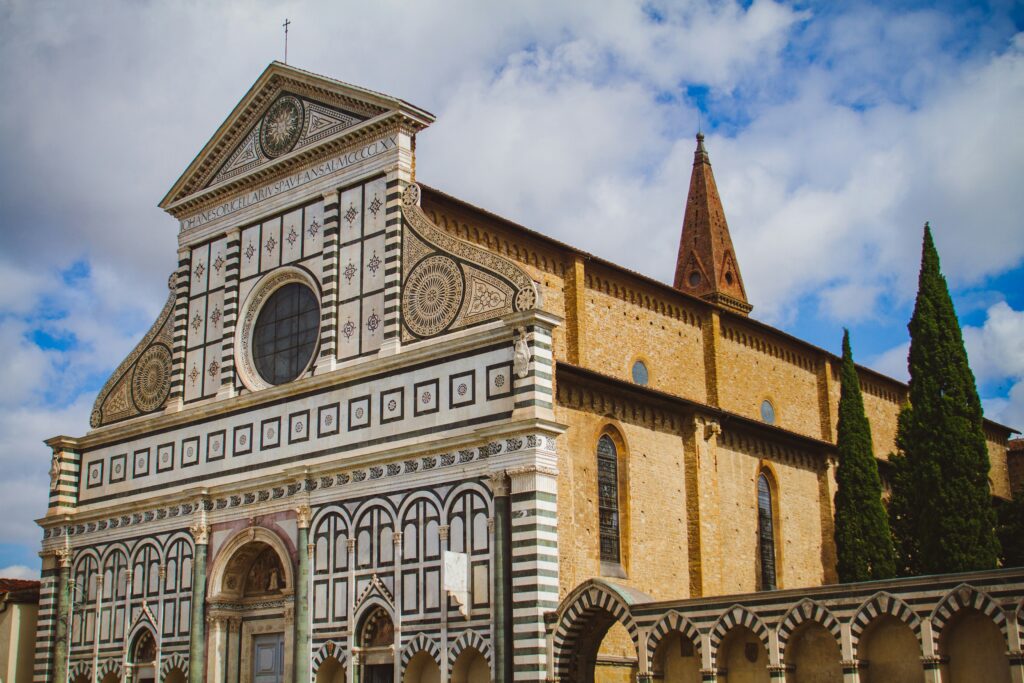
Then layer in secondary sites based on interest: Pitti Palace and Boboli Gardens, Santa Croce, Bargello, or a sunset walk to Piazzale Michelangelo. If you stay at least three days, consider a half or full day trip to Siena or the Chianti region to understand Florence within Tuscany.

The city is small, but dense. Quality drops if you stack too many museums back to back.

For a complete breakdown of essential and optional activities, read our detailed activities guide below!
Our take: Fix two major museums, one viewpoint, and one slower food moment per day, then stop adding once the day feels full.

How long to stay

Florence is small in size but dense in content. The right length depends on whether you want only the essentials or also time for slower meals and regional context.

1 day
Enough for the Duomo exterior, one major museum either Uffizi or Accademia, Piazza della Signoria, Ponte Vecchio, and a quick Oltrarno walk. Fast paced and highly structured.

2 days
Covers Duomo interior and Dome or Tower, Uffizi, Accademia, plus one secondary site such as Boboli Gardens or Santa Croce. Balanced but still active.

3 days
Adds one major extra such as Pitti Palace or Bargello and allows one half or full day trip to Siena, Pisa, or Chianti. Most balanced option.

4+ days
Slower rhythm with deeper museum visits, structured food experiences, and multiple Tuscany excursions without rushing.

Our take: Aim for three full days if possible, it is the sweet spot between depth and fatigue.

What and where to eat

Florentine cuisine is built around a short list of core dishes. The most known is bistecca alla Fiorentina, a large T bone steak sold by weight. Prices usually range from €5 to €8 per 100g (about $5.50 to $8.70 USD), which means a 1.2 kg steak for two can easily cost €70 to €95 (about $75 to $103 USD). Order it in a traditional trattoria and share it.

For lunch, consider lighter options such as ribollita or pappa al pomodoro, typically priced between €10 and €16 (about $11 to $17 USD) in mid range trattorie. Street food like lampredotto sandwiches costs around €5 to €7 (about $5.50 to $7.60 USD) and works well for quick meals near markets.

Wine is usually local. A glass of Chianti in a casual setting often costs €5 to €8 (about $5.50 to $8.70 USD). Expect a small service charge called coperto, generally €2 to €4 per person (about $2.20 to $4.40 USD).

Area matters. Restaurants directly around the Duomo often charge more for similar quality. Walking 5 to 10 minutes toward Oltrarno or Santa Croce generally improves value. Dinner reservations are recommended, especially Thursday to Saturday.

For a detailed breakdown of dishes, neighborhoods, and specific restaurant recommendations, explore our dedicated food guide in the button below.

Our take: Plan one “proper” steak/pasta dinner, one simple market style lunch, and keep the third meal flexible so you avoid overspending. And add gelato one, two, three… as many times as you wish!

Practical tips

Florence is manageable if you anticipate a few constraints. These quick points help you avoid common inefficiencies and small frustrations.

  • Book key museums early: Uffizi and Accademia sell out days ahead.
  • Check Monday closures: Many museums close or reduce hours.
  • Start early: Enter major sights before 10:00 to reduce queues.
  • Wear proper shoes: Cobblestones and stairs add up quickly.
  • Carry small cash: Useful for markets and small cafés.
  • Confirm steak weight: Bistecca is priced per 100g, ask first.
  • Mind ZTL zones: Avoid driving inside restricted areas.
  • Leave buffer time: Historic centers slow movement more than maps show.

Through travelers’ eyes

FAQs

Is Florence expensive compared to other Italian cities?

Accommodation in the historic center is relatively expensive, especially from April to October. Food prices are moderate if you avoid tourist menus. Museums are priced individually, so total cost depends on how many you visit.

Do I need to pre book everything?

You should pre book the Uffizi and Accademia in high season. Restaurants for key dinners are also worth reserving. Smaller churches and secondary museums can usually be decided on site.

Is Florence safe for travelers?

Yes, it is generally safe. The main issue is pickpocketing in crowded areas near the Duomo, Ponte Vecchio, and on public transport. Basic awareness is sufficient.

Is English widely spoken?

Yes, especially in hotels, museums, and restaurants. Staff are accustomed to international visitors. Learning a few Italian phrases is appreciated but not essential.

Can I visit Florence without a car?

Absolutely. The city center is walkable, and regional trains connect easily to Pisa, Siena, and Lucca. A car is only useful for countryside villages.

Are museum queues always long?

They are longest between late morning and mid afternoon in peak season. Early morning timed tickets reduce waiting significantly.

Is Florence suitable for a weekend trip?

Yes, two full days allow you to cover the main highlights if you plan carefully. Expect a focused schedule rather than a relaxed pace.

Is it worth climbing viewpoints?

Yes if you choose selectively. One major climb, either the Dome or Piazzale Michelangelo walk, usually provides sufficient perspective without exhausting you.

Can I combine Florence with other cities easily?

Yes. High speed trains connect Florence to Rome and Milan in about 1.5 to 2 hours. It works well as part of a multi city Italy itinerary.

HELP US IMPROVE

How likely are you to recommend Know to Travel to a friend or fellow traveler?

Not likely at all
Extremely likely