What and where to eat in Palermo

Last updated on April 16, 2026

Intro

Food in Palermo is something you experience on every corner — from street markets to local trattorias. In this guide, you’ll find exactly what to eat in Palermo, including must-try street food like arancine and pane con la milza, plus traditional Sicilian dishes and desserts.


You’ll also learn where to eat in Palermo, with specific markets, areas, and restaurants to help you eat well and avoid tourist traps — even if you’re short on time.

What and where to eat in Palermo

Palermo’s food scene is direct, local, and strongly tied to tradition. These are the must-eat dishes in Palermo and exactly where to try them, from street food stalls to classic spots. If it’s your first time, start here — this is what defines the city.

Arancine (fried rice balls)

Crispy on the outside and soft inside, arancine are Palermo’s most iconic street food. The classic is filled with ragù, but you’ll also find butter, pistachio, or eggplant versions. They are filling, cheap, and easy to eat on the go — perfect for a quick lunch between visits.


Where to eat: Basile Focacceria del Massimo, Antica Focacceria San Francesco, Ke Palle

Pane con la milza (spleen sandwich)

This is Palermo’s most traditional sandwich, made with veal spleen and lung, cooked in lard and served in a soft bun. You can order it “schietto” (plain) or “maritato” (with ricotta or caciocavallo). It’s intense but very local — a true street food experience.


Where to eat: Nni Franco U Vastiddaru (Ballarò Market), Antica Focacceria San Francesco, Rocky Basile (well-known street vendor, location varies but most often found around Vucciria area, Teatro Massimo or Via Ruggero Settimo)

Sfincione (Sicilian pizza)

Palermo’s version of pizza is thick, soft, and topped with tomato sauce, onions, anchovies, and breadcrumbs instead of cheese. It’s sold in bakeries and street stalls, especially in the morning. Simple ingredients, but very flavorful and typical.


Where to eat: Panificio Graziano, Antica Focacceria San Francesco, local bakeries in Ballarò Market

Panelle and crocchè (fried chickpea fritters and potato croquettes)

These are classic street snacks, often served together inside a sandwich. Panelle are made from chickpea flour, while crocchè are soft potato croquettes. Cheap, vegetarian-friendly, and very common in local markets.


Where to eat: Friggitoria Chiluzzo, Nni Franco U Vastiddaru, street stalls in Vucciria Market

Cannoli (ricotta-filled pastry)

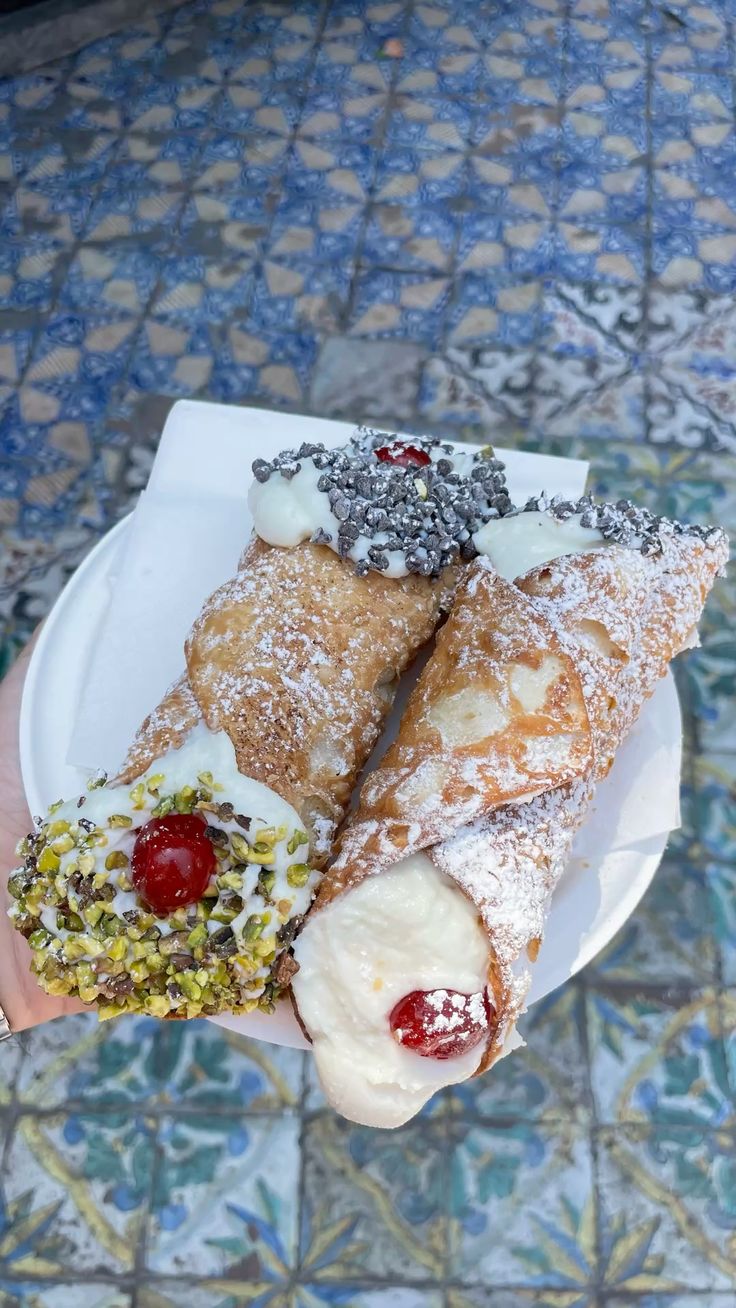
One of Sicily’s most famous desserts, cannoli are crispy shells filled with sweet ricotta, often topped with pistachio, chocolate, or candied fruit. The key is freshness — shells should be filled on the spot to stay crunchy.


Where to eat: Pasticceria Cappello, I Segreti del Chiostro, Antico Caffè Spinnato

Granita and brioche

A refreshing option, especially in warmer months. Granita is a semi-frozen dessert (almond, lemon, coffee), usually served with a soft brioche bun. Locals eat it for breakfast or as a mid-day break. Light, simple, and very Sicilian.


Where to eat: Caffè Spinnato, Brioscià, Cappello

Pasta alla Norma or Pasta con le sarde

Two classic Sicilian pasta dishes: alla Norma with tomato, eggplant, and ricotta salata, and con le sarde with sardines, fennel, raisins, and pine nuts. The second is more local to Palermo and has a sweet-savory flavor typical of Sicilian cuisine.


Where to eat: Osteria Ballarò, Trattoria Ferro di Cavallo, Buatta Cucina Popolana

Fresh seafood (grilled or raw)

Palermo’s coastal location means access to fresh fish and seafood. You’ll find grilled fish, fried calamari, or even raw seafood in local markets and restaurants. Best enjoyed in simple preparations that highlight freshness.


Where to eat: Osteria dei Vespri, Trattoria Ai Cascinari, seafood spots near La Cala

I’ve pinned all these food spots on a free Google Map so you can easily find them while exploring Palermo.

When and how to eat in Palermo

Eating in Palermo follows a local rhythm that is different from many other European cities, and understanding it will make your experience much smoother. Meal times are later, street food is constant, and structure is more flexible than formal.

Breakfast is simple and quick. Locals usually have a coffee (espresso or cappuccino) with something sweet like a pastry or granita with brioche. It’s often eaten standing at the bar, especially in the morning.

Lunch typically runs from 13:00 to 15:00. Restaurants may open right at 12:30, but things only get busy after 13:00. If you want a sit-down meal, this is a good time. If you prefer something faster, street food and markets like Ballarò are active throughout the day.

Dinner starts late. Most restaurants don’t get busy before 20:00–20:30, and locals often eat even later. Arriving too early can mean empty restaurants or limited atmosphere. Reservations are recommended for popular spots, especially in high season.

Street food has no schedule. You can eat arancine, panelle, or sandwiches at almost any time of day. Markets like Ballarò and Vucciria are key places for this — informal, fast, and very local.

Service style is relaxed. Meals are not rushed, and waiters won’t bring the bill unless you ask. A “coperto” (cover charge) is usually added per person when sitting down. Tipping is not expected but rounding up is appreciated.

FAQs

What is the best food to try in Palermo?

The must-try foods are arancine, pane con la milza, panelle, cannoli, and pasta con le sarde. These represent Palermo’s street food and traditional cuisine and give you a complete first experience of local flavors.

Where should I eat in Palermo for authentic food?

Focus on local markets like Ballarò and Vucciria for street food and small trattorias in the historic center. Avoid places right next to major landmarks and look for restaurants filled with locals.

Is street food safe to eat in Palermo?

Yes, street food is generally safe if you choose busy stalls with high turnover. Freshly prepared food and visible cooking areas are good signs. Markets are the best places to try it.

How much does it cost to eat in Palermo?

Street food costs around €2–€5, casual meals €10–€20, and sit-down dinners €20–€40+. Palermo is relatively affordable compared to other Italian cities, especially if you mix street food with restaurants.

Do I need to book restaurants in Palermo?

For popular or trendy restaurants, yes — especially for dinner. For casual places and street food, reservations are not needed. Booking is more important in summer and weekends.

What time do people eat in Palermo?

Lunch is usually between 13:00 and 15:00, and dinner starts from 20:00 onwards. Eating earlier is possible but less common and restaurants may feel empty.

Are there vegetarian options in Palermo?

Yes, there are several vegetarian-friendly foods like panelle, caponata, pasta alla Norma, and many pastries. However, menus are not always labeled, so it helps to check ingredients.

What is a coperto and do I have to pay it?

The coperto is a small cover charge added per person when sitting at a table. It’s standard in Italy and usually costs €1–€3, covering bread and table service.

Should I tip in Palermo restaurants?

Tipping is not expected, as service is included. However, rounding up the bill or leaving small change is appreciated for good service.

Is it better to eat near my hotel or go elsewhere?

It depends on the area, but in general, it’s better to walk a bit away from tourist zones. You’ll usually find better food, better prices, and a more local atmosphere.

What and where to eat in Palermo

Last updated on April 16, 2026

Intro

Food in Palermo is something you experience on every corner — from street markets to local trattorias. In this guide, you’ll find exactly what to eat in Palermo, including must-try street food like arancine and pane con la milza, plus traditional Sicilian dishes and desserts.


You’ll also learn where to eat in Palermo, with specific markets, areas, and restaurants to help you eat well and avoid tourist traps — even if you’re short on time.

What and where to eat in Palermo

Palermo’s food scene is direct, local, and strongly tied to tradition. These are the must-eat dishes in Palermo and exactly where to try them, from street food stalls to classic spots. If it’s your first time, start here — this is what defines the city.

Arancine (fried rice balls)

Crispy on the outside and soft inside, arancine are Palermo’s most iconic street food. The classic is filled with ragù, but you’ll also find butter, pistachio, or eggplant versions. They are filling, cheap, and easy to eat on the go — perfect for a quick lunch between visits.


Where to eat: Basile Focacceria del Massimo, Antica Focacceria San Francesco, Ke Palle

Pane con la milza (spleen sandwich)

This is Palermo’s most traditional sandwich, made with veal spleen and lung, cooked in lard and served in a soft bun. You can order it “schietto” (plain) or “maritato” (with ricotta or caciocavallo). It’s intense but very local — a true street food experience.


Where to eat: Nni Franco U Vastiddaru (Ballarò Market), Antica Focacceria San Francesco, Rocky Basile (well-known street vendor, location varies but most often found around Vucciria area, Teatro Massimo or Via Ruggero Settimo)

Sfincione (Sicilian pizza)

Palermo’s version of pizza is thick, soft, and topped with tomato sauce, onions, anchovies, and breadcrumbs instead of cheese. It’s sold in bakeries and street stalls, especially in the morning. Simple ingredients, but very flavorful and typical.


Where to eat: Panificio Graziano, Antica Focacceria San Francesco, local bakeries in Ballarò Market

Panelle and crocchè (fried chickpea fritters and potato croquettes)

These are classic street snacks, often served together inside a sandwich. Panelle are made from chickpea flour, while crocchè are soft potato croquettes. Cheap, vegetarian-friendly, and very common in local markets.


Where to eat: Friggitoria Chiluzzo, Nni Franco U Vastiddaru, street stalls in Vucciria Market

Cannoli (ricotta-filled pastry)

One of Sicily’s most famous desserts, cannoli are crispy shells filled with sweet ricotta, often topped with pistachio, chocolate, or candied fruit. The key is freshness — shells should be filled on the spot to stay crunchy.


Where to eat: Pasticceria Cappello, I Segreti del Chiostro, Antico Caffè Spinnato

Granita and brioche

A refreshing option, especially in warmer months. Granita is a semi-frozen dessert (almond, lemon, coffee), usually served with a soft brioche bun. Locals eat it for breakfast or as a mid-day break. Light, simple, and very Sicilian.


Where to eat: Caffè Spinnato, Brioscià, Cappello

Pasta alla Norma or Pasta con le sarde

Two classic Sicilian pasta dishes: alla Norma with tomato, eggplant, and ricotta salata, and con le sarde with sardines, fennel, raisins, and pine nuts. The second is more local to Palermo and has a sweet-savory flavor typical of Sicilian cuisine.


Where to eat: Osteria Ballarò, Trattoria Ferro di Cavallo, Buatta Cucina Popolana

Fresh seafood (grilled or raw)

Palermo’s coastal location means access to fresh fish and seafood. You’ll find grilled fish, fried calamari, or even raw seafood in local markets and restaurants. Best enjoyed in simple preparations that highlight freshness.


Where to eat: Osteria dei Vespri, Trattoria Ai Cascinari, seafood spots near La Cala

I’ve pinned all these food spots on a free Google Map so you can easily find them while exploring Palermo.

Trendy places to eat in Palermo

Palermo has a growing number of trendy restaurants, modern bistros, and updated traditional spots. These places combine local food with design, atmosphere, or creative menus. If you want something more curated than street food, start here.

Modern Sicilian restaurants
  • Buatta Cucina Popolana: Modern Sicilian dishes with a local focus, mixing tradition with small creative updates.
  • Osteria dei Vespri: Refined Sicilian cuisine with seasonal ingredients and a more upscale dining experience.
  • Gagini Social Restaurant: Contemporary fine dining with tasting menus and strong attention to presentation.
  • Osteria Ballarò: Traditional dishes with elegant presentation in a quiet courtyard setting.
  • Le Angeliche: Small, curated menu with seasonal products and a refined but relaxed atmosphere.
  • Ristorante Ferro: Updated Sicilian classics with a modern twist near Teatro Massimo.

Seafood restaurants
  • Aja Mola: One of the most talked-about seafood spots, with creative plates and a minimalist setting.
  • Bye Bye Blues: Michelin-starred restaurant just outside Palermo, known for refined seafood dishes.
  • Ristorante Cin Cin: Modern seafood-focused menu with a strong wine selection.

Trendy casual spots
  • FUD Bottega Sicula: Casual and trendy, known for burgers made with high-quality Sicilian ingredients.
  • Nino u' Ballerino: Famous for gourmet sandwiches with generous fillings and local products.
  • Ke Palle: Modern take on arancine with creative fillings and fast service.
  • Timilia: Bakery and casual eatery focused on ancient Sicilian grains and simple products.
  • Capocollo: Trendy sandwich spot focused on high-quality cured meats and Sicilian ingredients, with a casual and modern concept.

Desserts, gelato & breakfast spots
  • Pasticceria Cappello: Known for updated Sicilian desserts and high-quality cannoli.
  • I Segreti del Chiostro: Pastry shop inside a former convent with traditional sweets.
  • Cappadonia Gelati: Contemporary gelato with natural ingredients and clean branding.
  • Brioscià: Popular for granita and brioche in a modern, central setting.
  • Antico Caffè Spinnato: Classic café with a trendy revival, good for desserts and aperitivo.
  • Qtuppo: Trendy dessert spot known for Sicilian pastries and creative sweet options, with a modern concept and central location.
  • Cioccolateria Lorenzo: Artisanal chocolate shop with creative flavor combinations.

Bars & aperitivo places
  • Locale: Trendy cocktail bar and restaurant, ideal for dinner followed by drinks.
  • Bocum Mixology: Creative cocktails in a refined, modern space.
  • Vinoveritas: Wine bar focused on natural wines in a relaxed setting.
  • Enoteca Picone: Wine shop and bar for tasting Sicilian wines in a curated environment.
  • Monkey Pub: Casual bar with craft beers and a lively atmosphere.
  • Ferramenta: Social bar space known for cocktails and a creative local crowd.

When and how to eat in Palermo

Eating in Palermo follows a local rhythm that is different from many other European cities, and understanding it will make your experience much smoother. Meal times are later, street food is constant, and structure is more flexible than formal.

Breakfast is simple and quick. Locals usually have a coffee (espresso or cappuccino) with something sweet like a pastry or granita with brioche. It’s often eaten standing at the bar, especially in the morning.

Lunch typically runs from 13:00 to 15:00. Restaurants may open right at 12:30, but things only get busy after 13:00. If you want a sit-down meal, this is a good time. If you prefer something faster, street food and markets like Ballarò are active throughout the day.

Dinner starts late. Most restaurants don’t get busy before 20:00–20:30, and locals often eat even later. Arriving too early can mean empty restaurants or limited atmosphere. Reservations are recommended for popular spots, especially in high season.

Street food has no schedule. You can eat arancine, panelle, or sandwiches at almost any time of day. Markets like Ballarò and Vucciria are key places for this — informal, fast, and very local.

Service style is relaxed. Meals are not rushed, and waiters won’t bring the bill unless you ask. A “coperto” (cover charge) is usually added per person when sitting down. Tipping is not expected but rounding up is appreciated.

Practical tips to choose what and where to eat in Palermo

With so many options, choosing where to eat in Palermo can feel overwhelming. These practical tips will help you avoid tourist traps, eat local, and make faster decisions during your trip.

  • Prioritize markets for street food: Ballarò and Vucciria offer the most authentic quick bites.
  • Don’t overplan every meal: Palermo is best experienced with some spontaneity.
  • Choose seasonal dishes: Fresh ingredients define quality, especially for seafood and vegetables.
  • Book trendy restaurants ahead: Popular places fill up quickly, especially in high season.
  • Eat different things each meal: Palermo’s food scene is varied — don’t repeat dishes.
  • Check opening hours: Some restaurants close between lunch and dinner service.
  • Watch for coperto charges: Expect a small fee per person when sitting at a table.
  • Trust simple places: Small menus often mean fresher and better-prepared food.

FAQs

What is the best food to try in Palermo?

The must-try foods are arancine, pane con la milza, panelle, cannoli, and pasta con le sarde. These represent Palermo’s street food and traditional cuisine and give you a complete first experience of local flavors.

Where should I eat in Palermo for authentic food?

Focus on local markets like Ballarò and Vucciria for street food and small trattorias in the historic center. Avoid places right next to major landmarks and look for restaurants filled with locals.

Is street food safe to eat in Palermo?

Yes, street food is generally safe if you choose busy stalls with high turnover. Freshly prepared food and visible cooking areas are good signs. Markets are the best places to try it.

How much does it cost to eat in Palermo?

Street food costs around €2–€5, casual meals €10–€20, and sit-down dinners €20–€40+. Palermo is relatively affordable compared to other Italian cities, especially if you mix street food with restaurants.

Do I need to book restaurants in Palermo?

For popular or trendy restaurants, yes — especially for dinner. For casual places and street food, reservations are not needed. Booking is more important in summer and weekends.

What time do people eat in Palermo?

Lunch is usually between 13:00 and 15:00, and dinner starts from 20:00 onwards. Eating earlier is possible but less common and restaurants may feel empty.

Are there vegetarian options in Palermo?

Yes, there are several vegetarian-friendly foods like panelle, caponata, pasta alla Norma, and many pastries. However, menus are not always labeled, so it helps to check ingredients.

What is a coperto and do I have to pay it?

The coperto is a small cover charge added per person when sitting at a table. It’s standard in Italy and usually costs €1–€3, covering bread and table service.

Should I tip in Palermo restaurants?

Tipping is not expected, as service is included. However, rounding up the bill or leaving small change is appreciated for good service.

Is it better to eat near my hotel or go elsewhere?

It depends on the area, but in general, it’s better to walk a bit away from tourist zones. You’ll usually find better food, better prices, and a more local atmosphere.

What and where to eat in Palermo

Last updated on April 16, 2026

Intro

Food in Palermo is something you experience on every corner — from street markets to local trattorias. In this guide, you’ll find exactly what to eat in Palermo, including must-try street food like arancine and pane con la milza, plus traditional Sicilian dishes and desserts.


You’ll also learn where to eat in Palermo, with specific markets, areas, and restaurants to help you eat well and avoid tourist traps — even if you’re short on time.

What and where to eat in Palermo

Palermo’s food scene is direct, local, and strongly tied to tradition. These are the must-eat dishes in Palermo and exactly where to try them, from street food stalls to classic spots. If it’s your first time, start here — this is what defines the city.

Arancine (fried rice balls)

Crispy on the outside and soft inside, arancine are Palermo’s most iconic street food. The classic is filled with ragù, but you’ll also find butter, pistachio, or eggplant versions. They are filling, cheap, and easy to eat on the go — perfect for a quick lunch between visits.


Where to eat: Basile Focacceria del Massimo, Antica Focacceria San Francesco, Ke Palle

Pane con la milza (spleen sandwich)

This is Palermo’s most traditional sandwich, made with veal spleen and lung, cooked in lard and served in a soft bun. You can order it “schietto” (plain) or “maritato” (with ricotta or caciocavallo). It’s intense but very local — a true street food experience.


Where to eat: Nni Franco U Vastiddaru (Ballarò Market), Antica Focacceria San Francesco, Rocky Basile (well-known street vendor, location varies but most often found around Vucciria area, Teatro Massimo or Via Ruggero Settimo)

Sfincione (Sicilian pizza)

Palermo’s version of pizza is thick, soft, and topped with tomato sauce, onions, anchovies, and breadcrumbs instead of cheese. It’s sold in bakeries and street stalls, especially in the morning. Simple ingredients, but very flavorful and typical.


Where to eat: Panificio Graziano, Antica Focacceria San Francesco, local bakeries in Ballarò Market

Panelle and crocchè (fried chickpea fritters and potato croquettes)

These are classic street snacks, often served together inside a sandwich. Panelle are made from chickpea flour, while crocchè are soft potato croquettes. Cheap, vegetarian-friendly, and very common in local markets.


Where to eat: Friggitoria Chiluzzo, Nni Franco U Vastiddaru, street stalls in Vucciria Market

Cannoli (ricotta-filled pastry)

One of Sicily’s most famous desserts, cannoli are crispy shells filled with sweet ricotta, often topped with pistachio, chocolate, or candied fruit. The key is freshness — shells should be filled on the spot to stay crunchy.


Where to eat: Pasticceria Cappello, I Segreti del Chiostro, Antico Caffè Spinnato

Granita and brioche

A refreshing option, especially in warmer months. Granita is a semi-frozen dessert (almond, lemon, coffee), usually served with a soft brioche bun. Locals eat it for breakfast or as a mid-day break. Light, simple, and very Sicilian.


Where to eat: Caffè Spinnato, Brioscià, Cappello

Pasta alla Norma or Pasta con le sarde

Two classic Sicilian pasta dishes: alla Norma with tomato, eggplant, and ricotta salata, and con le sarde with sardines, fennel, raisins, and pine nuts. The second is more local to Palermo and has a sweet-savory flavor typical of Sicilian cuisine.


Where to eat: Osteria Ballarò, Trattoria Ferro di Cavallo, Buatta Cucina Popolana

Fresh seafood (grilled or raw)

Palermo’s coastal location means access to fresh fish and seafood. You’ll find grilled fish, fried calamari, or even raw seafood in local markets and restaurants. Best enjoyed in simple preparations that highlight freshness.


Where to eat: Osteria dei Vespri, Trattoria Ai Cascinari, seafood spots near La Cala

I’ve pinned all these food spots on a free Google Map so you can easily find them while exploring Palermo.

Trendy places to eat in Palermo

Palermo has a growing number of trendy restaurants, modern bistros, and updated traditional spots. These places combine local food with design, atmosphere, or creative menus. If you want something more curated than street food, start here.

Modern Sicilian restaurants
  • Buatta Cucina Popolana: Modern Sicilian dishes with a local focus, mixing tradition with small creative updates.
  • Osteria dei Vespri: Refined Sicilian cuisine with seasonal ingredients and a more upscale dining experience.
  • Gagini Social Restaurant: Contemporary fine dining with tasting menus and strong attention to presentation.
  • Osteria Ballarò: Traditional dishes with elegant presentation in a quiet courtyard setting.
  • Le Angeliche: Small, curated menu with seasonal products and a refined but relaxed atmosphere.
  • Ristorante Ferro: Updated Sicilian classics with a modern twist near Teatro Massimo.

Seafood restaurants
  • Aja Mola: One of the most talked-about seafood spots, with creative plates and a minimalist setting.
  • Bye Bye Blues: Michelin-starred restaurant just outside Palermo, known for refined seafood dishes.
  • Ristorante Cin Cin: Modern seafood-focused menu with a strong wine selection.

Trendy casual spots
  • FUD Bottega Sicula: Casual and trendy, known for burgers made with high-quality Sicilian ingredients.
  • Nino u' Ballerino: Famous for gourmet sandwiches with generous fillings and local products.
  • Ke Palle: Modern take on arancine with creative fillings and fast service.
  • Timilia: Bakery and casual eatery focused on ancient Sicilian grains and simple products.
  • Capocollo: Trendy sandwich spot focused on high-quality cured meats and Sicilian ingredients, with a casual and modern concept.

Desserts, gelato & breakfast spots
  • Pasticceria Cappello: Known for updated Sicilian desserts and high-quality cannoli.
  • I Segreti del Chiostro: Pastry shop inside a former convent with traditional sweets.
  • Cappadonia Gelati: Contemporary gelato with natural ingredients and clean branding.
  • Brioscià: Popular for granita and brioche in a modern, central setting.
  • Antico Caffè Spinnato: Classic café with a trendy revival, good for desserts and aperitivo.
  • Qtuppo: Trendy dessert spot known for Sicilian pastries and creative sweet options, with a modern concept and central location.
  • Cioccolateria Lorenzo: Artisanal chocolate shop with creative flavor combinations.

Bars & aperitivo places
  • Locale: Trendy cocktail bar and restaurant, ideal for dinner followed by drinks.
  • Bocum Mixology: Creative cocktails in a refined, modern space.
  • Vinoveritas: Wine bar focused on natural wines in a relaxed setting.
  • Enoteca Picone: Wine shop and bar for tasting Sicilian wines in a curated environment.
  • Monkey Pub: Casual bar with craft beers and a lively atmosphere.
  • Ferramenta: Social bar space known for cocktails and a creative local crowd.

When and how to eat in Palermo

Eating in Palermo follows a local rhythm that is different from many other European cities, and understanding it will make your experience much smoother. Meal times are later, street food is constant, and structure is more flexible than formal.

Breakfast is simple and quick. Locals usually have a coffee (espresso or cappuccino) with something sweet like a pastry or granita with brioche. It’s often eaten standing at the bar, especially in the morning.

Lunch typically runs from 13:00 to 15:00. Restaurants may open right at 12:30, but things only get busy after 13:00. If you want a sit-down meal, this is a good time. If you prefer something faster, street food and markets like Ballarò are active throughout the day.

Dinner starts late. Most restaurants don’t get busy before 20:00–20:30, and locals often eat even later. Arriving too early can mean empty restaurants or limited atmosphere. Reservations are recommended for popular spots, especially in high season.

Street food has no schedule. You can eat arancine, panelle, or sandwiches at almost any time of day. Markets like Ballarò and Vucciria are key places for this — informal, fast, and very local.

Service style is relaxed. Meals are not rushed, and waiters won’t bring the bill unless you ask. A “coperto” (cover charge) is usually added per person when sitting down. Tipping is not expected but rounding up is appreciated.

Practical tips to choose what and where to eat in Palermo

With so many options, choosing where to eat in Palermo can feel overwhelming. These practical tips will help you avoid tourist traps, eat local, and make faster decisions during your trip.

  • Prioritize markets for street food: Ballarò and Vucciria offer the most authentic quick bites.
  • Don’t overplan every meal: Palermo is best experienced with some spontaneity.
  • Choose seasonal dishes: Fresh ingredients define quality, especially for seafood and vegetables.
  • Book trendy restaurants ahead: Popular places fill up quickly, especially in high season.
  • Eat different things each meal: Palermo’s food scene is varied — don’t repeat dishes.
  • Check opening hours: Some restaurants close between lunch and dinner service.
  • Watch for coperto charges: Expect a small fee per person when sitting at a table.
  • Trust simple places: Small menus often mean fresher and better-prepared food.

FAQs

What is the best food to try in Palermo?

The must-try foods are arancine, pane con la milza, panelle, cannoli, and pasta con le sarde. These represent Palermo’s street food and traditional cuisine and give you a complete first experience of local flavors.

Where should I eat in Palermo for authentic food?

Focus on local markets like Ballarò and Vucciria for street food and small trattorias in the historic center. Avoid places right next to major landmarks and look for restaurants filled with locals.

Is street food safe to eat in Palermo?

Yes, street food is generally safe if you choose busy stalls with high turnover. Freshly prepared food and visible cooking areas are good signs. Markets are the best places to try it.

How much does it cost to eat in Palermo?

Street food costs around €2–€5, casual meals €10–€20, and sit-down dinners €20–€40+. Palermo is relatively affordable compared to other Italian cities, especially if you mix street food with restaurants.

Do I need to book restaurants in Palermo?

For popular or trendy restaurants, yes — especially for dinner. For casual places and street food, reservations are not needed. Booking is more important in summer and weekends.

What time do people eat in Palermo?

Lunch is usually between 13:00 and 15:00, and dinner starts from 20:00 onwards. Eating earlier is possible but less common and restaurants may feel empty.

Are there vegetarian options in Palermo?

Yes, there are several vegetarian-friendly foods like panelle, caponata, pasta alla Norma, and many pastries. However, menus are not always labeled, so it helps to check ingredients.

What is a coperto and do I have to pay it?

The coperto is a small cover charge added per person when sitting at a table. It’s standard in Italy and usually costs €1–€3, covering bread and table service.

Should I tip in Palermo restaurants?

Tipping is not expected, as service is included. However, rounding up the bill or leaving small change is appreciated for good service.

Is it better to eat near my hotel or go elsewhere?

It depends on the area, but in general, it’s better to walk a bit away from tourist zones. You’ll usually find better food, better prices, and a more local atmosphere.

HELP US IMPROVE

How likely are you to recommend Know to Travel to a friend or fellow traveler?

Not likely at all
Extremely likely