Best things to do in Palermo

Last updated on April 16, 2026

Intro

Palermo is one of those cities that surprises you from the first walk — busy streets, historic buildings, and food everywhere. In this guide, you’ll find the best things to do in Palermo, including must-see landmarks, local markets, viewpoints, beaches nearby, and practical tips to plan your visit.

If you’re planning a trip and want a clear, experience-based guide to Palermo, this will help you decide what’s worth your time and how to make the most of it.

Essential things to do in Palermo

Palermo is a city best explored by mixing historic landmarks, street life, and food experiences. These are the essential things to do that give you a complete first impression of the city.

Explore Palermo Cathedral (Cattedrale di Palermo)

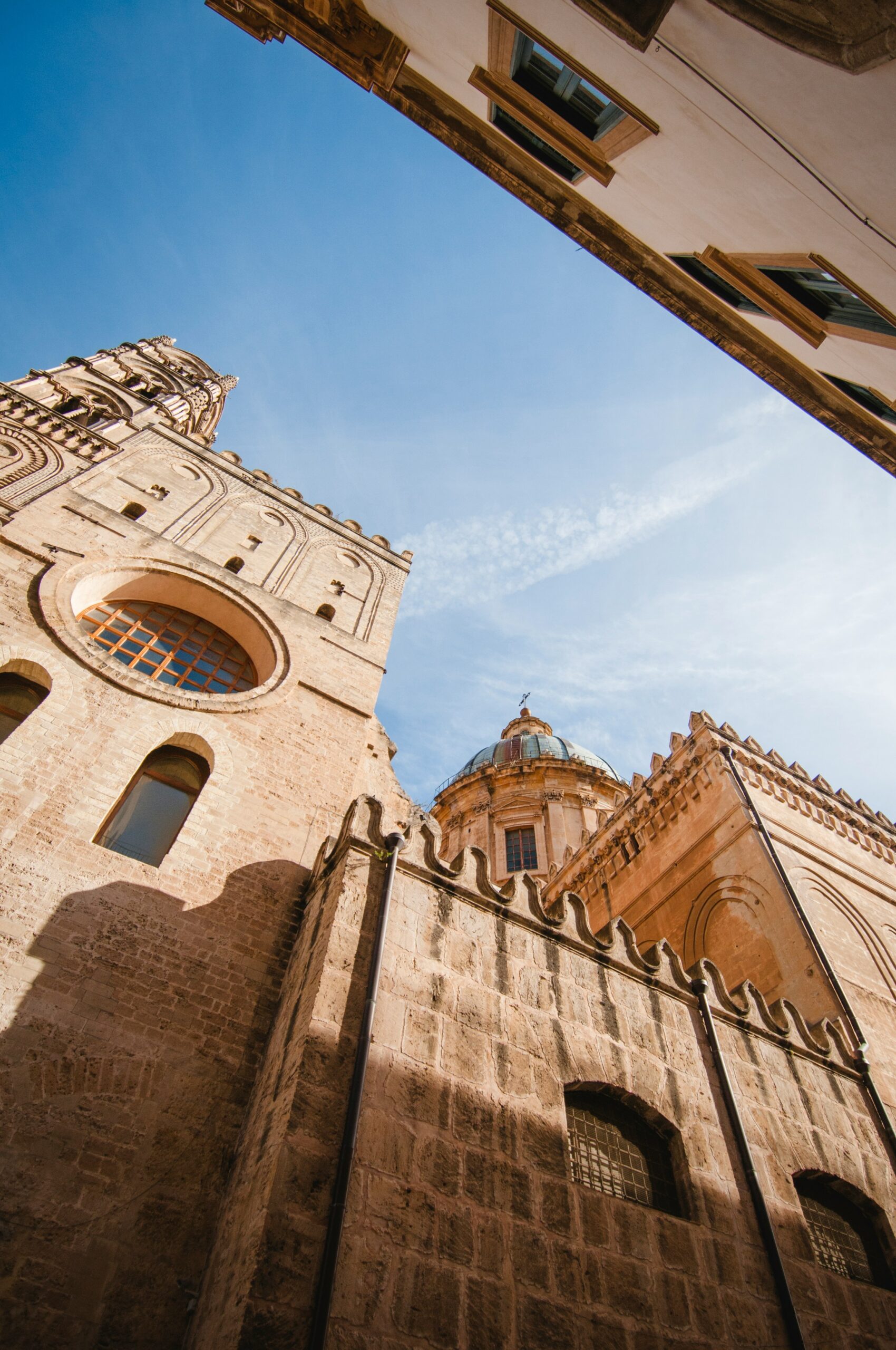
This is one of the most important landmarks in Palermo, known for its mix of architectural styles reflecting centuries of history. You can visit the interior, but the highlight is going up to the rooftop terraces, where you get wide views over the city and surrounding mountains. It’s located in the historic center, making it easy to combine with nearby attractions like Quattro Canti and the Norman Palace.


The entrance to the main church is free, but access to the rooftop and monumental areas requires a paid ticket (€5–€15+).

Visit the Norman Palace and Palatine Chapel (Palazzo dei Normanni)

This historic palace was once the seat of the kings of Sicily and is now home to the Sicilian Regional Assembly. Inside, the Palatine Chapel stands out with its detailed gold mosaics and wooden ceiling. It’s one of the most impressive interiors in Palermo and a key stop to understand the island’s Arab-Norman heritage. Plan at least 1 to 1.5 hours for the full visit.


Tickets can be bought at the entrance or online. Prices usually range from €10 to €20 depending on access (Palatine Chapel, royal apartments, gardens), and booking ahead helps avoid queues in high season.

Walk through Quattro Canti and the historic center

Quattro Canti is the symbolic center of Palermo, where four baroque facades meet at a crossroads. From here, you can explore the historic center on foot, passing churches, small squares, and local shops. It’s one of the best ways to experience the city’s atmosphere. Expect a mix of restored buildings and more raw, authentic streets just a few steps away.

Walk Palermo’s main streets and feel the city

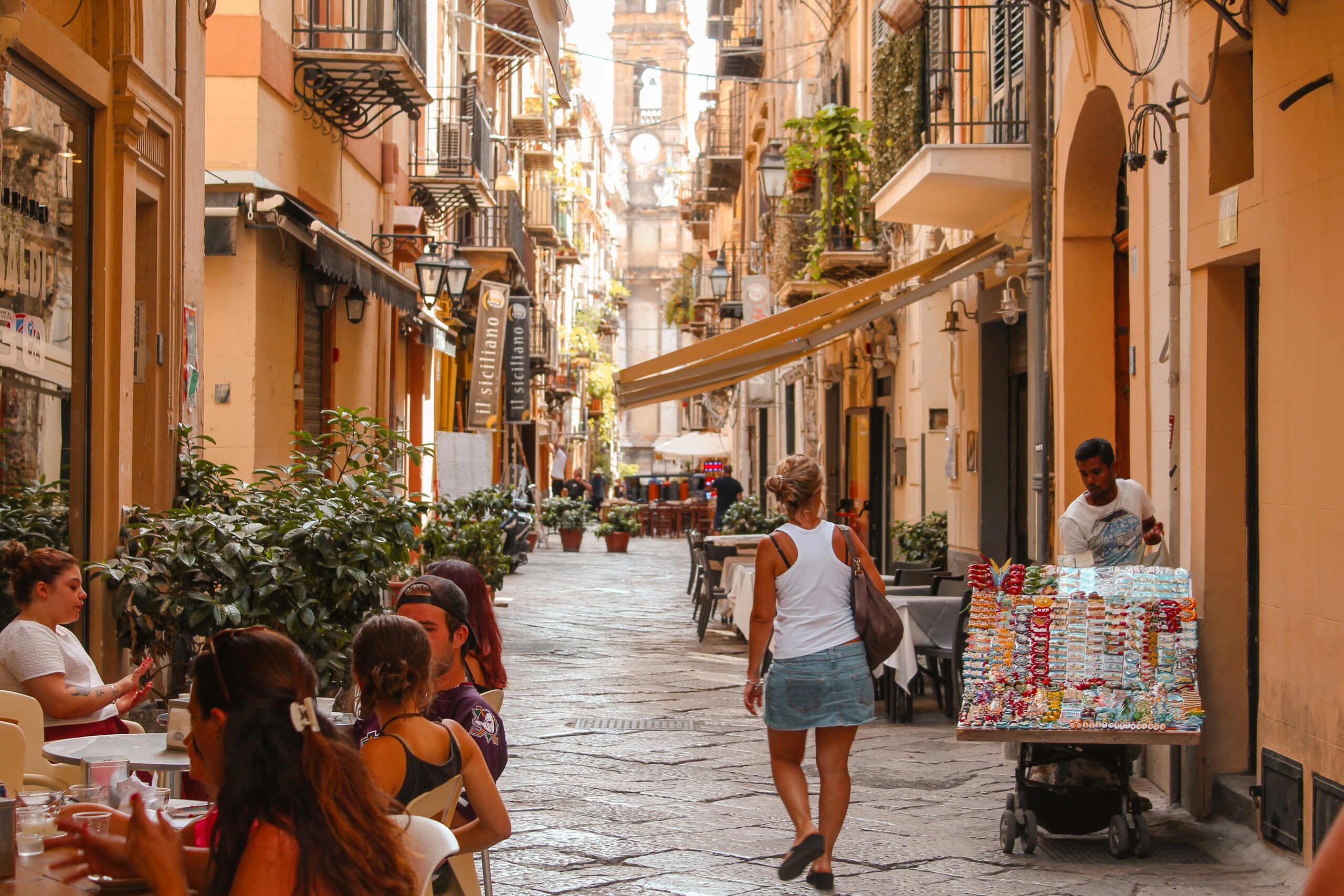
One of the best ways to experience Palermo is simply walking its main streets. Via Maqueda runs through the historic center and is mostly pedestrian, connecting key spots like Quattro Canti. Via Ruggero Settimo feels more modern, with shops and cafés, while Via Vittorio Emanuele crosses the city with major landmarks along the way. Walking these streets gives you a real sense of Palermo’s rhythm, from busy areas to quieter corners just a few steps away.

Explore Palermo’s street food at Ballarò Market

Ballarò is the most local and authentic street market in Palermo. It’s busy, loud, and full of energy, with vendors selling fresh produce, fish, and ready-to-eat street food. This is one of the best places to try Palermo’s street food, like arancine, panelle, and sfincione. It’s less polished than other markets, which makes it feel more real. Other markets worth visiting are Vucciria and Capo Market.

Visit Teatro Massimo

Teatro Massimo is the largest opera house in Italy and one of Palermo’s most iconic buildings. You can admire it from the outside or join a guided tour inside to see the grand staircase and performance halls. Even if you’re not attending a show, it’s worth a short stop for its architecture and location near lively streets filled with restaurants and cafés.

Relax at Mondello Beach

Located about 20–30 minutes from the city center, Mondello is Palermo’s main beach. It has clear water, a long sandy shore, and beach clubs where you can rent umbrellas and sunbeds. It’s a popular escape from the city, especially in summer. You can reach it by bus or car, making it an easy half-day or full-day trip.

Take a day trip to Cefalù

One of the best things about Palermo is how easy it is to explore beyond the city. Day trips are very common here, and Cefalù is one of the best you can do. Just 1 hour away by train, it offers a mix of beach, cathedral, and a compact historic center. You can swim, explore, and enjoy a relaxed lunch by the sea. If you’re planning more, check the section below for other great day trips from Palermo.

Our take: Focus on the historic center and a street food market on your first day, then add Mondello or the catacombs depending on your time — this balance gives you history, local life, and a break from the city.

Other popular things to do in Palermo

Once you’ve covered the essentials, Palermo has many other places worth adding depending on your time and interests. These experiences go deeper into culture, viewpoints, day trips, and local life.

Walk along Foro Italico
This seaside promenade offers a wide open space to walk, relax, or sit by the water. It’s a quieter area compared to the busy historic center and is often used by locals in the evening. It’s a good place to take a break, especially after visiting nearby attractions like the Botanical Garden or Porta Felice.

Explore La Kalsa district
La Kalsa is one of Palermo’s oldest neighborhoods, known for its mix of historic buildings, small streets, and cultural spots. Here you’ll find places like Palazzo Abatellis and Spasimo Church. It’s less crowded than the main center and gives a more local feel of the city.

Try street food at Vucciria or Capo Market
Besides Ballarò Market, there are other markets worth visiting, especially Vucciria and Capo, which are great for street food. You’ll find stalls serving grilled meats, sandwiches, fried snacks, and local specialties. These markets are especially lively in the evening, when they turn into informal social spots with music and outdoor seating.

Visit Palermo Botanical Garden (Orto Botanico)
A peaceful green space near the city center, the Botanical Garden hosts tropical plants, palm trees, and historic greenhouses. It’s a good stop if you want a slower pace between sightseeing. The layout is easy to explore, and it usually takes around 1 hour to visit.

Visit the Antiques & Flea Market (Piazza Marina)
If you’re in Palermo on a Sunday, this is a great local experience to add to your plans. The antiques and flea market at Piazza Marina runs from around 8am to 1pm, with stalls selling vintage items, books, ceramics, and small collectibles. Even if you’re not buying, it’s a nice way to walk through a different side of the city and enjoy a slower morning atmosphere.

Visit Church of the Gesù (Casa Professa)
One of the most impressive churches in Palermo, known for its intricate baroque interior filled with marble details and decorations. From the outside it looks simple, but inside it’s highly detailed. It’s located close to Ballarò Market, so it’s easy to combine both.

Visit Palazzo Abatellis
This museum is located in a historic palace and houses a collection of Sicilian art from the Middle Ages to the Renaissance. The highlight is the famous painting “Triumph of Death.” It’s a compact museum, making it easy to include in your itinerary without taking too much time.

See Fontana Pretoria
Located near Quattro Canti, this large fountain is known for its detailed statues and central location. It’s often called the “Fountain of Shame” due to the nudity of the figures. It’s not a long visit, but it’s an important stop when walking through the historic center.

Take a street food tour
If you want a deeper understanding of Palermo’s food scene, joining a guided street food tour can be a good option. You’ll try different local dishes while learning about their history and where to find the best versions. Tours usually take place in markets and central streets.

Visit Zisa Palace (Castello della Zisa)
This palace reflects Palermo’s Arab-Norman architecture, with a design focused on ventilation and water features. It’s located slightly outside the main tourist area, so it’s less crowded. Inside, you can learn more about the multicultural history of Sicily.

Visit the Catacombs of the Capuchins
This is one of the most unusual attractions in Palermo. The catacombs contain thousands of preserved bodies displayed along underground corridors. It’s a historical and cultural site, but also quite intense and not for everyone. If you’re curious about Palermo’s past and unique traditions, it’s a memorable visit.

Visit Monreale Cathedral
Located about 20 minutes from Palermo, Monreale Cathedral is famous for its extensive gold mosaics covering the interior walls. It’s one of the finest examples of Norman architecture in Sicily. You can also visit the cloisters and enjoy views over the valley. Easy to reach by bus or car, it’s one of the most popular half-day trips from Palermo.

Visit the English Garden (Giardino Inglese)
This park offers shaded paths, open spaces, and a quieter environment compared to central Palermo. It’s popular with locals and is a good place for a short break or walk, especially if you’re staying nearby.

FAQs

How many days do you need in Palermo?

You need 2 days to cover the main highlights, including the historic center and markets. With 3 days, you can add Mondello or a day trip like Cefalù.

What are the must-see attractions in Palermo?

The essentials are Palermo Cathedral, Norman Palace and Palatine Chapel, Quattro Canti, and a local market like Ballarò or Capo.

Is Palermo worth visiting?

Yes, especially if you want a mix of history, street life, and food culture. It’s less polished than other Italian cities but offers a more local experience.

Is Palermo walkable?

Yes, the historic center is walkable, and most main attractions are close to each other. You’ll only need transport for places like Mondello.

What food should you try in Palermo?

Focus on street food like arancine, panelle, and sfincione, plus desserts like cannoli. Markets are the best places to try these.

Is Palermo safe for tourists?

Generally yes, especially in central areas. Use basic precautions, particularly in crowded markets and at night in quieter streets.

Can you visit Palermo without a car?

Yes, you can explore the city without a car. Public transport and trains make it easy to reach places like Mondello or Cefalù.

What is the best area to stay in Palermo?

The best area is the historic center, near Quattro Canti or Teatro Massimo, where you’re close to most attractions and restaurants.

Is Mondello worth visiting?

Yes, especially in warmer months. It offers clear water and a sandy beach, making it a good break from the city’s busy streets.

Are Palermo’s markets open every day?

Most markets like Ballarò and Capo are open daily in the morning, while some areas like Vucciria are more active in the evening.

Best things to do in Palermo

Last updated on April 16, 2026

Intro

Palermo is one of those cities that surprises you from the first walk — busy streets, historic buildings, and food everywhere. In this guide, you’ll find the best things to do in Palermo, including must-see landmarks, local markets, viewpoints, beaches nearby, and practical tips to plan your visit.

If you’re planning a trip and want a clear, experience-based guide to Palermo, this will help you decide what’s worth your time and how to make the most of it.

Essential things to do in Palermo

Palermo is a city best explored by mixing historic landmarks, street life, and food experiences. These are the essential things to do that give you a complete first impression of the city.

Explore Palermo Cathedral (Cattedrale di Palermo)

This is one of the most important landmarks in Palermo, known for its mix of architectural styles reflecting centuries of history. You can visit the interior, but the highlight is going up to the rooftop terraces, where you get wide views over the city and surrounding mountains. It’s located in the historic center, making it easy to combine with nearby attractions like Quattro Canti and the Norman Palace.


The entrance to the main church is free, but access to the rooftop and monumental areas requires a paid ticket (€5–€15+).

Visit the Norman Palace and Palatine Chapel (Palazzo dei Normanni)

This historic palace was once the seat of the kings of Sicily and is now home to the Sicilian Regional Assembly. Inside, the Palatine Chapel stands out with its detailed gold mosaics and wooden ceiling. It’s one of the most impressive interiors in Palermo and a key stop to understand the island’s Arab-Norman heritage. Plan at least 1 to 1.5 hours for the full visit.


Tickets can be bought at the entrance or online. Prices usually range from €10 to €20 depending on access (Palatine Chapel, royal apartments, gardens), and booking ahead helps avoid queues in high season.

Walk through Quattro Canti and the historic center

Quattro Canti is the symbolic center of Palermo, where four baroque facades meet at a crossroads. From here, you can explore the historic center on foot, passing churches, small squares, and local shops. It’s one of the best ways to experience the city’s atmosphere. Expect a mix of restored buildings and more raw, authentic streets just a few steps away.

Walk Palermo’s main streets and feel the city

One of the best ways to experience Palermo is simply walking its main streets. Via Maqueda runs through the historic center and is mostly pedestrian, connecting key spots like Quattro Canti. Via Ruggero Settimo feels more modern, with shops and cafés, while Via Vittorio Emanuele crosses the city with major landmarks along the way. Walking these streets gives you a real sense of Palermo’s rhythm, from busy areas to quieter corners just a few steps away.

Explore Palermo’s street food at Ballarò Market

Ballarò is the most local and authentic street market in Palermo. It’s busy, loud, and full of energy, with vendors selling fresh produce, fish, and ready-to-eat street food. This is one of the best places to try Palermo’s street food, like arancine, panelle, and sfincione. It’s less polished than other markets, which makes it feel more real. Other markets worth visiting are Vucciria and Capo Market.

Visit Teatro Massimo

Teatro Massimo is the largest opera house in Italy and one of Palermo’s most iconic buildings. You can admire it from the outside or join a guided tour inside to see the grand staircase and performance halls. Even if you’re not attending a show, it’s worth a short stop for its architecture and location near lively streets filled with restaurants and cafés.

Relax at Mondello Beach

Located about 20–30 minutes from the city center, Mondello is Palermo’s main beach. It has clear water, a long sandy shore, and beach clubs where you can rent umbrellas and sunbeds. It’s a popular escape from the city, especially in summer. You can reach it by bus or car, making it an easy half-day or full-day trip.

Take a day trip to Cefalù

One of the best things about Palermo is how easy it is to explore beyond the city. Day trips are very common here, and Cefalù is one of the best you can do. Just 1 hour away by train, it offers a mix of beach, cathedral, and a compact historic center. You can swim, explore, and enjoy a relaxed lunch by the sea. If you’re planning more, check the section below for other great day trips from Palermo.

Our take: Focus on the historic center and a street food market on your first day, then add Mondello or the catacombs depending on your time — this balance gives you history, local life, and a break from the city.

Other popular things to do in Palermo

Once you’ve covered the essentials, Palermo has many other places worth adding depending on your time and interests. These experiences go deeper into culture, viewpoints, day trips, and local life.

Walk along Foro Italico
This seaside promenade offers a wide open space to walk, relax, or sit by the water. It’s a quieter area compared to the busy historic center and is often used by locals in the evening. It’s a good place to take a break, especially after visiting nearby attractions like the Botanical Garden or Porta Felice.

Explore La Kalsa district
La Kalsa is one of Palermo’s oldest neighborhoods, known for its mix of historic buildings, small streets, and cultural spots. Here you’ll find places like Palazzo Abatellis and Spasimo Church. It’s less crowded than the main center and gives a more local feel of the city.

Try street food at Vucciria or Capo Market
Besides Ballarò Market, there are other markets worth visiting, especially Vucciria and Capo, which are great for street food. You’ll find stalls serving grilled meats, sandwiches, fried snacks, and local specialties. These markets are especially lively in the evening, when they turn into informal social spots with music and outdoor seating.

Visit Palermo Botanical Garden (Orto Botanico)
A peaceful green space near the city center, the Botanical Garden hosts tropical plants, palm trees, and historic greenhouses. It’s a good stop if you want a slower pace between sightseeing. The layout is easy to explore, and it usually takes around 1 hour to visit.

Visit the Antiques & Flea Market (Piazza Marina)
If you’re in Palermo on a Sunday, this is a great local experience to add to your plans. The antiques and flea market at Piazza Marina runs from around 8am to 1pm, with stalls selling vintage items, books, ceramics, and small collectibles. Even if you’re not buying, it’s a nice way to walk through a different side of the city and enjoy a slower morning atmosphere.

Visit Church of the Gesù (Casa Professa)
One of the most impressive churches in Palermo, known for its intricate baroque interior filled with marble details and decorations. From the outside it looks simple, but inside it’s highly detailed. It’s located close to Ballarò Market, so it’s easy to combine both.

Visit Palazzo Abatellis
This museum is located in a historic palace and houses a collection of Sicilian art from the Middle Ages to the Renaissance. The highlight is the famous painting “Triumph of Death.” It’s a compact museum, making it easy to include in your itinerary without taking too much time.

See Fontana Pretoria
Located near Quattro Canti, this large fountain is known for its detailed statues and central location. It’s often called the “Fountain of Shame” due to the nudity of the figures. It’s not a long visit, but it’s an important stop when walking through the historic center.

Take a street food tour
If you want a deeper understanding of Palermo’s food scene, joining a guided street food tour can be a good option. You’ll try different local dishes while learning about their history and where to find the best versions. Tours usually take place in markets and central streets.

Visit Zisa Palace (Castello della Zisa)
This palace reflects Palermo’s Arab-Norman architecture, with a design focused on ventilation and water features. It’s located slightly outside the main tourist area, so it’s less crowded. Inside, you can learn more about the multicultural history of Sicily.

Visit the Catacombs of the Capuchins
This is one of the most unusual attractions in Palermo. The catacombs contain thousands of preserved bodies displayed along underground corridors. It’s a historical and cultural site, but also quite intense and not for everyone. If you’re curious about Palermo’s past and unique traditions, it’s a memorable visit.

Visit Monreale Cathedral
Located about 20 minutes from Palermo, Monreale Cathedral is famous for its extensive gold mosaics covering the interior walls. It’s one of the finest examples of Norman architecture in Sicily. You can also visit the cloisters and enjoy views over the valley. Easy to reach by bus or car, it’s one of the most popular half-day trips from Palermo.

Visit the English Garden (Giardino Inglese)
This park offers shaded paths, open spaces, and a quieter environment compared to central Palermo. It’s popular with locals and is a good place for a short break or walk, especially if you’re staying nearby.

Things to do in Palermo by category

Beyond the main sights, Palermo offers plenty of options depending on your travel style, budget, and time of year. These categories help you quickly find what fits your trip best.

With kids
  • Mondello Beach: Calm water, sandy shore, and space to play make it the easiest family-friendly spot near Palermo, especially in warm months.
  • Palermo Botanical Garden: Open space, shaded paths, and large plants make it easy for kids to walk and explore without pressure.
  • Foro Italico park area: Wide green space by the sea where kids can run, play, and relax away from traffic and busy streets.
  • Train ride to Cefalù (short trip): Easy and scenic train journey that kids usually enjoy, combined with beach time and a small town.
  • Street food tasting (simple foods): Try arancine or pizza slices—easy, affordable, and usually well accepted by kids.
  • Teatro Massimo exterior visit: Short stop to see the building and square, good for a quick break without needing a full visit.

Free things to do
  • Walk the historic center: Explore streets around Quattro Canti and Via Maqueda with no cost, just walking between landmarks.
  • Visit Palermo Cathedral (main floor): Entry is free for the cathedral itself; you only pay if you go to the rooftop or extra areas.
  • Explore local markets: Ballarò and Capo are free to walk through, even if you don’t buy anything.
  • Walk along Foro Italico: Open access seaside promenade, ideal for sunset walks or relaxing by the water.
  • See Fontana Pretoria: Located in a central square, easy to visit while walking through the historic center.
  • Visit churches (select hours): Some churches allow free entry during certain hours, especially outside peak visiting times.

Seasonal things to do
  • Mondello Beach (summer): Best from late spring to early autumn when water is warm and beach clubs are fully open.
  • Street markets in the evening (summer): Markets like Vucciria become more lively at night during warmer months.
  • Festino di Santa Rosalia (July): Major local festival with processions, food, and events across the city.
  • Outdoor dining in piazzas: More enjoyable in spring and summer when terraces and squares are active late into the evening.
  • Mild winter city walks: Palermo stays relatively warm, making it good for off-season travel without extreme cold.
  • Spring visits to gardens: Botanical Garden and green areas are at their best with more vegetation and color.

Food experiences
  • Try arancine: Fried rice balls filled with meat or cheese, one of the most iconic local snacks.
  • Eat panelle sandwiches: Chickpea fritters served in bread, simple and very traditional street food.
  • Taste cannoli: Classic Sicilian dessert filled with ricotta cream, best found in pastry shops.
  • Visit a local trattoria: Sit-down meal with pasta, seafood, and regional dishes in a more traditional setting.
  • Explore Capo Market food stalls: Mix of fresh produce and ready-to-eat dishes in a lively environment.
  • Try sfincione: Sicilian-style pizza, thicker and softer, often sold in markets or bakeries.

Culture and history
  • Palatine Chapel visit: Detailed mosaics and architecture inside the Norman Palace, one of Palermo’s highlights.
  • Church of the Gesù: Rich baroque interior with marble decoration, surprising compared to its simple exterior.
  • Palazzo Abatellis museum: Compact museum with important Sicilian artworks and historic pieces.
  • Zisa Palace: Arab-Norman architecture showing Palermo’s multicultural past.
  • Quattro Canti: Central baroque square that reflects the city’s historic urban layout.
  • Catacombs of the Capuchins: Unique and intense site showing preserved bodies from past centuries.

Views and viewpoints
  • Palermo Cathedral rooftop: One of the best viewpoints over the city and surrounding mountains.
  • Monte Pellegrino: Hill above Palermo offering panoramic views, reachable by car or hike.
  • Monreale viewpoints: Views over the valley and city area when visiting the cathedral surroundings.
  • Rooftop bars in the center: Some hotels and bars offer elevated views with drinks.
  • Coastal views at Foro Italico: Open perspective of the sea, especially at sunset.
  • Street-level views in La Kalsa: Quiet corners with historic buildings and less crowded scenery.

Hidden gems
  • Spasimo Church: Roofless church used for events, different from traditional religious buildings.
  • Giardino Garibaldi: Small square with large trees and a local feel, good for a short stop.
  • Vucciria in the morning: Less crowded than at night, showing a different side of the market.
  • Local bakeries: Small, unmarked spots often have some of the best pastries and snacks.
  • Side streets near Ballarò: Authentic residential areas just steps away from the market.
  • Small artisan shops: Local crafts and products, often family-run and less touristy.

Relaxed experiences
  • Coffee in a piazza: Sit down, slow the pace, and observe daily life in central squares.
  • Gelato break: Easy way to cool down while walking through the city.
  • Seaside walk at sunset: Relaxed atmosphere along the coast with changing light.
  • Lunch near markets: Casual meals with simple dishes and a local environment.
  • Short park breaks: Spots like the Botanical Garden or Foro Italico to pause during the day.
  • Evening stroll in the center: Walk after dinner when streets are active but less intense.

Our take: Use this section to fill gaps in your itinerary – mix one food experience, one cultural site, and one relaxed activity per day to keep the pace balanced and enjoyable.

FAQs

How many days do you need in Palermo?

You need 2 days to cover the main highlights, including the historic center and markets. With 3 days, you can add Mondello or a day trip like Cefalù.

What are the must-see attractions in Palermo?

The essentials are Palermo Cathedral, Norman Palace and Palatine Chapel, Quattro Canti, and a local market like Ballarò or Capo.

Is Palermo worth visiting?

Yes, especially if you want a mix of history, street life, and food culture. It’s less polished than other Italian cities but offers a more local experience.

Is Palermo walkable?

Yes, the historic center is walkable, and most main attractions are close to each other. You’ll only need transport for places like Mondello.

What food should you try in Palermo?

Focus on street food like arancine, panelle, and sfincione, plus desserts like cannoli. Markets are the best places to try these.

Is Palermo safe for tourists?

Generally yes, especially in central areas. Use basic precautions, particularly in crowded markets and at night in quieter streets.

Can you visit Palermo without a car?

Yes, you can explore the city without a car. Public transport and trains make it easy to reach places like Mondello or Cefalù.

What is the best area to stay in Palermo?

The best area is the historic center, near Quattro Canti or Teatro Massimo, where you’re close to most attractions and restaurants.

Is Mondello worth visiting?

Yes, especially in warmer months. It offers clear water and a sandy beach, making it a good break from the city’s busy streets.

Are Palermo’s markets open every day?

Most markets like Ballarò and Capo are open daily in the morning, while some areas like Vucciria are more active in the evening.

Best things to do in Palermo

Last updated on April 16, 2026

Intro

Palermo is one of those cities that surprises you from the first walk — busy streets, historic buildings, and food everywhere. In this guide, you’ll find the best things to do in Palermo, including must-see landmarks, local markets, viewpoints, beaches nearby, and practical tips to plan your visit.

If you’re planning a trip and want a clear, experience-based guide to Palermo, this will help you decide what’s worth your time and how to make the most of it.

Essential things to do in Palermo

Palermo is a city best explored by mixing historic landmarks, street life, and food experiences. These are the essential things to do that give you a complete first impression of the city.

Explore Palermo Cathedral (Cattedrale di Palermo)

This is one of the most important landmarks in Palermo, known for its mix of architectural styles reflecting centuries of history. You can visit the interior, but the highlight is going up to the rooftop terraces, where you get wide views over the city and surrounding mountains. It’s located in the historic center, making it easy to combine with nearby attractions like Quattro Canti and the Norman Palace.


The entrance to the main church is free, but access to the rooftop and monumental areas requires a paid ticket (€5–€15+).

Visit the Norman Palace and Palatine Chapel (Palazzo dei Normanni)

This historic palace was once the seat of the kings of Sicily and is now home to the Sicilian Regional Assembly. Inside, the Palatine Chapel stands out with its detailed gold mosaics and wooden ceiling. It’s one of the most impressive interiors in Palermo and a key stop to understand the island’s Arab-Norman heritage. Plan at least 1 to 1.5 hours for the full visit.


Tickets can be bought at the entrance or online. Prices usually range from €10 to €20 depending on access (Palatine Chapel, royal apartments, gardens), and booking ahead helps avoid queues in high season.

Walk through Quattro Canti and the historic center

Quattro Canti is the symbolic center of Palermo, where four baroque facades meet at a crossroads. From here, you can explore the historic center on foot, passing churches, small squares, and local shops. It’s one of the best ways to experience the city’s atmosphere. Expect a mix of restored buildings and more raw, authentic streets just a few steps away.

Walk Palermo’s main streets and feel the city

One of the best ways to experience Palermo is simply walking its main streets. Via Maqueda runs through the historic center and is mostly pedestrian, connecting key spots like Quattro Canti. Via Ruggero Settimo feels more modern, with shops and cafés, while Via Vittorio Emanuele crosses the city with major landmarks along the way. Walking these streets gives you a real sense of Palermo’s rhythm, from busy areas to quieter corners just a few steps away.

Explore Palermo’s street food at Ballarò Market

Ballarò is the most local and authentic street market in Palermo. It’s busy, loud, and full of energy, with vendors selling fresh produce, fish, and ready-to-eat street food. This is one of the best places to try Palermo’s street food, like arancine, panelle, and sfincione. It’s less polished than other markets, which makes it feel more real. Other markets worth visiting are Vucciria and Capo Market.

Visit Teatro Massimo

Teatro Massimo is the largest opera house in Italy and one of Palermo’s most iconic buildings. You can admire it from the outside or join a guided tour inside to see the grand staircase and performance halls. Even if you’re not attending a show, it’s worth a short stop for its architecture and location near lively streets filled with restaurants and cafés.

Relax at Mondello Beach

Located about 20–30 minutes from the city center, Mondello is Palermo’s main beach. It has clear water, a long sandy shore, and beach clubs where you can rent umbrellas and sunbeds. It’s a popular escape from the city, especially in summer. You can reach it by bus or car, making it an easy half-day or full-day trip.

Take a day trip to Cefalù

One of the best things about Palermo is how easy it is to explore beyond the city. Day trips are very common here, and Cefalù is one of the best you can do. Just 1 hour away by train, it offers a mix of beach, cathedral, and a compact historic center. You can swim, explore, and enjoy a relaxed lunch by the sea. If you’re planning more, check the section below for other great day trips from Palermo.

Our take: Focus on the historic center and a street food market on your first day, then add Mondello or the catacombs depending on your time — this balance gives you history, local life, and a break from the city.

Other popular things to do in Palermo

Once you’ve covered the essentials, Palermo has many other places worth adding depending on your time and interests. These experiences go deeper into culture, viewpoints, day trips, and local life.

Walk along Foro Italico
This seaside promenade offers a wide open space to walk, relax, or sit by the water. It’s a quieter area compared to the busy historic center and is often used by locals in the evening. It’s a good place to take a break, especially after visiting nearby attractions like the Botanical Garden or Porta Felice.

Explore La Kalsa district
La Kalsa is one of Palermo’s oldest neighborhoods, known for its mix of historic buildings, small streets, and cultural spots. Here you’ll find places like Palazzo Abatellis and Spasimo Church. It’s less crowded than the main center and gives a more local feel of the city.

Try street food at Vucciria or Capo Market
Besides Ballarò Market, there are other markets worth visiting, especially Vucciria and Capo, which are great for street food. You’ll find stalls serving grilled meats, sandwiches, fried snacks, and local specialties. These markets are especially lively in the evening, when they turn into informal social spots with music and outdoor seating.

Visit Palermo Botanical Garden (Orto Botanico)
A peaceful green space near the city center, the Botanical Garden hosts tropical plants, palm trees, and historic greenhouses. It’s a good stop if you want a slower pace between sightseeing. The layout is easy to explore, and it usually takes around 1 hour to visit.

Visit the Antiques & Flea Market (Piazza Marina)
If you’re in Palermo on a Sunday, this is a great local experience to add to your plans. The antiques and flea market at Piazza Marina runs from around 8am to 1pm, with stalls selling vintage items, books, ceramics, and small collectibles. Even if you’re not buying, it’s a nice way to walk through a different side of the city and enjoy a slower morning atmosphere.

Visit Church of the Gesù (Casa Professa)
One of the most impressive churches in Palermo, known for its intricate baroque interior filled with marble details and decorations. From the outside it looks simple, but inside it’s highly detailed. It’s located close to Ballarò Market, so it’s easy to combine both.

Visit Palazzo Abatellis
This museum is located in a historic palace and houses a collection of Sicilian art from the Middle Ages to the Renaissance. The highlight is the famous painting “Triumph of Death.” It’s a compact museum, making it easy to include in your itinerary without taking too much time.

See Fontana Pretoria
Located near Quattro Canti, this large fountain is known for its detailed statues and central location. It’s often called the “Fountain of Shame” due to the nudity of the figures. It’s not a long visit, but it’s an important stop when walking through the historic center.

Take a street food tour
If you want a deeper understanding of Palermo’s food scene, joining a guided street food tour can be a good option. You’ll try different local dishes while learning about their history and where to find the best versions. Tours usually take place in markets and central streets.

Visit Zisa Palace (Castello della Zisa)
This palace reflects Palermo’s Arab-Norman architecture, with a design focused on ventilation and water features. It’s located slightly outside the main tourist area, so it’s less crowded. Inside, you can learn more about the multicultural history of Sicily.

Visit the Catacombs of the Capuchins
This is one of the most unusual attractions in Palermo. The catacombs contain thousands of preserved bodies displayed along underground corridors. It’s a historical and cultural site, but also quite intense and not for everyone. If you’re curious about Palermo’s past and unique traditions, it’s a memorable visit.

Visit Monreale Cathedral
Located about 20 minutes from Palermo, Monreale Cathedral is famous for its extensive gold mosaics covering the interior walls. It’s one of the finest examples of Norman architecture in Sicily. You can also visit the cloisters and enjoy views over the valley. Easy to reach by bus or car, it’s one of the most popular half-day trips from Palermo.

Visit the English Garden (Giardino Inglese)
This park offers shaded paths, open spaces, and a quieter environment compared to central Palermo. It’s popular with locals and is a good place for a short break or walk, especially if you’re staying nearby.

Things to do in Palermo by category

Beyond the main sights, Palermo offers plenty of options depending on your travel style, budget, and time of year. These categories help you quickly find what fits your trip best.

With kids
  • Mondello Beach: Calm water, sandy shore, and space to play make it the easiest family-friendly spot near Palermo, especially in warm months.
  • Palermo Botanical Garden: Open space, shaded paths, and large plants make it easy for kids to walk and explore without pressure.
  • Foro Italico park area: Wide green space by the sea where kids can run, play, and relax away from traffic and busy streets.
  • Train ride to Cefalù (short trip): Easy and scenic train journey that kids usually enjoy, combined with beach time and a small town.
  • Street food tasting (simple foods): Try arancine or pizza slices—easy, affordable, and usually well accepted by kids.
  • Teatro Massimo exterior visit: Short stop to see the building and square, good for a quick break without needing a full visit.

Free things to do
  • Walk the historic center: Explore streets around Quattro Canti and Via Maqueda with no cost, just walking between landmarks.
  • Visit Palermo Cathedral (main floor): Entry is free for the cathedral itself; you only pay if you go to the rooftop or extra areas.
  • Explore local markets: Ballarò and Capo are free to walk through, even if you don’t buy anything.
  • Walk along Foro Italico: Open access seaside promenade, ideal for sunset walks or relaxing by the water.
  • See Fontana Pretoria: Located in a central square, easy to visit while walking through the historic center.
  • Visit churches (select hours): Some churches allow free entry during certain hours, especially outside peak visiting times.

Seasonal things to do
  • Mondello Beach (summer): Best from late spring to early autumn when water is warm and beach clubs are fully open.
  • Street markets in the evening (summer): Markets like Vucciria become more lively at night during warmer months.
  • Festino di Santa Rosalia (July): Major local festival with processions, food, and events across the city.
  • Outdoor dining in piazzas: More enjoyable in spring and summer when terraces and squares are active late into the evening.
  • Mild winter city walks: Palermo stays relatively warm, making it good for off-season travel without extreme cold.
  • Spring visits to gardens: Botanical Garden and green areas are at their best with more vegetation and color.

Food experiences
  • Try arancine: Fried rice balls filled with meat or cheese, one of the most iconic local snacks.
  • Eat panelle sandwiches: Chickpea fritters served in bread, simple and very traditional street food.
  • Taste cannoli: Classic Sicilian dessert filled with ricotta cream, best found in pastry shops.
  • Visit a local trattoria: Sit-down meal with pasta, seafood, and regional dishes in a more traditional setting.
  • Explore Capo Market food stalls: Mix of fresh produce and ready-to-eat dishes in a lively environment.
  • Try sfincione: Sicilian-style pizza, thicker and softer, often sold in markets or bakeries.

Culture and history
  • Palatine Chapel visit: Detailed mosaics and architecture inside the Norman Palace, one of Palermo’s highlights.
  • Church of the Gesù: Rich baroque interior with marble decoration, surprising compared to its simple exterior.
  • Palazzo Abatellis museum: Compact museum with important Sicilian artworks and historic pieces.
  • Zisa Palace: Arab-Norman architecture showing Palermo’s multicultural past.
  • Quattro Canti: Central baroque square that reflects the city’s historic urban layout.
  • Catacombs of the Capuchins: Unique and intense site showing preserved bodies from past centuries.

Views and viewpoints
  • Palermo Cathedral rooftop: One of the best viewpoints over the city and surrounding mountains.
  • Monte Pellegrino: Hill above Palermo offering panoramic views, reachable by car or hike.
  • Monreale viewpoints: Views over the valley and city area when visiting the cathedral surroundings.
  • Rooftop bars in the center: Some hotels and bars offer elevated views with drinks.
  • Coastal views at Foro Italico: Open perspective of the sea, especially at sunset.
  • Street-level views in La Kalsa: Quiet corners with historic buildings and less crowded scenery.

Hidden gems
  • Spasimo Church: Roofless church used for events, different from traditional religious buildings.
  • Giardino Garibaldi: Small square with large trees and a local feel, good for a short stop.
  • Vucciria in the morning: Less crowded than at night, showing a different side of the market.
  • Local bakeries: Small, unmarked spots often have some of the best pastries and snacks.
  • Side streets near Ballarò: Authentic residential areas just steps away from the market.
  • Small artisan shops: Local crafts and products, often family-run and less touristy.

Relaxed experiences
  • Coffee in a piazza: Sit down, slow the pace, and observe daily life in central squares.
  • Gelato break: Easy way to cool down while walking through the city.
  • Seaside walk at sunset: Relaxed atmosphere along the coast with changing light.
  • Lunch near markets: Casual meals with simple dishes and a local environment.
  • Short park breaks: Spots like the Botanical Garden or Foro Italico to pause during the day.
  • Evening stroll in the center: Walk after dinner when streets are active but less intense.

Our take: Use this section to fill gaps in your itinerary – mix one food experience, one cultural site, and one relaxed activity per day to keep the pace balanced and enjoyable.

FAQs

How many days do you need in Palermo?

You need 2 days to cover the main highlights, including the historic center and markets. With 3 days, you can add Mondello or a day trip like Cefalù.

What are the must-see attractions in Palermo?

The essentials are Palermo Cathedral, Norman Palace and Palatine Chapel, Quattro Canti, and a local market like Ballarò or Capo.

Is Palermo worth visiting?

Yes, especially if you want a mix of history, street life, and food culture. It’s less polished than other Italian cities but offers a more local experience.

Is Palermo walkable?

Yes, the historic center is walkable, and most main attractions are close to each other. You’ll only need transport for places like Mondello.

What food should you try in Palermo?

Focus on street food like arancine, panelle, and sfincione, plus desserts like cannoli. Markets are the best places to try these.

Is Palermo safe for tourists?

Generally yes, especially in central areas. Use basic precautions, particularly in crowded markets and at night in quieter streets.

Can you visit Palermo without a car?

Yes, you can explore the city without a car. Public transport and trains make it easy to reach places like Mondello or Cefalù.

What is the best area to stay in Palermo?

The best area is the historic center, near Quattro Canti or Teatro Massimo, where you’re close to most attractions and restaurants.

Is Mondello worth visiting?

Yes, especially in warmer months. It offers clear water and a sandy beach, making it a good break from the city’s busy streets.

Are Palermo’s markets open every day?

Most markets like Ballarò and Capo are open daily in the morning, while some areas like Vucciria are more active in the evening.

HELP US IMPROVE

How likely are you to recommend Know to Travel to a friend or fellow traveler?

Not likely at all
Extremely likely