Best things to do in Sardinia

Last updated on March 31, 2026

Intro

Sardinia is a place where you can swim in Caribbean-like water in the morning, explore 3,000-year-old ruins in the afternoon, and eat fresh seafood by the sea at night. This guide focuses on the experiences that make the island special: hidden coves, dramatic coastal drives, ancient nuraghe towers, small villages, and boat trips to some of the clearest water in Europe.


You’ll find specific places to visit across the island – from the beaches of Costa Smeralda and La Maddalena, to historic towns like Alghero, Bosa, and Cagliari, to natural landmarks such as Gola di Gorropu, Neptune’s Grotto, and Cala Goloritzé.


If you’re planning a trip to Sardinia and want to know which beaches are actually worth it, which towns are pleasant to walk, which boat trips are memorable, and which viewpoints are easy to reach, this guide will help you build a clear itinerary without spending hours researching.

Essential things to do in Sardinia

Sardinia is a large island, which means there’s no shortage of places to explore and experiences to choose from. Some areas are known for beaches, others for hiking, archaeology, or scenic coastal drives. The list below is our selection of the experiences that best capture Sardinia, bringing together a mix of its most defining landscapes and activities.

Boat around the La Maddalena Archipelago

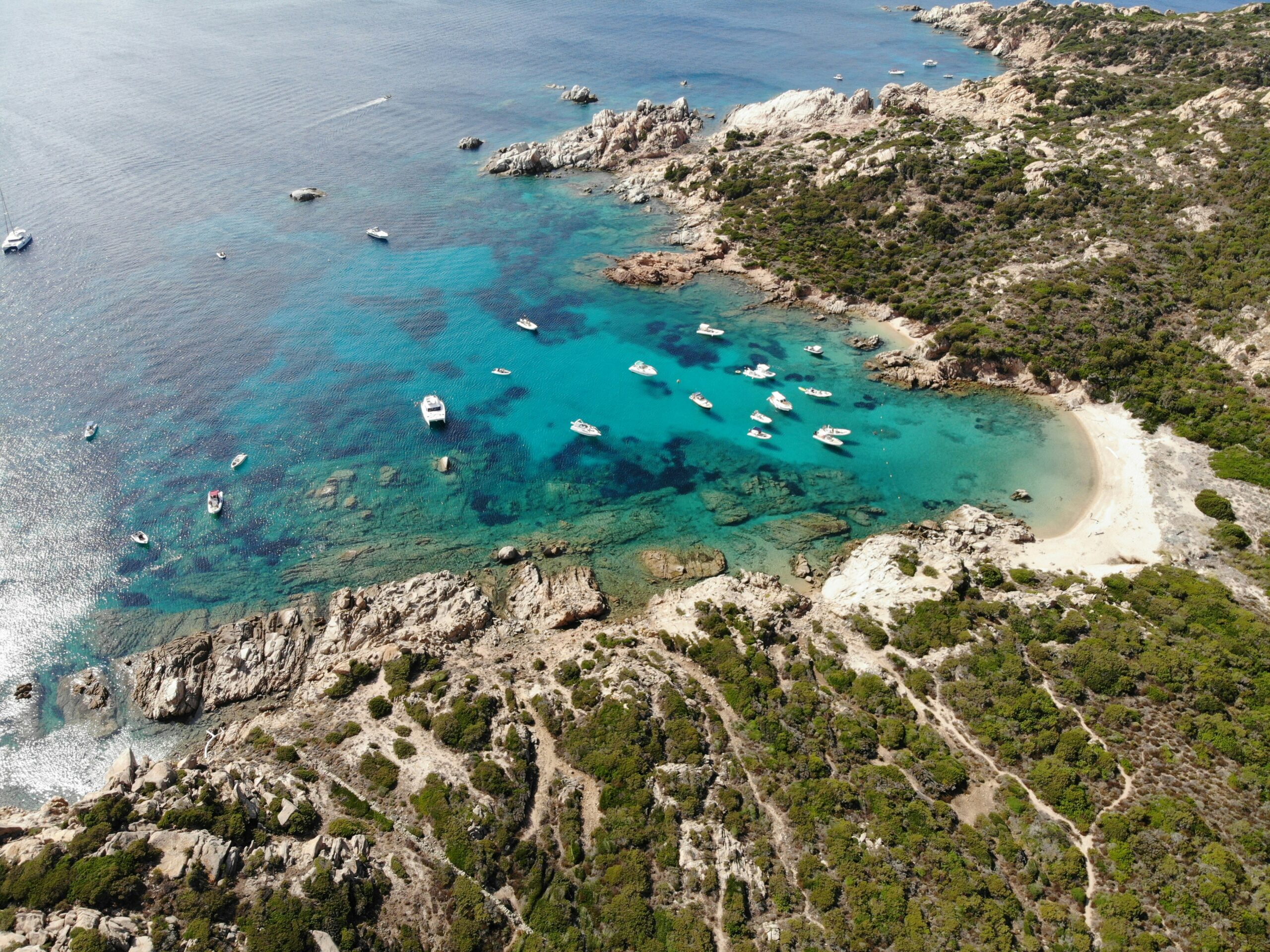
The La Maddalena Archipelago National Park, in the northeast of Sardinia, is a group of islands known for extremely clear water and white sand. Most visitors explore it by boat from Palau or La Maddalena town. Typical trips stop at places like Spiaggia Rosa, Budelli, Spargi, and Santa Maria, with time to swim in shallow turquoise coves. Boats range from large day-tour vessels to small motorboats you can drive yourself.


Group boat tours usually cost between €50 and €120 per person, depending on the type of boat and season, while renting a small self-drive motorboat typically ranges from €120 to €250 per day, plus fuel. It’s one of Sardinia’s defining experiences, and easily a highlight of any trip.

Swim at Cala Goloritzé or Cala Mariolu

Cala Goloritzé and Cala Mariolu, on the east coast in the Gulf of Orosei, are two of Sardinia’s most iconic beaches. Both are known for their clear turquoise water, dramatic limestone cliffs, and remote setting. Cala Goloritzé stands out for the sharp rock pinnacle Aguglia di Goloritzé, while Cala Mariolu is famous for its smooth white pebbles and intense water color.


You can reach them by boat or via hiking trails along the coast. Cala Goloritzé is accessible via a 3.5 km hike from Su Porteddu (around 1 hour down and 1.5 hours back), while Cala Mariolu is typically visited by boat or longer trekking routes.

Visit the beaches of Costa Smeralda

The Costa Smeralda in northeast Sardinia is famous for beaches with very clear water and granite rock formations. Well-known spots include Spiaggia del Principe, Capriccioli, and Liscia Ruja. The area was developed in the 1960s and includes luxury marinas like Porto Cervo, but many beaches remain public and accessible.

If you’re planning to explore more of the island’s coastline, see our best beaches in Sardinia guide, where we share detailed tips, access info, and what to know before you go.

Explore Cagliari’s historic center

Cagliari, Sardinia’s capital, has a historic district called Castello built on a hill above the city. Walk through streets lined with old palaces, visit the Cathedral of Santa Maria, and stop at viewpoints overlooking the harbour. Nearby you’ll also find Roman ruins, local markets like San Benedetto, and Poetto Beach, a long stretch of sand just outside the center.

Visit the Nuraghe of Barumini

The Su Nuraxi di Barumini is the most important archaeological site in Sardinia and a UNESCO World Heritage Site. It’s a complex of stone towers built by the Nuragic civilization around 1500 BCE. Guided visits allow you to walk through the central tower and the surrounding village, learning how these massive basalt structures were constructed thousands of years ago.


Entrance is by guided tour only, costing around €15 per adult, and it’s well worth it to fully understand the site’s history and structure.

Explore the historic streets of Alghero

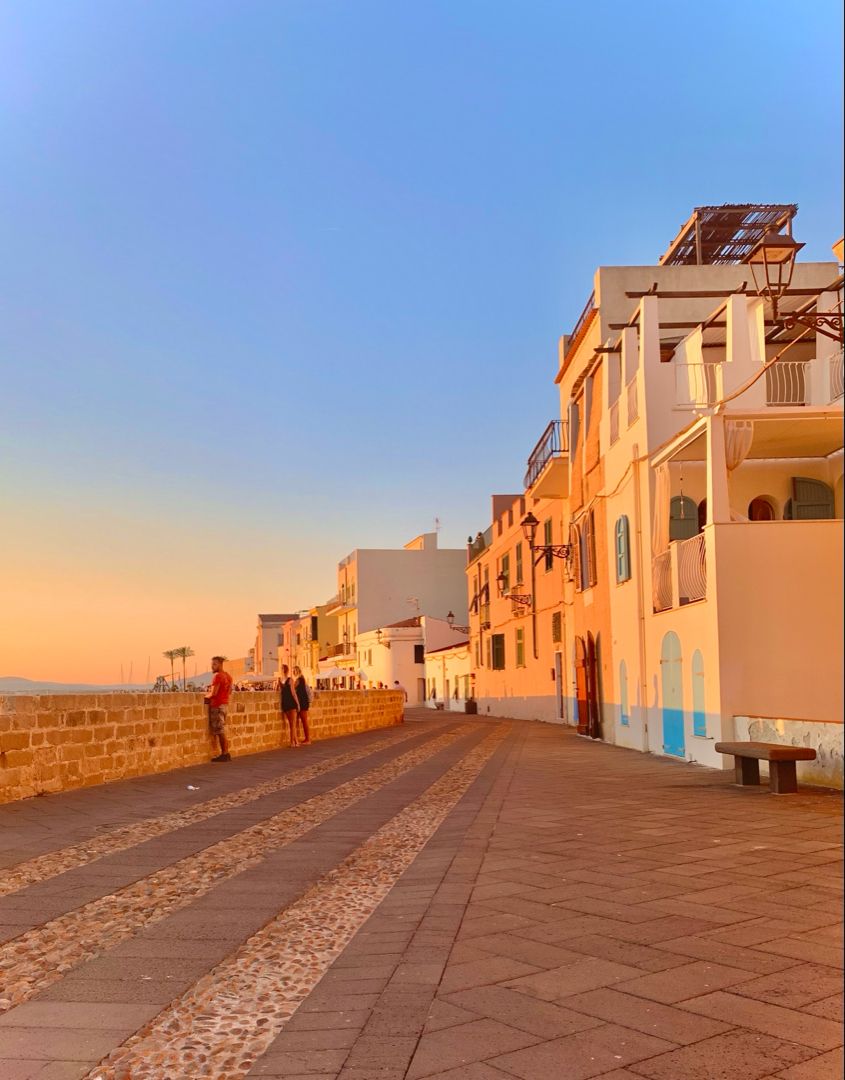
Alghero, on the northwest coast, is one of Sardinia’s most pleasant towns to walk. The old town sits inside medieval walls facing the sea, with narrow streets, small squares, and Catalan influence in architecture and language. Highlights include the cathedral, seaside bastions, and sunset walks along the walls. Many restaurants and gelato shops open onto small piazzas.

Discover Neptune’s Grotto

Neptune’s Grotto (Grotta di Nettuno) is a large sea cave near Capo Caccia, about 25 minutes from Alghero. Inside you’ll find huge stalactites, stalagmites, and a saltwater lake. You can reach the cave by boat from Alghero harbour (around 55€) or by descending the Escala del Cabirol (around 5€), a staircase of about 650 steps carved into the cliff.

Watch the sunset from Capo Caccia

If you don’t plan to visit Neptune’s Grotto, the area around Capo Caccia, near Alghero, is still worth the trip on its own. It’s one of the most scenic viewpoints in Sardinia, known for its high limestone cliffs, panoramic sea views, and dramatic coastline.


From the top, you can watch the sun set directly over the Mediterranean! You can reach it easily by car, with several viewpoints and parking areas near the lighthouse, or by walking part of the Escala del Cabirol.

Walk through the colorful town of Bosa

Bosa sits along the Temo River and is one of Sardinia’s most distinctive towns. Houses painted in pastel colors climb the hillside beneath Malaspina Castle, creating a striking view from the riverfront. The old center has narrow streets, small artisan shops, and quiet squares. The coastal road between Alghero and Bosa is also one of the island’s most scenic drives.

Experience Sardinian food at a traditional agriturismo

A traditional agriturismo is one of the best ways to experience Sardinian food and hospitality. These family-run farm stays, usually located in the countryside, serve set menus based on local products, often including homemade pasta, roasted meats, cheeses, and house wine. Because meals follow a traditional sequence, it becomes a full experience and one of the easiest ways to sample many classic Sardinian dishes at once.


For a deeper guide to local dishes and where to try them, see our what and where to eat in Sardinia guide below:

Practical tips

Sardinia offers beaches, villages, hikes, and archaeological sites across a large island. The best choices depend on where you stay, the season, and how much driving you want to do. These tips help you prioritize.

  • Choose a region first: Sardinia is large. Focus on one or two areas instead of trying to see the whole island.
  • Base near what interests you: Beaches? Stay east or northeast. History and towns? Consider Alghero or Cagliari.
  • Check access to beaches: Many top beaches require boats, hikes, or early arrival to enjoy them calmly.
  • Book popular beaches in summer: Places like La Pelosa or Cala Brandinchi may require reservations.
  • Plan boat days early: Gulf of Orosei and La Maddalena trips often sell out in high season.
  • Start beach days early: Parking fills quickly and the light and water are best in the morning.
  • Combine towns with nature: Pair a village visit with a nearby beach or viewpoint to balance the day.
  • Leave time for driving: Scenic coastal roads are slow but beautiful. Plan fewer stops per day.
  • Include at least one inland stop: Villages in Barbagia or Supramonte show Sardinia’s culture.
  • Avoid too many beaches: Pick a few excellent ones instead of trying to see many in one trip.

FAQs

What are the absolute must-do things in Sardinia?

The highlights most travelers prioritize are a boat trip in La Maddalena, beaches in the Gulf of Orosei, the town of Alghero, Su Nuraxi di Barumini, and swimming at beaches like Cala Goloritzé or La Pelosa.

How many days do you need in Sardinia?

For a relaxed trip, plan 5 to 7 days focusing on one region. With 10 to 14 days, you can combine multiple areas such as Costa Smeralda, the Gulf of Orosei, and towns like Alghero or Cagliari.

Is Sardinia mainly about beaches?

Beaches are the biggest attraction, but Sardinia also offers prehistoric Nuragic sites, mountain landscapes, historic towns, scenic drives, and traditional villages that give a broader view of the island.

Which part of Sardinia is best for beaches?

The Gulf of Orosei has dramatic cliffs and coves like Cala Goloritzé and Cala Mariolu, while Costa Smeralda offers accessible beaches with clear water and granite rock formations.

Do you need a car in Sardinia?

In most cases, yes. Public transport exists but is limited for reaching beaches, viewpoints, and villages. Renting a car gives flexibility to explore different parts of the island.

Are boat trips worth it in Sardinia?

Yes. Many of the most famous beaches, especially in the Gulf of Orosei and La Maddalena, are best reached by boat. These trips also reveal hidden coves not accessible by road.

When is the best time to visit Sardinia?

The best months are May, June, September, and early October. The weather is warm, the sea is pleasant, and the island is less crowded than in July and August.

Are the famous beaches crowded?

In peak summer they can be busy, especially La Pelosa, Cala Brandinchi, and parts of Costa Smeralda. Some beaches, like La Pelosa and Cala Brandinchi, have limited daily access or controlled entry in high season, but they can still feel crowded. Arriving early, booking in advance when required, or visiting in shoulder seasons helps avoid the busiest times.

Can you visit Sardinia without focusing only on beaches?

Yes. Many travelers enjoy historic towns like Bosa or Castelsardo, inland villages such as Orgosolo, archaeological sites, hiking in Supramonte, and food experiences in agriturismo farms.

Best things to do in Sardinia

Last updated on March 31, 2026

Intro

Sardinia is a place where you can swim in Caribbean-like water in the morning, explore 3,000-year-old ruins in the afternoon, and eat fresh seafood by the sea at night. This guide focuses on the experiences that make the island special: hidden coves, dramatic coastal drives, ancient nuraghe towers, small villages, and boat trips to some of the clearest water in Europe.


You’ll find specific places to visit across the island – from the beaches of Costa Smeralda and La Maddalena, to historic towns like Alghero, Bosa, and Cagliari, to natural landmarks such as Gola di Gorropu, Neptune’s Grotto, and Cala Goloritzé.


If you’re planning a trip to Sardinia and want to know which beaches are actually worth it, which towns are pleasant to walk, which boat trips are memorable, and which viewpoints are easy to reach, this guide will help you build a clear itinerary without spending hours researching.

Essential things to do in Sardinia

Sardinia is a large island, which means there’s no shortage of places to explore and experiences to choose from. Some areas are known for beaches, others for hiking, archaeology, or scenic coastal drives. The list below is our selection of the experiences that best capture Sardinia, bringing together a mix of its most defining landscapes and activities.

Boat around the La Maddalena Archipelago

The La Maddalena Archipelago National Park, in the northeast of Sardinia, is a group of islands known for extremely clear water and white sand. Most visitors explore it by boat from Palau or La Maddalena town. Typical trips stop at places like Spiaggia Rosa, Budelli, Spargi, and Santa Maria, with time to swim in shallow turquoise coves. Boats range from large day-tour vessels to small motorboats you can drive yourself.


Group boat tours usually cost between €50 and €120 per person, depending on the type of boat and season, while renting a small self-drive motorboat typically ranges from €120 to €250 per day, plus fuel. It’s one of Sardinia’s defining experiences, and easily a highlight of any trip.

Swim at Cala Goloritzé or Cala Mariolu

Cala Goloritzé and Cala Mariolu, on the east coast in the Gulf of Orosei, are two of Sardinia’s most iconic beaches. Both are known for their clear turquoise water, dramatic limestone cliffs, and remote setting. Cala Goloritzé stands out for the sharp rock pinnacle Aguglia di Goloritzé, while Cala Mariolu is famous for its smooth white pebbles and intense water color.


You can reach them by boat or via hiking trails along the coast. Cala Goloritzé is accessible via a 3.5 km hike from Su Porteddu (around 1 hour down and 1.5 hours back), while Cala Mariolu is typically visited by boat or longer trekking routes.

Visit the beaches of Costa Smeralda

The Costa Smeralda in northeast Sardinia is famous for beaches with very clear water and granite rock formations. Well-known spots include Spiaggia del Principe, Capriccioli, and Liscia Ruja. The area was developed in the 1960s and includes luxury marinas like Porto Cervo, but many beaches remain public and accessible.

If you’re planning to explore more of the island’s coastline, see our best beaches in Sardinia guide, where we share detailed tips, access info, and what to know before you go.

Explore Cagliari’s historic center

Cagliari, Sardinia’s capital, has a historic district called Castello built on a hill above the city. Walk through streets lined with old palaces, visit the Cathedral of Santa Maria, and stop at viewpoints overlooking the harbour. Nearby you’ll also find Roman ruins, local markets like San Benedetto, and Poetto Beach, a long stretch of sand just outside the center.

Visit the Nuraghe of Barumini

The Su Nuraxi di Barumini is the most important archaeological site in Sardinia and a UNESCO World Heritage Site. It’s a complex of stone towers built by the Nuragic civilization around 1500 BCE. Guided visits allow you to walk through the central tower and the surrounding village, learning how these massive basalt structures were constructed thousands of years ago.


Entrance is by guided tour only, costing around €15 per adult, and it’s well worth it to fully understand the site’s history and structure.

Explore the historic streets of Alghero

Alghero, on the northwest coast, is one of Sardinia’s most pleasant towns to walk. The old town sits inside medieval walls facing the sea, with narrow streets, small squares, and Catalan influence in architecture and language. Highlights include the cathedral, seaside bastions, and sunset walks along the walls. Many restaurants and gelato shops open onto small piazzas.

Discover Neptune’s Grotto

Neptune’s Grotto (Grotta di Nettuno) is a large sea cave near Capo Caccia, about 25 minutes from Alghero. Inside you’ll find huge stalactites, stalagmites, and a saltwater lake. You can reach the cave by boat from Alghero harbour (around 55€) or by descending the Escala del Cabirol (around 5€), a staircase of about 650 steps carved into the cliff.

Watch the sunset from Capo Caccia

If you don’t plan to visit Neptune’s Grotto, the area around Capo Caccia, near Alghero, is still worth the trip on its own. It’s one of the most scenic viewpoints in Sardinia, known for its high limestone cliffs, panoramic sea views, and dramatic coastline.


From the top, you can watch the sun set directly over the Mediterranean! You can reach it easily by car, with several viewpoints and parking areas near the lighthouse, or by walking part of the Escala del Cabirol.

Walk through the colorful town of Bosa

Bosa sits along the Temo River and is one of Sardinia’s most distinctive towns. Houses painted in pastel colors climb the hillside beneath Malaspina Castle, creating a striking view from the riverfront. The old center has narrow streets, small artisan shops, and quiet squares. The coastal road between Alghero and Bosa is also one of the island’s most scenic drives.

Experience Sardinian food at a traditional agriturismo

A traditional agriturismo is one of the best ways to experience Sardinian food and hospitality. These family-run farm stays, usually located in the countryside, serve set menus based on local products, often including homemade pasta, roasted meats, cheeses, and house wine. Because meals follow a traditional sequence, it becomes a full experience and one of the easiest ways to sample many classic Sardinian dishes at once.


For a deeper guide to local dishes and where to try them, see our what and where to eat in Sardinia guide below:

Practical tips

Sardinia offers beaches, villages, hikes, and archaeological sites across a large island. The best choices depend on where you stay, the season, and how much driving you want to do. These tips help you prioritize.

  • Choose a region first: Sardinia is large. Focus on one or two areas instead of trying to see the whole island.
  • Base near what interests you: Beaches? Stay east or northeast. History and towns? Consider Alghero or Cagliari.
  • Check access to beaches: Many top beaches require boats, hikes, or early arrival to enjoy them calmly.
  • Book popular beaches in summer: Places like La Pelosa or Cala Brandinchi may require reservations.
  • Plan boat days early: Gulf of Orosei and La Maddalena trips often sell out in high season.
  • Start beach days early: Parking fills quickly and the light and water are best in the morning.
  • Combine towns with nature: Pair a village visit with a nearby beach or viewpoint to balance the day.
  • Leave time for driving: Scenic coastal roads are slow but beautiful. Plan fewer stops per day.
  • Include at least one inland stop: Villages in Barbagia or Supramonte show Sardinia’s culture.
  • Avoid too many beaches: Pick a few excellent ones instead of trying to see many in one trip.

Best day trips from Sardinia

Sardinia itself is large, but a few nearby islands and coastal regions are well worth exploring on a day trip. Some are reached by short ferry rides, while others require a scenic drive. These trips offer different landscapes, quieter beaches, and cultural contrasts that complement what you’ll see on the main island.

La Maddalena Archipelago

Just off Sardinia’s northeast coast, the La Maddalena Archipelago National Park is one of the easiest and most rewarding day trips. Ferries run frequently from Palau to La Maddalena town in about 20 minutes. From there you can drive or cycle around the island and cross the bridge to Caprera, known for wild coves and quiet beaches. Many visitors also take boat tours around the smaller islands, stopping to swim in clear turquoise water.

Corsica (Bonifacio)

From the northern Sardinian town of Santa Teresa Gallura, ferries reach Bonifacio in Corsica in about one hour. The town sits dramatically on white limestone cliffs above the sea. Walking through the old citadel, narrow streets, and harbour area gives a strong contrast with Sardinian towns. The cliffs and sea caves around Bonifacio can also be explored by boat.

Asinara National Park

Asinara Island, off Sardinia’s northwest coast, is a protected national park known for quiet beaches and wildlife. Ferries depart from Porto Torres or Stintino. The island has limited vehicles, so visitors typically explore by bike, electric vehicle, or guided tour. Highlights include small coves, former prison buildings, and the famous white donkeys that roam freely.

San Pietro Island (Carloforte)

San Pietro Island lies off Sardinia’s southwest coast and is reached by ferry from Portovesme or Calasetta. Its main town, Carloforte, has a unique Ligurian heritage with colorful houses and a strong tuna fishing tradition. The island also offers quiet coastal drives, cliffs, and small beaches, making it a relaxed escape from busier parts of Sardinia.

Sinis Peninsula

The Sinis Peninsula, on Sardinia’s west coast near Oristano, combines archaeology and nature. You can visit the ancient ruins of Tharros, then swim at beaches like Is Arutas, known for sand made of tiny quartz grains that resemble rice. The area also includes wetlands where flamingos are often seen.

Gennargentu Mountains

The Gennargentu range forms the mountainous heart of Sardinia and offers a very different landscape from the coast. Day trips here often include drives through Barbagia villages, stops at scenic viewpoints, and traditional lunches at agriturismo farms. The region is known for strong cultural traditions and seasonal festivals.

FAQs

What are the absolute must-do things in Sardinia?

The highlights most travelers prioritize are a boat trip in La Maddalena, beaches in the Gulf of Orosei, the town of Alghero, Su Nuraxi di Barumini, and swimming at beaches like Cala Goloritzé or La Pelosa.

How many days do you need in Sardinia?

For a relaxed trip, plan 5 to 7 days focusing on one region. With 10 to 14 days, you can combine multiple areas such as Costa Smeralda, the Gulf of Orosei, and towns like Alghero or Cagliari.

Is Sardinia mainly about beaches?

Beaches are the biggest attraction, but Sardinia also offers prehistoric Nuragic sites, mountain landscapes, historic towns, scenic drives, and traditional villages that give a broader view of the island.

Which part of Sardinia is best for beaches?

The Gulf of Orosei has dramatic cliffs and coves like Cala Goloritzé and Cala Mariolu, while Costa Smeralda offers accessible beaches with clear water and granite rock formations.

Do you need a car in Sardinia?

In most cases, yes. Public transport exists but is limited for reaching beaches, viewpoints, and villages. Renting a car gives flexibility to explore different parts of the island.

Are boat trips worth it in Sardinia?

Yes. Many of the most famous beaches, especially in the Gulf of Orosei and La Maddalena, are best reached by boat. These trips also reveal hidden coves not accessible by road.

When is the best time to visit Sardinia?

The best months are May, June, September, and early October. The weather is warm, the sea is pleasant, and the island is less crowded than in July and August.

Are the famous beaches crowded?

In peak summer they can be busy, especially La Pelosa, Cala Brandinchi, and parts of Costa Smeralda. Some beaches, like La Pelosa and Cala Brandinchi, have limited daily access or controlled entry in high season, but they can still feel crowded. Arriving early, booking in advance when required, or visiting in shoulder seasons helps avoid the busiest times.

Can you visit Sardinia without focusing only on beaches?

Yes. Many travelers enjoy historic towns like Bosa or Castelsardo, inland villages such as Orgosolo, archaeological sites, hiking in Supramonte, and food experiences in agriturismo farms.

Best things to do in Sardinia

Last updated on March 31, 2026

Intro

Sardinia is a place where you can swim in Caribbean-like water in the morning, explore 3,000-year-old ruins in the afternoon, and eat fresh seafood by the sea at night. This guide focuses on the experiences that make the island special: hidden coves, dramatic coastal drives, ancient nuraghe towers, small villages, and boat trips to some of the clearest water in Europe.


You’ll find specific places to visit across the island – from the beaches of Costa Smeralda and La Maddalena, to historic towns like Alghero, Bosa, and Cagliari, to natural landmarks such as Gola di Gorropu, Neptune’s Grotto, and Cala Goloritzé.


If you’re planning a trip to Sardinia and want to know which beaches are actually worth it, which towns are pleasant to walk, which boat trips are memorable, and which viewpoints are easy to reach, this guide will help you build a clear itinerary without spending hours researching.

Essential things to do in Sardinia

Sardinia is a large island, which means there’s no shortage of places to explore and experiences to choose from. Some areas are known for beaches, others for hiking, archaeology, or scenic coastal drives. The list below is our selection of the experiences that best capture Sardinia, bringing together a mix of its most defining landscapes and activities.

Boat around the La Maddalena Archipelago

The La Maddalena Archipelago National Park, in the northeast of Sardinia, is a group of islands known for extremely clear water and white sand. Most visitors explore it by boat from Palau or La Maddalena town. Typical trips stop at places like Spiaggia Rosa, Budelli, Spargi, and Santa Maria, with time to swim in shallow turquoise coves. Boats range from large day-tour vessels to small motorboats you can drive yourself.


Group boat tours usually cost between €50 and €120 per person, depending on the type of boat and season, while renting a small self-drive motorboat typically ranges from €120 to €250 per day, plus fuel. It’s one of Sardinia’s defining experiences, and easily a highlight of any trip.

Swim at Cala Goloritzé or Cala Mariolu

Cala Goloritzé and Cala Mariolu, on the east coast in the Gulf of Orosei, are two of Sardinia’s most iconic beaches. Both are known for their clear turquoise water, dramatic limestone cliffs, and remote setting. Cala Goloritzé stands out for the sharp rock pinnacle Aguglia di Goloritzé, while Cala Mariolu is famous for its smooth white pebbles and intense water color.


You can reach them by boat or via hiking trails along the coast. Cala Goloritzé is accessible via a 3.5 km hike from Su Porteddu (around 1 hour down and 1.5 hours back), while Cala Mariolu is typically visited by boat or longer trekking routes.

Visit the beaches of Costa Smeralda

The Costa Smeralda in northeast Sardinia is famous for beaches with very clear water and granite rock formations. Well-known spots include Spiaggia del Principe, Capriccioli, and Liscia Ruja. The area was developed in the 1960s and includes luxury marinas like Porto Cervo, but many beaches remain public and accessible.

If you’re planning to explore more of the island’s coastline, see our best beaches in Sardinia guide, where we share detailed tips, access info, and what to know before you go.

Explore Cagliari’s historic center

Cagliari, Sardinia’s capital, has a historic district called Castello built on a hill above the city. Walk through streets lined with old palaces, visit the Cathedral of Santa Maria, and stop at viewpoints overlooking the harbour. Nearby you’ll also find Roman ruins, local markets like San Benedetto, and Poetto Beach, a long stretch of sand just outside the center.

Visit the Nuraghe of Barumini

The Su Nuraxi di Barumini is the most important archaeological site in Sardinia and a UNESCO World Heritage Site. It’s a complex of stone towers built by the Nuragic civilization around 1500 BCE. Guided visits allow you to walk through the central tower and the surrounding village, learning how these massive basalt structures were constructed thousands of years ago.


Entrance is by guided tour only, costing around €15 per adult, and it’s well worth it to fully understand the site’s history and structure.

Explore the historic streets of Alghero

Alghero, on the northwest coast, is one of Sardinia’s most pleasant towns to walk. The old town sits inside medieval walls facing the sea, with narrow streets, small squares, and Catalan influence in architecture and language. Highlights include the cathedral, seaside bastions, and sunset walks along the walls. Many restaurants and gelato shops open onto small piazzas.

Discover Neptune’s Grotto

Neptune’s Grotto (Grotta di Nettuno) is a large sea cave near Capo Caccia, about 25 minutes from Alghero. Inside you’ll find huge stalactites, stalagmites, and a saltwater lake. You can reach the cave by boat from Alghero harbour (around 55€) or by descending the Escala del Cabirol (around 5€), a staircase of about 650 steps carved into the cliff.

Watch the sunset from Capo Caccia

If you don’t plan to visit Neptune’s Grotto, the area around Capo Caccia, near Alghero, is still worth the trip on its own. It’s one of the most scenic viewpoints in Sardinia, known for its high limestone cliffs, panoramic sea views, and dramatic coastline.


From the top, you can watch the sun set directly over the Mediterranean! You can reach it easily by car, with several viewpoints and parking areas near the lighthouse, or by walking part of the Escala del Cabirol.

Walk through the colorful town of Bosa

Bosa sits along the Temo River and is one of Sardinia’s most distinctive towns. Houses painted in pastel colors climb the hillside beneath Malaspina Castle, creating a striking view from the riverfront. The old center has narrow streets, small artisan shops, and quiet squares. The coastal road between Alghero and Bosa is also one of the island’s most scenic drives.

Experience Sardinian food at a traditional agriturismo

A traditional agriturismo is one of the best ways to experience Sardinian food and hospitality. These family-run farm stays, usually located in the countryside, serve set menus based on local products, often including homemade pasta, roasted meats, cheeses, and house wine. Because meals follow a traditional sequence, it becomes a full experience and one of the easiest ways to sample many classic Sardinian dishes at once.


For a deeper guide to local dishes and where to try them, see our what and where to eat in Sardinia guide below:

Other popular things to do in Sardinia

Once you’ve covered the essentials, Sardinia offers many other experiences that help you understand the island better. These range from wild natural landscapes and quieter beaches to small towns, caves, hikes, and scenic drives. Many of these places are slightly less famous but often just as memorable.

Hike into Gola di Gorropu

Often called one of the deepest canyons in Europe, Gola di Gorropu sits in the Supramonte mountains in eastern Sardinia. The hike usually starts near Genna Silana or Sa Barva Bridge and leads to a dramatic gorge with cliffs reaching up to 500 meters high. The last part of the canyon requires scrambling over large rocks, but the scenery is striking.

Visit Cala Luna

Cala Luna, in the Gulf of Orosei, is famous for its large sea caves opening directly onto the beach. These caves provide shade and create one of the most photographed coastal landscapes in Sardinia. You can reach the beach by boat from Cala Gonone or by hiking around 7 km from Cala Fuili through Mediterranean forest.

Explore the town of Castelsardo

Castelsardo is a small medieval town in northern Sardinia built around a hilltop castle overlooking the sea. The streets inside the walls are steep and narrow, filled with artisan shops and local restaurants. From the castle you get wide views over the coast toward Corsica on clear days.

Drive the SS125 Orientale Sarda

The SS125 is one of Sardinia’s most scenic roads, running along parts of the eastern coast and through mountainous interior landscapes. The section between Baunei and Dorgali is especially beautiful, with limestone cliffs, deep valleys, and viewpoints along the road.

Relax at Spiaggia La Pelosa

La Pelosa Beach, near Stintino in northwest Sardinia, is famous for shallow water that looks almost tropical. The beach faces Asinara Island and an old watchtower rising from the sea. Access is regulated during summer, and reservations are often required to limit crowding.

Visit the ruins of Tharros

Tharros is an archaeological site on the Sinis Peninsula, founded by the Phoenicians and later expanded by the Romans. Walking through the ruins you’ll see ancient streets, columns, baths, and temples set right beside the sea. The location is peaceful and very scenic.

Visit the town of Carloforte

Carloforte, on San Pietro Island, has a unique culture influenced by Ligurian settlers from Genoa. The town is known for colorful houses, tuna fishing traditions, and relaxed seaside life. Ferries connect it to the Sardinian mainland from Portovesme or Calasetta.

See the dunes of Piscinas

The Piscinas dunes, on Sardinia’s wild southwest coast, are among the largest sand dunes in Europe. Some dunes reach 60 meters high, backed by desert-like landscapes and very few buildings. The beach feels remote and windswept.

Visit the Giants’ Tombs (Tombe dei Giganti)

These prehistoric burial sites date back to the Nuragic civilization and can be found across Sardinia. The structures consist of large stone slabs forming long tomb chambers with curved entrance stones. One of the most accessible examples is Coddu Vecchiu near Arzachena.

Practical tips

Sardinia offers beaches, villages, hikes, and archaeological sites across a large island. The best choices depend on where you stay, the season, and how much driving you want to do. These tips help you prioritize.

  • Choose a region first: Sardinia is large. Focus on one or two areas instead of trying to see the whole island.
  • Base near what interests you: Beaches? Stay east or northeast. History and towns? Consider Alghero or Cagliari.
  • Check access to beaches: Many top beaches require boats, hikes, or early arrival to enjoy them calmly.
  • Book popular beaches in summer: Places like La Pelosa or Cala Brandinchi may require reservations.
  • Plan boat days early: Gulf of Orosei and La Maddalena trips often sell out in high season.
  • Start beach days early: Parking fills quickly and the light and water are best in the morning.
  • Combine towns with nature: Pair a village visit with a nearby beach or viewpoint to balance the day.
  • Leave time for driving: Scenic coastal roads are slow but beautiful. Plan fewer stops per day.
  • Include at least one inland stop: Villages in Barbagia or Supramonte show Sardinia’s culture.
  • Avoid too many beaches: Pick a few excellent ones instead of trying to see many in one trip.

Best day trips from Sardinia

Sardinia itself is large, but a few nearby islands and coastal regions are well worth exploring on a day trip. Some are reached by short ferry rides, while others require a scenic drive. These trips offer different landscapes, quieter beaches, and cultural contrasts that complement what you’ll see on the main island.

La Maddalena Archipelago

Just off Sardinia’s northeast coast, the La Maddalena Archipelago National Park is one of the easiest and most rewarding day trips. Ferries run frequently from Palau to La Maddalena town in about 20 minutes. From there you can drive or cycle around the island and cross the bridge to Caprera, known for wild coves and quiet beaches. Many visitors also take boat tours around the smaller islands, stopping to swim in clear turquoise water.

Corsica (Bonifacio)

From the northern Sardinian town of Santa Teresa Gallura, ferries reach Bonifacio in Corsica in about one hour. The town sits dramatically on white limestone cliffs above the sea. Walking through the old citadel, narrow streets, and harbour area gives a strong contrast with Sardinian towns. The cliffs and sea caves around Bonifacio can also be explored by boat.

Asinara National Park

Asinara Island, off Sardinia’s northwest coast, is a protected national park known for quiet beaches and wildlife. Ferries depart from Porto Torres or Stintino. The island has limited vehicles, so visitors typically explore by bike, electric vehicle, or guided tour. Highlights include small coves, former prison buildings, and the famous white donkeys that roam freely.

San Pietro Island (Carloforte)

San Pietro Island lies off Sardinia’s southwest coast and is reached by ferry from Portovesme or Calasetta. Its main town, Carloforte, has a unique Ligurian heritage with colorful houses and a strong tuna fishing tradition. The island also offers quiet coastal drives, cliffs, and small beaches, making it a relaxed escape from busier parts of Sardinia.

Sinis Peninsula

The Sinis Peninsula, on Sardinia’s west coast near Oristano, combines archaeology and nature. You can visit the ancient ruins of Tharros, then swim at beaches like Is Arutas, known for sand made of tiny quartz grains that resemble rice. The area also includes wetlands where flamingos are often seen.

Gennargentu Mountains

The Gennargentu range forms the mountainous heart of Sardinia and offers a very different landscape from the coast. Day trips here often include drives through Barbagia villages, stops at scenic viewpoints, and traditional lunches at agriturismo farms. The region is known for strong cultural traditions and seasonal festivals.

FAQs

What are the absolute must-do things in Sardinia?

The highlights most travelers prioritize are a boat trip in La Maddalena, beaches in the Gulf of Orosei, the town of Alghero, Su Nuraxi di Barumini, and swimming at beaches like Cala Goloritzé or La Pelosa.

How many days do you need in Sardinia?

For a relaxed trip, plan 5 to 7 days focusing on one region. With 10 to 14 days, you can combine multiple areas such as Costa Smeralda, the Gulf of Orosei, and towns like Alghero or Cagliari.

Is Sardinia mainly about beaches?

Beaches are the biggest attraction, but Sardinia also offers prehistoric Nuragic sites, mountain landscapes, historic towns, scenic drives, and traditional villages that give a broader view of the island.

Which part of Sardinia is best for beaches?

The Gulf of Orosei has dramatic cliffs and coves like Cala Goloritzé and Cala Mariolu, while Costa Smeralda offers accessible beaches with clear water and granite rock formations.

Do you need a car in Sardinia?

In most cases, yes. Public transport exists but is limited for reaching beaches, viewpoints, and villages. Renting a car gives flexibility to explore different parts of the island.

Are boat trips worth it in Sardinia?

Yes. Many of the most famous beaches, especially in the Gulf of Orosei and La Maddalena, are best reached by boat. These trips also reveal hidden coves not accessible by road.

When is the best time to visit Sardinia?

The best months are May, June, September, and early October. The weather is warm, the sea is pleasant, and the island is less crowded than in July and August.

Are the famous beaches crowded?

In peak summer they can be busy, especially La Pelosa, Cala Brandinchi, and parts of Costa Smeralda. Some beaches, like La Pelosa and Cala Brandinchi, have limited daily access or controlled entry in high season, but they can still feel crowded. Arriving early, booking in advance when required, or visiting in shoulder seasons helps avoid the busiest times.

Can you visit Sardinia without focusing only on beaches?

Yes. Many travelers enjoy historic towns like Bosa or Castelsardo, inland villages such as Orgosolo, archaeological sites, hiking in Supramonte, and food experiences in agriturismo farms.

HELP US IMPROVE

How likely are you to recommend Know to Travel to a friend or fellow traveler?

Not likely at all
Extremely likely