Best things to do in Florence

Last updated on February 28, 2026

Intro

Florence is one of those cities where a single street can hold five centuries of history. Within a 15-minute walk, you can stand inside the Duomo complex, see Michelangelo’s David, cross Ponte Vecchio, and enter one of the most important art museums in the world. All of it in one small, walkable area. That’s Florence – and yes, it really is that good.


This guide breaks down what to actually prioritize: which museums require advance booking, which viewpoints are worth the climb, how to structure your days by neighborhood, and where a short Tuscany day trip makes sense. You will also see what to skip if your time is limited.


If you have one day, two days, or three, the difference in planning matters. Florence is compact, but the number of high-level cultural sites is dense. The goal here is to help you choose deliberately, not just walk and hope.

Essential things to do

Florence has many museums and churches, but a small group of sites defines the city’s identity. If you are here for the first time, these are the non negotiables that justify the trip.

Duomo Complex (Cathedral, Dome, Baptistery, Bell Tower)

The Cathedral of Santa Maria del Fiore is free to enter, but access to the Dome, Giotto’s Bell Tower, and the Baptistery requires a timed ticket. Climbing the Dome involves about 460 steps and must be reserved in advance. The scale of Brunelleschi’s engineering and the frescoed interior make this the structural and symbolic center of Florence.

Uffizi Gallery

One of Europe’s most important art museums, with works by Botticelli, Leonardo da Vinci, Michelangelo, and Caravaggio. Expect 2 to 3 hours for a focused visit. Pre booking a timed slot is strongly recommended year round. Without it, queues can exceed one hour in spring and summer.

Accademia Gallery (Michelangelo’s David)

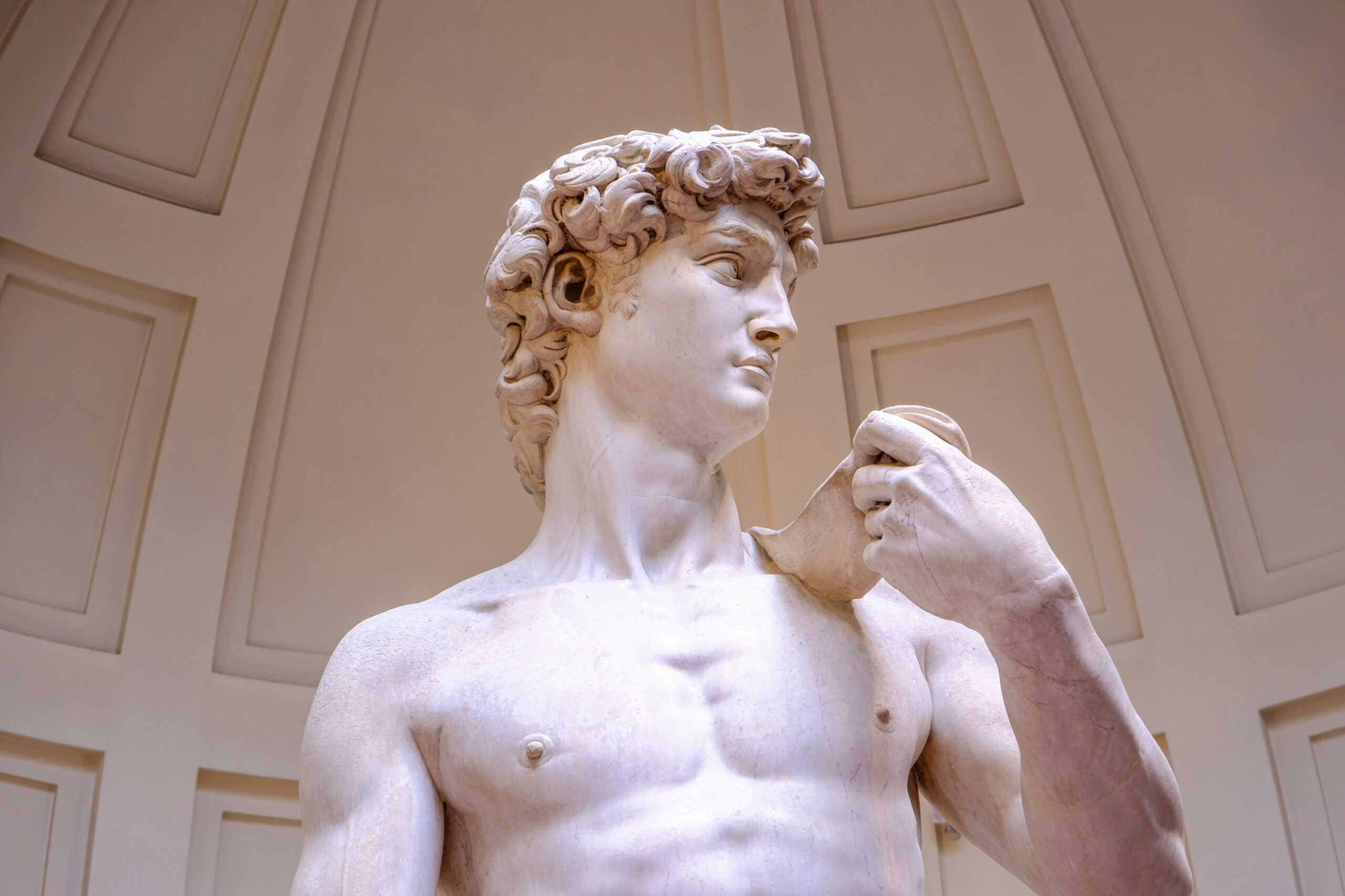
The highlight is Michelangelo’s David, displayed under a skylight that changes the sculpture’s perception throughout the day. The museum itself is compact, and most visits take 60 to 90 minutes. Advance tickets save significant waiting time, especially from April to October.

Piazza della Signoria and Palazzo Vecchio

This square functions as an open air sculpture gallery. Inside Palazzo Vecchio, you can explore Renaissance halls still used for civic functions. The Arnolfo Tower climb offers a strong central viewpoint with fewer crowds than the Duomo dome.

Ponte Vecchio

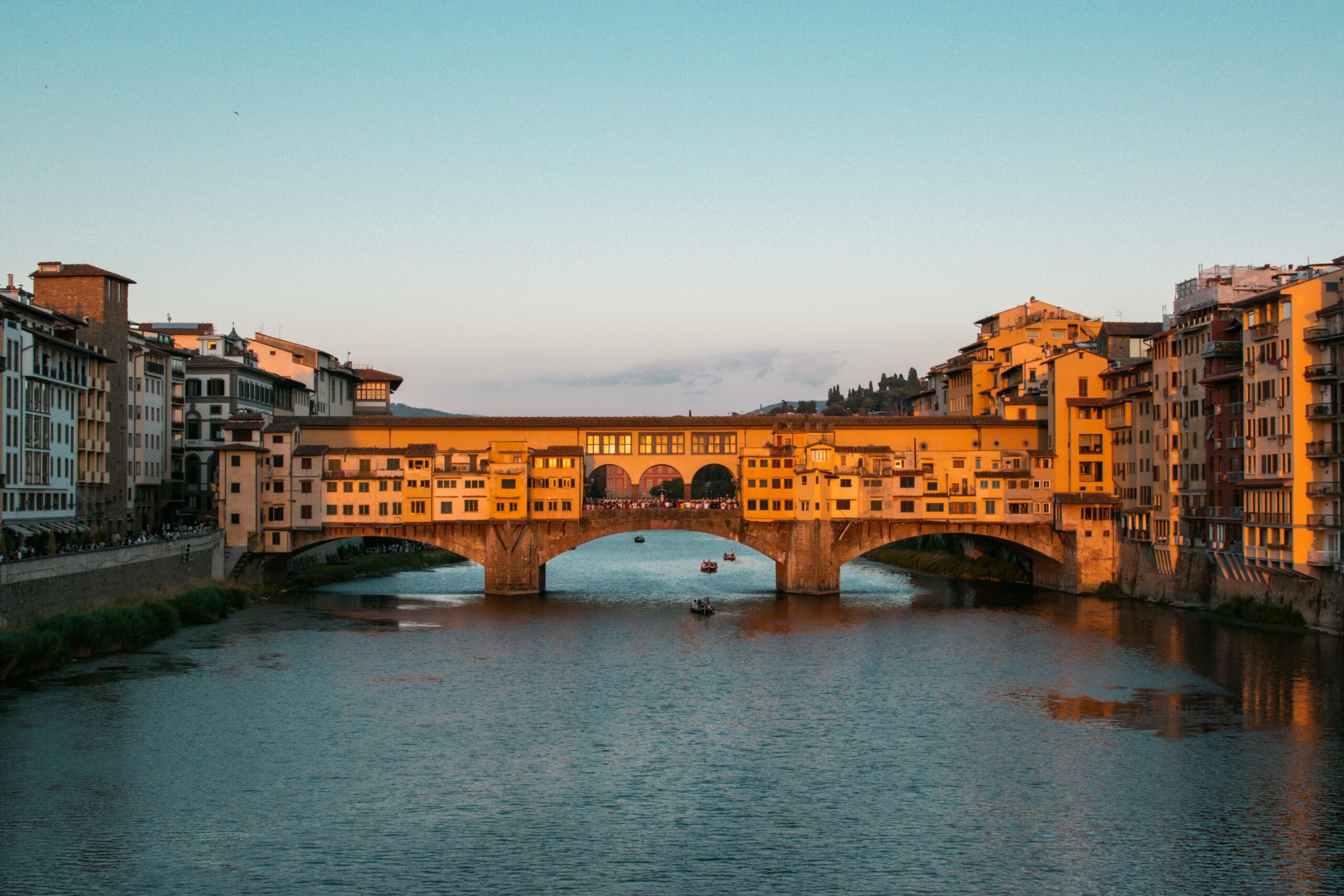
This is not just a bridge - it’s that postcard image most people picture when they think of Florence - and it is as cute as you are imagining, we loved it. Lined with historic jewelry shops, it connects the historic center to the Oltrarno district and is constantly busy with visitors. It is most crowded mid afternoon, so early morning or after sunset feels more relaxed. For the classic view, walk to Ponte Santa Trinita and look back at Ponte Vecchio - that’s where you get the full perspective and the photo most people want!

Oltrarno District

South of the Arno River, this area feels more residential. You will find artisan workshops, quieter streets, and the Pitti Palace complex. It works well as a half day exploration after finishing the major museums.

Boboli Gardens

Behind Pitti Palace, these formal gardens cover a large hillside. Expect gravel paths and gradual climbs. Allow 1.5 to 2 hours. It is one of the few places in central Florence where you gain space and perspective away from dense streets.

Piazzale Michelangelo

About a 20 to 30 minute uphill walk from the center, this terrace offers a full panoramic view over Florence, including the Duomo and Palazzo Vecchio. It’s a famous and crowded spot for sunset (but well worth it!). You can also visit it during early morning when it’s quiet and practical and if you want clear views.

Tuscan Food (Trattoria or Gelato Stop)

Florence is not only about museums. Tuscan cuisine is part of the city’s identity, and planning at least one intentional food stop is essential. This can mean a traditional trattoria for ribollita or bistecca alla Fiorentina, or simply a proper gelato break during the afternoon. Food here is cultural, not incidental.

Our take: Prioritize booking the Uffizi and Accademia as early as possible, especially in high season (plus than 4 weeks in advance). Add the Duomo Dome once your dates are fixed, and keep the rest of Florence fluid. (these 3 are definetly the ones that are more dificult to secure so if you buy these tickets, the rest is easier!)

Other popular things to do

Once you have covered the essentials, Florence still offers depth. These places are frequently visited and add context, but you can choose selectively based on your interests and time available.

Santa Croce Basilica
A large Franciscan church housing tombs of Michelangelo, Galileo, and Machiavelli. The interior is spacious and less compressed than the Duomo. Allow about 60 minutes. It also provides historical context beyond painting and sculpture, linking Florence to science and politics.

Santa Maria Novella
Located near the main train station, this church contains important fresco cycles and geometric marble facades. It is often quieter than Santa Croce. Plan 45 to 60 minutes. It works well on arrival or departure day due to proximity to transport.

Pitti Palace
A large palace complex across the Arno that includes several museums. The Palatine Gallery displays Renaissance paintings in dense salon style rooms. It requires 2 to 3 hours if combined with Boboli Gardens. It is less crowded than the Uffizi but still substantial.

Bargello Museum
Focused on sculpture, including works by Donatello and Michelangelo. It is more specialized and typically quieter. Visits last 60 to 90 minutes. Good option if you want to deepen your understanding of Renaissance sculpture.

Medici Chapels
Part of the San Lorenzo complex, these chapels contain elaborate tombs, including Michelangelo’s sculptural work in the New Sacristy. It is compact and manageable in about one hour. Crowds are moderate compared to the Uffizi.

San Lorenzo Market & Mercato Centrale
These two are often confused because they sit in the same area, but they serve different purposes. The outdoor is San Lorenzo Market which is mostly leather goods and souvenir stalls. Mercato Centrale is the historic building and focuses mainly on food: fresh produce and traditional vendors on the ground floor, and a modern food hall upstairs.

Stop at Mercato Centrale to explore Tuscan ingredients or try a casual local meal upstairs. Then walk through the outdoor San Lorenzo stalls to browse leather goods and get a feel for the market atmosphere that has long been part of daily Florentine life. Expect the busiest period around midday.

Brunelleschi’s Dome Climb
Separate from simply entering the cathedral, this timed climb brings you between the inner and outer domes. The narrow staircases require physical effort. The reward is a close view of the fresco and a strong city panorama.

Fiesole Day Trip
About 20 to 30 minutes by bus from central Florence. Fiesole offers Roman ruins and elevated views over the city. It is a half day option if you want open space without committing to a full Tuscany excursion.

Tuscan Wine Tasting Tour
Organized half day or full day tours visit Chianti villages and vineyards. These are structured and time controlled. Good option if you lack a car and want regional context beyond Florence itself.

Cooking Class
Short classes focus on pasta or local dishes and usually last 3 to 4 hours. They combine instruction and meal. Popular with couples and small groups, especially in cooler months when outdoor plans are limited. (there are several options, but if you want a starting point, search for Mama Florence!)

To help you move through Florence with confidence, we’ve pinned every highlight from this guide (essentials and popular things to do) on a free Google Map – in the button below. Open it, explore by area, and turn this list into a clear daily plan.

Our take: Add as many as you want depending on the time you have of course, but avoid stacking museums back to back without a break outside the historic center – Florence has so much life happening on the streets – you should experience it! 

Through travelers’ eyes

Before deciding which experiences to prioritize, it helps to see how they look in real conditions. In this section, you will find photos taken by travelers at the Duomo at different hours, inside the Uffizi, on day trips to Siena and Chianti, and at sunset viewpoints.

FAQs

How many days do I need in Florence?

Two full days cover the essentials such as the Duomo complex, Uffizi, Accademia, and a walk through Oltrarno. Three days allow for one major day trip or additional museums like Pitti Palace or Bargello without rushing.

Do I need to book museums in advance?

Yes for the Uffizi and Accademia, especially from April to October. Timed tickets save significant waiting time. For smaller museums, booking ahead is useful but not always mandatory in low season.

Is climbing the Duomo Dome worth it?

Yes - it’s one of the most popular things to do in Florence, and for good reason. Just be aware that you’ll need to climb around 460 narrow steps. If you’re physically comfortable with tight staircases, the reward is close-up views of the frescoes and a panoramic perspective over the city. Book a timed slot several days in advance.

Should I choose Uffizi or Pitti Palace if short on time?

If you want the core Renaissance masterpieces, choose the Uffizi. If you prefer less crowd pressure and varied collections, Pitti Palace is a solid alternative.

Is Florence walkable or do I need transport?

The historic center is compact and fully walkable. Most major sights sit within 20 minutes on foot. Public transport is mainly useful for Fiesole or outer areas.

Are guided tours necessary?

Not mandatory, but very helpful in a city layered with centuries of art, culture, and history. In Florence, context changes everything. Audio guides or small group tours can help you understand what you’re seeing without feeling overwhelmed, especially in large museums like the Uffizi.

Is it worth doing a day trip?

Yes if you stay at least three days. Siena or Chianti add regional contrast. With only two days, staying inside Florence usually makes more sense.

Are food tours or cooking classes worth it?

If you enjoy cooking or want to understand Tuscan food beyond just ordering from a menu, then yes - they can be a great experience. A cooking class gives you hands-on insight into local ingredients and traditions, and it’s especially fun if you’re traveling with kids (many love making fresh pasta or pizza). If you prefer to explore independently, you can still eat very well on your own - but a class or guided food tour adds context and interaction.

Can I see everything without rushing?

Unfortunately, not really - Florence has a lot to see, and much of it is concentrated within a small area. The density of museums, churches, viewpoints, and historic streets can make it tempting to try to fit everything in. Our advice is to choose realistically and focus on what interests you most. Seeing fewer sites, with proper time in each, makes the experience far more enjoyable than trying to check everything off.

Best things to do in Florence

Last updated on February 28, 2026

Intro

Florence is one of those cities where a single street can hold five centuries of history. Within a 15-minute walk, you can stand inside the Duomo complex, see Michelangelo’s David, cross Ponte Vecchio, and enter one of the most important art museums in the world. All of it in one small, walkable area. That’s Florence – and yes, it really is that good.


This guide breaks down what to actually prioritize: which museums require advance booking, which viewpoints are worth the climb, how to structure your days by neighborhood, and where a short Tuscany day trip makes sense. You will also see what to skip if your time is limited.


If you have one day, two days, or three, the difference in planning matters. Florence is compact, but the number of high-level cultural sites is dense. The goal here is to help you choose deliberately, not just walk and hope.

[travel_quick_facts]

Essential things to do

Florence has many museums and churches, but a small group of sites defines the city’s identity. If you are here for the first time, these are the non negotiables that justify the trip.

Duomo Complex (Cathedral, Dome, Baptistery, Bell Tower)

The Cathedral of Santa Maria del Fiore is free to enter, but access to the Dome, Giotto’s Bell Tower, and the Baptistery requires a timed ticket. Climbing the Dome involves about 460 steps and must be reserved in advance. The scale of Brunelleschi’s engineering and the frescoed interior make this the structural and symbolic center of Florence.

Uffizi Gallery

One of Europe’s most important art museums, with works by Botticelli, Leonardo da Vinci, Michelangelo, and Caravaggio. Expect 2 to 3 hours for a focused visit. Pre booking a timed slot is strongly recommended year round. Without it, queues can exceed one hour in spring and summer.

Accademia Gallery (Michelangelo’s David)

The highlight is Michelangelo’s David, displayed under a skylight that changes the sculpture’s perception throughout the day. The museum itself is compact, and most visits take 60 to 90 minutes. Advance tickets save significant waiting time, especially from April to October.

Piazza della Signoria and Palazzo Vecchio

This square functions as an open air sculpture gallery. Inside Palazzo Vecchio, you can explore Renaissance halls still used for civic functions. The Arnolfo Tower climb offers a strong central viewpoint with fewer crowds than the Duomo dome.

Ponte Vecchio

This is not just a bridge - it’s that postcard image most people picture when they think of Florence - and it is as cute as you are imagining, we loved it. Lined with historic jewelry shops, it connects the historic center to the Oltrarno district and is constantly busy with visitors. It is most crowded mid afternoon, so early morning or after sunset feels more relaxed. For the classic view, walk to Ponte Santa Trinita and look back at Ponte Vecchio - that’s where you get the full perspective and the photo most people want!

Oltrarno District

South of the Arno River, this area feels more residential. You will find artisan workshops, quieter streets, and the Pitti Palace complex. It works well as a half day exploration after finishing the major museums.

Boboli Gardens

Behind Pitti Palace, these formal gardens cover a large hillside. Expect gravel paths and gradual climbs. Allow 1.5 to 2 hours. It is one of the few places in central Florence where you gain space and perspective away from dense streets.

Piazzale Michelangelo

About a 20 to 30 minute uphill walk from the center, this terrace offers a full panoramic view over Florence, including the Duomo and Palazzo Vecchio. It’s a famous and crowded spot for sunset (but well worth it!). You can also visit it during early morning when it’s quiet and practical and if you want clear views.

Tuscan Food (Trattoria or Gelato Stop)

Florence is not only about museums. Tuscan cuisine is part of the city’s identity, and planning at least one intentional food stop is essential. This can mean a traditional trattoria for ribollita or bistecca alla Fiorentina, or simply a proper gelato break during the afternoon. Food here is cultural, not incidental.

Our take: Prioritize booking the Uffizi and Accademia as early as possible, especially in high season (plus than 4 weeks in advance). Add the Duomo Dome once your dates are fixed, and keep the rest of Florence fluid. (these 3 are definetly the ones that are more dificult to secure so if you buy these tickets, the rest is easier!)

Other popular things to do

Once you have covered the essentials, Florence still offers depth. These places are frequently visited and add context, but you can choose selectively based on your interests and time available.

Santa Croce Basilica
A large Franciscan church housing tombs of Michelangelo, Galileo, and Machiavelli. The interior is spacious and less compressed than the Duomo. Allow about 60 minutes. It also provides historical context beyond painting and sculpture, linking Florence to science and politics.

Santa Maria Novella
Located near the main train station, this church contains important fresco cycles and geometric marble facades. It is often quieter than Santa Croce. Plan 45 to 60 minutes. It works well on arrival or departure day due to proximity to transport.

Pitti Palace
A large palace complex across the Arno that includes several museums. The Palatine Gallery displays Renaissance paintings in dense salon style rooms. It requires 2 to 3 hours if combined with Boboli Gardens. It is less crowded than the Uffizi but still substantial.

Bargello Museum
Focused on sculpture, including works by Donatello and Michelangelo. It is more specialized and typically quieter. Visits last 60 to 90 minutes. Good option if you want to deepen your understanding of Renaissance sculpture.

Medici Chapels
Part of the San Lorenzo complex, these chapels contain elaborate tombs, including Michelangelo’s sculptural work in the New Sacristy. It is compact and manageable in about one hour. Crowds are moderate compared to the Uffizi.

San Lorenzo Market & Mercato Centrale
These two are often confused because they sit in the same area, but they serve different purposes. The outdoor is San Lorenzo Market which is mostly leather goods and souvenir stalls. Mercato Centrale is the historic building and focuses mainly on food: fresh produce and traditional vendors on the ground floor, and a modern food hall upstairs.

Stop at Mercato Centrale to explore Tuscan ingredients or try a casual local meal upstairs. Then walk through the outdoor San Lorenzo stalls to browse leather goods and get a feel for the market atmosphere that has long been part of daily Florentine life. Expect the busiest period around midday.

Brunelleschi’s Dome Climb
Separate from simply entering the cathedral, this timed climb brings you between the inner and outer domes. The narrow staircases require physical effort. The reward is a close view of the fresco and a strong city panorama.

Fiesole Day Trip
About 20 to 30 minutes by bus from central Florence. Fiesole offers Roman ruins and elevated views over the city. It is a half day option if you want open space without committing to a full Tuscany excursion.

Tuscan Wine Tasting Tour
Organized half day or full day tours visit Chianti villages and vineyards. These are structured and time controlled. Good option if you lack a car and want regional context beyond Florence itself.

Cooking Class
Short classes focus on pasta or local dishes and usually last 3 to 4 hours. They combine instruction and meal. Popular with couples and small groups, especially in cooler months when outdoor plans are limited. (there are several options, but if you want a starting point, search for Mama Florence!)

To help you move through Florence with confidence, we’ve pinned every highlight from this guide (essentials and popular things to do) on a free Google Map – in the button below. Open it, explore by area, and turn this list into a clear daily plan.

Our take: Add as many as you want depending on the time you have of course, but avoid stacking museums back to back without a break outside the historic center – Florence has so much life happening on the streets – you should experience it! 

Things to do by category

After the essentials and major museums, Florence still offers smaller experiences that can shape your trip. Below, options are grouped by profile and interest so you can quickly decide what fits your time and energy.

With kids
  • Leonardo da Vinci Museum: Interactive machines and models keep children engaged for about one hour.
  • Galileo Museum: Scientific instruments and telescopes make history more tangible for older kids.
  • Boboli Gardens: Open space to move around, with paths and viewpoints beyond tight streets.
  • Gelato tasting stop: Short breaks help reset energy during long walking days.
  • Carousel in Piazza della Repubblica: Quick ride in a central location, easy to combine with sightseeing.
  • Duomo Dome climb (teens): Physical challenge that feels like an achievement if booked early.

Free
  • Piazza della Signoria sculptures: Open air statues available anytime without tickets.
  • Ponte Vecchio walk: Historic bridge crossing with no entry fee required.
  • Cathedral interior: Free access, though lines form in peak season.
  • San Miniato al Monte: Free church visit plus elevated city views.
  • Piazzale Michelangelo sunrise: Full panorama without cost if you go early.
  • Oltrarno street wandering: Artisan streets and local life without structured entry points.

Seasonal
  • Estate Fiorentina events: Summer concerts and outdoor cinema across neighborhoods.
  • Christmas markets: December stalls and lights around Santa Croce area.
  • Calcio Storico (June): Historic football matches in Piazza Santa Croce.
  • Easter Scoppio del Carro: Traditional fireworks ritual in front of the Cathedral.
  • Wine harvest tours (September): Day trips linked to Tuscan vineyards.
  • Ferragosto atmosphere (August): Noticeable shift as locals leave and tourism peaks.

Food focused
  • Mercato Centrale lunch: Multiple vendors in one indoor space.
  • Tuscan wine bar visit: Structured tasting with regional explanation.
  • Cooking class session: Learn pasta or sauces in a 3 to 4 hour format.
  • Aperitivo hour: Early evening drink with small snacks included.
  • Trattoria dinner in Oltrarno: Less central, often calmer setting.
  • Espresso at historic café: Short cultural pause between museum visits.

Views and panoramas
  • Piazzale Michelangelo: Classic skyline angle, best early or late.
  • Arnolfo Tower climb: Alternative city view from Palazzo Vecchio.
  • Duomo Dome terrace: Close range roof views after timed ascent.
  • San Miniato steps: Elevated church with fewer crowds than main terrace.
  • Fiesole hillside: Broader valley perspective on a half day visit.
  • Hotel rooftop bar: Structured sunset stop without long climbs.

Best day trips

Florence works well as a base. High speed trains and organized tours make it realistic to leave the city for half or full days without changing accommodation. These are the day trips that justify the time.

Pisa

Roughly 1 hour by direct train. Most visitors focus on the Leaning Tower and the Piazza dei Miracoli complex, which includes the Cathedral and Baptistery. You can see the main highlights in 3 to 4 hours. It works well as a half day trip, especially if you prefer minimal planning and easy transport.

Siena

About 1 hour 15 minutes by bus or train plus short walk. Siena offers a compact medieval center built around Piazza del Campo. The Cathedral is one of the most detailed in Italy. Plan a full day to explore slowly. Streets are steep but manageable. It feels architecturally distinct from Florence and provides historical contrast between rival city states.

Chianti Region

Within 45 to 90 minutes depending on the village. Best accessed by organized tour or rental car. Expect vineyard visits, structured wine tastings, and small hill towns. It shifts the focus from art to landscape and agriculture. Ideal if you want context on Tuscan wine production without staying overnight.

San Gimignano

Around 1 hour 30 minutes by car or organized tour. Known for its medieval towers, it is small enough to cover in half a day. Streets are compact and often crowded midday. It pairs well with a Chianti visit if you join a combined tour.

Lucca

About 1 hour 20 minutes by train. The defining feature is its intact Renaissance walls, which you can walk or cycle. The historic center is flat and manageable. It feels calmer than Florence and Pisa. Suitable for a relaxed full day without heavy museum schedules.

Cinque Terre

Approximately 2.5 to 3 hours by train each way. This is a long day but feasible with an early start. Focus on 2 to 3 villages rather than all five. Expect coastal views, train connections between towns, and uneven paths. It is more physically demanding and weather dependent than other options.

Fiesole

Just 20 to 30 minutes by local bus. Roman ruins, a small archaeological area, and elevated views over Florence. It works as a half day escape if you want open space without committing to a full regional excursion.

Through travelers’ eyes

Before deciding which experiences to prioritize, it helps to see how they look in real conditions. In this section, you will find photos taken by travelers at the Duomo at different hours, inside the Uffizi, on day trips to Siena and Chianti, and at sunset viewpoints.

Practical tips to choose what to do

Florence offers more high level sights than most cities its size. The key is not adding more, but selecting better. Use these filters before booking tickets.

  • Fix anchor bookings first: Secure Uffizi and Accademia before planning anything else.
  • Group by neighborhood: Visit nearby sights on the same day to reduce backtracking.
  • Limit major museums: One large museum per day avoids decision fatigue.
  • Climb only once: Choose Dome or tower, not every viewpoint available.
  • Balance indoor and outdoor: Pair museums with walks or gardens.
  • Add one slow meal: Reserve time for a structured lunch or dinner.
  • Consider a half day escape: Fiesole or Chianti adds space to dense days.
  • Leave buffer time: Historic centers slow you down more than expected.

FAQs

How many days do I need in Florence?

Two full days cover the essentials such as the Duomo complex, Uffizi, Accademia, and a walk through Oltrarno. Three days allow for one major day trip or additional museums like Pitti Palace or Bargello without rushing.

Do I need to book museums in advance?

Yes for the Uffizi and Accademia, especially from April to October. Timed tickets save significant waiting time. For smaller museums, booking ahead is useful but not always mandatory in low season.

Is climbing the Duomo Dome worth it?

Yes - it’s one of the most popular things to do in Florence, and for good reason. Just be aware that you’ll need to climb around 460 narrow steps. If you’re physically comfortable with tight staircases, the reward is close-up views of the frescoes and a panoramic perspective over the city. Book a timed slot several days in advance.

Should I choose Uffizi or Pitti Palace if short on time?

If you want the core Renaissance masterpieces, choose the Uffizi. If you prefer less crowd pressure and varied collections, Pitti Palace is a solid alternative.

Is Florence walkable or do I need transport?

The historic center is compact and fully walkable. Most major sights sit within 20 minutes on foot. Public transport is mainly useful for Fiesole or outer areas.

Are guided tours necessary?

Not mandatory, but very helpful in a city layered with centuries of art, culture, and history. In Florence, context changes everything. Audio guides or small group tours can help you understand what you’re seeing without feeling overwhelmed, especially in large museums like the Uffizi.

Is it worth doing a day trip?

Yes if you stay at least three days. Siena or Chianti add regional contrast. With only two days, staying inside Florence usually makes more sense.

Are food tours or cooking classes worth it?

If you enjoy cooking or want to understand Tuscan food beyond just ordering from a menu, then yes - they can be a great experience. A cooking class gives you hands-on insight into local ingredients and traditions, and it’s especially fun if you’re traveling with kids (many love making fresh pasta or pizza). If you prefer to explore independently, you can still eat very well on your own - but a class or guided food tour adds context and interaction.

Can I see everything without rushing?

Unfortunately, not really - Florence has a lot to see, and much of it is concentrated within a small area. The density of museums, churches, viewpoints, and historic streets can make it tempting to try to fit everything in. Our advice is to choose realistically and focus on what interests you most. Seeing fewer sites, with proper time in each, makes the experience far more enjoyable than trying to check everything off.

HELP US IMPROVE

How likely are you to recommend Know to Travel to a friend or fellow traveler?

Not likely at all
Extremely likely