Best time to visit Florence

Last updated on February 28, 2026

Intro

Florence changes a lot depending on month, temperature, rainfall, and crowd levels. In August, many local businesses close and daytime temperatures often pass 35°C. In April and May, you get longer daylight hours and milder weather, but also rising visitor numbers. From November to February, hotel prices drop, museums are easier to access, and rain becomes more frequent.


This guide breaks down average temperatures, peak tourist periods, major events, pricing patterns, and daylight hours so you can decide when Florence fits your priorities. Whether you care more about lower hotel rates, manageable queues at the Uffizi, or comfortable walking weather, timing makes a measurable difference here.

By type of traveler

Florence does not offer the same experience to everyone. The best period depends on whether you care more about price, weather, access to museums, photography conditions, or traveling with children. Here is how timing changes by profile.

For first-time visitors

April to early June and late September to mid October offer the most balanced conditions. Daylight is long, temperatures sit between 18 and 26°C, and most attractions run full schedules. You will still face queues at the Uffizi and Accademia, but the heat is manageable and the city feels active without August level intensity.

For budget travelers

January, February, and November bring the lowest hotel rates outside holiday weeks. Flights are often cheaper and last-minute deals are more common. You trade that for cooler weather, shorter daylight, and occasional rain. Museum access is easier and restaurants are less pressured, which can improve the overall value.

For art and museum-focused travelers

Late November to February is ideal if your priority is time inside museums. Lines are significantly shorter and you can often enter major galleries without extreme waiting times. Temperatures are cool but manageable for short walks between sites. Just plan around reduced daylight hours.

For couples and slow travelers

Late September and October work well. The heat softens, evenings remain comfortable, and wine harvest season in Tuscany adds context for day trips. Outdoor terraces are still open, and the city feels slightly less rushed than in peak summer. It is a good window for combining culture with relaxed meals.

For families with children

May, early June, and late September provide comfortable walking weather and longer daylight. Summer can be exhausting for younger kids due to heat and dense crowds. Winter is easier in terms of queues but requires flexibility if rain disrupts outdoor plans.

Our take: Decide what you care about most, weather, price, or access, then accept the trade-off instead of trying to optimize everything at once.

FAQs

What is the best month to visit Florence?

Late April, May, late September, and early October usually offer the best balance. Expect 18 to 26°C, good daylight, and slightly fewer crowds than peak summer. Book early because these weeks are popular and prices reflect that demand.

Is Florence too hot in summer?

July and August often reach 30 to 35°C, with limited shade in the historic center. Walking between sites can feel exhausting by midday. Plan early starts, indoor visits during peak heat, and slower evenings if traveling then.

When is Florence least crowded?

January, February, and November are typically the quietest months, excluding holiday weeks. Museum queues are shorter and streets feel less dense. You trade that for cooler weather and occasional rain.

Is winter a bad time to visit Florence?

Not necessarily. Temperatures usually range from 3 to 12°C. While days are shorter and rain is possible, major attractions remain open and accommodation prices are lower. It works well if your focus is museums.

Are April and May very busy?

Yes, especially after Easter. Spring weather attracts international visitors and school groups. Expect full museums and higher hotel rates. It is comfortable weather wise, but not low season.

Does August feel empty because locals leave?

Partially. Some smaller businesses close during Ferragosto, but international tourism remains high. Major sights stay crowded and temperatures are intense. It does not feel quiet overall.

Is September better than May?

Often yes for crowd management. Early September can still be warm, but by late September temperatures soften and some summer crowds ease. Prices may remain high, though slightly less than peak summer.

Do events significantly affect prices?

Yes. Easter weekend, late June events, and major holidays can push hotel rates up quickly. Availability also tightens. Always check the calendar before booking, especially if your dates are fixed.

How far in advance should I book?

For spring and early autumn, aim for three to five months ahead for good hotel choice. For winter trips, you can be more flexible, except around Christmas and New Year when demand rises.

Best time to visit Florence

Last updated on February 28, 2026

Intro

Florence changes a lot depending on month, temperature, rainfall, and crowd levels. In August, many local businesses close and daytime temperatures often pass 35°C. In April and May, you get longer daylight hours and milder weather, but also rising visitor numbers. From November to February, hotel prices drop, museums are easier to access, and rain becomes more frequent.


This guide breaks down average temperatures, peak tourist periods, major events, pricing patterns, and daylight hours so you can decide when Florence fits your priorities. Whether you care more about lower hotel rates, manageable queues at the Uffizi, or comfortable walking weather, timing makes a measurable difference here.

[travel_quick_facts]

By type of traveler

Florence does not offer the same experience to everyone. The best period depends on whether you care more about price, weather, access to museums, photography conditions, or traveling with children. Here is how timing changes by profile.

For first-time visitors

April to early June and late September to mid October offer the most balanced conditions. Daylight is long, temperatures sit between 18 and 26°C, and most attractions run full schedules. You will still face queues at the Uffizi and Accademia, but the heat is manageable and the city feels active without August level intensity.

For budget travelers

January, February, and November bring the lowest hotel rates outside holiday weeks. Flights are often cheaper and last-minute deals are more common. You trade that for cooler weather, shorter daylight, and occasional rain. Museum access is easier and restaurants are less pressured, which can improve the overall value.

For art and museum-focused travelers

Late November to February is ideal if your priority is time inside museums. Lines are significantly shorter and you can often enter major galleries without extreme waiting times. Temperatures are cool but manageable for short walks between sites. Just plan around reduced daylight hours.

For couples and slow travelers

Late September and October work well. The heat softens, evenings remain comfortable, and wine harvest season in Tuscany adds context for day trips. Outdoor terraces are still open, and the city feels slightly less rushed than in peak summer. It is a good window for combining culture with relaxed meals.

For families with children

May, early June, and late September provide comfortable walking weather and longer daylight. Summer can be exhausting for younger kids due to heat and dense crowds. Winter is easier in terms of queues but requires flexibility if rain disrupts outdoor plans.

Our take: Decide what you care about most, weather, price, or access, then accept the trade-off instead of trying to optimize everything at once.

Seasonal events worth planning around

Beyond weather and prices, Florence’s calendar directly affects crowd levels, hotel availability, and how the city feels. Some events are local and traditional, others attract international visitors. If your dates are flexible, these are worth checking before booking.

Scoppio del Carro (Easter Sunday)

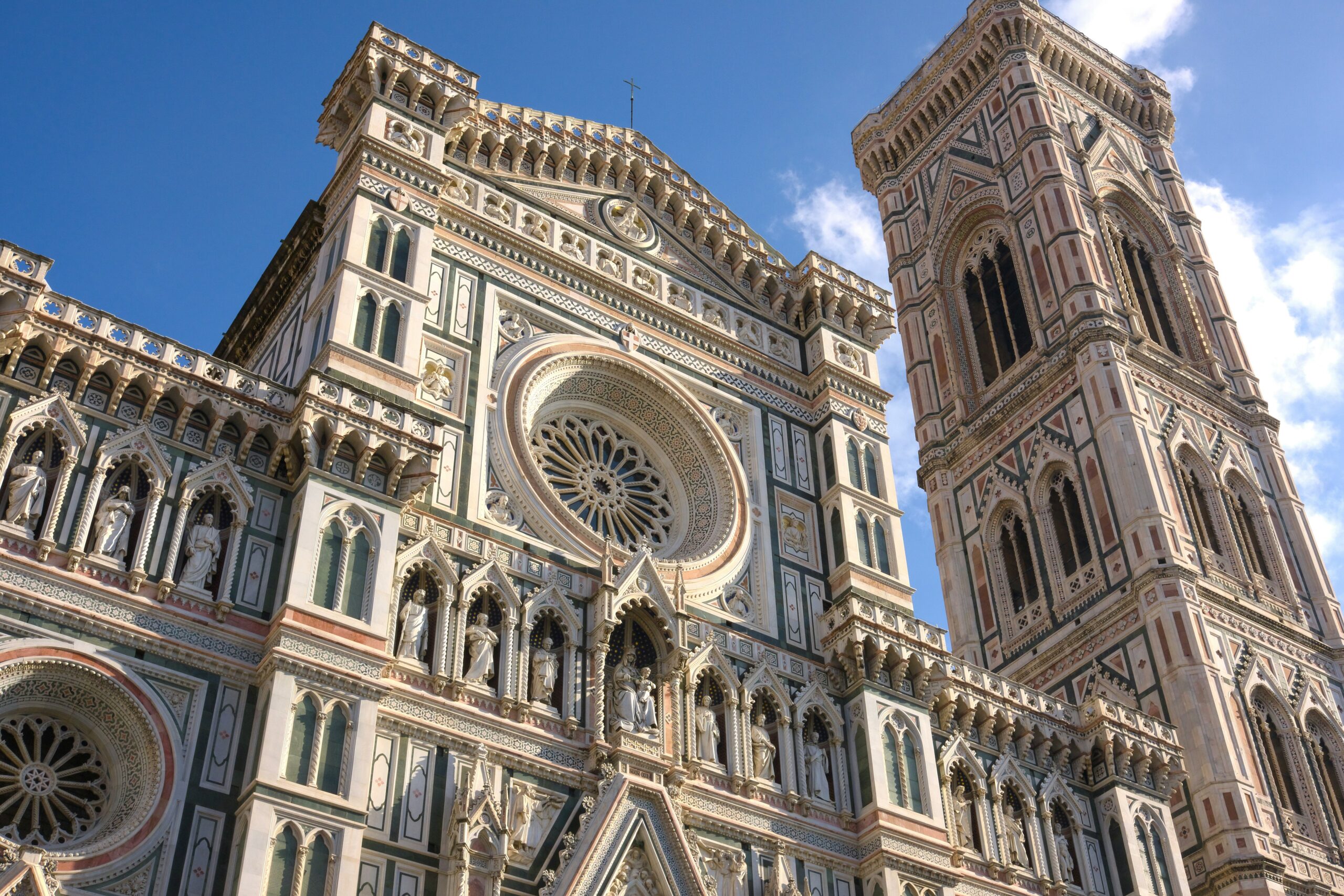
Held in front of the Cathedral of Santa Maria del Fiore, this centuries old Easter ritual involves a decorated cart and fireworks display. It draws large local crowds and visitors. Hotels fill quickly over Easter weekend and prices rise. The city feels festive but busy, especially around the Duomo area.

Festa della Liberazione (25 April)

A national holiday across Italy. Many museums and shops remain open, but Florence sees a spike in domestic tourism. Expect higher hotel prices and busier streets, especially if the date connects with a weekend. Good atmosphere, but less space in major attractions.

Primo Maggio (1 May)

Another public holiday that often creates a long weekend. Tourist numbers increase, and restaurant reservations become harder to secure. It is not a Florence specific festival, but it meaningfully impacts crowd density and pricing patterns during that week.

Calcio Storico Fiorentino (June)

Traditional historical football matches held in Piazza Santa Croce, culminating on 24 June. This is a strong local event with a parade and intense matches. The atmosphere is unique and very Florentine. Accommodation demand rises around the final, and central areas become crowded.

Estate Fiorentina (June to September)

A city wide summer program with outdoor cinema, concerts, and cultural events across different neighborhoods. Evenings feel active and lively. While this does not dramatically increase tourism on its own, it enhances the summer experience and encourages people to stay out late.

Ferragosto (15 August)

A major Italian summer holiday. Many locals leave the city and some smaller businesses close. Tourist numbers remain high, especially international visitors. It can feel slightly less local but still crowded. Expect peak summer prices and high temperatures.

Florence Biennale (every two years, autumn)

An international contemporary art exhibition that attracts artists and visitors from abroad. It increases hotel demand, especially near exhibition venues. The effect on general tourism is moderate, but accommodation in certain categories may sell out faster.

Christmas Markets and Festivities (December)

Markets, lights, and seasonal events concentrate around Piazza Santa Croce and the city center. Visitor numbers rise in mid to late December. Prices increase around Christmas and New Year. The atmosphere changes noticeably, but daylight hours are short.

If you want a detailed breakdown of museums, neighborhoods, and day trips, you can explore our full guide dedicated to activities and planning in Florence.

Our take: Check the calendar before booking flights, especially around Easter and late June, because prices and availability can shift more than the weather itself.

Practical tips to choose when to visit

Choosing your dates for Florence is mostly about trade-offs. Use the points below to narrow your decision based on what you value most: price, comfort, access, or atmosphere.

  • Prioritize museum access: Visit January, February, or November for shorter queues.
  • Avoid extreme heat: Skip July and August if you dislike 35°C days.
  • Balance weather and crowds: Target late April or late September.
  • Travel on a budget: Look at mid January to early March stays.
  • Maximize daylight: Choose May or June for long sightseeing days.
  • Experience local traditions: Plan around Easter or late June events.
  • Avoid national holidays: Check 25 April and 1 May before booking.
  • Travel with children: Prefer May or late September for milder weather.

FAQs

What is the best month to visit Florence?

Late April, May, late September, and early October usually offer the best balance. Expect 18 to 26°C, good daylight, and slightly fewer crowds than peak summer. Book early because these weeks are popular and prices reflect that demand.

Is Florence too hot in summer?

July and August often reach 30 to 35°C, with limited shade in the historic center. Walking between sites can feel exhausting by midday. Plan early starts, indoor visits during peak heat, and slower evenings if traveling then.

When is Florence least crowded?

January, February, and November are typically the quietest months, excluding holiday weeks. Museum queues are shorter and streets feel less dense. You trade that for cooler weather and occasional rain.

Is winter a bad time to visit Florence?

Not necessarily. Temperatures usually range from 3 to 12°C. While days are shorter and rain is possible, major attractions remain open and accommodation prices are lower. It works well if your focus is museums.

Are April and May very busy?

Yes, especially after Easter. Spring weather attracts international visitors and school groups. Expect full museums and higher hotel rates. It is comfortable weather wise, but not low season.

Does August feel empty because locals leave?

Partially. Some smaller businesses close during Ferragosto, but international tourism remains high. Major sights stay crowded and temperatures are intense. It does not feel quiet overall.

Is September better than May?

Often yes for crowd management. Early September can still be warm, but by late September temperatures soften and some summer crowds ease. Prices may remain high, though slightly less than peak summer.

Do events significantly affect prices?

Yes. Easter weekend, late June events, and major holidays can push hotel rates up quickly. Availability also tightens. Always check the calendar before booking, especially if your dates are fixed.

How far in advance should I book?

For spring and early autumn, aim for three to five months ahead for good hotel choice. For winter trips, you can be more flexible, except around Christmas and New Year when demand rises.

HELP US IMPROVE

How likely are you to recommend Know to Travel to a friend or fellow traveler?

Not likely at all
Extremely likely