What and where to eat in Florence

Last updated on February 28, 2026

Intro

Eating in Florence is one of the great pleasures of being there. It is not just about finding the “best” restaurant, but about knowing what to order, when to sit down, and which neighborhood you are in. A trattoria near the Duomo can surprise you, and a tiny spot in Oltrarno can become your favorite memory. In Florence, food is part of the rhythm of the day. And yes, this is also the city that claims to have given the world gelato.


This guide breaks down what to eat in Florence – from bistecca alla Fiorentina and ribollita to pappa al pomodoro, lampredotto, and cantucci with vin santo – and explains where each makes the most sense. You will see which areas work best for lunch, where to book dinner, and when a market or wine bar might be exactly what you need.


Plan your meals with a little intention, leave space for a glass of wine, and Florence becomes even more delicious. The goal here is simple: help you order confidently, eat well, and enjoy every bite along the way.

What and where to eat

Florentine cuisine is structured and repetitive in a good way. Menus are short, ingredients are local, and certain dishes define the city. If you try these in the right setting, you will understand Tuscan food quickly.

Bistecca alla Fiorentina

A thick T bone steak from Chianina beef, grilled rare and served by weight, often 1 to 1.5 kg for two people. It is usually priced per 100g and not cheap. Order it only if you are at least two people and ready for a full meat focused dinner. No sauces, just salt, pepper, olive oil.


Where to eat: Trattoria Mario; Osteria dell’Enoteca; Buca Lapi; Trattoria dall’Oste.

Ribollita

A dense bread and vegetable soup made with cavolo nero, beans, and leftover bread. Traditionally reheated the next day, which improves texture. It is filling and works well as a starter in colder months. You will see it mostly from autumn to spring.


Where to eat: Trattoria Sostanza; Trattoria Cammillo; Il Latini; Osteria Vini e Vecchi Sapori.

Pappa al pomodoro

Tomato and bread soup with garlic and olive oil, usually smoother than ribollita. Best from late spring to early autumn when tomatoes are at peak quality. Often served lukewarm rather than hot.


Where to eat: La Giostra; Trattoria Anita; Cibrèo Trattoria; Trattoria ZaZa.

Lampredotto

Street food made from the fourth stomach of the cow, slow cooked and served in a sandwich with salsa verde. It is typical of Florence and inexpensive. Best eaten standing at a stall for a quick lunch.


Where to eat: Nerbone at Mercato Centrale; Da’ Vinattieri; I’ Trippaio di Sant’Ambrogio; Il Trippaio del Porcellino.

Pici with ragù

Thick hand rolled pasta common in Tuscany, often served with meat ragù or simple garlic sauce. Texture is heavier than spaghetti. It is reliable and widely available in traditional trattorie.


Where to eat: Trattoria 13 Gobbi; Osteria Santo Spirito; Trattoria La Casalinga; Il Santo Bevitore.

Crostini Toscani

Grilled bread topped with chicken liver pâté, often served as an antipasto. Strong flavor, small portion. Order as a starter to share rather than as a main dish.


Where to eat: Il Latini; Trattoria Pallottino; Osteria Tripperia Il Magazzino; Trattoria Da Burde.

Cantucci with Vin Santo

Almond biscuits served with sweet fortified wine for dipping. Usually ordered at the end of a meal rather than as dessert from a separate menu.


Where to eat: Caffè Gilli; Rivoire; Trattoria Cammillo; Enoteca Pitti Gola e Cantina.

Gelato (artisanal)

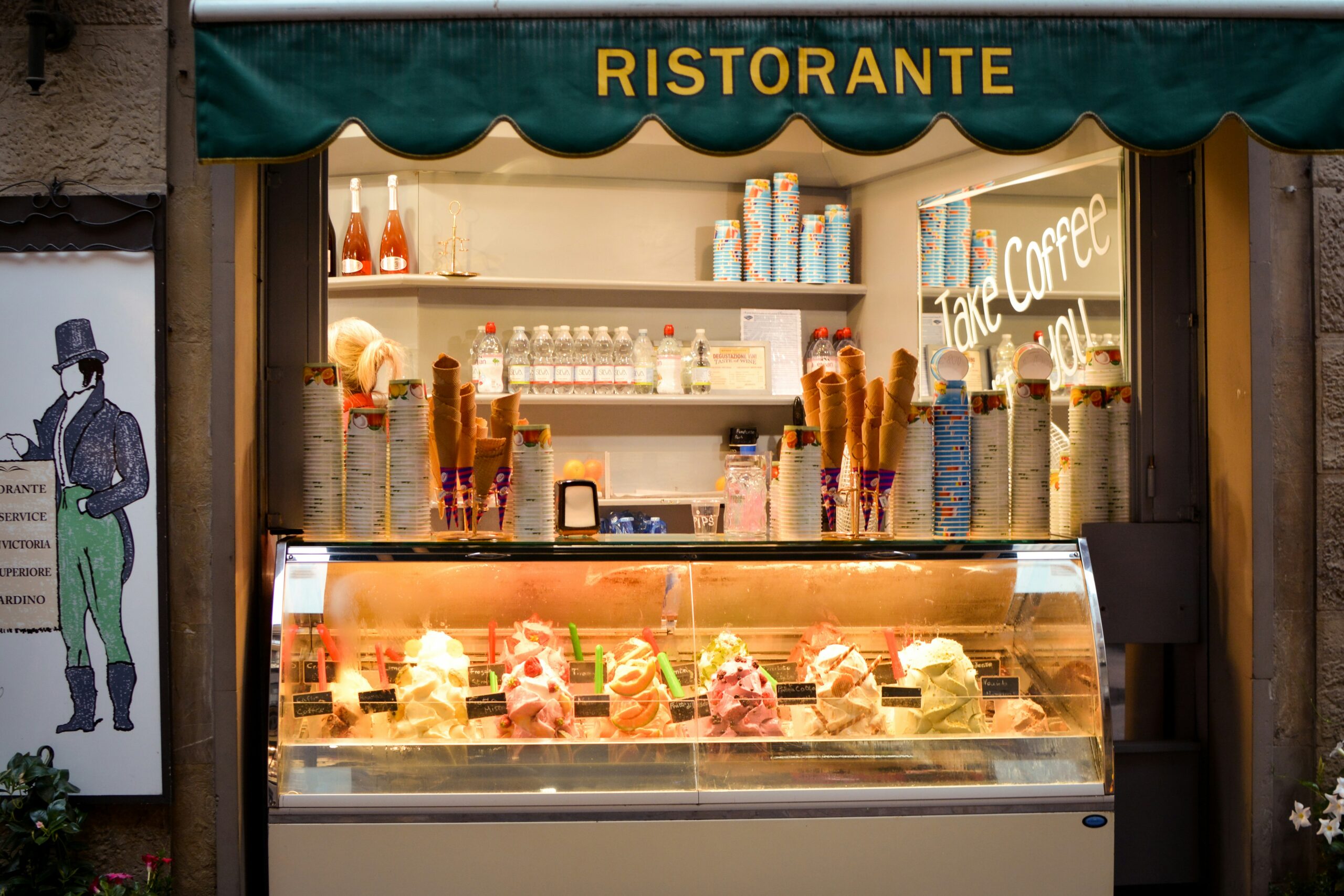
Look for small batches, muted colors, and seasonal flavors. Avoid bright, piled high displays. Pistachio and dark chocolate are good benchmarks for quality.


Where to eat: Gelateria dei Neri; La Carraia; Perché No; My Sugar.


To help you figure out where to eat in Florence without the stress, we’ve pinned all these spots on a free Google My Maps. Browse by neighborhood, see what’s nearby, and turn your sightseeing days into well-timed food stops.

When and how to eat

Meal times in Florence are structured. Lunch usually runs from 12:30 to 14:30 and dinner rarely starts before 19:30, with most locals arriving between 20:00 and 21:30. Many kitchens close between lunch and dinner, so late afternoon is for coffee or aperitivo, not full meals.

Reservations are recommended for dinner, especially Thursday to Saturday and during high season. Some traditional trattorie close one or two days per week, often Sunday evening or Monday. Always check opening days in advance. Tipping is modest. A small service charge or “coperto” is often added per person.

Menus are organized in courses: antipasti, primi, secondi, contorni, dolci. You are not required to order every course. Sharing is common, especially for bistecca alla Fiorentina. Tap water is not standard; bottled water is typically ordered. Espresso comes after the meal, rarely with it.

Our take: Book dinner for 8pm, keep lunch flexible, and do not over order courses on your first night until you understand portion sizes.

Through travelers’ eyes

Before choosing where to eat, it helps to see how meals actually look on the table. Here you’ll find photos from travelers in Florence - simple trattoria interiors, classic Tuscan dishes, gelato and affogato moments, market bites, and cooking class experiences that show how food fits naturally into the day.

FAQs

Is it easy to find good food near the Duomo?

Yes, but you need to filter carefully. Streets immediately around the Cathedral have many tourist oriented menus. Walk 5 to 10 minutes outward and check reviews and local language usage before choosing.

How much does bistecca alla Fiorentina cost?

Prices are usually per 100g, often between €5 and €8 per 100g. A 1.2 kg steak for two can easily exceed €70 to €90. Always confirm weight and total estimate before ordering.

Do I need reservations for dinner?

From April to October and on weekends, yes. Popular trattorie fill quickly. Booking 2 to 3 days ahead is reasonable. For lunch, same day reservations are often enough.

Is tipping expected in Florence?

Tipping is modest. A small service charge called coperto is commonly added per person. Leaving a few extra euros for good service is appreciated but not mandatory.

Can I order just one course?

Yes. You are not required to follow the full antipasti, primi, secondi structure. Many visitors order one main dish and perhaps a shared starter without issue.

Is tap water served automatically?

No. Bottled water is standard and appears on most tables. You can ask for tap water, but it is less common and not always provided.

Are food tours worth it?

They can be useful if you want context and multiple tastings in one structured session. Otherwise, self guided exploration of markets and wine bars can achieve similar results.

Is street food safe and reliable?

Yes, especially well known stalls like those in Mercato Centrale. Look for steady turnover and visible preparation. Lampredotto vendors are part of local tradition.

When do restaurants close in the afternoon?

Most kitchens close around 14:30 and reopen near 19:30. Between those hours, expect cafés, bakeries, and aperitivo spots rather than full meal service.

What and where to eat in Florence

Last updated on February 28, 2026

Intro

Eating in Florence is one of the great pleasures of being there. It is not just about finding the “best” restaurant, but about knowing what to order, when to sit down, and which neighborhood you are in. A trattoria near the Duomo can surprise you, and a tiny spot in Oltrarno can become your favorite memory. In Florence, food is part of the rhythm of the day. And yes, this is also the city that claims to have given the world gelato.


This guide breaks down what to eat in Florence – from bistecca alla Fiorentina and ribollita to pappa al pomodoro, lampredotto, and cantucci with vin santo – and explains where each makes the most sense. You will see which areas work best for lunch, where to book dinner, and when a market or wine bar might be exactly what you need.


Plan your meals with a little intention, leave space for a glass of wine, and Florence becomes even more delicious. The goal here is simple: help you order confidently, eat well, and enjoy every bite along the way.

[travel_quick_facts]

What and where to eat

Florentine cuisine is structured and repetitive in a good way. Menus are short, ingredients are local, and certain dishes define the city. If you try these in the right setting, you will understand Tuscan food quickly.

Bistecca alla Fiorentina

A thick T bone steak from Chianina beef, grilled rare and served by weight, often 1 to 1.5 kg for two people. It is usually priced per 100g and not cheap. Order it only if you are at least two people and ready for a full meat focused dinner. No sauces, just salt, pepper, olive oil.


Where to eat: Trattoria Mario; Osteria dell’Enoteca; Buca Lapi; Trattoria dall’Oste.

Ribollita

A dense bread and vegetable soup made with cavolo nero, beans, and leftover bread. Traditionally reheated the next day, which improves texture. It is filling and works well as a starter in colder months. You will see it mostly from autumn to spring.


Where to eat: Trattoria Sostanza; Trattoria Cammillo; Il Latini; Osteria Vini e Vecchi Sapori.

Pappa al pomodoro

Tomato and bread soup with garlic and olive oil, usually smoother than ribollita. Best from late spring to early autumn when tomatoes are at peak quality. Often served lukewarm rather than hot.


Where to eat: La Giostra; Trattoria Anita; Cibrèo Trattoria; Trattoria ZaZa.

Lampredotto

Street food made from the fourth stomach of the cow, slow cooked and served in a sandwich with salsa verde. It is typical of Florence and inexpensive. Best eaten standing at a stall for a quick lunch.


Where to eat: Nerbone at Mercato Centrale; Da’ Vinattieri; I’ Trippaio di Sant’Ambrogio; Il Trippaio del Porcellino.

Pici with ragù

Thick hand rolled pasta common in Tuscany, often served with meat ragù or simple garlic sauce. Texture is heavier than spaghetti. It is reliable and widely available in traditional trattorie.


Where to eat: Trattoria 13 Gobbi; Osteria Santo Spirito; Trattoria La Casalinga; Il Santo Bevitore.

Crostini Toscani

Grilled bread topped with chicken liver pâté, often served as an antipasto. Strong flavor, small portion. Order as a starter to share rather than as a main dish.


Where to eat: Il Latini; Trattoria Pallottino; Osteria Tripperia Il Magazzino; Trattoria Da Burde.

Cantucci with Vin Santo

Almond biscuits served with sweet fortified wine for dipping. Usually ordered at the end of a meal rather than as dessert from a separate menu.


Where to eat: Caffè Gilli; Rivoire; Trattoria Cammillo; Enoteca Pitti Gola e Cantina.

Gelato (artisanal)

Look for small batches, muted colors, and seasonal flavors. Avoid bright, piled high displays. Pistachio and dark chocolate are good benchmarks for quality.


Where to eat: Gelateria dei Neri; La Carraia; Perché No; My Sugar.


To help you figure out where to eat in Florence without the stress, we’ve pinned all these spots on a free Google My Maps. Browse by neighborhood, see what’s nearby, and turn your sightseeing days into well-timed food stops.

Trendy places to eat

Florence also has a contemporary food scene beyond traditional trattorie. Some places focus on design, others on reinterpretations of Tuscan classics, natural wine, or modern dining formats. These spots are popular with younger locals, international visitors, and weekend travelers. Reservations are often needed for dinner.

General
  • Il Santo Bevitore: Modern Tuscan plates and strong wine list in Oltrarno.
  • La Ménagère: Restaurant, café, and concept store in a multi room space.
  • Cibrèo: Refined approach to Tuscan cuisine with structured menu.
  • Locale Firenze: Cocktail bar and restaurant inside historic palazzo.
  • Essenziale: Tasting menu focused on technique and minimal plating.
  • Gucci Osteria: Contemporary fine dining near Piazza della Signoria.

Aperitivo

  • La Terrazza at Hotel Continentale: Sunset cocktails overlooking Ponte Vecchio.
  • SE·STO on Arno: Rooftop aperitivo with Arno river skyline views.
  • Locale Firenze: Historic palace setting with structured cocktail menu.
  • Il Santino: Small wine focused spot in Oltrarno for early evening drinks.
  • Volume: Lively Santo Spirito bar with outdoor seating.
  • Colle Bereto: Central cocktail bar near Piazza della Repubblica.
  • Rooftop at Hotel Calimala: Duomo facing terrace popular at sunset.
Rooftop and views
  • SE·STO on Arno: Rooftop dining with river views.
  • La Terrazza at Hotel Continentale: Cocktails overlooking Ponte Vecchio.
  • Angel Roofbar: Direct Duomo facing terrace.
  • Divina Terrazza: Elevated bar with central skyline angle.
  • Empireo Rooftop: Hotel Plaza Lucchesi terrace view.
  • B Roof: Restaurant with Cathedral backdrop.

Modern casual

  • SimBIOsi: Organic and pizza focused menu.
  • Berberè: Contemporary pizza with lighter dough style.
  • Rooster Café: Brunch and specialty coffee format.
  • Melaleuca: Australian-style brunch and specialty coffee spot known for its cinnamon rolls and relaxed riverside setting.
  • Ditta Artigianale: Specialty coffee and casual dining hybrid.
  • Shake Café: Health focused bowls and juices.
Street and fast casual

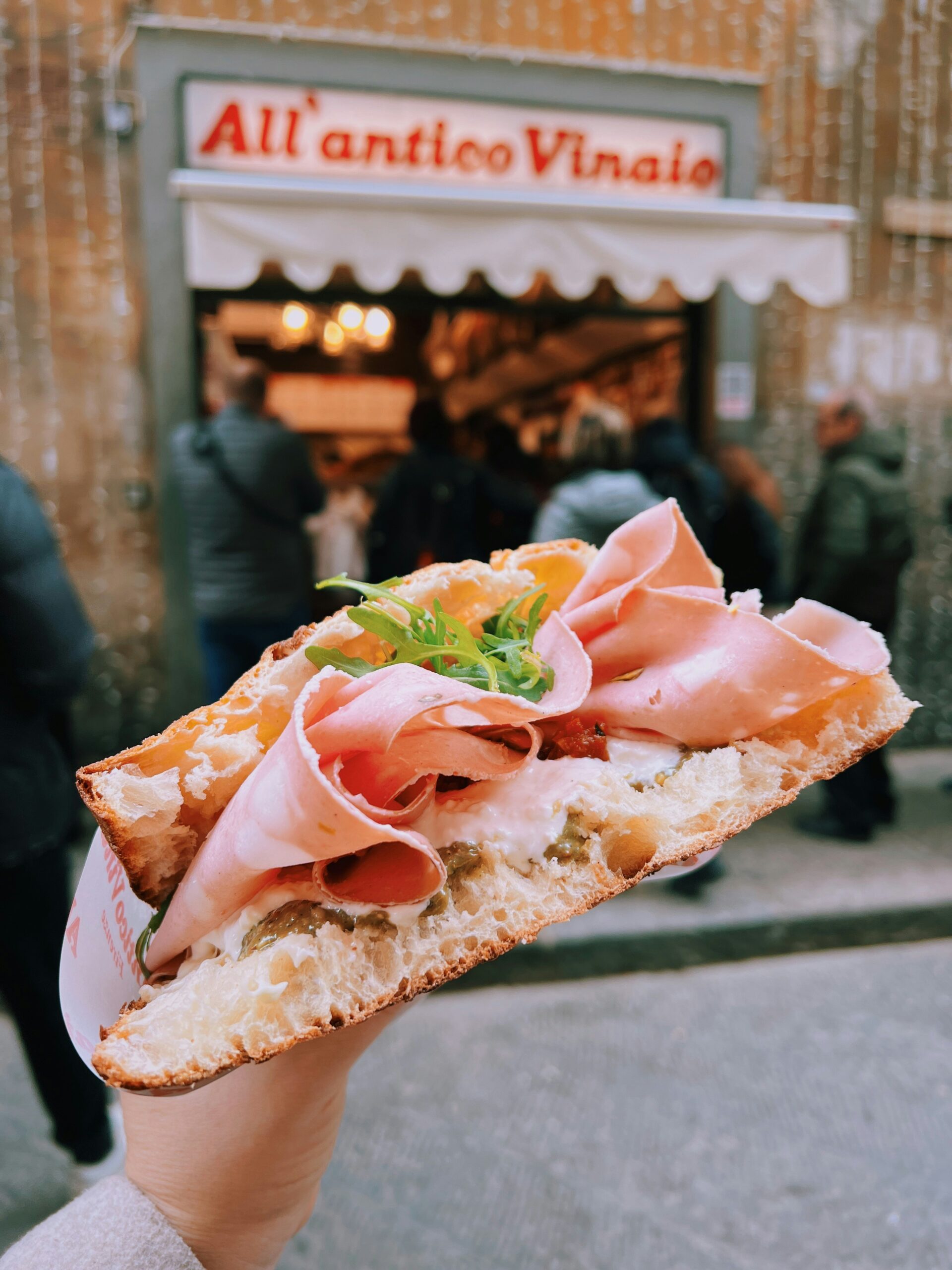
  • All’Antico Vinaio: The city’s most famous schiacciata spot, serving oversized sandwiches packed with local ingredients. Lines are constant, but move steadily.
  • I Fratellini: Tiny wine and sandwich counter near Duomo.
  • Panini Toscani: Quick sandwiches with local ingredients.
  • Semel: Rotating menu sandwiches in small space.
  • Gusta Pizza: Informal pizza in Santo Spirito area.
  • Schiaccia Passera: Flatbread sandwiches in Oltrarno.
  • Panetteria e Stuzzicheria De Neri: Popular sandwich spot near the Uffizi known for generous schiacciata fillings and long lunchtime lines.
Dessert and sweet spots
  • Vivoli: Historic gelato and dessert shop. It's very trendy at the moment and people are going crazy with their affogatto!
  • Caffè Gilli: Classic pastry and café experience.
  • Rivoire: Chocolate and café facing Piazza della Signoria.
  • Pasticceria Nencioni: Local pastry option.
  • Dolci e Dolcezze: Small bakery style shop.
  • Perché No: Gelato with seasonal flavors.

Wine bars
  • Enoteca Pitti Gola: Focused Tuscan labels near Pitti Palace.
  • Le Volpi e l’Uva: Small space with natural and regional wines.
  • Vineria Sonora: Vinyl records and curated wine selection.
  • Il Santino: Casual extension of Il Santo Bevitore.
  • Enoteca Alessi: Large selection close to the Duomo area.
  • Enoteca Obsequium: Central option with broad Italian coverag

Our take: Pick one trendy dinner and keep the rest traditional, otherwise you risk missing the core Tuscan dishes that define Florence.

When and how to eat

Meal times in Florence are structured. Lunch usually runs from 12:30 to 14:30 and dinner rarely starts before 19:30, with most locals arriving between 20:00 and 21:30. Many kitchens close between lunch and dinner, so late afternoon is for coffee or aperitivo, not full meals.

Reservations are recommended for dinner, especially Thursday to Saturday and during high season. Some traditional trattorie close one or two days per week, often Sunday evening or Monday. Always check opening days in advance. Tipping is modest. A small service charge or “coperto” is often added per person.

Menus are organized in courses: antipasti, primi, secondi, contorni, dolci. You are not required to order every course. Sharing is common, especially for bistecca alla Fiorentina. Tap water is not standard; bottled water is typically ordered. Espresso comes after the meal, rarely with it.

Our take: Book dinner for 8pm, keep lunch flexible, and do not over order courses on your first night until you understand portion sizes.

Through travelers’ eyes

Before choosing where to eat, it helps to see how meals actually look on the table. Here you’ll find photos from travelers in Florence - simple trattoria interiors, classic Tuscan dishes, gelato and affogato moments, market bites, and cooking class experiences that show how food fits naturally into the day.

Practical tips to choose what and where to eat

Florence has many restaurants within a small area, but quality and value vary by street and timing. Use these filters before sitting down.

  • Check opening days: Many trattorie close one or two days weekly.
  • Book key dinners: Reserve bistecca spots at least 2 to 3 days ahead.
  • Go early or late: Arrive at 19:30 or after 21:00 for smoother service.
  • Share large dishes: Bistecca is priced by weight and built for two.
  • Scan for locals: Italian spoken at tables is a good indicator.
  • Limit Duomo radius: Walk 5 to 10 minutes away for better value.
  • Balance heavy meals: Mix steak dinners with lighter lunch options.

FAQs

Is it easy to find good food near the Duomo?

Yes, but you need to filter carefully. Streets immediately around the Cathedral have many tourist oriented menus. Walk 5 to 10 minutes outward and check reviews and local language usage before choosing.

How much does bistecca alla Fiorentina cost?

Prices are usually per 100g, often between €5 and €8 per 100g. A 1.2 kg steak for two can easily exceed €70 to €90. Always confirm weight and total estimate before ordering.

Do I need reservations for dinner?

From April to October and on weekends, yes. Popular trattorie fill quickly. Booking 2 to 3 days ahead is reasonable. For lunch, same day reservations are often enough.

Is tipping expected in Florence?

Tipping is modest. A small service charge called coperto is commonly added per person. Leaving a few extra euros for good service is appreciated but not mandatory.

Can I order just one course?

Yes. You are not required to follow the full antipasti, primi, secondi structure. Many visitors order one main dish and perhaps a shared starter without issue.

Is tap water served automatically?

No. Bottled water is standard and appears on most tables. You can ask for tap water, but it is less common and not always provided.

Are food tours worth it?

They can be useful if you want context and multiple tastings in one structured session. Otherwise, self guided exploration of markets and wine bars can achieve similar results.

Is street food safe and reliable?

Yes, especially well known stalls like those in Mercato Centrale. Look for steady turnover and visible preparation. Lampredotto vendors are part of local tradition.

When do restaurants close in the afternoon?

Most kitchens close around 14:30 and reopen near 19:30. Between those hours, expect cafés, bakeries, and aperitivo spots rather than full meal service.

HELP US IMPROVE

How likely are you to recommend Know to Travel to a friend or fellow traveler?

Not likely at all
Extremely likely