Paris itineraries (with examples)

Last updated on February 5, 2026

Intro

Building an itinerary in Paris is less about packing days and more about getting the order right. The city rewards flow. Many landmarks work well on the same day if they’re close, while others deserve space so you’re not rushing between them. You’ll find that mornings are great for focused sights, afternoons suit wandering and cafés, and evenings naturally slow down. Distances look short on a map but take time on foot, so grouping by area matters more than ticking boxes.


This guide is about creating days that feel balanced. Enough structure to see what you came for, enough flexibility to let Paris surprise you, and a pace that still feels good on the last day.

Map

Paris looks compact, but the map quickly shows why itineraries fall apart when geography is ignored. The city is organized around the Seine, with many major sights clustered along or near it, while neighborhoods spread outward with very different walking distances between them. What feels close visually often involves river crossings, long blocks, or metro changes that add friction to a day.

Seeing everything on a map helps you group areas logically. Central districts combine well on foot, while others make sense only if you commit half a day to them. It also clarifies when walking is faster than public transport and when a short metro ride saves real time. This perspective is what turns a list of places into workable days.

Our take: Always sanity-check a day on the map. If it zigzags across the river or city, it will feel rushed no matter how good the plan looks on paper.

Essential and popular things to do

Paris has a clear core that most first-time visitors expect to experience. Seeing the Eiffel Tower, walking along the Seine, spending time around Notre-Dame, and stepping inside a major museum like the Louvre are part of how the city starts to make sense. These moments anchor everything else and give context to the neighborhoods, food, and pace of the trip.

After that foundation, most people naturally add popular layers. Views from the Arc de Triomphe, time in the Musée d’Orsay, wandering Le Marais, relaxing in the Luxembourg Gardens, or taking a day trip to Versailles are common choices. They expand the experience without pulling you away from what makes Paris feel like Paris.

This itinerary guide assumes you want to combine those essentials with popular additions in a way that flows geographically and feels balanced day to day. If you want a deeper look at each place and how to choose between them, you can explore our full things to do guide alongside these itineraries.

How long to stay

How long you stay in Paris directly shapes how rushed or relaxed the trip feels. The city rewards time, but it also works surprisingly well in shorter stays if expectations are clear.

  • 2–3 days: Enough to see the main landmarks and get a first impression, but days will be full and choices limited. Works best if you focus on central areas and accept that some things will wait.
  • 4–5 days: A strong balance for most first-time trips. You can cover essentials, add popular sights, enjoy proper meals, and still have unstructured time without feeling behind schedule.
  • 6–7 days: Ideal if you want museums, neighborhoods, and one day trip without pressure. The pace becomes noticeably calmer, and Paris starts to feel familiar rather than just impressive.
  • 8+ days: Best for slow travel, repeat visits, or combining Paris with nearby regions. The risk is overplanning unless you deliberately build in rest and flexibility.

In general, Paris feels most rewarding when your days aren’t packed edge to edge. Enough time allows you to group areas logically and still leave room for spontaneous moments.

Our take: If it’s your first visit, aim for 4 or 5 days. It’s long enough to enjoy Paris properly without turning the trip into a marathon.

3 days itinerary

Three days in Paris is fast but workable if you keep things central and accept a full pace. This itinerary focuses on flow, grouping nearby areas and mixing structured sights with time to breathe.

Day 1 – Historic core and the Seine

Main focus: Eiffel Tower, Seine walk, central landmarks

Start the trip with Paris’ visual anchors. Begin near the Eiffel Tower to set context, then move along the Seine on foot, crossing bridges and passing major landmarks. Include time around Notre-Dame and Île de la Cité to understand where the city began. Keep museums light today and focus on walking, views, and orientation. End with a relaxed dinner nearby to avoid unnecessary travel.

Day 2 – Museums and classic Paris

Main focus: Louvre, Tuileries, central museums

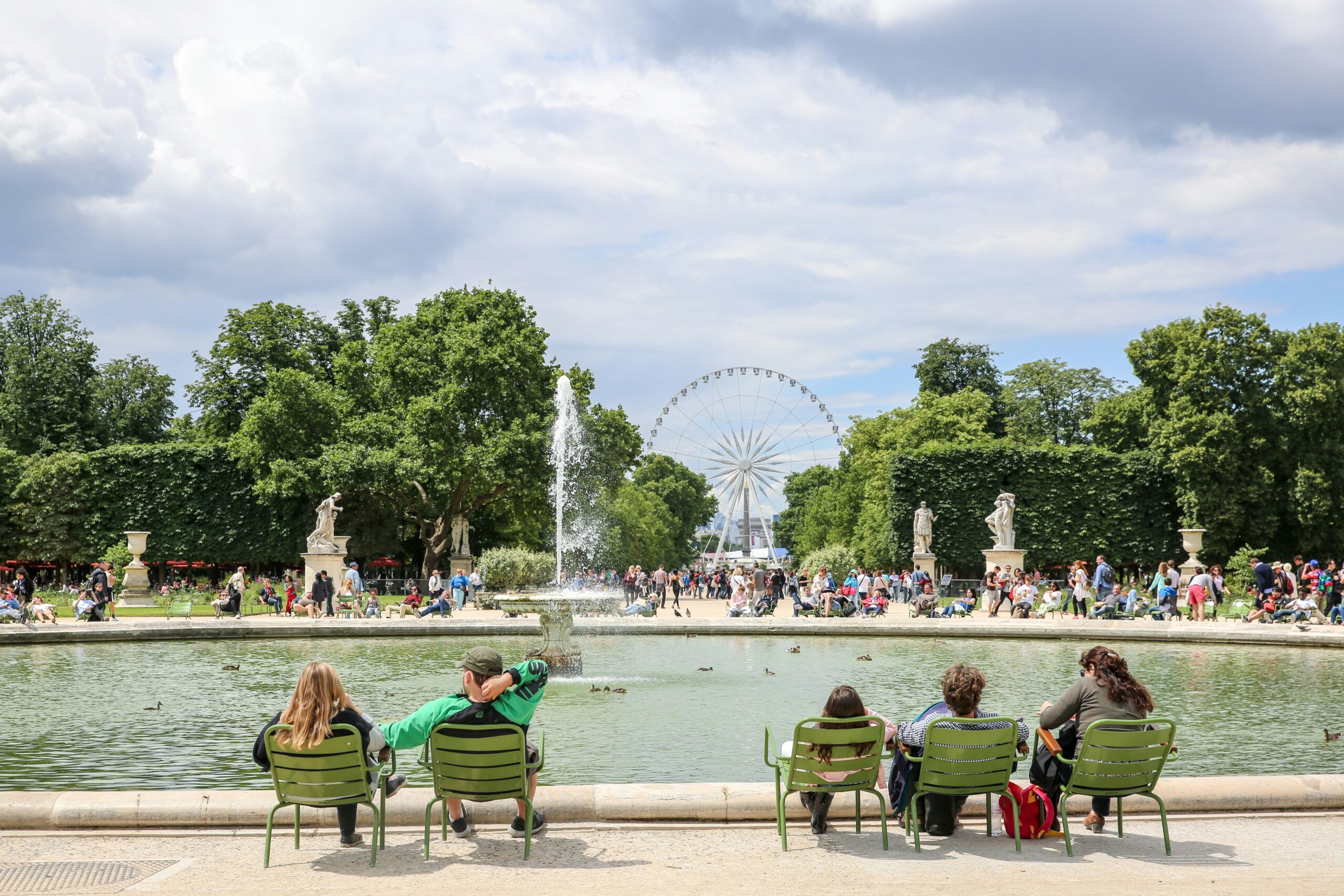
Dedicate the morning to the Louvre or another major museum while energy is high. Afterward, slow down in the Tuileries or nearby gardens to reset. The afternoon works well for a second, smaller museum or wandering nearby streets without a strict plan. This day balances concentration with recovery time, helping avoid museum fatigue.

Day 3 – Neighborhoods and views

Main focus: Montmartre, views, local streets

Head to Montmartre in the morning before it gets busy. Explore the streets, take in the views, and move away from the main square to quieter areas. Spend the afternoon in a neighborhood like Le Marais or Saint-Germain, focusing on cafés, shops, and walking. This softer day closes the trip without rushing.

5 days itinerary

Five days gives Paris room to breathe. You can see the essentials, add popular layers, and still keep a pace that feels human rather than rushed. This itinerary assumes full days and smart geographic grouping.

Day 1 – Orientation and the Seine

Main focus: Eiffel Tower, Seine walk, historic center

Start with Paris’ visual anchors to build context early. Spend the morning around the Eiffel Tower, then walk along the Seine, crossing bridges and passing major landmarks. Include time on Île de la Cité and around Notre-Dame to understand the city’s origins. Keep the day focused on walking and views rather than interiors, and end nearby to avoid unnecessary travel.

Day 2 – Major museum and central Paris

Main focus: Louvre, Tuileries, central neighborhoods

Dedicate the morning to the Louvre or another major museum while energy is high. Plan a focused visit rather than trying to see everything. After lunch, slow down in the Tuileries or nearby streets. Use the afternoon for wandering or a smaller museum, keeping the day balanced to avoid mental fatigue.

Day 3 – Classic views and elegant Paris

Main focus: Arc de Triomphe, Champs-Élysées, Luxembourg Gardens

Begin with a city view from the Arc de Triomphe to understand Paris’ layout. Walk part of the Champs-Élysées as a route rather than a shopping stop. In the afternoon, shift to the Left Bank and spend time in the Luxembourg Gardens, allowing space to rest and observe daily life.

Day 4 – Neighborhood Paris

Main focus: Montmartre, Le Marais

Visit Montmartre early, exploring the streets and viewpoints before crowds build. Move away from the main square to see quieter corners. In the afternoon, head to Le Marais for a different pace, mixing walking, cafés, and informal browsing. Keep the evening flexible.

Day 5 – Choice day or light day trip

Main focus: Second museum or Versailles

Use the final day based on energy. Stay in Paris for another museum and relaxed neighborhoods, or take a half or full day trip to Versailles for historical contrast. Avoid overloading the last day and leave margin for revisiting favorite areas.

Travel tips to build your itinerary

Good Paris itineraries are built around geography, energy, and timing. A few structural choices make the difference between a smooth trip and one that feels constantly rushed.

  • Group by area: Build days around nearby sights to reduce transit time
  • One anchor per day: Choose one main sight and plan lighter activities around it
  • Mornings for must-sees: Visit popular places early to avoid crowds
  • Alternate intensity: Balance museums with outdoor or slower moments
  • Respect distances: Short map distances can still take time on foot
  • Leave buffers: Gaps absorb delays and spontaneous stops
  • Plan rest days: Longer trips need lighter days to avoid burnout
  • Check opening days: Some sights close weekly or change hours

FAQs

How many days do I really need to build a good Paris itinerary?

For a first trip, 4 to 5 days is the most balanced option. It allows you to see the essentials, add popular sights, and still move at a humane pace. Fewer days means tighter choices, more days means better rhythm rather than more sights.

Is it better to plan by theme or by location?

Always by location. Paris is compact but slow to cross, and itineraries built by theme usually waste time in transit. Grouping nearby areas makes days smoother and leaves energy for walking, cafés, and small detours.

Can I combine multiple major sights in one day?

Yes, but only if they’re close and you limit interiors. One major indoor attraction per day is usually enough. Pair it with outdoor walking or neighborhoods to avoid fatigue and keep the day enjoyable.

Should I include a day trip in a short itinerary?

Only if you have at least 5 days. For shorter stays, day trips break the flow and eat time. Paris itself has enough variety to fill a short trip without feeling repetitive.

Is it realistic to visit both the Louvre Museum and the Musée d’Orsay?

Yes, but not on the same day. Each deserves focus and energy. Spread them across different days and keep the rest of those days lighter to avoid museum overload.

How early should I start my days?

Earlier than you might expect. Starting between 8:00 and 9:00 lets you see popular sights before crowds build and gives flexibility later. Late starts compress days and reduce options, especially for museums.

Is it okay to leave parts of the itinerary unplanned?

Absolutely. In fact, it’s recommended. Leaving open blocks lets you adapt to weather, energy, or discoveries. Paris often delivers its best moments when the schedule isn’t full.

Should I schedule the Palace of Versailles mid-trip or at the end?

Mid-trip works best. It’s a long, structured day and fits better once you’re oriented but not yet tired. Leaving it for the last day often feels heavy.

How do I adjust itineraries when traveling with kids?

Shorten days and reduce anchors. One main activity per day is usually enough. Build in parks, predictable meals, and early finishes to keep energy steady and avoid meltdowns.

Paris itineraries (with examples)

Last updated on February 5, 2026

Intro

Building an itinerary in Paris is less about packing days and more about getting the order right. The city rewards flow. Many landmarks work well on the same day if they’re close, while others deserve space so you’re not rushing between them. You’ll find that mornings are great for focused sights, afternoons suit wandering and cafés, and evenings naturally slow down. Distances look short on a map but take time on foot, so grouping by area matters more than ticking boxes.


This guide is about creating days that feel balanced. Enough structure to see what you came for, enough flexibility to let Paris surprise you, and a pace that still feels good on the last day.

[travel_quick_facts]

Essential and popular things to do

Paris has a clear core that most first-time visitors expect to experience. Seeing the Eiffel Tower, walking along the Seine, spending time around Notre-Dame, and stepping inside a major museum like the Louvre are part of how the city starts to make sense. These moments anchor everything else and give context to the neighborhoods, food, and pace of the trip.

After that foundation, most people naturally add popular layers. Views from the Arc de Triomphe, time in the Musée d’Orsay, wandering Le Marais, relaxing in the Luxembourg Gardens, or taking a day trip to Versailles are common choices. They expand the experience without pulling you away from what makes Paris feel like Paris.

This itinerary guide assumes you want to combine those essentials with popular additions in a way that flows geographically and feels balanced day to day. If you want a deeper look at each place and how to choose between them, you can explore our full things to do guide alongside these itineraries.

5 days itinerary

Five days gives Paris room to breathe. You can see the essentials, add popular layers, and still keep a pace that feels human rather than rushed. This itinerary assumes full days and smart geographic grouping.

Day 1 – Orientation and the Seine

Main focus: Eiffel Tower, Seine walk, historic center

Start with Paris’ visual anchors to build context early. Spend the morning around the Eiffel Tower, then walk along the Seine, crossing bridges and passing major landmarks. Include time on Île de la Cité and around Notre-Dame to understand the city’s origins. Keep the day focused on walking and views rather than interiors, and end nearby to avoid unnecessary travel.

Day 2 – Major museum and central Paris

Main focus: Louvre, Tuileries, central neighborhoods

Dedicate the morning to the Louvre or another major museum while energy is high. Plan a focused visit rather than trying to see everything. After lunch, slow down in the Tuileries or nearby streets. Use the afternoon for wandering or a smaller museum, keeping the day balanced to avoid mental fatigue.

Day 3 – Classic views and elegant Paris

Main focus: Arc de Triomphe, Champs-Élysées, Luxembourg Gardens

Begin with a city view from the Arc de Triomphe to understand Paris’ layout. Walk part of the Champs-Élysées as a route rather than a shopping stop. In the afternoon, shift to the Left Bank and spend time in the Luxembourg Gardens, allowing space to rest and observe daily life.

Day 4 – Neighborhood Paris

Main focus: Montmartre, Le Marais

Visit Montmartre early, exploring the streets and viewpoints before crowds build. Move away from the main square to see quieter corners. In the afternoon, head to Le Marais for a different pace, mixing walking, cafés, and informal browsing. Keep the evening flexible.

Day 5 – Choice day or light day trip

Main focus: Second museum or Versailles

Use the final day based on energy. Stay in Paris for another museum and relaxed neighborhoods, or take a half or full day trip to Versailles for historical contrast. Avoid overloading the last day and leave margin for revisiting favorite areas.
Travel tips to build your itinerary

Good Paris itineraries are built around geography, energy, and timing. A few structural choices make the difference between a smooth trip and one that feels constantly rushed.

  • Group by area: Build days around nearby sights to reduce transit time
  • One anchor per day: Choose one main sight and plan lighter activities around it
  • Mornings for must-sees: Visit popular places early to avoid crowds
  • Alternate intensity: Balance museums with outdoor or slower moments
  • Respect distances: Short map distances can still take time on foot
  • Leave buffers: Gaps absorb delays and spontaneous stops
  • Plan rest days: Longer trips need lighter days to avoid burnout
  • Check opening days: Some sights close weekly or change hours

FAQs

How many days do I really need to build a good Paris itinerary?

For a first trip, 4 to 5 days is the most balanced option. It allows you to see the essentials, add popular sights, and still move at a humane pace. Fewer days means tighter choices, more days means better rhythm rather than more sights.

Is it better to plan by theme or by location?

Always by location. Paris is compact but slow to cross, and itineraries built by theme usually waste time in transit. Grouping nearby areas makes days smoother and leaves energy for walking, cafés, and small detours.

Can I combine multiple major sights in one day?

Yes, but only if they’re close and you limit interiors. One major indoor attraction per day is usually enough. Pair it with outdoor walking or neighborhoods to avoid fatigue and keep the day enjoyable.

Should I include a day trip in a short itinerary?

Only if you have at least 5 days. For shorter stays, day trips break the flow and eat time. Paris itself has enough variety to fill a short trip without feeling repetitive.

Is it realistic to visit both the Louvre Museum and the Musée d’Orsay?

Yes, but not on the same day. Each deserves focus and energy. Spread them across different days and keep the rest of those days lighter to avoid museum overload.

How early should I start my days?

Earlier than you might expect. Starting between 8:00 and 9:00 lets you see popular sights before crowds build and gives flexibility later. Late starts compress days and reduce options, especially for museums.

Is it okay to leave parts of the itinerary unplanned?

Absolutely. In fact, it’s recommended. Leaving open blocks lets you adapt to weather, energy, or discoveries. Paris often delivers its best moments when the schedule isn’t full.

Should I schedule the Palace of Versailles mid-trip or at the end?

Mid-trip works best. It’s a long, structured day and fits better once you’re oriented but not yet tired. Leaving it for the last day often feels heavy.

How do I adjust itineraries when traveling with kids?

Shorten days and reduce anchors. One main activity per day is usually enough. Build in parks, predictable meals, and early finishes to keep energy steady and avoid meltdowns.

HELP US IMPROVE

How likely are you to recommend Know to Travel to a friend or fellow traveler?

Not likely at all
Extremely likely