What and where to eat in London

Last updated on February 10, 2026

Intro

Eating in London feels less like following a food scene and more like navigating a city that eats everything. You can have something deeply traditional one minute and something rooted in another culture the next, often on the same street.


What makes London interesting is not polish or perfection, but range. Meals are shaped by immigration, habits, and everyday routines. Food here fits around life, not the other way around. Lunch can be quick and excellent. Dinner can be casual and still memorable.


If you enjoy cities where food reflects real people and real schedules, London delivers. It rewards curiosity, not chasing trends, and it rarely asks you to dress up or slow down more than you want to.

What and where to eat

On a first trip, London food should help you understand the city fast. These are the meals that locals reference, visitors remember, and most people regret skipping if they miss them.

Full English breakfast

A proper start to the day. Eggs, bacon, sausage, beans, and toast done with intent. Heavy, yes, but it explains how London mornings were built. Best enjoyed once, not daily.

  • The Wolseley - Classic setting, consistent execution
  • Regency Cafe - Old school, fast, no nonsense
  • E Pellicci - Family run, local institution

Sunday roast

Roast meat, potatoes, vegetables, gravy. This is about rhythm, not refinement. Sundays slow down around this meal, usually in pubs, usually shared, and usually filling.

  • Hawksmoor - Excellent meat, proper gravy
  • The Harwood Arms - Pub focused, well balanced
  • Blacklock - Casual, generous portions

Fish and chips

Best when simple and hot. Fried cod or haddock, thick chips, salt and vinegar. Ignore fancy versions, this works because it is straightforward and familiar.

  • Poppies - Reliable, traditional style
  • The Golden Hind - No frills, well executed
  • Toff's of Muswell Hill - Classic local favorite

Indian curry

Indian food is part of London’s identity. Rich, balanced, and approachable. This is not a niche choice, it is everyday food done at a very high level.

  • Dishoom - Consistent, approachable, popular
  • Gymkhana - More refined, deeper flavors
  • Tayyabs - Bold dishes, lively atmosphere

Pie and mash

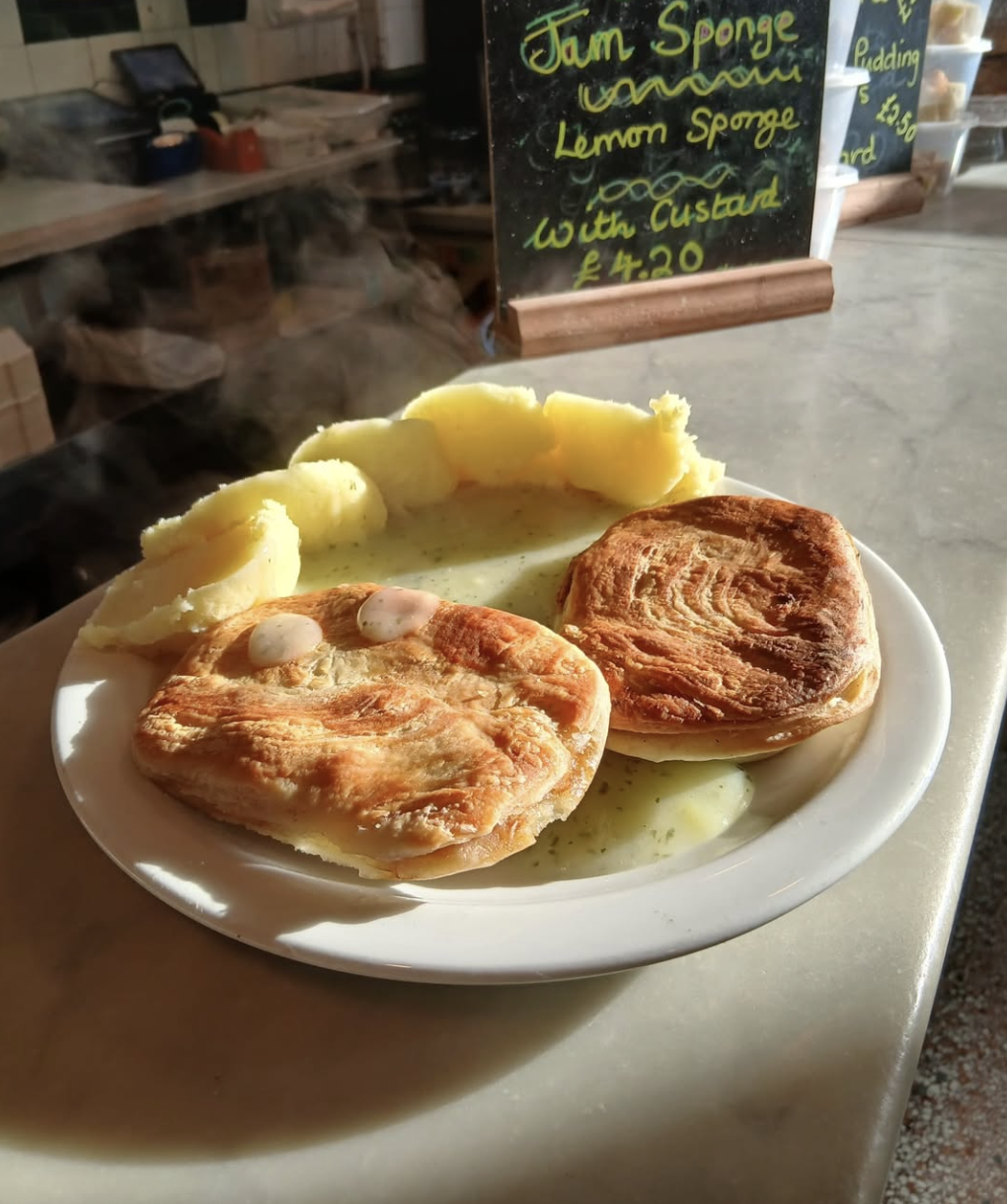
Working class comfort food. Meat pie, mashed potatoes, parsley sauce. You eat this to understand old London, not for complexity or polish.

  • M Manze - Historic, unchanged for decades
  • F Cooke - Traditional, no updates
  • Goddards at Greenwich - Accessible and reliable

Afternoon tea

More cultural ritual than meal. Tea, sandwiches, scones, sweets. It is slow, structured, and still very London when done properly.

  • Fortnum & Mason - Traditional, polished setting
  • Claridge’s - Formal, classic experience
  • Sketch - Modern twist, visual focus

When and how to eat

General rhythm
London eats early by southern European standards. Kitchens open on time and close on time. Meals are practical, often fitted between plans, and rarely treated as long social events unless it is a special occasion or Sunday lunch.

Breakfast
Breakfast matters here. Cafés open early and many locals eat out before work. Full English breakfasts are common, but lighter options dominate weekdays. Expect steady service, quick turnover, and no rush to linger at the table.

Lunch
Lunch is functional and fast. Many places focus on efficiency, especially midweek. Counters, food halls, and takeaway friendly spots dominate. Sitting down is normal, but long lunches are rare outside weekends or business settings.

Dinner
Dinner starts earlier than you might expect. Many restaurants peak between 6:30 and 8:30 pm. After 9 pm options drop quickly, especially outside central areas. Pubs often serve food earlier than restaurants.

Reservations
Reservations matter for popular places, even casual ones. Walk ins work best early or late. Weekends fill fast, and no shows are taken seriously. Booking ahead avoids wasted time and reshuffling plans.

Payment and etiquette
Splitting bills is normal and easy. Tipping is modest and often optional if service is included. Table service is efficient but not attentive by default. You ask when you need something.

Our take: Plan food around your day, not the opposite. Eat earlier, book smart, and avoid assuming flexibility that London restaurants rarely offer.

Where to eat by neighbourhood

London food planning works best by area. These neighbourhoods fit naturally into a first trip and offer reliable places that work for most tastes and schedules.

Soho: Central, busy, and food dense, ideal for casual meals between plans

  • Dishoom Soho – Consistent Indian cooking, fast pace, always lively
  • Kiln – Open fire Thai dishes, small menu, strong flavours
  • Barrafina – Counter seating, high quality tapas, no bookings

Covent Garden: Easy option near theatres, shopping, and museums

  • The Ivy Market Grill – Familiar menu, polished setting, dependable choice
  • Balthazar – Classic brasserie food, spacious, predictable
  • Dishoom Covent Garden – Same formula, convenient central location

Shoreditch: Trend driven area with casual, creative food

  • Smokestak – Slow cooked meats, industrial space, bold flavours
  • Gloria Shoreditch – Loud, fun, generous Italian plates
  • Boxpark Shoreditch – Multiple fast options, informal and flexible

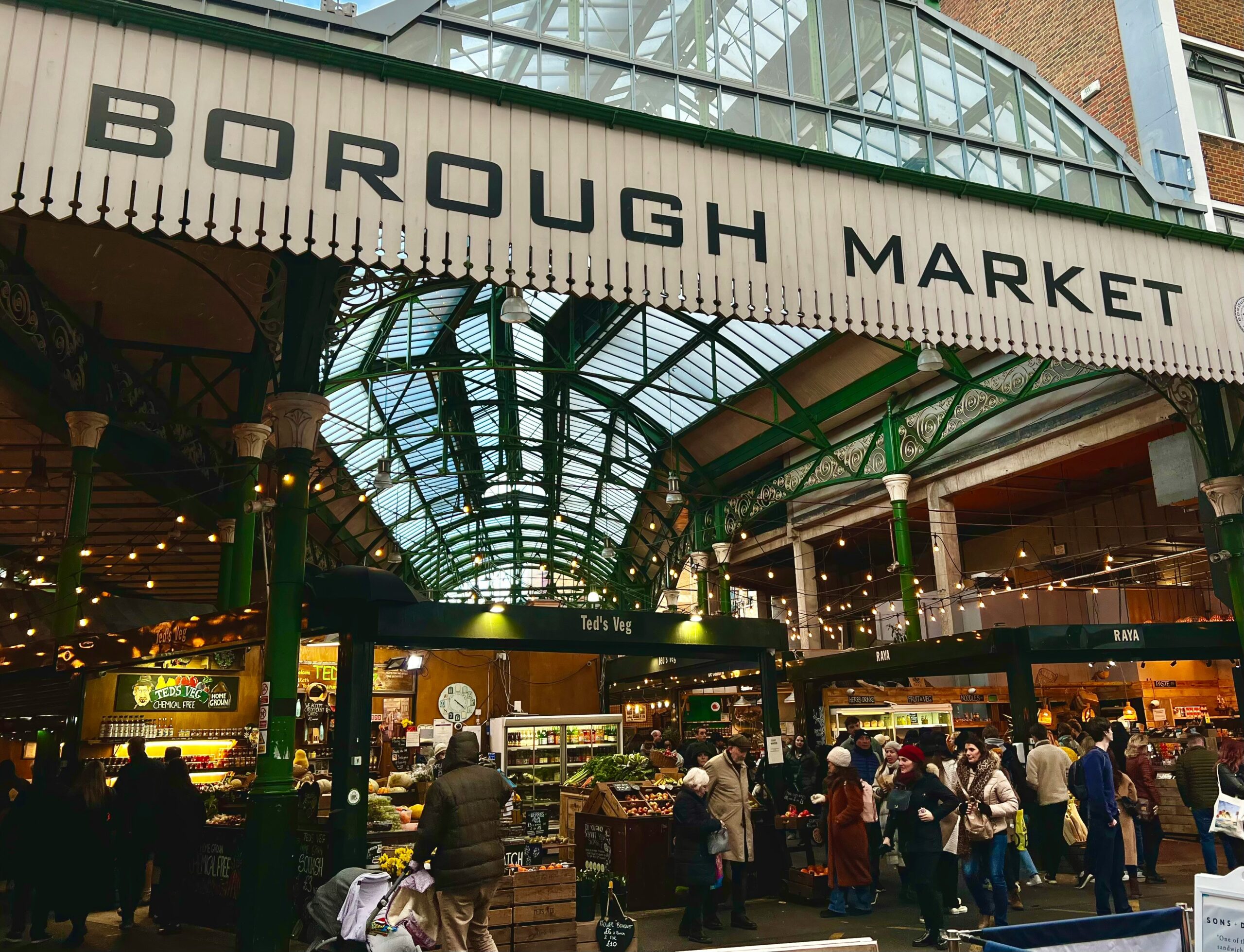
Borough and London Bridge: Food focused, good for daytime or early dinner

  • Borough Market – Wide choice, best at lunch, very busy
  • Padella – Fresh pasta, queues move fast
  • Roast – Traditional dishes overlooking the market

Notting Hill: Relaxed area with crowd pleasing restaurants

  • Ottolenghi Notting Hill – Vegetable focused, colourful plates
  • Gold – Wood fired cooking, calm atmosphere
  • The Ledbury – High end option for a special meal

Camden: Casual food stops mixed with markets and walks

  • Camden Market – Global street food, flexible and fast
  • Gilgamesh – Large menu, dramatic interior
  • The Hawley Arms – Pub food with local character

Mayfair and Marylebone: Polished dining and classic London feel

  • The Wolseley – All day dining, timeless choice
  • Hakkasan Mayfair – Refined Cantonese, evening focused
  • Riding House Cafe – Modern British, easy all rounder

Through travelers’ eyes

Here, you’ll discover London’s food as other travelers experienced it - from casual bites to memorable meals along the way. These photos and stories come from people who know the city, enjoy its food, and naturally wove eating into their days of exploring London.

FAQs

Is London an expensive city to eat out?

It can be, but it does not have to be. London offers a wide spread between quick, affordable meals and high end dining. Markets, casual restaurants, and pubs allow you to eat well without overspending if you choose locations and timings carefully.

Do I need to book restaurants in advance?

For popular restaurants, yes. Even casual places often book out, especially on weekends. Walk ins work best early or late. Booking ahead avoids wasting time reshuffling plans around food.

Are food markets good enough for full meals?

Yes. Many markets offer high quality food and are a practical choice for lunch. They are fast, flexible, and let everyone choose what they want without committing to a long sit down meal.

Is tipping expected in London restaurants?

Tipping is modest. Many restaurants include a service charge on the bill. If service is not included, a small tip is appreciated but not mandatory. Locals rarely tip heavily.

Are dietary restrictions easy to handle?

Yes. Vegetarian, vegan, and gluten free options are common and clearly marked. London’s diversity makes it one of the easiest cities to eat with restrictions without special planning.

What time do locals usually eat dinner?

Dinner generally starts earlier than in southern Europe. Many restaurants are busiest between 6:30 and 8:30 pm. After 9 pm choices become more limited, especially outside central areas.

Is street food safe and reliable?

Yes. Street food and market stalls are regulated and generally safe. Quality varies by vendor, but popular markets tend to attract consistently good operators with high turnover.

What and where to eat in London

Last updated on February 10, 2026

Intro

Eating in London feels less like following a food scene and more like navigating a city that eats everything. You can have something deeply traditional one minute and something rooted in another culture the next, often on the same street.


What makes London interesting is not polish or perfection, but range. Meals are shaped by immigration, habits, and everyday routines. Food here fits around life, not the other way around. Lunch can be quick and excellent. Dinner can be casual and still memorable.


If you enjoy cities where food reflects real people and real schedules, London delivers. It rewards curiosity, not chasing trends, and it rarely asks you to dress up or slow down more than you want to.

[travel_quick_facts]

What and where to eat

On a first trip, London food should help you understand the city fast. These are the meals that locals reference, visitors remember, and most people regret skipping if they miss them.

Full English breakfast

A proper start to the day. Eggs, bacon, sausage, beans, and toast done with intent. Heavy, yes, but it explains how London mornings were built. Best enjoyed once, not daily.

  • The Wolseley - Classic setting, consistent execution
  • Regency Cafe - Old school, fast, no nonsense
  • E Pellicci - Family run, local institution

Sunday roast

Roast meat, potatoes, vegetables, gravy. This is about rhythm, not refinement. Sundays slow down around this meal, usually in pubs, usually shared, and usually filling.

  • Hawksmoor - Excellent meat, proper gravy
  • The Harwood Arms - Pub focused, well balanced
  • Blacklock - Casual, generous portions

Fish and chips

Best when simple and hot. Fried cod or haddock, thick chips, salt and vinegar. Ignore fancy versions, this works because it is straightforward and familiar.

  • Poppies - Reliable, traditional style
  • The Golden Hind - No frills, well executed
  • Toff's of Muswell Hill - Classic local favorite

Indian curry

Indian food is part of London’s identity. Rich, balanced, and approachable. This is not a niche choice, it is everyday food done at a very high level.

  • Dishoom - Consistent, approachable, popular
  • Gymkhana - More refined, deeper flavors
  • Tayyabs - Bold dishes, lively atmosphere

Pie and mash

Working class comfort food. Meat pie, mashed potatoes, parsley sauce. You eat this to understand old London, not for complexity or polish.

  • M Manze - Historic, unchanged for decades
  • F Cooke - Traditional, no updates
  • Goddards at Greenwich - Accessible and reliable

Afternoon tea

More cultural ritual than meal. Tea, sandwiches, scones, sweets. It is slow, structured, and still very London when done properly.

  • Fortnum & Mason - Traditional, polished setting
  • Claridge’s - Formal, classic experience
  • Sketch - Modern twist, visual focus

Trendy places to eat

This is the side of London food you see all over social media. Popular spots, recognizable rooms, and dishes built to be photographed as much as eaten.

Brunch

Granger & Co. - Bright space, crowd pleasing plates, reliable buzz
Sunday in Brooklyn - Pancakes, queues, and very Instagram friendly
The Breakfast Club - Loud, casual, and packed most mornings
Farm Girl - Clean looking dishes and pastel interiors

Casual dining

Dishoom - Always busy, dark interiors, widely shared online
Gloria - Big plates, bold decor, constant social presence
Sketch - Food secondary to rooms and visuals
Sexy Fish - Flashy setting, high energy crowd

Desserts and bakeries

Peggy Porschen - Floral façade, cupcakes over substance
EL&N - Designed for photos, very sweet menu
Crosstown - Donuts with strong branding appeal
Humble Crumble - Hot crumble, heavy online exposure

Coffee spots

Blank Street Coffee - Minimal design, frequent influencer visits
Attendant Coffee Roasters - Converted restroom, very shareable
Ozone Coffee Roasters - Industrial look, popular work spot

Rooftops and views

Aqua Shard - High views, formal setting, photo driven
Duck & Waffle - 24 hour views, city skyline shots
Sky Garden - Plants, views, food is secondary

When and how to eat

General rhythm
London eats early by southern European standards. Kitchens open on time and close on time. Meals are practical, often fitted between plans, and rarely treated as long social events unless it is a special occasion or Sunday lunch.

Breakfast
Breakfast matters here. Cafés open early and many locals eat out before work. Full English breakfasts are common, but lighter options dominate weekdays. Expect steady service, quick turnover, and no rush to linger at the table.

Lunch
Lunch is functional and fast. Many places focus on efficiency, especially midweek. Counters, food halls, and takeaway friendly spots dominate. Sitting down is normal, but long lunches are rare outside weekends or business settings.

Dinner
Dinner starts earlier than you might expect. Many restaurants peak between 6:30 and 8:30 pm. After 9 pm options drop quickly, especially outside central areas. Pubs often serve food earlier than restaurants.

Reservations
Reservations matter for popular places, even casual ones. Walk ins work best early or late. Weekends fill fast, and no shows are taken seriously. Booking ahead avoids wasted time and reshuffling plans.

Payment and etiquette
Splitting bills is normal and easy. Tipping is modest and often optional if service is included. Table service is efficient but not attentive by default. You ask when you need something.

Our take: Plan food around your day, not the opposite. Eat earlier, book smart, and avoid assuming flexibility that London restaurants rarely offer.

Where to eat by neighbourhood

London food planning works best by area. These neighbourhoods fit naturally into a first trip and offer reliable places that work for most tastes and schedules.

Soho: Central, busy, and food dense, ideal for casual meals between plans

  • Dishoom Soho – Consistent Indian cooking, fast pace, always lively
  • Kiln – Open fire Thai dishes, small menu, strong flavours
  • Barrafina – Counter seating, high quality tapas, no bookings

Covent Garden: Easy option near theatres, shopping, and museums

  • The Ivy Market Grill – Familiar menu, polished setting, dependable choice
  • Balthazar – Classic brasserie food, spacious, predictable
  • Dishoom Covent Garden – Same formula, convenient central location

Shoreditch: Trend driven area with casual, creative food

  • Smokestak – Slow cooked meats, industrial space, bold flavours
  • Gloria Shoreditch – Loud, fun, generous Italian plates
  • Boxpark Shoreditch – Multiple fast options, informal and flexible

Borough and London Bridge: Food focused, good for daytime or early dinner

  • Borough Market – Wide choice, best at lunch, very busy
  • Padella – Fresh pasta, queues move fast
  • Roast – Traditional dishes overlooking the market

Notting Hill: Relaxed area with crowd pleasing restaurants

  • Ottolenghi Notting Hill – Vegetable focused, colourful plates
  • Gold – Wood fired cooking, calm atmosphere
  • The Ledbury – High end option for a special meal

Camden: Casual food stops mixed with markets and walks

  • Camden Market – Global street food, flexible and fast
  • Gilgamesh – Large menu, dramatic interior
  • The Hawley Arms – Pub food with local character

Mayfair and Marylebone: Polished dining and classic London feel

  • The Wolseley – All day dining, timeless choice
  • Hakkasan Mayfair – Refined Cantonese, evening focused
  • Riding House Cafe – Modern British, easy all rounder

Through travelers’ eyes

Here, you’ll discover London’s food as other travelers experienced it - from casual bites to memorable meals along the way. These photos and stories come from people who know the city, enjoy its food, and naturally wove eating into their days of exploring London.

Food tips for planning your days

London food works best when it fits around your plans. These tips help you eat well without letting meals slow the day down.

  • Eat earlier: Dinner peaks before 8:30 pm and options drop later
  • Book busy places: Popular spots fill fast, even midweek
  • Use markets for lunch: Fast, flexible, and easy to fit between sights
  • Plan by neighbourhood: Eating near sights saves time and energy
  • Expect queues: Some places rely on lines, especially weekends
  • Avoid peak brunch hours: Late mornings mean long waits
  • Keep dinners simple: Save energy for evenings out or walks
  • Check service included: Many bills already include it

FAQs

Is London an expensive city to eat out?

It can be, but it does not have to be. London offers a wide spread between quick, affordable meals and high end dining. Markets, casual restaurants, and pubs allow you to eat well without overspending if you choose locations and timings carefully.

Do I need to book restaurants in advance?

For popular restaurants, yes. Even casual places often book out, especially on weekends. Walk ins work best early or late. Booking ahead avoids wasting time reshuffling plans around food.

Are food markets good enough for full meals?

Yes. Many markets offer high quality food and are a practical choice for lunch. They are fast, flexible, and let everyone choose what they want without committing to a long sit down meal.

Is tipping expected in London restaurants?

Tipping is modest. Many restaurants include a service charge on the bill. If service is not included, a small tip is appreciated but not mandatory. Locals rarely tip heavily.

Are dietary restrictions easy to handle?

Yes. Vegetarian, vegan, and gluten free options are common and clearly marked. London’s diversity makes it one of the easiest cities to eat with restrictions without special planning.

What time do locals usually eat dinner?

Dinner generally starts earlier than in southern Europe. Many restaurants are busiest between 6:30 and 8:30 pm. After 9 pm choices become more limited, especially outside central areas.

Is street food safe and reliable?

Yes. Street food and market stalls are regulated and generally safe. Quality varies by vendor, but popular markets tend to attract consistently good operators with high turnover.

HELP US IMPROVE

How likely are you to recommend Know to Travel to a friend or fellow traveler?

Not likely at all
Extremely likely