São Tomé and Principe travel guide

Last updated on March 11, 2026

Intro

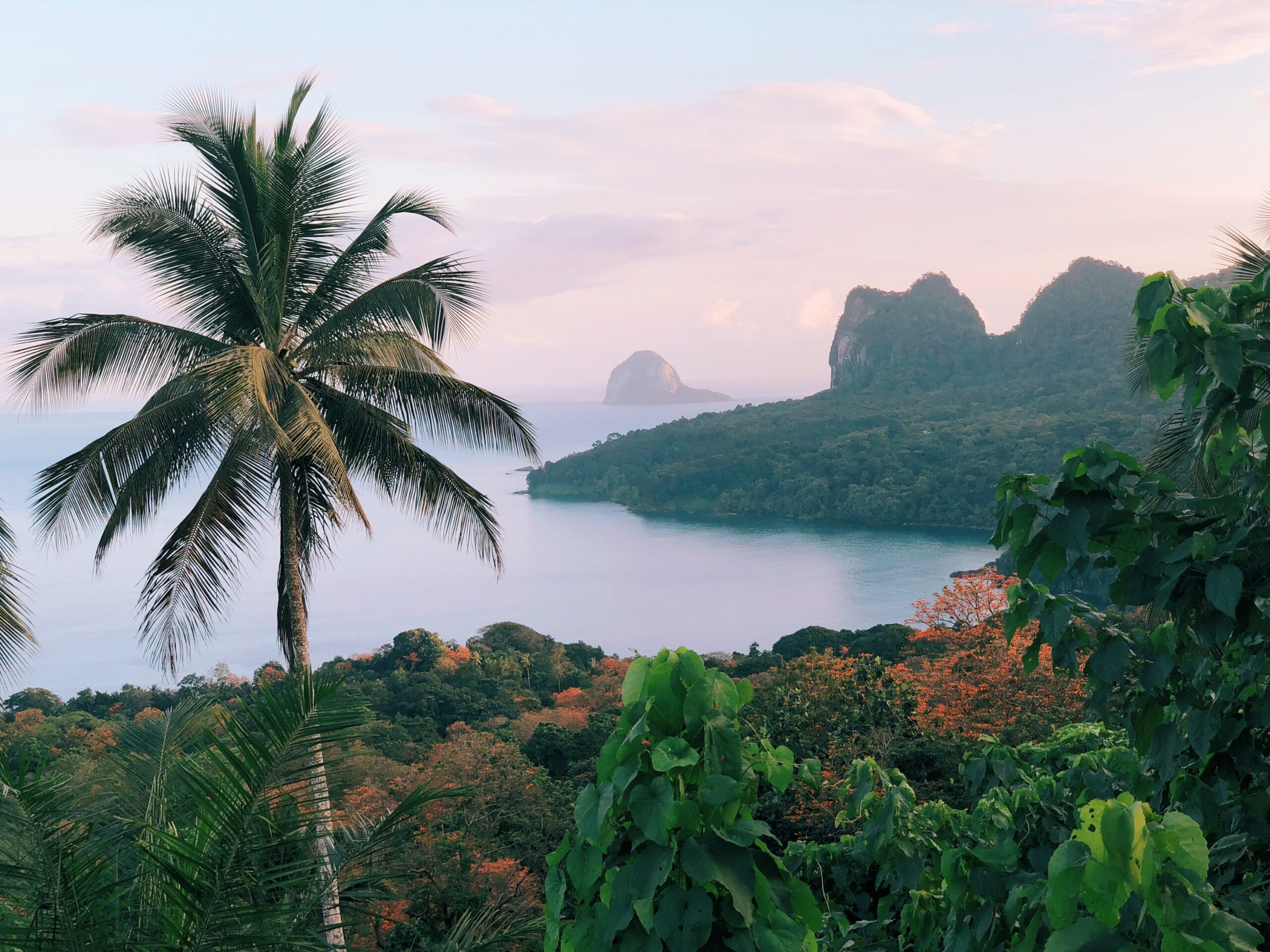
Few places in the world feel as untouched and quietly magical as São Tomé and Príncipe. Set in the Gulf of Guinea, this small island nation rewards travelers with lush rainforests, dramatic volcanic peaks, empty tropical beaches and historic cocoa plantations, all wrapped in a relaxed rhythm of life that makes exploring the islands feel both adventurous and deeply peaceful.


This São Tomé and Príncipe travel guide brings together everything you need to start planning your trip. You will learn when to visit the islands, how to get there, how long to stay, where to base yourself and how to get around, as well as an overview of the best things to do in São Tomé and Príncipe, from exploring historic roças and hiking in Ôbo Natural Park to relaxing on remote beaches.


Whether you are researching how to travel to São Tomé and Príncipe for the first time or refining your itinerary, this guide will help you understand what makes the islands special and how to plan a trip that makes the most of your time there.

When to Visit São Tomé and Príncipe

Because São Tomé and Príncipe sits almost on the equator, temperatures remain warm and stable year-round, usually between 24–30°C. What changes across the year is rainfall. Understanding the dry and rainy seasons will help you choose the best moment for hiking, beach time and exploring the islands.

WHEN WEATHER WHAT IT MEANS FOR YOUR TRIP

Dry season (June–September)

Lower rainfall, slightly cooler temperatures, and often breezier conditions.

Generally considered the best time to visit São Tomé and Príncipe. Roads are easier to navigate, hiking in Ôbo Natural Park is more comfortable, and travel logistics tend to be smoother. The ocean can be rougher on some coasts.

Short dry season (December–February)

Warm, sunny weather with relatively low rainfall.

Another excellent moment to travel. Landscapes remain lush, sea conditions are often calmer than in the main dry season, and it’s a great time for beaches, wildlife watching and exploring roças.

Rainy season (March–May)

Heavy tropical rains and high humidity.

The rainforest is at its most vibrant and waterfalls are impressive, but muddy roads and slippery trails can make travel slower, especially in remote parts of the island.

Rainy season (October–November)

Shorter but intense rainy period with frequent showers.

Conditions can vary, with bursts of rain followed by sunshine. Travel is still possible, but outdoor activities and road access may require more flexibility.

Our take: If you want the smoothest trip, aim for June–September or December–February. But if rain doesn’t bother you, São Tomé’s lush landscapes make even the wetter months rewarding.

Who should visit

Despite its small size, São Tomé and Príncipe appeals to a very specific kind of traveler. The islands are not about luxury resorts, nightlife or fast-paced sightseeing. Instead, they reward visitors looking for nature, authenticity and a slower rhythm of travel, where the experience comes from exploring landscapes, culture and local life.

Nature lovers and wildlife enthusiasts

Few places in Africa offer such a dense concentration of tropical rainforest, endemic species and protected landscapes. Hiking in Ôbo Natural Park, spotting unique birds, and discovering waterfalls hidden deep in the forest are highlights for travelers drawn to nature and biodiversity.

Travelers looking for off-the-beaten-path destinations

São Tomé and Príncipe remains one of the least visited countries in the world, which means travel here still feels authentic and uncrowded. If you enjoy discovering places before mass tourism arrives, the islands offer a rare sense of exploration.

History and culture curious travelers

The islands’ history is deeply tied to Portuguese colonial heritage and cocoa production. Visiting historic roças (plantation estates) such as Roça São João dos Angolares or Roça Sundy reveals fascinating stories about the past and how these spaces are being reimagined today.

Slow travelers and beach explorers

Life moves gently on these islands. Travelers who enjoy quiet beaches, scenic drives, long lunches and relaxed exploration will feel at home. Many of the most beautiful beaches are remote and uncrowded, rewarding those willing to explore a little.

Our take: São Tomé and Príncipe is perfect for travelers who value nature, authenticity and discovery over polished tourism infrastructure and busy attractions.

Best things to do in São Tomé and Príncipe

Travel in São Tomé and Príncipe revolves around nature, history and slow discovery. Most experiences on the islands are tied to the landscape – from rainforest hikes and cocoa plantations to remote beaches and small fishing villages. Rather than rushing between attractions, the best way to explore is to move slowly and let the islands reveal themselves.

  • Hike in Ôbo Natural Park: covering a large part of São Tomé, Ôbo Natural Park protects one of the most biodiverse rainforests in Africa. Guided hikes lead to waterfalls, volcanic viewpoints and areas rich in endemic bird species.
  • Visit historic cocoa plantations (roças): the islands were once among the world’s largest cocoa producers. Today, many historic roças such as Roça São João dos Angolares or Roça Sundy can be visited, offering insight into plantation history and contemporary cultural projects.
  • Explore volcanic beaches and coastal landscapes: the coastline is dotted with black volcanic beaches, dramatic cliffs and quiet fishing villages. Places like Praia Jalé, Praia Piscina and Lagoa Azul are among the most beautiful coastal spots on the island.
  • Discover the island of Príncipe: smaller and wilder than São Tomé, Príncipe is known for its untouched landscapes and remarkable biodiversity. Many travelers consider it one of the most special islands in Africa.

For a deeper look at the most rewarding experiences – including hidden beaches, rainforest hikes and cultural sites – our dedicated guide breaks down the best things to do across both islands.

Where is São Tomé and Príncipe & How to get there

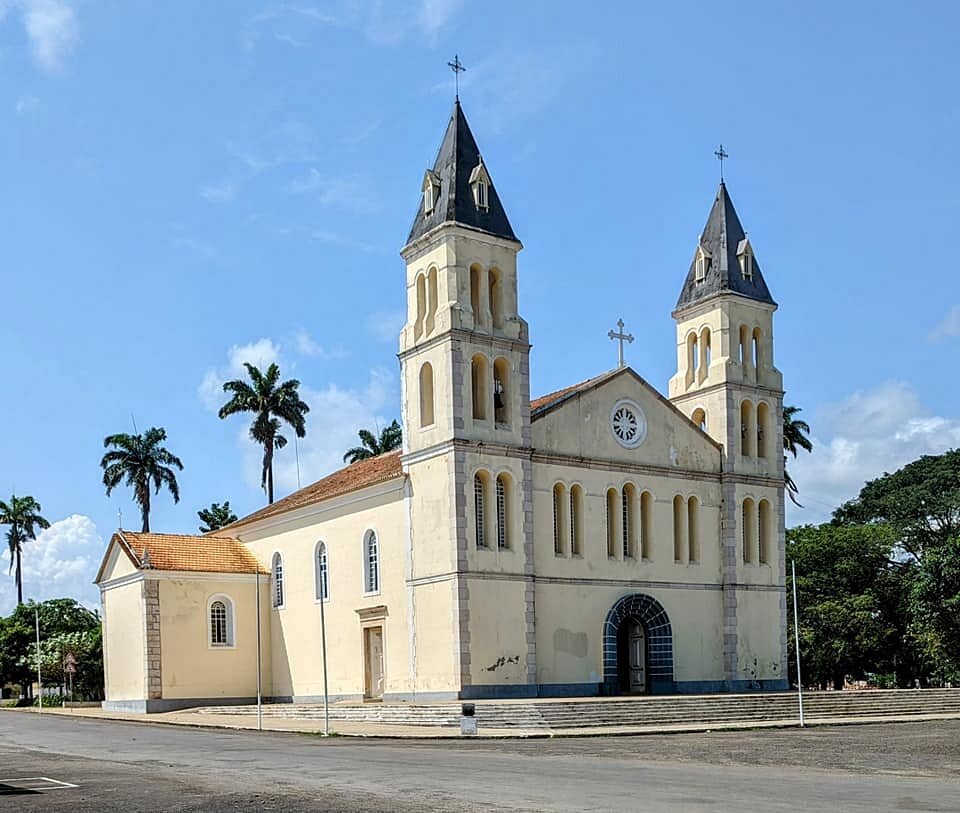
São Tomé and Príncipe is a small island nation located in the Gulf of Guinea, off the west coast of Central Africa, roughly 250 km from Gabon. The country consists of two main volcanic islands – São Tomé, the larger and more populated island, and Príncipe, a smaller and wilder island known for its remarkable biodiversity. Most travelers begin their trip on São Tomé island, where the capital São Tomé city and the country’s main international airport are located.


Reaching the islands requires a bit of planning, which is part of why they remain so unspoiled. The main gateway is São Tomé International Airport (TMS), with regular flights from Lisbon, Accra and occasionally other West African hubs. From Europe, the most common route is via Lisbon with TAP Air Portugal, while travelers coming from other parts of Africa often connect through Accra in Ghana.


If your itinerary includes Príncipe, you will typically fly from São Tomé on a short 40-minute domestic flight to Príncipe Airport near Santo António. These flights usually operate once or twice per day, making it easy to combine both islands within the same trip.

Our take: Flights to São Tomé are limited, so book early and build some flexibility into your itinerary, especially if you plan to continue to Príncipe.

How long to stay

Although São Tomé and Príncipe is a small country, distances can be slow to cover and many of the best experiences involve nature, beaches and remote landscapes. Most travelers find that the islands reward a slow travel pace, allowing time for hikes, plantation visits and relaxed exploration.

3–4 days
With a short stay, focus on São Tomé island. You can explore highlights such as São Tomé city, Lagoa Azul, a few historic roças and one or two rainforest hikes. This timeframe works if the islands are part of a broader trip in West Africa, but it only scratches the surface.

5–7 days
This is the most common length of stay and a very balanced option. It allows you to explore São Tomé properly — including the south of the island, beaches like Praia Jalé and rainforest areas of Ôbo Natural Park — and potentially add a short visit to Príncipe.

8–10 days or more
With more time, you can experience both islands at a slower rhythm. Spend several days exploring São Tomé’s landscapes and plantations, then continue to Príncipe, where untouched beaches, rainforest hikes and wildlife make it one of the most special islands in Africa.

Our take: If possible, plan at least one week. This gives you time to experience both São Tomé and Príncipe without rushing between places.

Getting around São Tomé and Príncipe

Getting around São Tomé and Príncipe is relatively straightforward, but it requires a bit of flexibility. The islands are small - São Tomé is about 50 km long - yet road conditions, especially outside the main routes, can make travel slower than expected. Most visitors explore the island by rental car, taxi or organized tours, depending on their comfort with local driving conditions.


Renting a car is one of the most common options for independent travelers. A 4x4 vehicle is recommended, especially for exploring the south or reaching remote beaches and hiking trails. Prices typically start around 1,200–1,600 STN per day (≈ €50–70 / $55–75), though renting through locals can sometimes be significantly cheaper.


Taxis and private drivers are widely available and often used for day trips. You can hire a driver for a full day of sightseeing for roughly 1,200–1,800 STN (€50–75 / $55–80), depending on the distance and itinerary. This can be a comfortable option if you prefer not to drive or want local insight along the way.

Guided tours are also common, particularly for visiting Ôbo Natural Park, remote waterfalls or historic roças. Prices vary depending on the activity, but a guided day trip typically costs around 1,500–2,000 STN (€60–85 / $65–90) per person.

Our take: Renting a 4×4 and exploring at your own pace gives the most freedom, but hiring a local driver for a day or two can add valuable context to what you see.

Where to stay

Accommodation in São Tomé and Príncipe ranges from simple guesthouses to beautifully restored plantation estates and a few upscale eco-lodges. Most travelers stay on São Tomé island, where the largest concentration of hotels and lodges can be found, while Príncipe offers a smaller but distinctive selection of nature-focused accommodations.

São Tomé City

São Tomé city is the most practical base, especially for short stays. Staying near the capital makes it easy to access restaurants, the airport and day trips around the island. Hotels here are generally mid-range, with prices typically around 1,500–3,500 STN per night (≈ €60–140 / $65–150) depending on the property and season. Among backpackers the Sweet Guesthouse is a popular choice.

Roças and Nature Lodges

For a more atmospheric stay, many travelers choose accommodation outside the capital. Historic roças - former cocoa plantations converted into boutique lodges - offer a unique window into the island’s history. At the same time, the south of São Tomé is home to several small beach and nature lodges near places like Praia Inhame, Praia Jalé and Porto Alegre, where jungle-covered mountains meet the ocean. Depending on the property, rooms typically range from 2,500–5,500 STN per night (≈ €100–220 / $110–240).

Príncipe

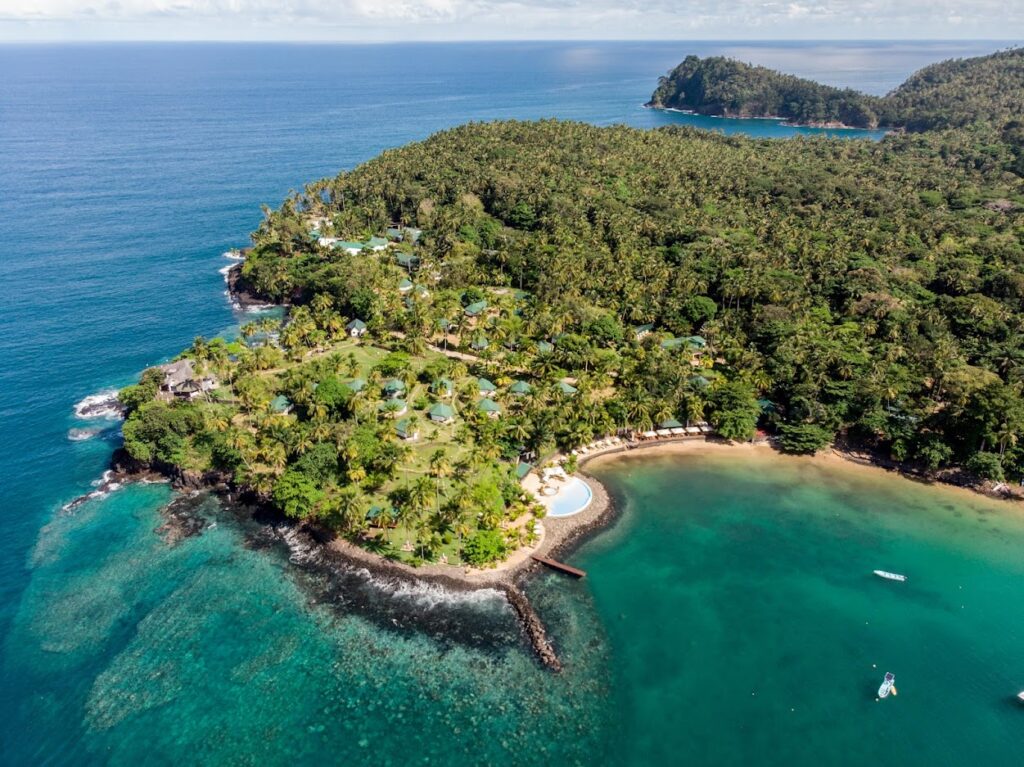
If you plan to visit Príncipe, accommodation is more limited but often deeply connected to nature. Small lodges and guesthouses offer peaceful surroundings close to rainforest and beaches, while the luxury Bom Bom Island Resort provides a more upscale experience. Prices on the island generally range from 3,000–9,000 STN per night (≈ €120–360 / $130–390) depending on the property.

What and where to eat in São Tomé and Príncipe

Food in São Tomé and Príncipe reflects the islands’ geography and history. The cuisine blends Portuguese influences with local tropical ingredients, with meals often centered around fresh fish, seafood, plantains, breadfruit and rich stews. Thanks to the surrounding Atlantic waters, fish such as garoupa (grouper), peixe voador (flying fish) and tuna appear frequently on menus, usually grilled and served with rice, vegetables or fried banana.

A few traditional dishes are worth trying during your trip. Calulu, one of the country’s most iconic meals, is a slow-cooked stew made with fish or meat, smoked fish, vegetables and palm oil. Another staple is feijão com banana, a comforting combination of beans and fried banana. A typical meal in a local restaurant usually costs around 150–300 STN (≈ €6–12 / $6.50–13) depending on the dish.

For a memorable experience, some travelers plan a meal at Roça São João dos Angolares, where chef João Carlos Silva has helped reinterpret traditional Santomean cuisine. The fixed-menu lunch here typically costs around 600–800 STN (≈ €25–32 / $27–35).

If you want a deeper look at traditional dishes, local specialties and the most interesting places to eat, our dedicated guide explores the food scene across the islands.

Through travelers’ eyes

Before you visit, it helps to see São Tomé and Príncipe as travelers actually experience it. These photos, shared by people who have explored the islands, capture everyday moments - from rainforest hikes and quiet beaches to village life and cocoa plantations - offering a more personal glimpse of what a trip here really looks like.

Travelers' tips

Sometimes the most helpful advice comes from people who have already experienced the destination. These tips from travelers who visited São Tomé and Príncipe share small insights, practical lessons and useful discoveries that can help you plan your trip and make the most of your time on the islands.

"The most amazing moments for me in Sao Tome and Principe have been when I have spent time with locals, stayed with families at Rocas, heard stories and lived like a local. Seeing kids play and laugh, and how simple, kind and happy people are (even in poor conditions) is so heart-warming."

"Sao Tome is a year-round destination with a tropical climate. Even during the rainy season, showers are usually short and scattered. We visited in December and only experienced a few hours of rain the entire time - plenty of sunshine to enjoy the beaches, hikes, and island life."

"Both US Dollars and Euros are widely accepted, but cash is essential. Most smaller lodges, restaurants, and markets do not accept credit cards. It's also a good idea to exchange some money into the local currency (Sao Tome and Principe dobra) for tips, small purchases, and local donations."

"Driving in Sao Tome island is fairly easy as there is only one main road that almost circle-navigates around the whole island and big plus is that there is very little traffic. In some areas roads are terrible, but in general it is ok and doable. Only in the most Southern point of the island the road is horrible. Unfortunately if you want to go to one of the best places to visit in Sao Tome you have to endure this shitty road. But trust me Jale Beach is worth it!"

"Traveling around the country, I kept wondering how it’s possible that so few people know about this place. I was amazed by its beauty and by how friendly and warm the locals were. This is truly a dream destination for nature lovers!"

"There aren’t many destinations where you feel like you’ve truly gone back in time, to a land of virgin rainforests and picture perfect beaches that have no other footprints on but your own. Most days we never saw another tourist outside the hotels, and it really did feel like we were some of the first explorers to ever set foot on the islands."

Practical tips for visiting São Tomé and Príncipe

Travel in São Tomé and Príncipe is generally relaxed and welcoming, but the islands remain a relatively remote destination. A few practical details can make your trip smoother and help you focus on enjoying the landscapes, culture and slower rhythm of island life.

  • Currency: The local currency is the São Tomé and Príncipe dobra (STN); cash is widely used and recommended.
  • ATMs: ATMs exist in São Tomé city, but machines occasionally run out of cash.
  • Cards: Credit cards are accepted in some hotels, but rarely in smaller restaurants.
  • Language: The official language is Portuguese, though basic English appears in tourism.
  • Driving: Roads vary in condition; 4×4 vehicles are helpful for southern areas.
  • Connectivity: Mobile signal is decent near towns but limited in remote areas.
  • Electricity: Power cuts can occur, though most hotels have generators.
  • Health: Mosquito repellent is useful, especially near rainforest areas.
  • Packing: Bring light clothing, hiking shoes and a rain jacket for tropical showers.

FAQs

Is São Tomé and Príncipe worth visiting?

Yes. São Tomé and Príncipe is one of the most rewarding destinations for travelers who enjoy nature, authenticity and slow travel. The islands combine rainforest, volcanic landscapes, quiet beaches and colonial heritage, all without mass tourism.

Is São Tomé and Príncipe safe for travelers?

The country is generally considered safe and peaceful for visitors. Crime rates are relatively low, especially outside the capital. As in any destination, basic precautions such as avoiding poorly lit areas at night are advisable.

Do I need a visa to visit São Tomé and Príncipe?

Many nationalities, including EU citizens, can enter visa-free for short stays. Requirements may change, so it’s best to confirm the latest entry rules with your embassy before traveling.

What language is spoken in São Tomé and Príncipe?

The official language is Portuguese, reflecting the country’s colonial history. In tourism-related places you may encounter some English or French, but learning a few Portuguese words is helpful.

What currency is used in São Tomé and Príncipe?

The local currency is the São Tomé and Príncipe dobra (STN). Cash is still widely used across the islands, especially in smaller restaurants, shops and rural areas.

How do you travel between São Tomé and Príncipe islands?

Travel between the islands is typically done by domestic flight, which takes about 40 minutes between São Tomé and Príncipe. Flights usually operate once or twice daily.

What is the best time to visit São Tomé and Príncipe?

The most popular travel periods are the dry seasons from June to September and December to February, when rainfall is lower and conditions are generally better for hiking and exploring the islands.

Can you visit both São Tomé and Príncipe in one trip?

Yes. Many travelers visit both islands in about one week. São Tomé offers more infrastructure and activities, while Príncipe is smaller, quieter and known for its pristine nature.

Is São Tomé and Príncipe expensive to visit?

Costs are moderate compared to many island destinations. Accommodation and imported goods can be relatively expensive, but local meals, taxis and activities remain affordable.

São Tomé and Principe travel guide

Last updated on March 11, 2026

Intro

Few places in the world feel as untouched and quietly magical as São Tomé and Príncipe. Set in the Gulf of Guinea, this small island nation rewards travelers with lush rainforests, dramatic volcanic peaks, empty tropical beaches and historic cocoa plantations, all wrapped in a relaxed rhythm of life that makes exploring the islands feel both adventurous and deeply peaceful.


This São Tomé and Príncipe travel guide brings together everything you need to start planning your trip. You will learn when to visit the islands, how to get there, how long to stay, where to base yourself and how to get around, as well as an overview of the best things to do in São Tomé and Príncipe, from exploring historic roças and hiking in Ôbo Natural Park to relaxing on remote beaches.


Whether you are researching how to travel to São Tomé and Príncipe for the first time or refining your itinerary, this guide will help you understand what makes the islands special and how to plan a trip that makes the most of your time there.

Who should visit

Despite its small size, São Tomé and Príncipe appeals to a very specific kind of traveler. The islands are not about luxury resorts, nightlife or fast-paced sightseeing. Instead, they reward visitors looking for nature, authenticity and a slower rhythm of travel, where the experience comes from exploring landscapes, culture and local life.

Nature lovers and wildlife enthusiasts

Few places in Africa offer such a dense concentration of tropical rainforest, endemic species and protected landscapes. Hiking in Ôbo Natural Park, spotting unique birds, and discovering waterfalls hidden deep in the forest are highlights for travelers drawn to nature and biodiversity.

Travelers looking for off-the-beaten-path destinations

São Tomé and Príncipe remains one of the least visited countries in the world, which means travel here still feels authentic and uncrowded. If you enjoy discovering places before mass tourism arrives, the islands offer a rare sense of exploration.

History and culture curious travelers

The islands’ history is deeply tied to Portuguese colonial heritage and cocoa production. Visiting historic roças (plantation estates) such as Roça São João dos Angolares or Roça Sundy reveals fascinating stories about the past and how these spaces are being reimagined today.

Slow travelers and beach explorers

Life moves gently on these islands. Travelers who enjoy quiet beaches, scenic drives, long lunches and relaxed exploration will feel at home. Many of the most beautiful beaches are remote and uncrowded, rewarding those willing to explore a little.

Our take: São Tomé and Príncipe is perfect for travelers who value nature, authenticity and discovery over polished tourism infrastructure and busy attractions.

Best things to do in São Tomé and Príncipe

Travel in São Tomé and Príncipe revolves around nature, history and slow discovery. Most experiences on the islands are tied to the landscape – from rainforest hikes and cocoa plantations to remote beaches and small fishing villages. Rather than rushing between attractions, the best way to explore is to move slowly and let the islands reveal themselves.

  • Hike in Ôbo Natural Park: covering a large part of São Tomé, Ôbo Natural Park protects one of the most biodiverse rainforests in Africa. Guided hikes lead to waterfalls, volcanic viewpoints and areas rich in endemic bird species.
  • Visit historic cocoa plantations (roças): the islands were once among the world’s largest cocoa producers. Today, many historic roças such as Roça São João dos Angolares or Roça Sundy can be visited, offering insight into plantation history and contemporary cultural projects.
  • Explore volcanic beaches and coastal landscapes: the coastline is dotted with black volcanic beaches, dramatic cliffs and quiet fishing villages. Places like Praia Jalé, Praia Piscina and Lagoa Azul are among the most beautiful coastal spots on the island.
  • Discover the island of Príncipe: smaller and wilder than São Tomé, Príncipe is known for its untouched landscapes and remarkable biodiversity. Many travelers consider it one of the most special islands in Africa.

For a deeper look at the most rewarding experiences – including hidden beaches, rainforest hikes and cultural sites – our dedicated guide breaks down the best things to do across both islands.

How long to stay

Although São Tomé and Príncipe is a small country, distances can be slow to cover and many of the best experiences involve nature, beaches and remote landscapes. Most travelers find that the islands reward a slow travel pace, allowing time for hikes, plantation visits and relaxed exploration.

3–4 days
With a short stay, focus on São Tomé island. You can explore highlights such as São Tomé city, Lagoa Azul, a few historic roças and one or two rainforest hikes. This timeframe works if the islands are part of a broader trip in West Africa, but it only scratches the surface.

5–7 days
This is the most common length of stay and a very balanced option. It allows you to explore São Tomé properly — including the south of the island, beaches like Praia Jalé and rainforest areas of Ôbo Natural Park — and potentially add a short visit to Príncipe.

8–10 days or more
With more time, you can experience both islands at a slower rhythm. Spend several days exploring São Tomé’s landscapes and plantations, then continue to Príncipe, where untouched beaches, rainforest hikes and wildlife make it one of the most special islands in Africa.

Our take: If possible, plan at least one week. This gives you time to experience both São Tomé and Príncipe without rushing between places.

What and where to eat in São Tomé and Príncipe

Food in São Tomé and Príncipe reflects the islands’ geography and history. The cuisine blends Portuguese influences with local tropical ingredients, with meals often centered around fresh fish, seafood, plantains, breadfruit and rich stews. Thanks to the surrounding Atlantic waters, fish such as garoupa (grouper), peixe voador (flying fish) and tuna appear frequently on menus, usually grilled and served with rice, vegetables or fried banana.

A few traditional dishes are worth trying during your trip. Calulu, one of the country’s most iconic meals, is a slow-cooked stew made with fish or meat, smoked fish, vegetables and palm oil. Another staple is feijão com banana, a comforting combination of beans and fried banana. A typical meal in a local restaurant usually costs around 150–300 STN (≈ €6–12 / $6.50–13) depending on the dish.

For a memorable experience, some travelers plan a meal at Roça São João dos Angolares, where chef João Carlos Silva has helped reinterpret traditional Santomean cuisine. The fixed-menu lunch here typically costs around 600–800 STN (≈ €25–32 / $27–35).

If you want a deeper look at traditional dishes, local specialties and the most interesting places to eat, our dedicated guide explores the food scene across the islands.

Practical tips for visiting São Tomé and Príncipe

Travel in São Tomé and Príncipe is generally relaxed and welcoming, but the islands remain a relatively remote destination. A few practical details can make your trip smoother and help you focus on enjoying the landscapes, culture and slower rhythm of island life.

  • Currency: The local currency is the São Tomé and Príncipe dobra (STN); cash is widely used and recommended.
  • ATMs: ATMs exist in São Tomé city, but machines occasionally run out of cash.
  • Cards: Credit cards are accepted in some hotels, but rarely in smaller restaurants.
  • Language: The official language is Portuguese, though basic English appears in tourism.
  • Driving: Roads vary in condition; 4×4 vehicles are helpful for southern areas.
  • Connectivity: Mobile signal is decent near towns but limited in remote areas.
  • Electricity: Power cuts can occur, though most hotels have generators.
  • Health: Mosquito repellent is useful, especially near rainforest areas.
  • Packing: Bring light clothing, hiking shoes and a rain jacket for tropical showers.

Through travelers’ eyes

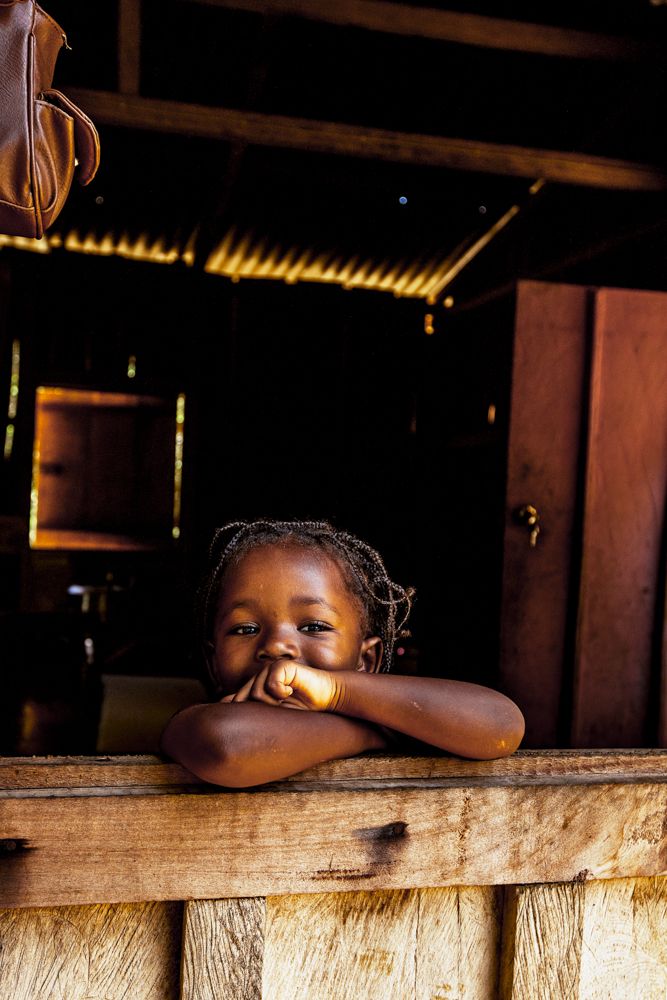
Before you visit, it helps to see São Tomé and Príncipe as travelers actually experience it. These photos, shared by people who have explored the islands, capture everyday moments - from rainforest hikes and quiet beaches to village life and cocoa plantations - offering a more personal glimpse of what a trip here really looks like.

Travelers' tips

Sometimes the most helpful advice comes from people who have already experienced the destination. These tips from travelers who visited São Tomé and Príncipe share small insights, practical lessons and useful discoveries that can help you plan your trip and make the most of your time on the islands.

"The most amazing moments for me in Sao Tome and Principe have been when I have spent time with locals, stayed with families at Rocas, heard stories and lived like a local. Seeing kids play and laugh, and how simple, kind and happy people are (even in poor conditions) is so heart-warming."

"Sao Tome is a year-round destination with a tropical climate. Even during the rainy season, showers are usually short and scattered. We visited in December and only experienced a few hours of rain the entire time - plenty of sunshine to enjoy the beaches, hikes, and island life."

"Both US Dollars and Euros are widely accepted, but cash is essential. Most smaller lodges, restaurants, and markets do not accept credit cards. It's also a good idea to exchange some money into the local currency (Sao Tome and Principe dobra) for tips, small purchases, and local donations."

"Driving in Sao Tome island is fairly easy as there is only one main road that almost circle-navigates around the whole island and big plus is that there is very little traffic. In some areas roads are terrible, but in general it is ok and doable. Only in the most Southern point of the island the road is horrible. Unfortunately if you want to go to one of the best places to visit in Sao Tome you have to endure this shitty road. But trust me Jale Beach is worth it!"

"Traveling around the country, I kept wondering how it’s possible that so few people know about this place. I was amazed by its beauty and by how friendly and warm the locals were. This is truly a dream destination for nature lovers!"

"There aren’t many destinations where you feel like you’ve truly gone back in time, to a land of virgin rainforests and picture perfect beaches that have no other footprints on but your own. Most days we never saw another tourist outside the hotels, and it really did feel like we were some of the first explorers to ever set foot on the islands."

FAQs

Is São Tomé and Príncipe worth visiting?

Yes. São Tomé and Príncipe is one of the most rewarding destinations for travelers who enjoy nature, authenticity and slow travel. The islands combine rainforest, volcanic landscapes, quiet beaches and colonial heritage, all without mass tourism.

Is São Tomé and Príncipe safe for travelers?

The country is generally considered safe and peaceful for visitors. Crime rates are relatively low, especially outside the capital. As in any destination, basic precautions such as avoiding poorly lit areas at night are advisable.

Do I need a visa to visit São Tomé and Príncipe?

Many nationalities, including EU citizens, can enter visa-free for short stays. Requirements may change, so it’s best to confirm the latest entry rules with your embassy before traveling.

What language is spoken in São Tomé and Príncipe?

The official language is Portuguese, reflecting the country’s colonial history. In tourism-related places you may encounter some English or French, but learning a few Portuguese words is helpful.

What currency is used in São Tomé and Príncipe?

The local currency is the São Tomé and Príncipe dobra (STN). Cash is still widely used across the islands, especially in smaller restaurants, shops and rural areas.

How do you travel between São Tomé and Príncipe islands?

Travel between the islands is typically done by domestic flight, which takes about 40 minutes between São Tomé and Príncipe. Flights usually operate once or twice daily.

What is the best time to visit São Tomé and Príncipe?

The most popular travel periods are the dry seasons from June to September and December to February, when rainfall is lower and conditions are generally better for hiking and exploring the islands.

Can you visit both São Tomé and Príncipe in one trip?

Yes. Many travelers visit both islands in about one week. São Tomé offers more infrastructure and activities, while Príncipe is smaller, quieter and known for its pristine nature.

Is São Tomé and Príncipe expensive to visit?

Costs are moderate compared to many island destinations. Accommodation and imported goods can be relatively expensive, but local meals, taxis and activities remain affordable.

HELP US IMPROVE

How likely are you to recommend Know to Travel to a friend or fellow traveler?

Not likely at all
Extremely likely