Best time to visit São Tomé and Principe

Last updated on March 11, 2026

Intro

When is the best time to visit São Tomé and Príncipe? The answer depends on what you want from your trip. There are few places where you can swim in warm Atlantic water in the morning, hike through rainforest after lunch, and fall asleep to jungle sounds at night – and São Tomé and Príncipe is one of them.


Because the islands sit almost on the Equator, temperatures stay stable year round, usually between 24°C and 30°C. What changes most is rainfall, which varies significantly depending on the month and which side of the islands you are on.


In this guide, you’ll learn how the long dry season (gravana) compares with the wetter months, how rain and humidity affect hiking, beaches and road conditions, when seas are calmer for boat trips and diving, and when flights and accommodation become harder to find.


If you’re planning a trip and want to match the timing with your priorities – trekking, wildlife, diving, or simply relaxing on quiet beaches – this guide will help you choose the best time to go.

By type of traveler

Your ideal timing in São Tomé and Príncipe depends less on temperature and more on what you want to do each day. Rain, sea conditions and road access affect hikes, boat trips and remote beaches differently. Here’s how the seasons align with different travel priorities.

For hikers and nature lovers

If your focus is trails like Pico Cão Grande viewpoints, Lagoa Amélia or the southern rainforest, the long dry season (June to September) is the most practical. Paths are less muddy, river crossings are easier and leeches are less of a concern. Visibility from viewpoints is also more reliable, which matters in a place where clouds can roll in quickly.

For beach time and relaxed travel

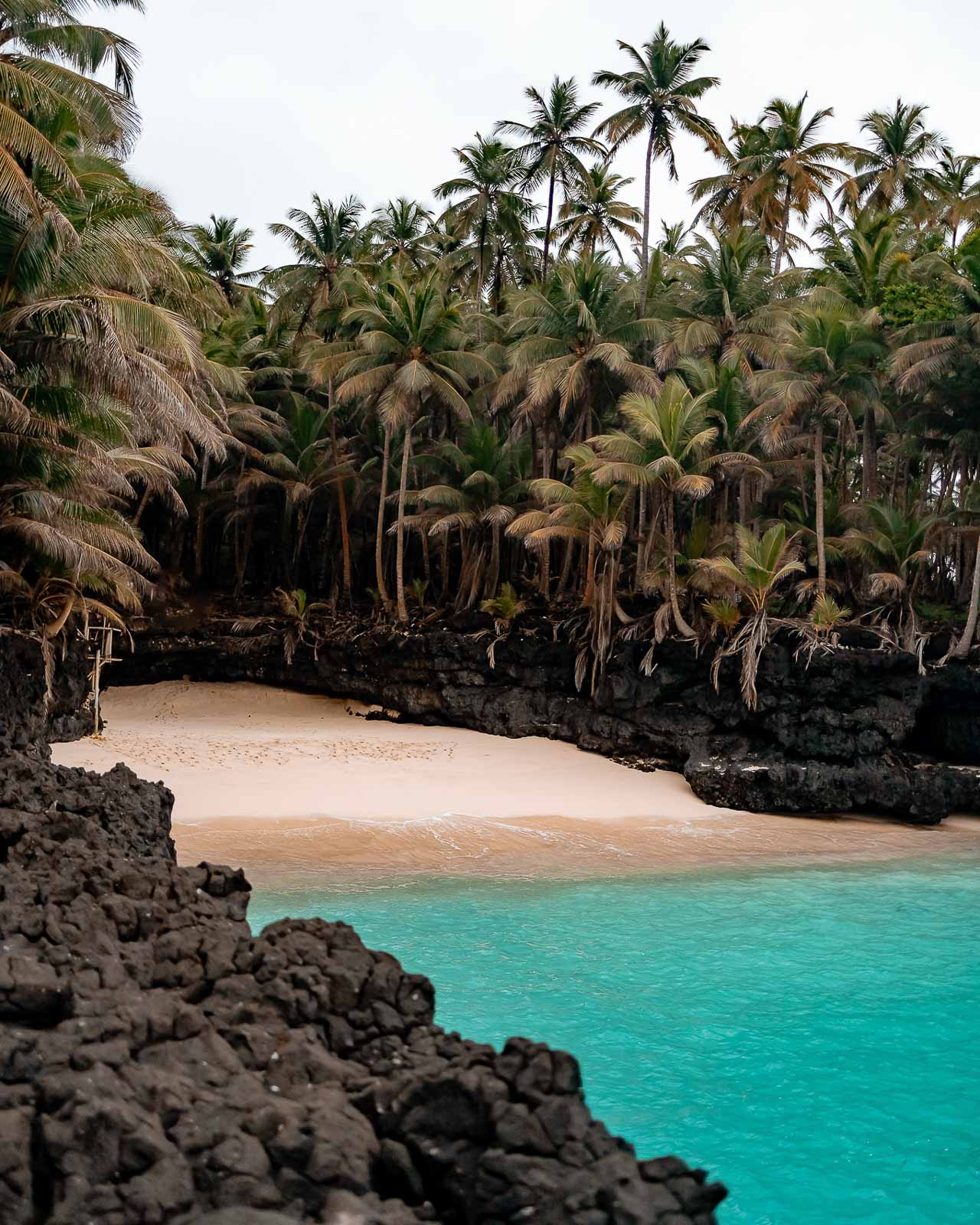
Beach conditions vary by coast, but overall the dry months offer more predictable days for swimming and coastal walks. During the rainy season, you can still enjoy the sea, but expect sudden showers and less stable skies. If your goal is slow mornings, reading by the water and minimal weather stress, June to September is simpler.

For diving and snorkeling

Underwater visibility tends to be better during the drier months, particularly July to September, when rainfall runoff is lower. Sea conditions can vary depending on swell, so flexibility helps. In wetter months, diving is still possible, but visibility may decrease after heavy rain, especially near river mouths.

For wildlife enthusiasts

If you are interested in turtle nesting, birdlife or lush rainforest ecosystems, the rainy months bring more intense greenery and active landscapes. Waterfalls are stronger and the forest feels alive. However, access to remote areas may require patience, and some roads in the south can become challenging after h

For budget conscious travelers

Outside the dry peak months, especially during heavier rain periods like April and May, accommodation availability improves and some guesthouses are more flexible on rates. Flights are limited year round, but shoulder periods can offer slightly better pricing. You trade predictability for fewer visitors and potentially lower costs.

FAQs

What is the best month to visit São Tomé and Príncipe?

There is no single best month, but July to September are usually the most stable for hiking, road access and planning boat trips. Rain is lower and logistics are easier. If you accept rain in exchange for fewer visitors, April or November can also work.

Is it worth visiting during the rainy season?

Yes, if you stay flexible. Rain often comes in heavy bursts rather than constant drizzle. Landscapes are greener and waterfalls stronger. However, humidity is higher and some southern roads may be harder to navigate.

When is the sea calmest?

Sea conditions are generally more predictable in the dry season, especially mid year. That said, swells can vary by coast and week. Always confirm locally before boat trips, especially during transitional months.

When is turtle nesting season?

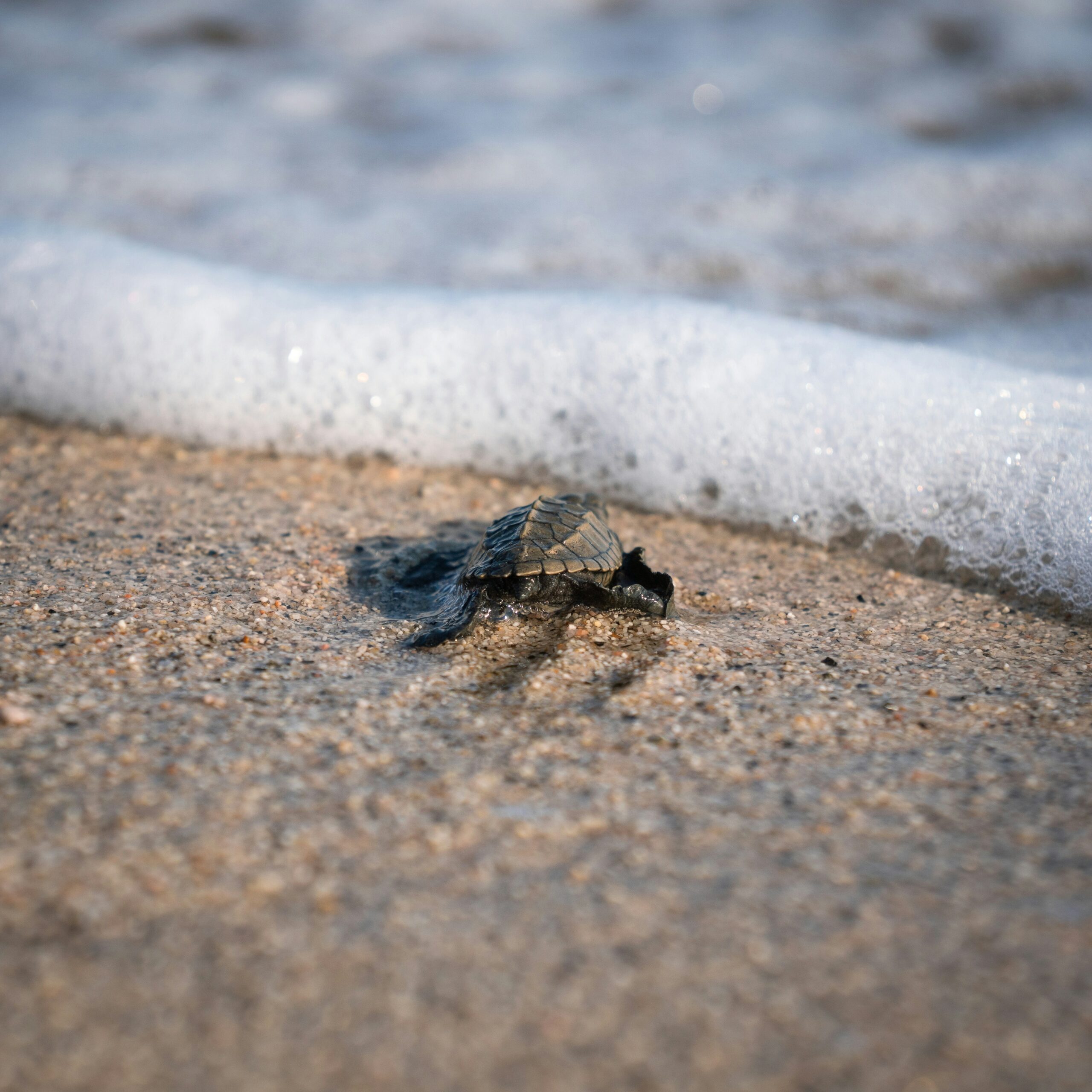
Turtle nesting typically runs from November to March. Night visits should be done with licensed guides. Expect humid weather and occasional rain, but it can be a strong reason to travel during wetter months.

Are flights seasonal?

Flight frequency is limited year round and does not increase dramatically by season. However, seats can fill faster during the dry months and around July holidays, so booking in advance is recommended.

Does it rain all day in April and May?

Not usually. These are among the wettest months, but rain often comes in intense showers rather than lasting all day. Still, you should expect some plans to shift due to weather.

Is the dry season very hot?

Temperatures remain relatively stable throughout the year, generally between **24°C and 30°C**. The difference is rainfall, not heat. Humidity may feel slightly more comfortable in the dry months.

When are prices highest?

Rates tend to be firmer during June to September and around major holidays. Outside these periods, especially in heavier rain months, smaller guesthouses may be more flexible.

Can I visit Príncipe year round?

Yes, but rain can affect boat schedules and certain trails. During the dry season, movement is easier. In rainy months, plan extra buffer time in case of weather related changes.

Best time to visit São Tomé and Principe

Last updated on March 11, 2026

Intro

When is the best time to visit São Tomé and Príncipe? The answer depends on what you want from your trip. There are few places where you can swim in warm Atlantic water in the morning, hike through rainforest after lunch, and fall asleep to jungle sounds at night – and São Tomé and Príncipe is one of them.


Because the islands sit almost on the Equator, temperatures stay stable year round, usually between 24°C and 30°C. What changes most is rainfall, which varies significantly depending on the month and which side of the islands you are on.


In this guide, you’ll learn how the long dry season (gravana) compares with the wetter months, how rain and humidity affect hiking, beaches and road conditions, when seas are calmer for boat trips and diving, and when flights and accommodation become harder to find.


If you’re planning a trip and want to match the timing with your priorities – trekking, wildlife, diving, or simply relaxing on quiet beaches – this guide will help you choose the best time to go.

By season

Because São Tomé and Príncipe sits almost on the Equator, temperatures barely change through the year. What changes is rain intensity, humidity, sea conditions and road access, especially on the southern part of São Tomé. Below is what each period realistically feels like on the ground.

Long rainy season (October to May) This is the wettest stretch, with April and May usually seeing the heaviest rainfall. Expect frequent downpours, often intense but not always all day. Humidity is high and some unpaved roads, especially toward the south and interior, can become muddy or harder to access. On the plus side, landscapes are very green, waterfalls are stronger and tourism numbers are low.
Short dry season - Gravanito (January to February) Rainfall decreases compared to the surrounding months, though showers still occur. It is a transitional period with slightly more stable mornings and occasional afternoon rain. Sea conditions are generally decent and hiking is possible in most areas, though humidity remains high. It is a balanced option within the broader rainy cycle.
Long dry season - Gravana (June to September) This is the driest and most stable period. Rainfall drops significantly, skies are often clearer and humidity feels more manageable. Hiking trails are easier to navigate and roads are in better condition. The ocean can be rougher on some coasts due to southern swells, but overall it is the most predictable period for outdoor plans.
Short rainy season (October to November) Rain begins to return after the dry months, with increasing frequency and intensity. Vegetation becomes lush again and waterfalls regain strength. Tourist numbers remain moderate. Travel logistics are usually still manageable, but you should expect occasional heavy showers that may alter daily plans.

Our take: If it’s your first trip and you want easier logistics and more reliable weather, aim for June to September; if you prefer fewer visitors and don’t mind rain, April or November can work well.

By type of traveler

Your ideal timing in São Tomé and Príncipe depends less on temperature and more on what you want to do each day. Rain, sea conditions and road access affect hikes, boat trips and remote beaches differently. Here’s how the seasons align with different travel priorities.

For hikers and nature lovers

If your focus is trails like Pico Cão Grande viewpoints, Lagoa Amélia or the southern rainforest, the long dry season (June to September) is the most practical. Paths are less muddy, river crossings are easier and leeches are less of a concern. Visibility from viewpoints is also more reliable, which matters in a place where clouds can roll in quickly.

For beach time and relaxed travel

Beach conditions vary by coast, but overall the dry months offer more predictable days for swimming and coastal walks. During the rainy season, you can still enjoy the sea, but expect sudden showers and less stable skies. If your goal is slow mornings, reading by the water and minimal weather stress, June to September is simpler.

For diving and snorkeling

Underwater visibility tends to be better during the drier months, particularly July to September, when rainfall runoff is lower. Sea conditions can vary depending on swell, so flexibility helps. In wetter months, diving is still possible, but visibility may decrease after heavy rain, especially near river mouths.

For wildlife enthusiasts

If you are interested in turtle nesting, birdlife or lush rainforest ecosystems, the rainy months bring more intense greenery and active landscapes. Waterfalls are stronger and the forest feels alive. However, access to remote areas may require patience, and some roads in the south can become challenging after h

For budget conscious travelers

Outside the dry peak months, especially during heavier rain periods like April and May, accommodation availability improves and some guesthouses are more flexible on rates. Flights are limited year round, but shoulder periods can offer slightly better pricing. You trade predictability for fewer visitors and potentially lower costs.

Seasonal events worth planning around

Beyond weather, a few cultural, religious and natural cycles can influence when it makes sense to visit São Tomé and Príncipe. Some affect logistics, others shape the atmosphere on the islands. None are mass tourism events, but they can meaningfully change your experience.

Independence Day - 12 July

The country celebrates independence from Portugal on 12 July with official ceremonies, music, parades and community gatherings, especially in São Tomé city. Government offices close and some services operate on reduced hours. It is one of the most nationally significant dates and gives insight into local identity and pride.

São Tomé City Festivities - around 21 December

The capital marks its municipal holiday close to 21 December. Expect concerts, cultural performances and local celebrations concentrated in and around the city center. Accommodation in São Tomé city can be busier than usual, though the rest of the island remains relatively calm.

Santo António Festivities - June (Príncipe)

On Príncipe, Santo António celebrations in June are among the most important local events. There are religious processions, music and communal meals. If you are visiting Príncipe specifically, this period brings more movement and social energy to an otherwise very quiet island.

Tchiloli Performances - variable dates

Tchiloli, a traditional theatrical performance blending Portuguese medieval drama with local interpretation, is staged during festive periods and community events. Dates are not fixed and often linked to religious celebrations. Seeing one requires flexibility but adds cultural depth to your trip.

Cocoa Harvest - roughly August to October

Cocoa is central to the islands’ history. During harvest months, some roças are more active, and visits to plantations can feel more dynamic. You may see fermentation and drying processes underway. It is not a festival, but it changes the rhythm of rural areas.

Turtle Nesting Season - roughly November to March

Several beaches host nesting sea turtles during these months. Organized night walks with licensed guides are possible in certain areas. Weather is wetter overall, so expect rain risk, but wildlife experiences can be a strong reason to travel in this period.

Whale and Dolphin Sightings - variable, often mid year

Boat operators report higher chances of sightings during parts of the drier season, though this is never guaranteed. Sea conditions tend to be more stable between June and September, which can make boat excursions more comfortable and safer.

Religious Holidays - Easter and Christmas

As a predominantly Christian country, Easter and Christmas are observed nationwide. Services take place across towns and villages. Some shops and restaurants may close or operate on reduced hours. Travel is still possible, but you should plan logistics in advance.

To understand how to structure your days around these periods, from plantation visits to hikes and beaches, read our detailed activities guide in the button below.

Our take: If you want culture and local energy, consider aligning your trip with July or June celebrations. If wildlife is your priority, the turtle nesting season between November and March can be rewarding, even though conditions tend to be wetter.

Practical tips to choose when to visit

Choosing the right period is mostly about aligning weather patterns with your priorities. These quick checks help you decide objectively.

  • Prioritize hiking: Choose June to September for drier trails and clearer viewpoints.
  • Focused on beaches: Dry months bring more predictable sun and easier planning.
  • Want fewer visitors: April, May and November are quieter but wetter.
  • Chasing turtles: Plan for November to March and book licensed guides early.
  • Sensitive to humidity: Avoid peak rainy months when air feels heavier.
  • Driving south often: Dry season reduces mud and rough road delays.
  • Flexible schedule: Rainy months work well if you can adjust daily plans.
  • Budget conscious: Shoulder and rainy months may offer better lodging rates.

FAQs

What is the best month to visit São Tomé and Príncipe?

There is no single best month, but July to September are usually the most stable for hiking, road access and planning boat trips. Rain is lower and logistics are easier. If you accept rain in exchange for fewer visitors, April or November can also work.

Is it worth visiting during the rainy season?

Yes, if you stay flexible. Rain often comes in heavy bursts rather than constant drizzle. Landscapes are greener and waterfalls stronger. However, humidity is higher and some southern roads may be harder to navigate.

When is the sea calmest?

Sea conditions are generally more predictable in the dry season, especially mid year. That said, swells can vary by coast and week. Always confirm locally before boat trips, especially during transitional months.

When is turtle nesting season?

Turtle nesting typically runs from November to March. Night visits should be done with licensed guides. Expect humid weather and occasional rain, but it can be a strong reason to travel during wetter months.

Are flights seasonal?

Flight frequency is limited year round and does not increase dramatically by season. However, seats can fill faster during the dry months and around July holidays, so booking in advance is recommended.

Does it rain all day in April and May?

Not usually. These are among the wettest months, but rain often comes in intense showers rather than lasting all day. Still, you should expect some plans to shift due to weather.

Is the dry season very hot?

Temperatures remain relatively stable throughout the year, generally between **24°C and 30°C**. The difference is rainfall, not heat. Humidity may feel slightly more comfortable in the dry months.

When are prices highest?

Rates tend to be firmer during June to September and around major holidays. Outside these periods, especially in heavier rain months, smaller guesthouses may be more flexible.

Can I visit Príncipe year round?

Yes, but rain can affect boat schedules and certain trails. During the dry season, movement is easier. In rainy months, plan extra buffer time in case of weather related changes.

HELP US IMPROVE

How likely are you to recommend Know to Travel to a friend or fellow traveler?

Not likely at all
Extremely likely