What and where to eat in São Tomé

Last updated on March 11, 2026

Intro

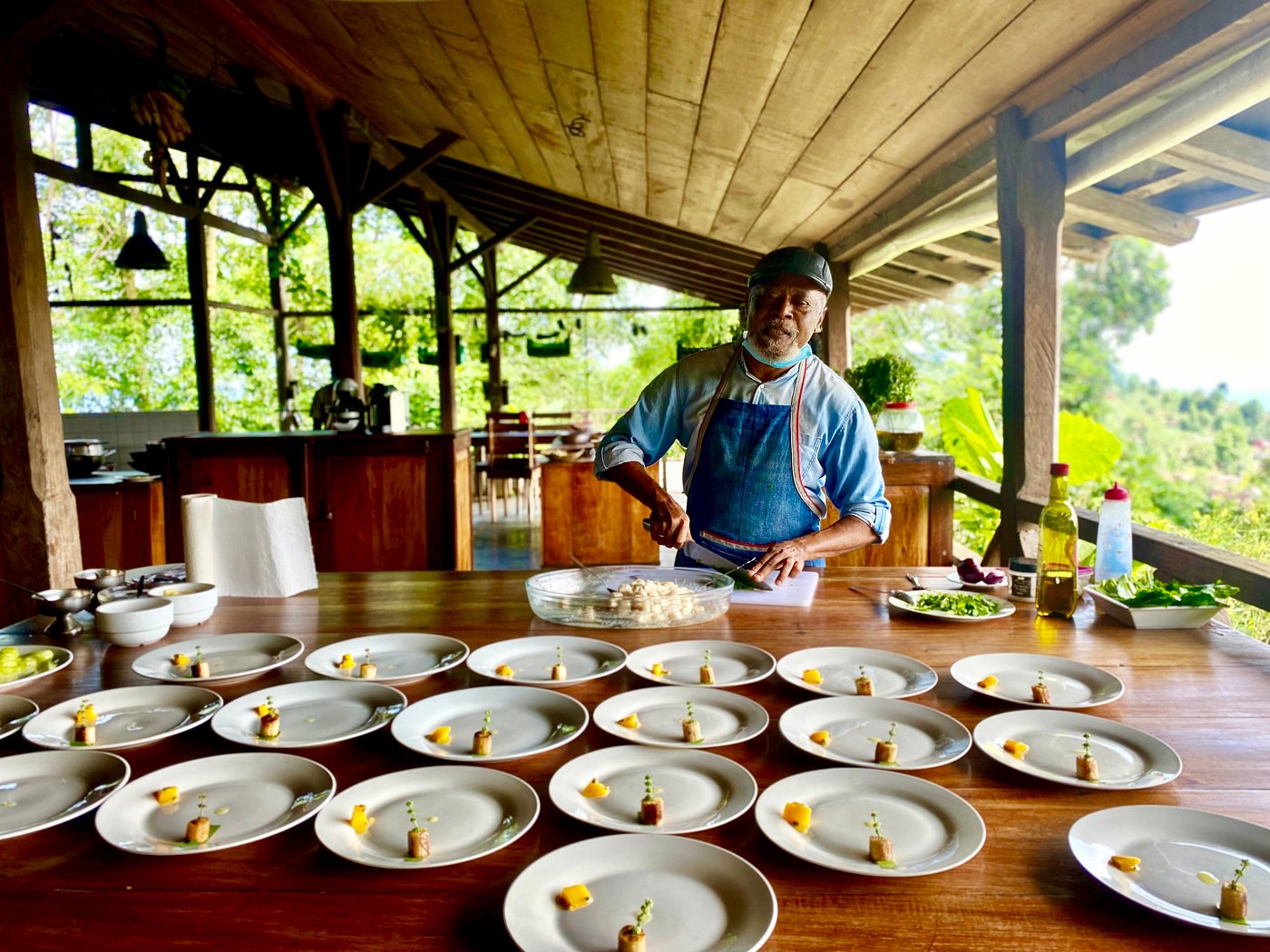
Few places let you eat freshly grilled fish caught the same morning, taste locally grown cocoa in the afternoon, and finish with a simple beachside dinner under the stars – and São Tomé and Príncipe does exactly that.


This guide focuses on what to order, where to find it and what to expect to pay. You’ll see which dishes are traditional, which restaurants are reliable in São Tomé city and where to eat in the south. We’ll also cover practical details like opening patterns, portion sizes and how limited menus can be outside the capital.


Food here is straightforward and based on what the islands produce: fish, bananas, breadfruit, cassava, beans and cocoa. Menus are often simple, but the freshness of the ingredients and the ocean-to-table seafood make meals surprisingly memorable.

What and where to eat

Food in São Tomé and Príncipe is based on what the islands produce daily: fish, tropical fruit, cassava, beans and cocoa. Menus are often short and depend on availability. These are the dishes and experiences you should actively look for.

Grilled fish (peixe grelhado)

Usually whole fish, simply seasoned with salt, garlic and lemon, grilled over charcoal and served with rice, salad or fried banana. Varieties depend on the catch of the day. It is the most consistent and reliable choice across the islands, especially in coastal areas.


Where to eat: O Pirata (São Tomé city), Santana beach restaurants, Praia Inhame lodge, small village eateries along the south road.

Calulu

A traditional slow cooked dish made with fish or meat, palm oil, okra, eggplant, greens and spices. Texture is thick and served with rice or funge. Preparation takes time, so it may not always be available without prior notice.


Where to eat: Roça São João dos Angolares, local restaurants in São Tomé city, some guesthouse kitchens on request.

Octopus stew (polvo guisado)

Octopus cooked slowly with tomato, onion, garlic and herbs. It is less common than grilled fish but worth ordering when available, especially near fishing communities!


Where to eat: Coastal restaurants in Santana, selected city restaurants depending on daily supply like Papa Figos.

Chicken with breadfruit

Roasted or stewed chicken served with boiled or fried breadfruit, a local staple. Breadfruit has a dense texture and replaces potatoes. Common in home style kitchens rather than tourist focused spots.


Where to eat: Small family run restaurants in São Tomé city neighborhoods, rural guesthouses in the south.

Fried banana and cassava sides

Often served alongside fish or meat. Banana is slightly sweet and firm, cassava more neutral and starchy. These are standard accompaniments and part of most traditional meals.


Where to eat: Available in most local restaurants, especially outside the capital center.

Fresh tuna steak

When tuna is available, it is often grilled as thick steaks. Quality depends on daily catch, but when fresh it is one of the best value options on the menu.


Where to eat: O Pirata (São Tomé city), Santana coastal spots, some Príncipe lodges.

Local chocolate tasting

São Tomé cocoa is historically significant. Small producers offer bars with high cocoa percentages and distinct flavor profiles. It is more of a tasting stop than a full meal.


Where to eat: Claudio Corallo chocolate project, boutique shops in São Tomé city such as Diogo Vaz Chocolate, some plantation visits such as Roça Monte Café.

Tropical fruit

One of the simple pleasures of visiting São Tomé is the incredible fruit. Thanks to the island’s tropical climate and fertile volcanic soil, fruit here is exceptionally fresh and flavorful. Breakfast often includes a colorful plate of papaya, banana, pineapple and sometimes passion fruit, usually served at guesthouses and small lodges.


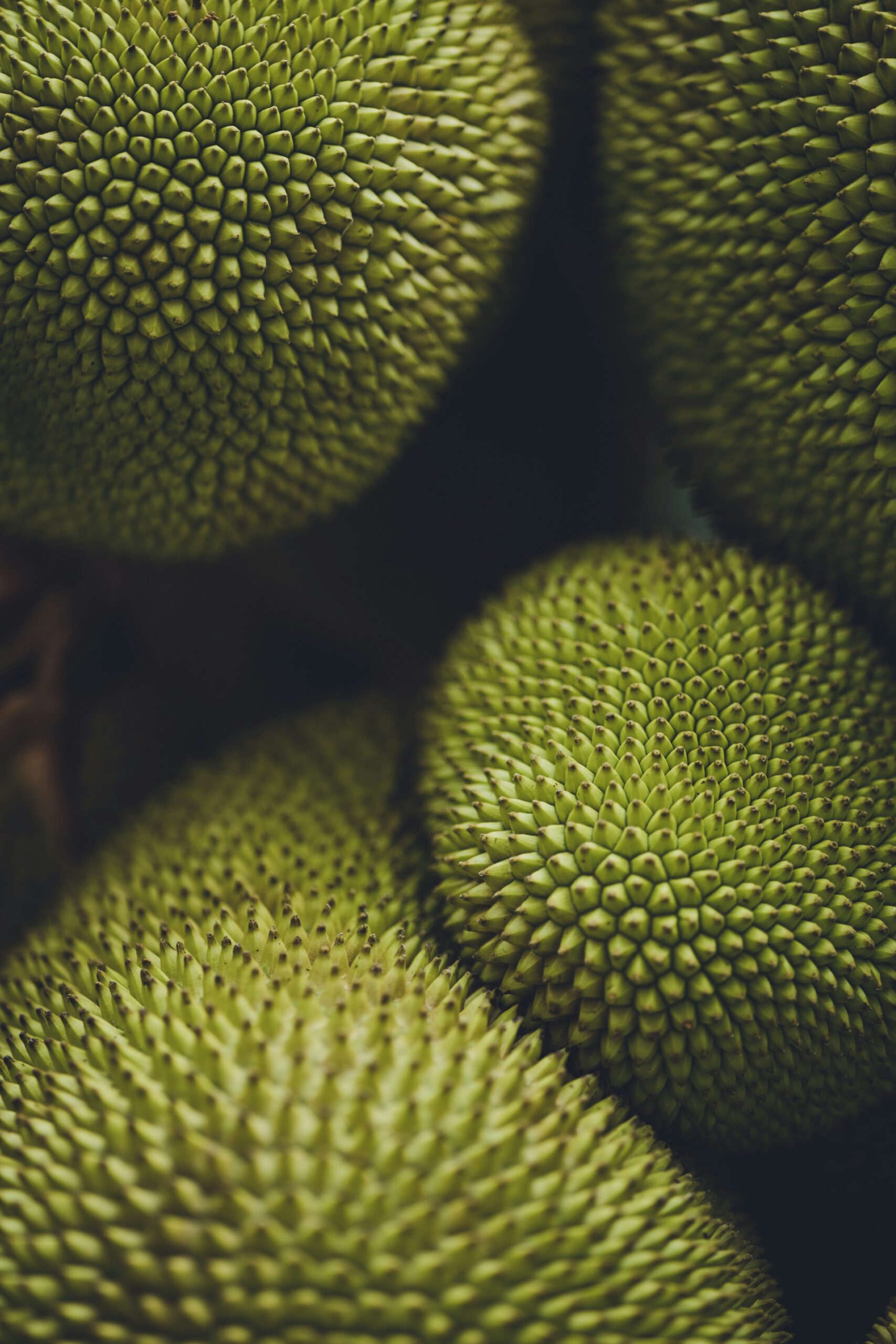
Beyond the classics, keep an eye out for local favorites like soursop (graviola), known for its creamy sweet-tart flavor, jackfruit, one of the largest tropical fruits in the world, and star fruit, which grows widely on the islands. If you see something unfamiliar, it’s almost always worth trying.


Where to eat: Hotel breakfasts, local cafés in São Tomé city, rural lodges across both islands.

Santola crab

Trying santola (local crab) is one of the most fun and memorable seafood experiences in São Tomé. The crab is usually served whole and simply cooked with garlic, onion and spices, making it a deliciously hands-on meal often enjoyed by the coast.


Where to eat: Restaurants in Neves (Petisqueira Santola), a fishing town on the northwest coast known for crab dishes, as well as small coastal eateries where seafood follows the daily catch. Santola is most commonly available between October and March, but always ask locally as availability depends on the catch.

Our take: If you’re unsure what to order, fresh grilled fish is always the safest and most reliable choice – just ask what was caught that day. But don’t stop there. Try local dishes like calulu, octopus stew or chicken with breadfruit to experience the island’s traditional flavors, and make sure to include a chocolate tasting at one of São Tomé’s cocoa projects. Between the seafood, tropical fruit and world-class cocoa, food here becomes part of the cultural experience of the islands.

When and how to eat

Meal times in São Tomé and Príncipe are generally straightforward, but not always flexible. Lunch is typically served between 12:00 and 14:30, and dinner from 18:30 or 19:00 onward. Outside São Tomé city, some restaurants close early or only cook if there are enough guests. It is common to ask in advance if dinner is available, especially in remote areas.

Menus are often short and based on what is available that day. Fish depends on the morning catch, and some traditional dishes like calulu require advance preparation. It is normal for staff to tell you what is possible rather than hand over a long menu.

Reservations are not always required in the capital, but they are recommended in lodges, plantation restaurants and during the dry season. Card payments are accepted in some hotels and larger restaurants, but cash is still important, particularly outside the city.

Tipping is not strictly formalized. Rounding up or leaving around 5 to 10 percent for good service is appreciated but not mandatory. Dress codes are relaxed almost everywhere.

Our take: Ask what is available before sitting down, confirm cooking time and always carry cash, especially if you plan to eat outside São Tomé city.

Travelers' tips

"We even stopped for a vegan-friendly lunch at Almada Negreiros, a charming local spot with hearty flavors.A visit to the botanical garden is a must when here. We spent a few hours walking through the forest, guessing the names of each of these unique plants around."

"Next stop on my Sao Tome itinerary was a restaurant called Santola Neves on the West coast, famous for its massive crab meals. Never had I eaten anything like this before and I literally had no clue what to do with it so I asked the help of the waiter. In the end he ended up personally feeding me for 10 minutes. Eating crab at Santola Neves is more than a meal, it was an experience! Definitely one of the best things to do in Sao Tome."

"São Tomé and Príncipe is famous for its cacao production, and it’s impossible to visit the islands without learning more about cacao beans and how they’re processed. This is also where some of the best chocolate in the world is made, and if you want to taste it yourself, I highly recommend visiting the Claudio Corallo chocolate factory."

FAQs

Is the food in São Tomé and Príncipe safe to eat?

Generally yes, especially in established restaurants and lodges. Fish is usually fresh and cooked to order. As anywhere, choose busy places, avoid food that has been sitting out and use bottled water if you have a sensitive stomach.

How expensive is eating out?

Local restaurants are generally affordable, especially for grilled fish or chicken dishes. Expect to pay around €5–€10 for a simple local meal and €10–€15 in casual restaurants in São Tomé city or coastal villages. Hotel and plantation restaurants are more expensive, with meals typically ranging from €18–€35 per person, depending on the location and setting. Prices vary by location, but expect higher costs in resorts and remote lodges compared to neighborhood spots.

Can I pay by card everywhere?

No. Some hotels and larger restaurants accept cards, but many smaller places do not. Outside São Tomé city, cash is often essential. Always confirm before ordering if you plan to pay by card. As a general rule, it’s best to carry cash with you at all times, especially when traveling outside the capital, visiting small restaurants, or stopping at markets and roadside stalls.

Are vegetarian options available?

Options are limited but very possible! Rice, beans, fried banana, cassava and vegetable sides are common. However, many traditional dishes are fish or meat based, so you may need to ask for adaptations.

Do I need reservations?

In São Tomé city, usually not required except in peak dry season. In plantations, lodges and Príncipe, reservations are recommended, especially for dinner, as kitchens may cook only for confirmed guests.

What is calulu and should I try it?

Calulu is a traditional stew made with fish or meat, palm oil and vegetables. It is slow cooked and culturally significant. Try it at least once, ideally in a plantation restaurant that prepares it traditionally.

Is tap water safe to drink?

It is safer to drink bottled or filtered water, particularly if you are not used to local conditions. Most accommodations provide bottled water or can advise on safe options.

Are portions large?

Portions are generally generous, especially with whole grilled fish. Meals are often simple but filling. Sharing is possible in some cases, depending on the dish.

Is tipping expected?

Tipping is appreciated but not mandatory. Rounding up the bill or leaving around 5 to 10 percent for good service is common in hotels and restaurants, less formal in small local spots.

What and where to eat in São Tomé

Last updated on March 11, 2026

Intro

Few places let you eat freshly grilled fish caught the same morning, taste locally grown cocoa in the afternoon, and finish with a simple beachside dinner under the stars – and São Tomé and Príncipe does exactly that.


This guide focuses on what to order, where to find it and what to expect to pay. You’ll see which dishes are traditional, which restaurants are reliable in São Tomé city and where to eat in the south. We’ll also cover practical details like opening patterns, portion sizes and how limited menus can be outside the capital.


Food here is straightforward and based on what the islands produce: fish, bananas, breadfruit, cassava, beans and cocoa. Menus are often simple, but the freshness of the ingredients and the ocean-to-table seafood make meals surprisingly memorable.

What and where to eat

Food in São Tomé and Príncipe is based on what the islands produce daily: fish, tropical fruit, cassava, beans and cocoa. Menus are often short and depend on availability. These are the dishes and experiences you should actively look for.

Grilled fish (peixe grelhado)

Usually whole fish, simply seasoned with salt, garlic and lemon, grilled over charcoal and served with rice, salad or fried banana. Varieties depend on the catch of the day. It is the most consistent and reliable choice across the islands, especially in coastal areas.


Where to eat: O Pirata (São Tomé city), Santana beach restaurants, Praia Inhame lodge, small village eateries along the south road.

Calulu

A traditional slow cooked dish made with fish or meat, palm oil, okra, eggplant, greens and spices. Texture is thick and served with rice or funge. Preparation takes time, so it may not always be available without prior notice.


Where to eat: Roça São João dos Angolares, local restaurants in São Tomé city, some guesthouse kitchens on request.

Octopus stew (polvo guisado)

Octopus cooked slowly with tomato, onion, garlic and herbs. It is less common than grilled fish but worth ordering when available, especially near fishing communities!


Where to eat: Coastal restaurants in Santana, selected city restaurants depending on daily supply like Papa Figos.

Chicken with breadfruit

Roasted or stewed chicken served with boiled or fried breadfruit, a local staple. Breadfruit has a dense texture and replaces potatoes. Common in home style kitchens rather than tourist focused spots.


Where to eat: Small family run restaurants in São Tomé city neighborhoods, rural guesthouses in the south.

Fried banana and cassava sides

Often served alongside fish or meat. Banana is slightly sweet and firm, cassava more neutral and starchy. These are standard accompaniments and part of most traditional meals.


Where to eat: Available in most local restaurants, especially outside the capital center.

Fresh tuna steak

When tuna is available, it is often grilled as thick steaks. Quality depends on daily catch, but when fresh it is one of the best value options on the menu.


Where to eat: O Pirata (São Tomé city), Santana coastal spots, some Príncipe lodges.

Local chocolate tasting

São Tomé cocoa is historically significant. Small producers offer bars with high cocoa percentages and distinct flavor profiles. It is more of a tasting stop than a full meal.


Where to eat: Claudio Corallo chocolate project, boutique shops in São Tomé city such as Diogo Vaz Chocolate, some plantation visits such as Roça Monte Café.

Tropical fruit

One of the simple pleasures of visiting São Tomé is the incredible fruit. Thanks to the island’s tropical climate and fertile volcanic soil, fruit here is exceptionally fresh and flavorful. Breakfast often includes a colorful plate of papaya, banana, pineapple and sometimes passion fruit, usually served at guesthouses and small lodges.


Beyond the classics, keep an eye out for local favorites like soursop (graviola), known for its creamy sweet-tart flavor, jackfruit, one of the largest tropical fruits in the world, and star fruit, which grows widely on the islands. If you see something unfamiliar, it’s almost always worth trying.


Where to eat: Hotel breakfasts, local cafés in São Tomé city, rural lodges across both islands.

Santola crab

Trying santola (local crab) is one of the most fun and memorable seafood experiences in São Tomé. The crab is usually served whole and simply cooked with garlic, onion and spices, making it a deliciously hands-on meal often enjoyed by the coast.


Where to eat: Restaurants in Neves (Petisqueira Santola), a fishing town on the northwest coast known for crab dishes, as well as small coastal eateries where seafood follows the daily catch. Santola is most commonly available between October and March, but always ask locally as availability depends on the catch.

Our take: If you’re unsure what to order, fresh grilled fish is always the safest and most reliable choice – just ask what was caught that day. But don’t stop there. Try local dishes like calulu, octopus stew or chicken with breadfruit to experience the island’s traditional flavors, and make sure to include a chocolate tasting at one of São Tomé’s cocoa projects. Between the seafood, tropical fruit and world-class cocoa, food here becomes part of the cultural experience of the islands.

Trendy places to eat

General
  • O Pirata (São Tomé city): Reliable seafood, central location, consistent portions.
  • Roça São João dos Angolares: Plantation setting with fixed menu focus.
  • Papa Figo (São Tomé city): Popular for grilled fish and relaxed atmosphere.
  • Café & Companhia (São Tomé city): Café style menu, good for light meals.
  • Praia Inhame Restaurant: Southern location with lodge style service.
  • Clube Náutico (São Tomé city): Waterfront setting, simple seafood menu.
  • Casa Museu Almada Negreiros (São Tomé city): Historic setting, refined Portuguese influenced menu, quieter atmosphere.

Plantations
  • Roça Sundy (Príncipe): Restored estate dining with structured service.
  • Roça Belo Monte (Príncipe): Hotel restaurant with local produce focus.
  • Roça São João restaurant: Set menu built around traditional recipes.
  • Roça Água Izé café area: Occasional meals linked to visits.
  • Bombaim plantation stop: Simple meals tied to rural context.
  • Monte Café restaurant: Coffee estate setting near the interior.

Beachside spots
  • Santana beach restaurants: Informal seafood with ocean views.
  • Praia Jalé lodge kitchen: Limited menu, remote beach setting.
  • Praia Piscina support café (Príncipe): Basic options near the beach.
  • Praia Inhame bar area: Drinks and simple grilled plates.
  • Lagoa Azul kiosks: Occasional vendors depending on season.
  • North coast village eateries: Fresh catch, minimal infrastructure.

Cafés and light meals
  • Xico’s Café (São Tomé city): Coffee, pastries and simple breakfasts.
  • Café São Tomé: Central stop for quick snacks and drinks.
  • Pastelaria Avenida: Local pastries and sweet options.
  • Hotel café terraces: Good for fruit plates and coffee breaks.
  • Market snack stalls: Fried snacks and quick bites.
  • Small bakeries in neighborhoods: Bread and takeaway items.

Hotel restaurants
  • Omali Lodge restaurant: Structured menu, higher price range.
  • Pestana São Tomé restaurant: International and local mix.
  • Bom Bom Resort (Príncipe): Resort dining with fixed menus.
  • Sweet Guest House kitchen: Small scale, home style meals.
  • Hotel Central (São Tomé city): Simple, consistent options.
  • Mucumbli lodge restaurant: North coast lodge setting.

Local neighborhood spots
  • Campo de Milho eateries: Informal grilled fish stands.
  • Trindade small restaurants: Rural plates near forest access.
  • Neves roadside kitchens: Simple seafood after coastal drives.
  • Porto Alegre village spots: Limited but fresh options.
  • Santo António local cantinas (Príncipe): Basic daily menus.
  • Santana roadside grills: Direct from fishing boats.

When and how to eat

Meal times in São Tomé and Príncipe are generally straightforward, but not always flexible. Lunch is typically served between 12:00 and 14:30, and dinner from 18:30 or 19:00 onward. Outside São Tomé city, some restaurants close early or only cook if there are enough guests. It is common to ask in advance if dinner is available, especially in remote areas.

Menus are often short and based on what is available that day. Fish depends on the morning catch, and some traditional dishes like calulu require advance preparation. It is normal for staff to tell you what is possible rather than hand over a long menu.

Reservations are not always required in the capital, but they are recommended in lodges, plantation restaurants and during the dry season. Card payments are accepted in some hotels and larger restaurants, but cash is still important, particularly outside the city.

Tipping is not strictly formalized. Rounding up or leaving around 5 to 10 percent for good service is appreciated but not mandatory. Dress codes are relaxed almost everywhere.

Our take: Ask what is available before sitting down, confirm cooking time and always carry cash, especially if you plan to eat outside São Tomé city.

Travelers' tips

"We even stopped for a vegan-friendly lunch at Almada Negreiros, a charming local spot with hearty flavors.A visit to the botanical garden is a must when here. We spent a few hours walking through the forest, guessing the names of each of these unique plants around."

"Next stop on my Sao Tome itinerary was a restaurant called Santola Neves on the West coast, famous for its massive crab meals. Never had I eaten anything like this before and I literally had no clue what to do with it so I asked the help of the waiter. In the end he ended up personally feeding me for 10 minutes. Eating crab at Santola Neves is more than a meal, it was an experience! Definitely one of the best things to do in Sao Tome."

"São Tomé and Príncipe is famous for its cacao production, and it’s impossible to visit the islands without learning more about cacao beans and how they’re processed. This is also where some of the best chocolate in the world is made, and if you want to taste it yourself, I highly recommend visiting the Claudio Corallo chocolate factory."

Practical tips to choose what and where to eat

Food choices here depend more on location and daily supply than on reviews. Use these quick filters to decide efficiently.

  • Near the coast: Order grilled fish based on the morning catch.
  • In plantations: Reserve ahead and expect fixed or short menus.
  • Short on time: Choose city center restaurants for faster service.
  • Craving local dishes: Ask in advance if calulu is available.
  • On a budget: Eat in neighborhood spots outside hotel zones.
  • Need card payment: Confirm before ordering, cash is safer.
  • Late arrival: Inform your lodge early if you want dinner.
  • With kids: Stick to grilled chicken, rice and fruit plates.

FAQs

Is the food in São Tomé and Príncipe safe to eat?

Generally yes, especially in established restaurants and lodges. Fish is usually fresh and cooked to order. As anywhere, choose busy places, avoid food that has been sitting out and use bottled water if you have a sensitive stomach.

How expensive is eating out?

Local restaurants are generally affordable, especially for grilled fish or chicken dishes. Expect to pay around €5–€10 for a simple local meal and €10–€15 in casual restaurants in São Tomé city or coastal villages. Hotel and plantation restaurants are more expensive, with meals typically ranging from €18–€35 per person, depending on the location and setting. Prices vary by location, but expect higher costs in resorts and remote lodges compared to neighborhood spots.

Can I pay by card everywhere?

No. Some hotels and larger restaurants accept cards, but many smaller places do not. Outside São Tomé city, cash is often essential. Always confirm before ordering if you plan to pay by card. As a general rule, it’s best to carry cash with you at all times, especially when traveling outside the capital, visiting small restaurants, or stopping at markets and roadside stalls.

Are vegetarian options available?

Options are limited but very possible! Rice, beans, fried banana, cassava and vegetable sides are common. However, many traditional dishes are fish or meat based, so you may need to ask for adaptations.

Do I need reservations?

In São Tomé city, usually not required except in peak dry season. In plantations, lodges and Príncipe, reservations are recommended, especially for dinner, as kitchens may cook only for confirmed guests.

What is calulu and should I try it?

Calulu is a traditional stew made with fish or meat, palm oil and vegetables. It is slow cooked and culturally significant. Try it at least once, ideally in a plantation restaurant that prepares it traditionally.

Is tap water safe to drink?

It is safer to drink bottled or filtered water, particularly if you are not used to local conditions. Most accommodations provide bottled water or can advise on safe options.

Are portions large?

Portions are generally generous, especially with whole grilled fish. Meals are often simple but filling. Sharing is possible in some cases, depending on the dish.

Is tipping expected?

Tipping is appreciated but not mandatory. Rounding up the bill or leaving around 5 to 10 percent for good service is common in hotels and restaurants, less formal in small local spots.

HELP US IMPROVE

How likely are you to recommend Know to Travel to a friend or fellow traveler?

Not likely at all
Extremely likely