The best things to do in Los Angeles

Last updated on February 5, 2026

Intro

Los Angeles is less about ticking boxes and more about slipping into a rhythm. You spend part of the day outside, almost by accident. Coffee turns into a long walk. A short drive changes the entire mood of the day.


The city feels spread out on purpose. Neighborhoods have their own logic, their own pace, their own idea of what a good day looks like. You are rarely rushing, but you are always choosing.


What makes Los Angeles click is accepting that contrast is the point. Ocean and desert. Film sets and normal life. Silence in the hills, noise on the streets. Once you lean into that, the city opens up fast.

Essential things to do

If this is your first time in Los Angeles, these are the experiences that anchor everything else. They explain the scale, the lifestyle, and the contradictions of the city. Skip them and LA feels fragmented. Do them and the rest of the trip clicks into place.

Watch sunset from Griffith Observatory

This is the clearest way to understand Los Angeles in one stop. You see how wide the city spreads, how downtown relates to the ocean, and why hills matter so much here. Sunset gives context rather than spectacle, and even crowded days feel manageable if you arrive early and leave once the light fades.

Spend a morning around Santa Monica Pier and the beach

This combines ocean, city, and everyday life better than anywhere else. Walk the pier, watch surfers and joggers, then drift along the sand before crowds peak. It explains LA’s outdoor rhythm and why mornings matter. Staying too long adds little, but a focused visit sets the tone for the whole coast.

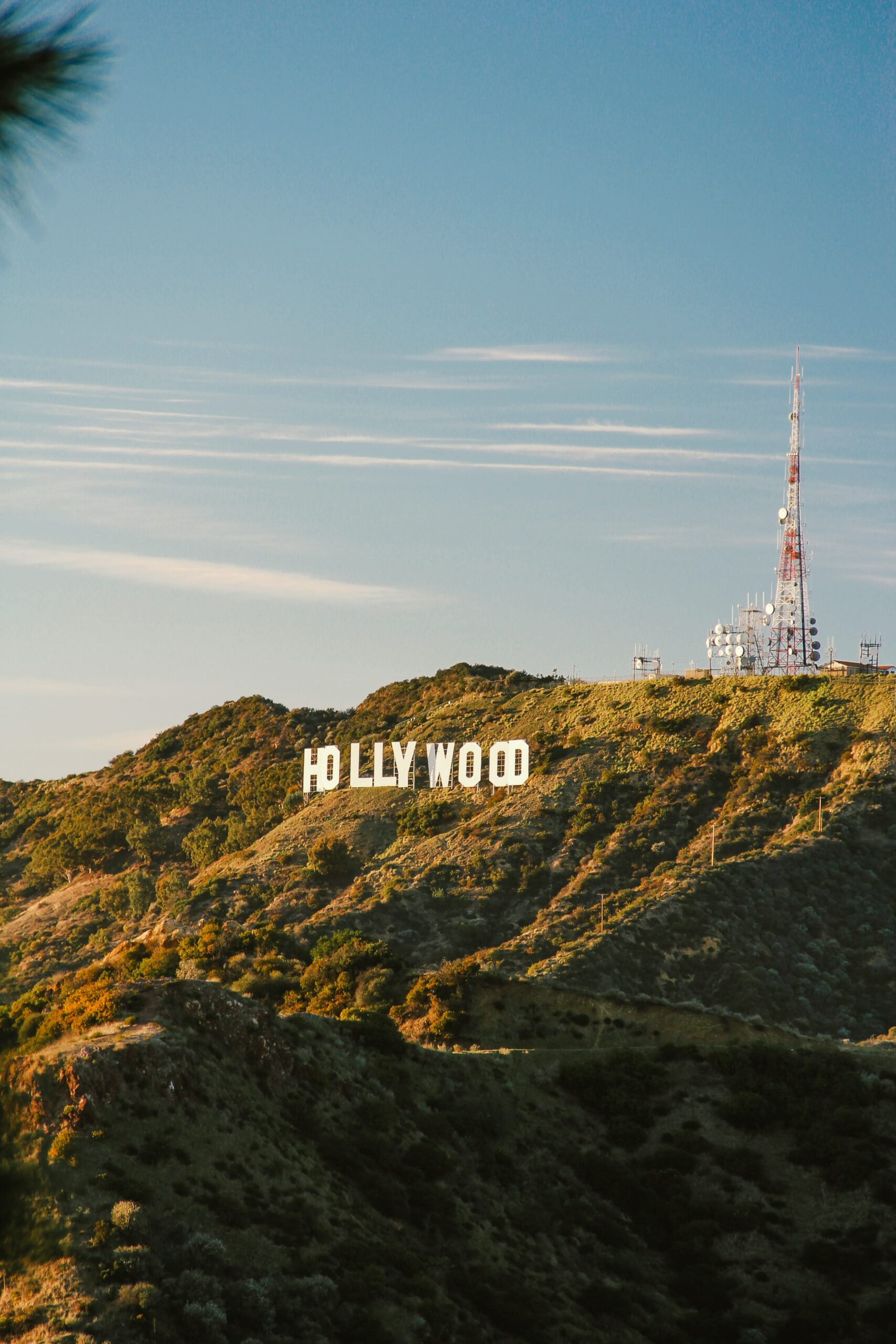
Drive through the Hollywood Hills

This is not about ticking landmarks. The drive explains housing, views, privacy, and why cars shape daily life. Short stretches reveal how abruptly the city changes from dense streets to quiet ridgelines. It helps you understand scale and lifestyle in a way no museum or walk ever could.

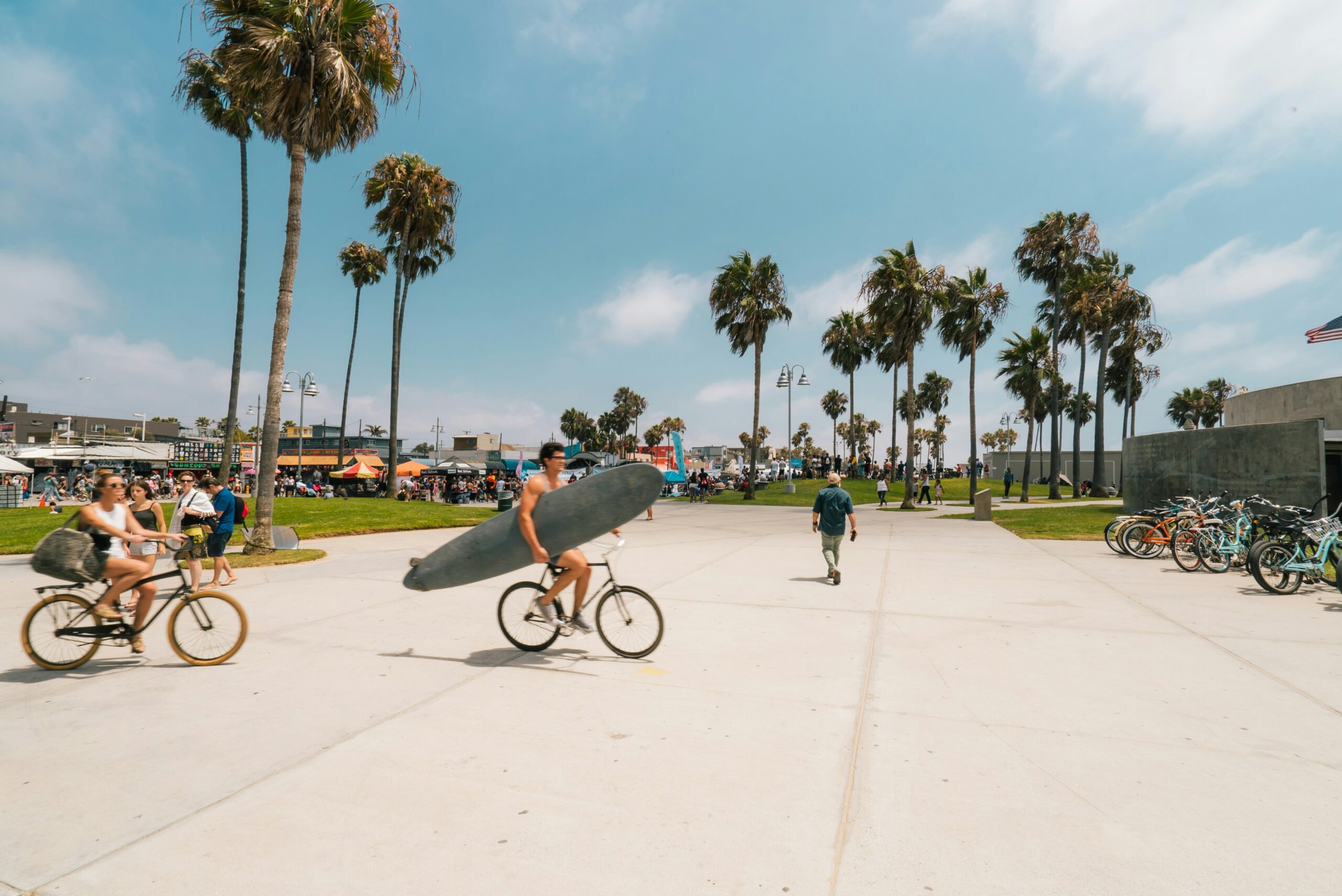
Walk the boardwalk in Venice Beach

Venice shows LA without filters. Creative, chaotic, uncomfortable at times, and very real. A short walk gives insight into the city’s extremes, its tolerance for individuality, and its rough edges. You do not need to love it, but skipping it leaves a big gap in understanding the city.

Visit the Getty Center

This is where art, architecture, and views meet with minimal effort. The experience is calm, well-designed, and surprisingly accessible. Even visitors who usually skip museums find it worthwhile because it also works as a viewpoint and a break from traffic-driven days.

Drive part of the coast toward Malibu

This drive explains why people accept LA’s sprawl. Open views, light traffic compared to the city, and a sense of space you do not get elsewhere. Stop when it feels right, turn back when it stops adding value. Treat it as a reset, not a checklist.

Most popular things to do

After the essentials, these are the experiences most visitors add to round out their trip. They are familiar, widely visited, and make sense once you understand how the city works. Think of them as context builders, not must-dos.

Walk the Hollywood Walk of Fame
This is less about glamour and more about closing a mental loop. Seeing it once helps align expectations with reality and explains why Hollywood is more symbol than destination. Keep the visit short, walk a few blocks, notice the contrast between myth and everyday life, then move on before it feels repetitive.

Spend a day at Universal Studios Hollywood
This works even for visitors who are not into theme parks. The studio tour gives concrete insight into how film and TV production actually works, which fits the city better than pure rides. Plan a full day, prioritize the tour early, and treat everything else as optional extras.

Explore Beverly Hills and Rodeo Drive
This area is about observation, not shopping. Short walks show a specific urban model built around luxury, privacy, and image. It pairs well with lunch nearby and requires little time to understand. Expect polish, order, and a version of LA that feels very controlled.

Spend time in Downtown Los Angeles
Downtown shows a side of LA many visitors skip. Museums, historic buildings, food halls, and office life coexist closely. It feels denser, faster, and more urban than the west side. Go with one or two anchor stops and let the rest be discovered on foot.

Hike at Runyon Canyon
This is a social hike as much as a viewpoint. Short trails, city views, and a steady flow of locals make it approachable even for non-hikers. Go early or near sunset, treat it as light movement, and avoid expecting solitude or deep nature.

Do a structured beach day beyond the main hubs
Instead of staying in one crowded spot, choose a smaller stretch of coast and plan a clear arrival and exit. This makes the beach feel intentional rather than like wasted time. Short walks, a swim, and a simple meal are usually enough to make it worthwhile.

FAQs

How many days do I need to experience Los Angeles properly?

Most first-time visitors need at least 4 to 5 full days. That allows one day for the coast, one for the hills and views, one for culture or theme parks, and one flexible day. Fewer days force rushed driving and shallow visits. More days help only if you slow down and group areas well.

Is Los Angeles walkable for sightseeing?

Only in short bursts. Individual neighborhoods are walkable, but distances between them are not. Expect to walk within areas, then drive between them. Planning days as walking loops inside one zone works far better than trying to link areas on foot or by transit.

Do I really need to rent a car?

For most trips, yes. Public transport exists but rarely saves time for visitors. A car gives control over schedule and lets you leave places when they stop being interesting. Ride-hailing works for short stays but gets expensive and limiting over multiple days.

What is the biggest planning mistake people make?

Trying to see too much in one day. Traffic is unpredictable and mentally draining. Packing three major areas into a single day usually leads to frustration. One main activity plus one nearby secondary plan is the sweet spot for most days.

Are theme parks worth it if I am not traveling with kids?

They can be, but only if chosen intentionally. Universal Studios works best because of the studio tour and half-day potential. Full-scale parks require a full day and energy. If rides are not appealing, culture or coastal plans are often more rewarding.

When is the best time of day to do outdoor activities?

Morning. Beaches, viewpoints, hikes, and drives are calmer, cooler, and more enjoyable early. Afternoons bring crowds and heat, and evenings are better kept flexible. Starting early often saves hours later in the day.

Should I plan meals around sightseeing or the other way around?

Plan loosely around sightseeing. Choose food areas near where you already are instead of driving just to eat. Los Angeles has good food everywhere, and long food-driven detours usually cost more time than they are worth.

Is it better to stay in one base or change neighborhoods?

Staying in one base is usually easier. Constant hotel changes add friction and eat time. Pick a location aligned with most of your plans and accept one or two longer drives. Stability beats optimization for short stays.

The best things to do in Los Angeles

Last updated on February 5, 2026

Intro

Los Angeles is less about ticking boxes and more about slipping into a rhythm. You spend part of the day outside, almost by accident. Coffee turns into a long walk. A short drive changes the entire mood of the day.


The city feels spread out on purpose. Neighborhoods have their own logic, their own pace, their own idea of what a good day looks like. You are rarely rushing, but you are always choosing.


What makes Los Angeles click is accepting that contrast is the point. Ocean and desert. Film sets and normal life. Silence in the hills, noise on the streets. Once you lean into that, the city opens up fast.

[travel_quick_facts]

Essential things to do

If this is your first time in Los Angeles, these are the experiences that anchor everything else. They explain the scale, the lifestyle, and the contradictions of the city. Skip them and LA feels fragmented. Do them and the rest of the trip clicks into place.

Watch sunset from Griffith Observatory

This is the clearest way to understand Los Angeles in one stop. You see how wide the city spreads, how downtown relates to the ocean, and why hills matter so much here. Sunset gives context rather than spectacle, and even crowded days feel manageable if you arrive early and leave once the light fades.

Spend a morning around Santa Monica Pier and the beach

This combines ocean, city, and everyday life better than anywhere else. Walk the pier, watch surfers and joggers, then drift along the sand before crowds peak. It explains LA’s outdoor rhythm and why mornings matter. Staying too long adds little, but a focused visit sets the tone for the whole coast.

Drive through the Hollywood Hills

This is not about ticking landmarks. The drive explains housing, views, privacy, and why cars shape daily life. Short stretches reveal how abruptly the city changes from dense streets to quiet ridgelines. It helps you understand scale and lifestyle in a way no museum or walk ever could.

Walk the boardwalk in Venice Beach

Venice shows LA without filters. Creative, chaotic, uncomfortable at times, and very real. A short walk gives insight into the city’s extremes, its tolerance for individuality, and its rough edges. You do not need to love it, but skipping it leaves a big gap in understanding the city.

Visit the Getty Center

This is where art, architecture, and views meet with minimal effort. The experience is calm, well-designed, and surprisingly accessible. Even visitors who usually skip museums find it worthwhile because it also works as a viewpoint and a break from traffic-driven days.

Drive part of the coast toward Malibu

This drive explains why people accept LA’s sprawl. Open views, light traffic compared to the city, and a sense of space you do not get elsewhere. Stop when it feels right, turn back when it stops adding value. Treat it as a reset, not a checklist.

Most popular things to do

After the essentials, these are the experiences most visitors add to round out their trip. They are familiar, widely visited, and make sense once you understand how the city works. Think of them as context builders, not must-dos.

Walk the Hollywood Walk of Fame
This is less about glamour and more about closing a mental loop. Seeing it once helps align expectations with reality and explains why Hollywood is more symbol than destination. Keep the visit short, walk a few blocks, notice the contrast between myth and everyday life, then move on before it feels repetitive.

Spend a day at Universal Studios Hollywood
This works even for visitors who are not into theme parks. The studio tour gives concrete insight into how film and TV production actually works, which fits the city better than pure rides. Plan a full day, prioritize the tour early, and treat everything else as optional extras.

Explore Beverly Hills and Rodeo Drive
This area is about observation, not shopping. Short walks show a specific urban model built around luxury, privacy, and image. It pairs well with lunch nearby and requires little time to understand. Expect polish, order, and a version of LA that feels very controlled.

Spend time in Downtown Los Angeles
Downtown shows a side of LA many visitors skip. Museums, historic buildings, food halls, and office life coexist closely. It feels denser, faster, and more urban than the west side. Go with one or two anchor stops and let the rest be discovered on foot.

Hike at Runyon Canyon
This is a social hike as much as a viewpoint. Short trails, city views, and a steady flow of locals make it approachable even for non-hikers. Go early or near sunset, treat it as light movement, and avoid expecting solitude or deep nature.

Do a structured beach day beyond the main hubs
Instead of staying in one crowded spot, choose a smaller stretch of coast and plan a clear arrival and exit. This makes the beach feel intentional rather than like wasted time. Short walks, a swim, and a simple meal are usually enough to make it worthwhile.

Best things to do by category

Once you’ve covered the basics, use these categories to fill spare time based on interests and energy. Each item fits cleanly into a half-day and helps you decide fast, not overthink.

With kids

Universal Studios Hollywood - Theme park plus studio tour that works for most ages.
California Science Center - Hands-on exhibits and the Space Shuttle Endeavour.
La Brea Tar Pits - Real fossils in the city, short and memorable visit.
Disneyland Park - Full-day commitment, still the gold standard with kids.

Free

Griffith Observatory - Free exhibits and the best city overview.
Getty Center - Museum, architecture, and views with no entry fee.
Bradbury Building - Iconic interior architecture, quick stop.
Hollywood Bowl Overlook - Easy viewpoint many visitors miss.

Seasonal

Whale watching from Newport Beach - Best from winter to spring.
Outdoor movie nights at Hollywood Forever - Summer evenings only.
NBA or NHL games in LA - Fall to spring, strong live atmosphere.
Wildflower hikes after winter rains - Short window, big visual payoff.

Nature and views

Malibu Pier - Coastal stop that works year-round.
Runyon Canyon - Short hike with city views, go early.
Topanga Canyon - Quieter hills and scenic drives.
Manhattan Beach Pier - Clean beach walk with local feel.

Culture and museums

The Broad - Contemporary art, timed entry recommended.
Academy Museum of Motion Pictures - Film history done clearly and well.
LACMA - Large collection, focus on one section.
The Huntington Library - Gardens plus galleries, half-day visit.

Food-focused

Grand Central Market - Many cuisines in one efficient stop.
Taco crawl in East LA - Pick two or three spots, eat standing.
Koreatown barbecue dinner - Social, filling, and very local.
Santa Monica farmers market - Morning visit with easy lunch options.

Our take: LA punishes overplanning. Pick one category per day, cluster locations, and stop earlier than you think. Time lost in traffic costs more than skipping one more attraction.

Best day trips

These trips work when you want a change of pace without turning the day into a logistics exercise. Each one justifies the drive and resets how LA feels when you return.

Malibu and the Pacific Coast

Ocean views, quiet beaches, and a slower rhythm than the city. Drive north, stop when it feels right, have lunch, turn back. This works best when you resist trying to see everything and treat it as a coastal reset.

  • Duration: 4 to 6 hours
  • Best done: Independently

Joshua Tree National Park

Desert landscapes, boulder formations, and total contrast with LA. Go early, walk short trails, and leave before dark unless you plan stargazing. Summer heat is real, so timing matters more than ambition.

  • Duration: Full day, 8 to 10 hours
  • Best done: Independently if confident, guided if short on time

Santa Barbara

Relaxed coastal town with good food, walkable streets, and a calmer version of California life. Easy to combine beach time with lunch and a slow stroll. Less driving stress than most alternatives.

  • Duration: Full day, 7 to 9 hours
  • Best done: Independently

Palm Springs

Mid-century architecture, desert scenery, and pool culture. Best when you want sun, space, and minimal planning. Combine with a short drive into the surrounding desert for contrast.

  • Duration: Full day, 8 to 10 hours
  • Best done: Independently

San Diego

More compact and relaxed than LA, with beaches, food, and walkable areas. Pick one neighborhood and stick to it or the day becomes rushed. Works well if you start early.

  • Duration: Long full day, 10 to 12 hours
  • Best done: Independently

Tips for choosing what to do

Los Angeles planning is about filtering, not stacking. These tips help you choose what fits together and what to skip without regret.

  • Group by area: Pick one zone per day to avoid losing hours in traffic.
  • Plan mornings first: Early hours are calmer and more predictable.
  • Limit drives: Two long drives in one day usually break the plan.
  • Choose one anchor: One main activity per day keeps everything flexible.
  • Leave buffers: Parking, queues, and traffic always take longer than expected.
  • Avoid peak swaps: Crossing the city at rush hour kills momentum.
  • Stop early: Ending a day well beats squeezing in one more stop.

FAQs

How many days do I need to experience Los Angeles properly?

Most first-time visitors need at least 4 to 5 full days. That allows one day for the coast, one for the hills and views, one for culture or theme parks, and one flexible day. Fewer days force rushed driving and shallow visits. More days help only if you slow down and group areas well.

Is Los Angeles walkable for sightseeing?

Only in short bursts. Individual neighborhoods are walkable, but distances between them are not. Expect to walk within areas, then drive between them. Planning days as walking loops inside one zone works far better than trying to link areas on foot or by transit.

Do I really need to rent a car?

For most trips, yes. Public transport exists but rarely saves time for visitors. A car gives control over schedule and lets you leave places when they stop being interesting. Ride-hailing works for short stays but gets expensive and limiting over multiple days.

What is the biggest planning mistake people make?

Trying to see too much in one day. Traffic is unpredictable and mentally draining. Packing three major areas into a single day usually leads to frustration. One main activity plus one nearby secondary plan is the sweet spot for most days.

Are theme parks worth it if I am not traveling with kids?

They can be, but only if chosen intentionally. Universal Studios works best because of the studio tour and half-day potential. Full-scale parks require a full day and energy. If rides are not appealing, culture or coastal plans are often more rewarding.

When is the best time of day to do outdoor activities?

Morning. Beaches, viewpoints, hikes, and drives are calmer, cooler, and more enjoyable early. Afternoons bring crowds and heat, and evenings are better kept flexible. Starting early often saves hours later in the day.

Should I plan meals around sightseeing or the other way around?

Plan loosely around sightseeing. Choose food areas near where you already are instead of driving just to eat. Los Angeles has good food everywhere, and long food-driven detours usually cost more time than they are worth.

Is it better to stay in one base or change neighborhoods?

Staying in one base is usually easier. Constant hotel changes add friction and eat time. Pick a location aligned with most of your plans and accept one or two longer drives. Stability beats optimization for short stays.

HELP US IMPROVE

How likely are you to recommend Know to Travel to a friend or fellow traveler?

Not likely at all
Extremely likely