Tokyo Travel Guide

Last updated on February 13, 2026

Intro

Tokyo feels intense at first, then surprisingly manageable. The scale is big, but the city runs on clear systems, reliable transport, and predictable rhythms. Once you understand how areas connect, moving around becomes straightforward and days start to flow.


Visiting Tokyo is a mix of contrast and efficiency. One moment you are crossing Shibuya with thousands of people, the next you are walking through a quiet shrine or eating a simple lunch at a counter. Everything works, usually on time, and usually better than expected.


What stays with most travelers is how normal life and world class experiences overlap. Great food is everywhere, neighborhoods feel distinct, and planning rewards clarity over ambition. Tokyo can feel overwhelming, but with the right approach, it quickly feels accessible.

Who is it worth visiting for?

Tokyo works extremely well for some travelers and less so for others. The difference is not budget or experience level, but how much structure, density, and stimulation you enjoy when traveling.

It is worth visiting if you like cities with clear systems. Tokyo rewards people who enjoy planning days by area, using public transport, and following simple rules. If you value efficiency, reliability, and logic, the city feels easy rather than overwhelming.

It is worth visiting if you care about food as part of daily life. You do not need reservations or fine dining interest. Eating well is built into the city, from ramen counters to casual set meals. If food matters but you dislike fuss, Tokyo delivers.

It is worth visiting if you enjoy contrast without chaos. The city moves fast, but in an ordered way. You can switch between busy streets and quiet parks within minutes. Travelers who like variety without unpredictability tend to thrive here.

It may not be worth visiting if you dislike large scale cities. Tokyo is vast and dense. Even with good planning, there is constant movement, signage, and people. If you prefer small towns or slow, unstructured travel, it can feel tiring.

It may not be worth visiting if you want spontaneous nightlife or late dining without rules. Tokyo nightlife is organized, last trains matter, and many places close earlier than expected. Freedom exists, but within structure.

Our take: Tokyo is ideal for travelers who like clarity, rhythm, and quality built into everyday life. If you prefer loose plans and minimal structure, another destination may fit better.

When to visit

When you visit Tokyo changes how the city feels day to day. Weather affects walkability, crowds shift with local holidays, and prices move more with timing than distance. The same itinerary can feel smooth or heavy depending on the month.


Spring (March to May) brings mild weather and social energy. Late March and early April are visually strong with cherry blossoms, but also the busiest and most expensive. Late April and May are easier, warmer, and more predictable.


Summer (June to August) is hot and humid. June has rain, July and August bring festivals and late nights. Sightseeing works best early and late. Indoor plans matter more, and walking-heavy days need adjusting.


Autumn (September to November) is the most balanced period. September cools down, October is ideal for walking, and November adds autumn color without spring-level crowds. It’s the easiest season to plan.


Winter (December to February) is cold but dry and efficient. Fewer visitors, lower prices, and clear days make transport and reservations easier. Food, museums, and neighborhoods shine with less pressure.

If timing matters to you, we break this down in detail by season, traveler type, crowds, and prices in our dedicated best time to visit guide.

What to do

Tokyo offers a lot, but it works best when you understand the main buckets of experiences rather than chasing everything. The city is built around neighborhoods, daily rituals, and contrasts that are easy to combine when planned with intent.

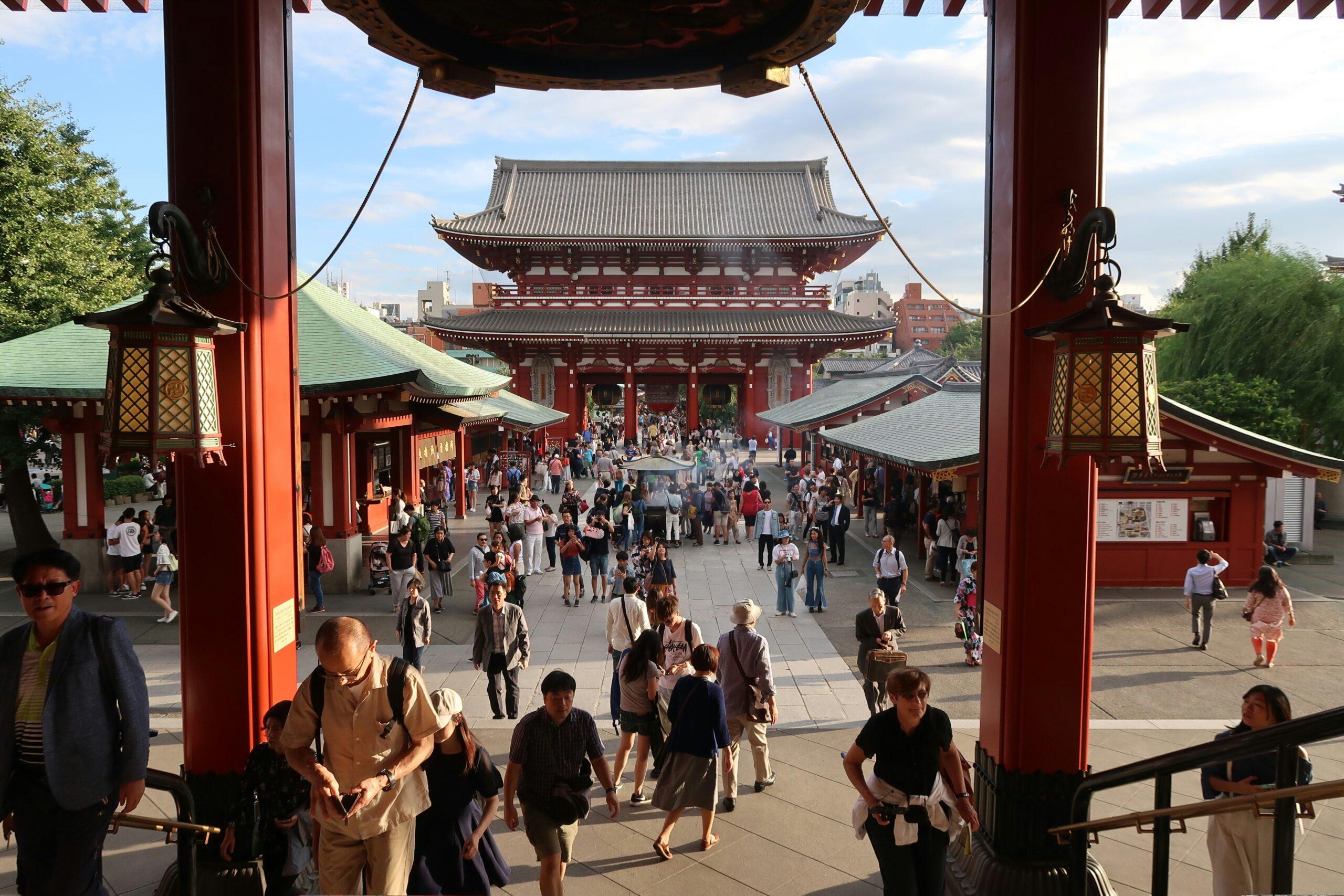
The essential things to do give you orientation. Walking through Shibuya Crossing, visiting Meiji Shrine, exploring Senso-ji in Asakusa, and seeing the city from above explain Tokyo’s scale, order, and pace. These are reference points that make the rest of the city easier to read.

The most popular things to do add energy and context. Areas like Shinjuku at night, Harajuku streets, and modern experiences such as teamLab exhibitions show how Tokyo mixes culture, entertainment, and everyday life. They are busy for a reason and work best when grouped by area.

Beyond that, interesting and niche experiences deepen the trip. Wandering residential neighborhoods, visiting local museums, exploring food-focused streets, or spending time in parks reveals how Tokyo actually functions day to day. These moments often end up being the most memorable.

If you want the full breakdown by area, category, and pace, our dedicated things to do guide goes much deeper into how to plan this properly.

Map and orientation

Tokyo is not one central core but a network of large areas connected by rail. Understanding this layout is essential for planning days that flow. Most visitors spend time along the JR Yamanote Line, a loop that links the city’s main hubs and makes orientation much easier.


On the west side, Shibuya, Harajuku, and Shinjuku form a dense cluster of shopping, nightlife, parks, and major stations. These areas are close enough to combine in the same day and define much of modern Tokyo’s energy.


To the northeast, Asakusa and Ueno offer a more traditional and cultural focus. They connect naturally through parks, museums, and riverside walks, and feel slower and more open than the western hubs.


In the center, Ginza and Tokyo Station sit near business districts and the Imperial Palace area. This zone is flatter, more polished, and works well as a transition between busier days.


The key is to think in clusters, not distance. Areas that look far apart on a map can be quick to reach, while short distances may involve complex transfers. Planning by hub keeps movement predictable and days efficient.

Our take: Learn the Yamanote Line first and plan inside its loop. It simplifies orientation and removes most planning friction.

How long to stay

How long you stay in Tokyo changes the depth of the experience more than the checklist. The city works with short trips, but it rewards time when days are grouped by area and pace stays controlled.

2–3 days works for orientation. You can cover essentials like Shibuya, Asakusa, and one major night area. It’s fast, focused, and leaves little room for neighborhoods, but it delivers a clear first impression.

4–5 days is a strong first visit. You can combine essentials, popular areas, and a couple of quieter neighborhoods without rushing. Days feel structured, meals stay flexible, and transport never dominates the plan.

6–7 days adds depth. You can repeat areas, add museums, slow food days, and include one optional day trip without breaking rhythm. This is when Tokyo starts to feel familiar rather than impressive.

With kids, 4–6 days is ideal. Shorter days, parks, and local neighborhoods matter more than coverage. Extra time helps absorb fatigue and weather without forcing big adjustments.

If you want to see how these lengths translate into day by day plans, our itineraries guide breaks it down clearly by trip length and travel style.

Our take: Five days is the sweet spot for most travelers. Enough structure to feel confident, enough time to slow down.

Getting around

Tokyo is one of the easiest large cities to move around once you understand the basics. Public transport is reliable, clean, and predictable, and most visitors rely almost entirely on trains and walking.


Trains and subways are the backbone. The JR Yamanote Line loops through major areas like Shibuya, Shinjuku, Ueno, and Tokyo Station and covers most tourist needs. A single ride usually costs ¥170–¥240 (about €1.10–€1.50 / $1.20–$1.60). Transfers are clear, but stations are large, so allow walking time inside them.


IC cards (Suica or Pasmo) make everything simpler. You tap in and out without buying tickets each time, and they work on trains, subways, buses, and even vending machines. A typical day of transport costs ¥800–¥1,200 (around €5–€8 / $6–$9), depending on distance.


Walking plays a bigger role than expected. Neighborhoods are compact, signage is excellent, and walking between nearby stations is often faster than transferring lines. Comfortable shoes matter more than planning perfect routes.


Taxis are clean and reliable but expensive. Short rides start around ¥500–¥700 (about €3–€4.50 / $3.50–$5), and costs rise quickly with distance. They make sense late at night or with luggage, not for daily sightseeing.

Buses exist but are rarely needed for first-time visitors. Trains are faster, clearer, and better integrated into most itineraries.

Our take: Use trains plus walking, get an IC card on day one, and avoid taxis unless needed. Tokyo transport feels complex on paper but is very forgiving in practice.

Where to stay

Where you stay in Tokyo matters more for rhythm than distance. Being near a major station on the JR Yamanote Line simplifies mornings, evenings, and food decisions, and reduces daily planning friction.


Shibuya works well for first time visitors who want energy and convenience. You are surrounded by food, shops, and transport, and can walk to Harajuku and Meiji Shrine. Downsides are noise and higher prices. Expect mid range hotels around ¥20,000–¥30,000 per night (€120–€180 / $130–$200).


Shinjuku is practical and efficient. It has unmatched transport connections, endless food options, and works well for late nights. It can feel chaotic near the station, but hotels a few streets away are calmer. Prices are similar to Shibuya, sometimes slightly lower.


Ginza / Tokyo Station suits travelers who value calm, walkability, and polished surroundings. Streets are wider, hotels are quieter, and access to multiple lines is excellent. Dining and shopping skew upscale. Expect ¥25,000–¥40,000 per night (€150–€240 / $165–$270).


Ueno / Asakusa works well for budget travelers and families. Hotels are cheaper, areas feel more open, and parks are nearby. Nightlife is limited, and some areas feel quieter in the evening. Prices often sit around ¥12,000–¥20,000 (€75–€120 / $80–$135).

Shimokitazawa or Daikanyama suit repeat visitors or slow travelers. They are calm, local, and food focused, but require more transfers. Accommodation is limited and often apartment style.

Our take: Stay near a Yamanote Line station. For a first trip, Shibuya or Shinjuku wins on convenience. For calmer stays, Ginza or Ueno make days easier.

What and where to eat

Eating well in Tokyo is easy if you know the basics. The city excels at everyday meals done properly, not just special occasions. Most visitors should focus on sushi counters, ramen shops, tonkatsu, tempura, and izakayas, all widely available and consistently good.

What to eat depends on timing. Ramen and gyudon work well for quick lunches at ¥800–¥1,200 (€5–€8 / $6–$9). Tonkatsu and tempura are best at lunch sets, usually ¥1,500–¥2,500 (€9–€15 / $10–$17). Casual sushi counters cost ¥2,000–¥4,000 (€12–€25 / $14–$27) and are enough to understand the quality here without luxury pricing.

Where to eat should follow geography. Areas like Shibuya and Shinjuku are dense with reliable options near stations. Ginza skews more refined and expensive, while Asakusa and Ueno offer simpler, traditional meals at lower prices. Convenience stores are genuinely useful for breakfast and snacks.

Dinner ranges widely. Izakayas typically run ¥3,000–¥5,000 per person (€18–€30 / $20–$35), while mid range sushi or yakiniku sits around ¥6,000–¥10,000 (€36–€60 / $40–$70). Reservations are mainly needed for popular counters and trendy spots.

If food is a priority, our dedicated what and where to eat guide breaks this down by dish, neighborhood, and travel style so you can plan meals without overthinking.

Through travelers’ eyes

Most travelers remember Tokyo through small, everyday moments rather than landmarks. Morning walks to a station, quiet meals at counters, getting lost briefly and realizing it still works. The photos and stories below reflect those real experiences, shaped by pace and timing.

Travelers' tips

The advice below comes from real travelers who have experienced Tokyo firsthand. These are practical insights, small tips, and honest reflections gathered along the way — the kind of things people share after exploring the city themselves.

"Tokyo may be big, but it’s also one of the most interesting cities in the world. It has everything from traditional shrines and old-fashioned inns, to ultra-modern shopping malls and luxury getaways. You could spend weeks here and not see everything."

"This spring, we had the incredible opportunity to visit Tokyo, and it quickly became my favorite city in the world! Despite being the largest city in the world, Tokyo feels surprisingly peaceful, with its quiet, hidden gems that make you feel as if you’re in a small town rather than a bustling metropolis. Even though there are lots of people everywhere in Tokyo, I have never felt so peaceful moving through a crowd."

"Navigating Tokyo might sound like a puzzle, but it’s surprisingly straightforward once you get the hang of it. The city’s public transport system is a masterpiece: the subway, JR trains, and buses are reliable, clean, and on time (to the second)."

"Japan, even though it is incredibly modern, is still a primarily cash-only country. Carry Yen on you at all times to cover meals, shopping, and transportation. The best place to withdraw cash is at a Seven Eleven ATM’s."

"We did not speak a word of Japanese, and for the most part were able to make our way around easily. The translator app was a lifesaver for reading things as you can take a picture and it will translate to any language. Do not panic though as any transit area will have signs in both Japanese/English. We found that in hospitality/high tourist areas, you would get English speakers easily."

"Generally, I recommend staying in or near Shinjuku (west side of Tokyo), or in the central area of Tokyo Station. However, as long as you are within walking distance of one or two subway stations/lines you will be fine!"

"From the end of Cat Street walk toward one of the world’s busiest street crossings, the Shibuya ‘Scramble’ Crossing. It’s unapologetically overwhelming—and a bit awe-inspiring to think about the thousands of individual lives being lived right in this spot."

"(Gotokuji Temple) If you want to make a wish while here, I would recommend either buying a cat, or a board as there will be other temples in Japan where you can get your fortune! The cat is definitely the most unique purchase that you could get as we didn’t see any at other temples."

"Tokyo’s views at night are spectacular and seeing the lights from above is one of the best things to do in Tokyo. Perched above Tokyo, Shibuya Sky offers one of our favorite city views and the perfect place to see Shibuya Crossing from above. The observatory is so cool and equipped with a bar and many photo spots!"

"If it is your first time in Tokyo, to be close to all the major attractions in Tokyo and for a quintessential Tokyo experience, I would suggest staying in Shinjuku or Shibuya. Within Shinjuku and Shibuya, being located the closer to the main train stations, the better!"

Practical tips

These are the small, practical things that make a Tokyo trip smoother day to day. None are complicated, but missing them adds friction fast.

  • Get an IC card early: Suica or Pasmo saves time on every train, bus, and small purchase.
  • Plan by station hubs: Stay and eat near major stations to reduce daily transit time.
  • Eat earlier than usual: Lines peak around 7pm, earlier dinners are calmer and faster.
  • Carry cash anyway: Cards work widely, but small places still prefer cash.
  • Allow station walking time: Big stations add 5–10 minutes just to enter or exit.
  • Pack good shoes: You will walk more than expected, even with heavy train use.
  • Use luggage forwarding: Takkyubin costs money but removes travel day stress.
  • Respect quiet rules: Trains and restaurants are low noise by default.
  • Watch last train times: Late nights end earlier than in many big cities.
  • Trust busy places: Full restaurants with short menus are usually a safe choice.

FAQs

Is Tokyo easy to visit for first time travelers?

Yes. Tokyo is large but extremely organized. Transport is reliable, signage is clear, and daily logistics are predictable. Once you plan by area instead of individual sights, the city feels manageable rather than overwhelming.

Do I need to speak Japanese to travel in Tokyo?

No. Basic English works in transport hubs, hotels, and many restaurants. Ordering is often visual or automated. Politeness and patience matter more than language skills.

Is Tokyo expensive compared to other major cities?

Not necessarily. Accommodation is the main cost. Food, transport, and everyday expenses are affordable for the quality. You can control spending without sacrificing comfort or experience.

How many days do I need for a first visit?

Five days is ideal. It allows you to see essentials, explore neighborhoods, and eat well without rushing. Shorter trips work, but require stricter planning.

Is Tokyo safe for solo travelers?

Yes. Tokyo is one of the safest major cities in the world. Solo dining, late trains, and walking at night are normal and feel secure in most areas.

What is the biggest planning mistake people make?

Trying to do too much. Overpacked itineraries lead to constant movement and shallow experiences. Tokyo rewards fewer areas done well.

Should I book attractions in advance?

Only some. Popular exhibitions, themed attractions, and specific restaurants may require reservations. Most sightseeing and meals work without advance booking.

Is it worth staying outside central Tokyo to save money?

Sometimes, but convenience matters more. Staying near a major station saves time and energy daily. Long commutes quickly cancel out savings.

Can I do day trips from Tokyo easily?

Yes. Places like Kamakura, Nikko, or Mount Takao work well if you have extra days. Day trips should be optional, not mandatory.

Is Tokyo suitable for traveling with kids?

Yes, with the right pacing. Parks, open neighborhoods, and hands-on attractions work well. Shorter days and fewer transfers make a big difference.

Do I need cash or are cards enough?

Cards work in most places, but small restaurants and local shops still use cash. Carrying some cash avoids unnecessary friction.

What stays with most travelers after visiting Tokyo?

Not just landmarks, but how easy daily life feels. Eating well, moving smoothly, and finding calm moments inside a huge city is what people remember most.

Tokyo Travel Guide

Last updated on February 13, 2026

Intro

Tokyo feels intense at first, then surprisingly manageable. The scale is big, but the city runs on clear systems, reliable transport, and predictable rhythms. Once you understand how areas connect, moving around becomes straightforward and days start to flow.


Visiting Tokyo is a mix of contrast and efficiency. One moment you are crossing Shibuya with thousands of people, the next you are walking through a quiet shrine or eating a simple lunch at a counter. Everything works, usually on time, and usually better than expected.


What stays with most travelers is how normal life and world class experiences overlap. Great food is everywhere, neighborhoods feel distinct, and planning rewards clarity over ambition. Tokyo can feel overwhelming, but with the right approach, it quickly feels accessible.

Who is it worth visiting for?

Tokyo works extremely well for some travelers and less so for others. The difference is not budget or experience level, but how much structure, density, and stimulation you enjoy when traveling.

It is worth visiting if you like cities with clear systems. Tokyo rewards people who enjoy planning days by area, using public transport, and following simple rules. If you value efficiency, reliability, and logic, the city feels easy rather than overwhelming.

It is worth visiting if you care about food as part of daily life. You do not need reservations or fine dining interest. Eating well is built into the city, from ramen counters to casual set meals. If food matters but you dislike fuss, Tokyo delivers.

It is worth visiting if you enjoy contrast without chaos. The city moves fast, but in an ordered way. You can switch between busy streets and quiet parks within minutes. Travelers who like variety without unpredictability tend to thrive here.

It may not be worth visiting if you dislike large scale cities. Tokyo is vast and dense. Even with good planning, there is constant movement, signage, and people. If you prefer small towns or slow, unstructured travel, it can feel tiring.

It may not be worth visiting if you want spontaneous nightlife or late dining without rules. Tokyo nightlife is organized, last trains matter, and many places close earlier than expected. Freedom exists, but within structure.

Our take: Tokyo is ideal for travelers who like clarity, rhythm, and quality built into everyday life. If you prefer loose plans and minimal structure, another destination may fit better.

[travel_quick_facts]

When to visit

When you visit Tokyo changes how the city feels day to day. Weather affects walkability, crowds shift with local holidays, and prices move more with timing than distance. The same itinerary can feel smooth or heavy depending on the month.


Spring (March to May) brings mild weather and social energy. Late March and early April are visually strong with cherry blossoms, but also the busiest and most expensive. Late April and May are easier, warmer, and more predictable.


Summer (June to August) is hot and humid. June has rain, July and August bring festivals and late nights. Sightseeing works best early and late. Indoor plans matter more, and walking-heavy days need adjusting.


Autumn (September to November) is the most balanced period. September cools down, October is ideal for walking, and November adds autumn color without spring-level crowds. It’s the easiest season to plan.


Winter (December to February) is cold but dry and efficient. Fewer visitors, lower prices, and clear days make transport and reservations easier. Food, museums, and neighborhoods shine with less pressure.

If timing matters to you, we break this down in detail by season, traveler type, crowds, and prices in our dedicated best time to visit guide.

What to do

Tokyo offers a lot, but it works best when you understand the main buckets of experiences rather than chasing everything. The city is built around neighborhoods, daily rituals, and contrasts that are easy to combine when planned with intent.

The essential things to do give you orientation. Walking through Shibuya Crossing, visiting Meiji Shrine, exploring Senso-ji in Asakusa, and seeing the city from above explain Tokyo’s scale, order, and pace. These are reference points that make the rest of the city easier to read.

The most popular things to do add energy and context. Areas like Shinjuku at night, Harajuku streets, and modern experiences such as teamLab exhibitions show how Tokyo mixes culture, entertainment, and everyday life. They are busy for a reason and work best when grouped by area.

Beyond that, interesting and niche experiences deepen the trip. Wandering residential neighborhoods, visiting local museums, exploring food-focused streets, or spending time in parks reveals how Tokyo actually functions day to day. These moments often end up being the most memorable.

If you want the full breakdown by area, category, and pace, our dedicated things to do guide goes much deeper into how to plan this properly.

How long to stay

How long you stay in Tokyo changes the depth of the experience more than the checklist. The city works with short trips, but it rewards time when days are grouped by area and pace stays controlled.

2–3 days works for orientation. You can cover essentials like Shibuya, Asakusa, and one major night area. It’s fast, focused, and leaves little room for neighborhoods, but it delivers a clear first impression.

4–5 days is a strong first visit. You can combine essentials, popular areas, and a couple of quieter neighborhoods without rushing. Days feel structured, meals stay flexible, and transport never dominates the plan.

6–7 days adds depth. You can repeat areas, add museums, slow food days, and include one optional day trip without breaking rhythm. This is when Tokyo starts to feel familiar rather than impressive.

With kids, 4–6 days is ideal. Shorter days, parks, and local neighborhoods matter more than coverage. Extra time helps absorb fatigue and weather without forcing big adjustments.

If you want to see how these lengths translate into day by day plans, our itineraries guide breaks it down clearly by trip length and travel style.

Our take: Five days is the sweet spot for most travelers. Enough structure to feel confident, enough time to slow down.

What and where to eat

Eating well in Tokyo is easy if you know the basics. The city excels at everyday meals done properly, not just special occasions. Most visitors should focus on sushi counters, ramen shops, tonkatsu, tempura, and izakayas, all widely available and consistently good.

What to eat depends on timing. Ramen and gyudon work well for quick lunches at ¥800–¥1,200 (€5–€8 / $6–$9). Tonkatsu and tempura are best at lunch sets, usually ¥1,500–¥2,500 (€9–€15 / $10–$17). Casual sushi counters cost ¥2,000–¥4,000 (€12–€25 / $14–$27) and are enough to understand the quality here without luxury pricing.

Where to eat should follow geography. Areas like Shibuya and Shinjuku are dense with reliable options near stations. Ginza skews more refined and expensive, while Asakusa and Ueno offer simpler, traditional meals at lower prices. Convenience stores are genuinely useful for breakfast and snacks.

Dinner ranges widely. Izakayas typically run ¥3,000–¥5,000 per person (€18–€30 / $20–$35), while mid range sushi or yakiniku sits around ¥6,000–¥10,000 (€36–€60 / $40–$70). Reservations are mainly needed for popular counters and trendy spots.

If food is a priority, our dedicated what and where to eat guide breaks this down by dish, neighborhood, and travel style so you can plan meals without overthinking.

Practical tips

These are the small, practical things that make a Tokyo trip smoother day to day. None are complicated, but missing them adds friction fast.

  • Get an IC card early: Suica or Pasmo saves time on every train, bus, and small purchase.
  • Plan by station hubs: Stay and eat near major stations to reduce daily transit time.
  • Eat earlier than usual: Lines peak around 7pm, earlier dinners are calmer and faster.
  • Carry cash anyway: Cards work widely, but small places still prefer cash.
  • Allow station walking time: Big stations add 5–10 minutes just to enter or exit.
  • Pack good shoes: You will walk more than expected, even with heavy train use.
  • Use luggage forwarding: Takkyubin costs money but removes travel day stress.
  • Respect quiet rules: Trains and restaurants are low noise by default.
  • Watch last train times: Late nights end earlier than in many big cities.
  • Trust busy places: Full restaurants with short menus are usually a safe choice.

Through travelers’ eyes

Most travelers remember Tokyo through small, everyday moments rather than landmarks. Morning walks to a station, quiet meals at counters, getting lost briefly and realizing it still works. The photos and stories below reflect those real experiences, shaped by pace and timing.

Travelers' tips

The advice below comes from real travelers who have experienced Tokyo firsthand. These are practical insights, small tips, and honest reflections gathered along the way — the kind of things people share after exploring the city themselves.

"Tokyo may be big, but it’s also one of the most interesting cities in the world. It has everything from traditional shrines and old-fashioned inns, to ultra-modern shopping malls and luxury getaways. You could spend weeks here and not see everything."

"This spring, we had the incredible opportunity to visit Tokyo, and it quickly became my favorite city in the world! Despite being the largest city in the world, Tokyo feels surprisingly peaceful, with its quiet, hidden gems that make you feel as if you’re in a small town rather than a bustling metropolis. Even though there are lots of people everywhere in Tokyo, I have never felt so peaceful moving through a crowd."

"Navigating Tokyo might sound like a puzzle, but it’s surprisingly straightforward once you get the hang of it. The city’s public transport system is a masterpiece: the subway, JR trains, and buses are reliable, clean, and on time (to the second)."

"Japan, even though it is incredibly modern, is still a primarily cash-only country. Carry Yen on you at all times to cover meals, shopping, and transportation. The best place to withdraw cash is at a Seven Eleven ATM’s."

"We did not speak a word of Japanese, and for the most part were able to make our way around easily. The translator app was a lifesaver for reading things as you can take a picture and it will translate to any language. Do not panic though as any transit area will have signs in both Japanese/English. We found that in hospitality/high tourist areas, you would get English speakers easily."

"Generally, I recommend staying in or near Shinjuku (west side of Tokyo), or in the central area of Tokyo Station. However, as long as you are within walking distance of one or two subway stations/lines you will be fine!"

"From the end of Cat Street walk toward one of the world’s busiest street crossings, the Shibuya ‘Scramble’ Crossing. It’s unapologetically overwhelming—and a bit awe-inspiring to think about the thousands of individual lives being lived right in this spot."

"(Gotokuji Temple) If you want to make a wish while here, I would recommend either buying a cat, or a board as there will be other temples in Japan where you can get your fortune! The cat is definitely the most unique purchase that you could get as we didn’t see any at other temples."

"Tokyo’s views at night are spectacular and seeing the lights from above is one of the best things to do in Tokyo. Perched above Tokyo, Shibuya Sky offers one of our favorite city views and the perfect place to see Shibuya Crossing from above. The observatory is so cool and equipped with a bar and many photo spots!"

"If it is your first time in Tokyo, to be close to all the major attractions in Tokyo and for a quintessential Tokyo experience, I would suggest staying in Shinjuku or Shibuya. Within Shinjuku and Shibuya, being located the closer to the main train stations, the better!"

FAQs

Is Tokyo easy to visit for first time travelers?

Yes. Tokyo is large but extremely organized. Transport is reliable, signage is clear, and daily logistics are predictable. Once you plan by area instead of individual sights, the city feels manageable rather than overwhelming.

Do I need to speak Japanese to travel in Tokyo?

No. Basic English works in transport hubs, hotels, and many restaurants. Ordering is often visual or automated. Politeness and patience matter more than language skills.

Is Tokyo expensive compared to other major cities?

Not necessarily. Accommodation is the main cost. Food, transport, and everyday expenses are affordable for the quality. You can control spending without sacrificing comfort or experience.

How many days do I need for a first visit?

Five days is ideal. It allows you to see essentials, explore neighborhoods, and eat well without rushing. Shorter trips work, but require stricter planning.

Is Tokyo safe for solo travelers?

Yes. Tokyo is one of the safest major cities in the world. Solo dining, late trains, and walking at night are normal and feel secure in most areas.

What is the biggest planning mistake people make?

Trying to do too much. Overpacked itineraries lead to constant movement and shallow experiences. Tokyo rewards fewer areas done well.

Should I book attractions in advance?

Only some. Popular exhibitions, themed attractions, and specific restaurants may require reservations. Most sightseeing and meals work without advance booking.

Is it worth staying outside central Tokyo to save money?

Sometimes, but convenience matters more. Staying near a major station saves time and energy daily. Long commutes quickly cancel out savings.

Can I do day trips from Tokyo easily?

Yes. Places like Kamakura, Nikko, or Mount Takao work well if you have extra days. Day trips should be optional, not mandatory.

Is Tokyo suitable for traveling with kids?

Yes, with the right pacing. Parks, open neighborhoods, and hands-on attractions work well. Shorter days and fewer transfers make a big difference.

Do I need cash or are cards enough?

Cards work in most places, but small restaurants and local shops still use cash. Carrying some cash avoids unnecessary friction.

What stays with most travelers after visiting Tokyo?

Not just landmarks, but how easy daily life feels. Eating well, moving smoothly, and finding calm moments inside a huge city is what people remember most.

HELP US IMPROVE

How likely are you to recommend Know to Travel to a friend or fellow traveler?

Not likely at all
Extremely likely