
Crowds and prices in Tokyo shift more than people expect. Weather matters, but school holidays, local travel periods, and major events play a bigger role in how busy and expensive the city feels.
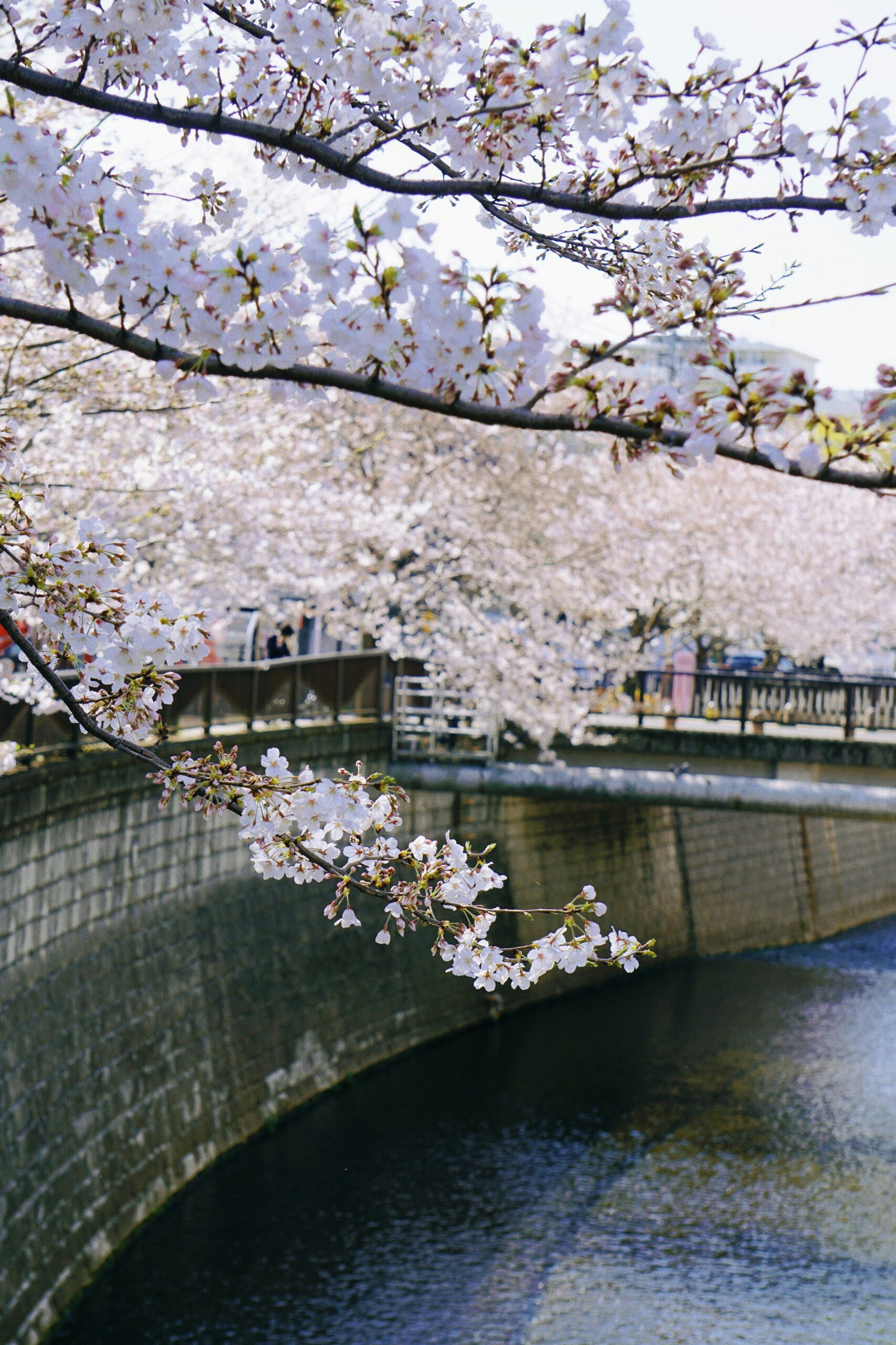
- Late March to early April (cherry blossom peak): Extremely crowded in parks like Ueno and Meguro River. Hotels sell out early, prices spike, and trains are busy. Sightseeing is still possible, but flexibility drops sharply.
- Late April to early May (Golden Week): One of the busiest periods of the year. Domestic travel surges, accommodation availability drops, and prices rise across Tokyo. Popular attractions and transport feel noticeably congested.
- June to August (rainy season and summer): Fewer international tourists but uncomfortable heat. Prices soften slightly outside festivals, availability improves, but crowds shift to evenings and indoor attractions.
- October to November (autumn peak): High demand with manageable crowds. Prices rise but remain reasonable. Parks, neighborhoods, and museums feel busy yet functional, making this one of the most balanced periods.
- January to February (winter low season): Lowest crowds and best availability. Hotel prices drop, reservations are easier, and the city feels calm. Cold but dry weather keeps sightseeing efficient.