What and where to eat in Tokyo

Last updated on February 13, 2026

Intro

Tokyo’s food scene isn’t about chasing the best meal of your life. It’s about how good food fits into everyday life here, quietly, consistently, and almost everywhere. Eating well feels normal, not like a special occasion.


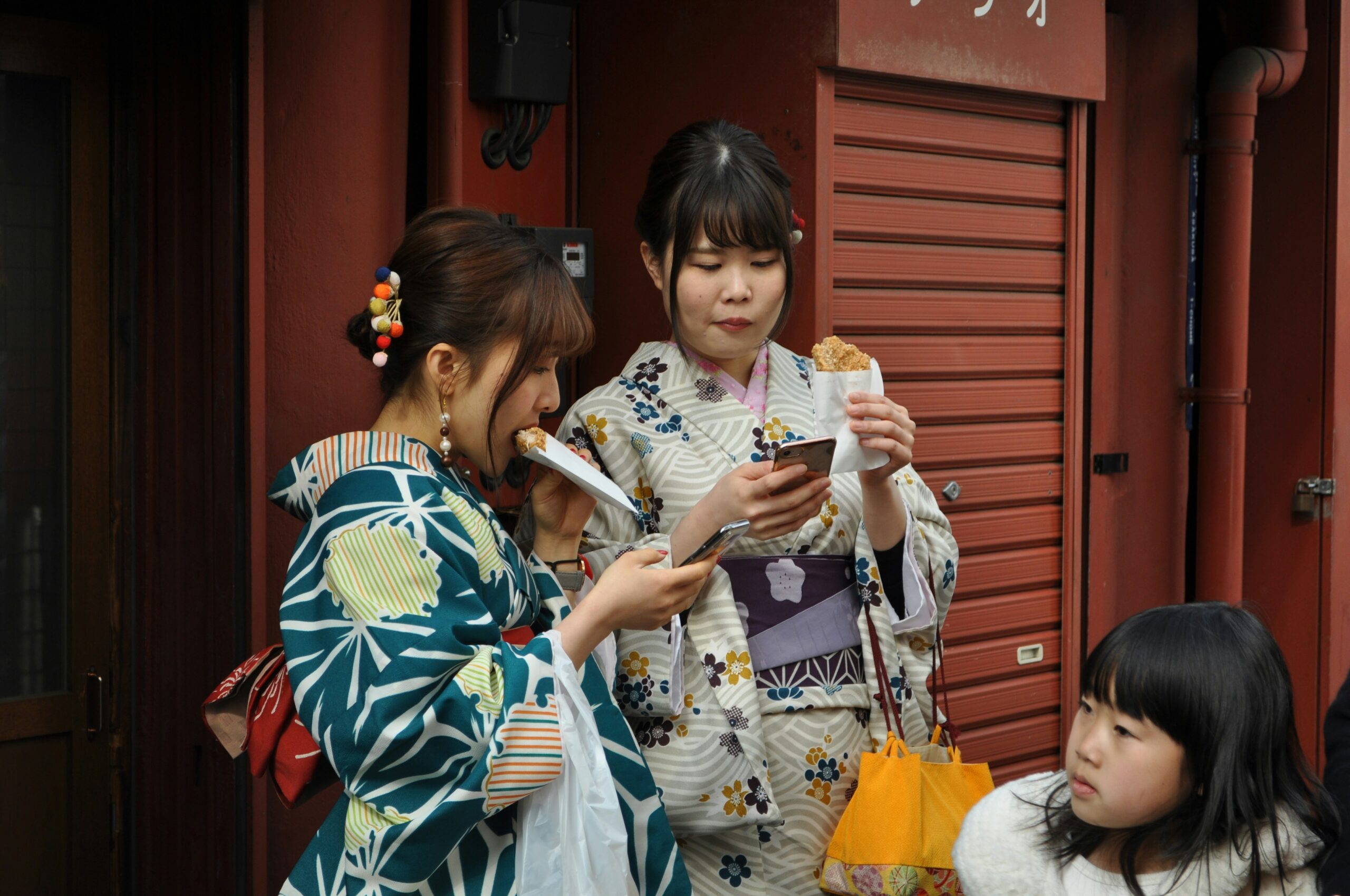
You’ll notice how much care goes into simple things. A bowl of ramen eaten standing up. A tiny sushi counter with six seats. A convenience store snack that’s better than it has any right to be. Meals are quick when they need to be, slow when you want them to be.


What makes eating in Tokyo memorable is not excess, but precision. Clear rules, strong traditions, and deep respect for ingredients. Once you tune into that rhythm, food becomes one of the easiest and most rewarding ways to understand the city.

What and where to eat

If it’s your first time in Tokyo, these are the food experiences you should not skip. They reflect how people actually eat here and show the balance between speed, quality, and precision that defines Tokyo food culture.

Sushi (casual counter style)

Fresh fish, lightly seasoned rice, and careful pacing. You do not need luxury sushi to understand why this matters in Tokyo, just a good counter and a few pieces eaten properly.

  • Sushi no Midori - High quality, busy, and reliable for first timers
  • Uobei Shibuya - Fast, modern, and surprisingly solid
  • Sushi Dai - Famous Tsukiji style experience, very early lines

Ramen

Deep broths, firm noodles, and endless variation. Ramen is fast food done seriously, often eaten alone, quickly, and without ceremony, which is exactly how it should be experienced.

  • Ichiran - Focused tonkotsu ramen, solo friendly booths
  • Afuri - Lighter yuzu based broth, easy entry point
  • Menya Musashi - Rich, bold flavors with thick noodles

Tonkatsu

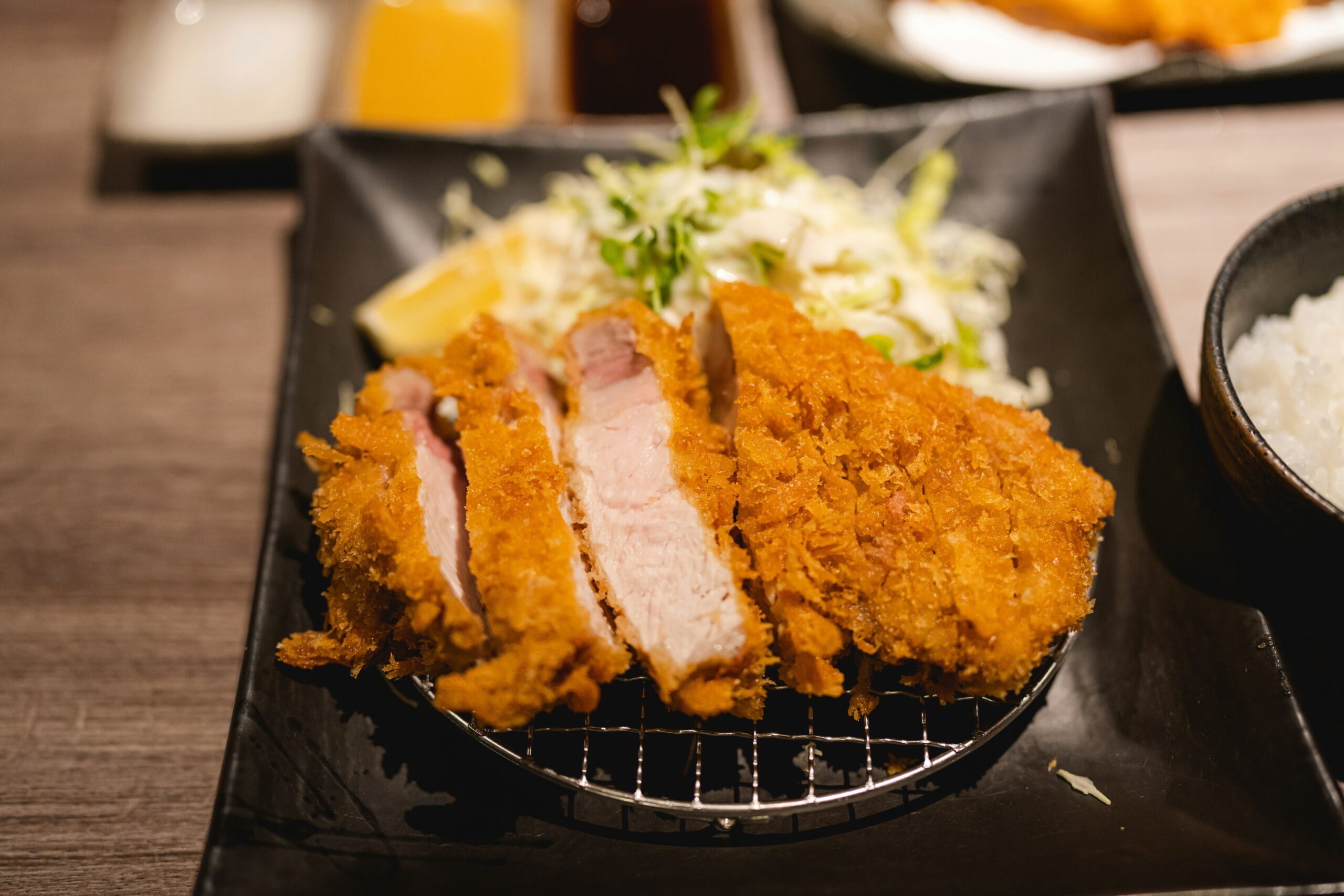
Breaded pork cutlet fried with precision, served with cabbage and rice. The quality of the meat and frying technique make this far better than it sounds on paper.

  • Maisen - Famous for tender pork and easy atmosphere
  • Tonkatsu Narikura - High end cutlets, worth the detour
  • Katsukura - Consistent and accessible classic

Tempura

Light batter, seasonal ingredients, and careful frying. Good tempura feels clean and delicate, never heavy, and is best eaten freshly made piece by piece.

  • Tendon Tenya - Affordable and fast introduction
  • Tempura Tsunahachi - Traditional counter experience
  • Daikokuya - Old school and filling tendon bowls

Izakaya food

Grilled skewers, small plates, and seasonal dishes shared over drinks. This is where everyday Tokyo evenings happen and where meals stretch naturally.

  • Torikizoku - Casual chain, very local feel
  • Omoide Yokocho - Dense alley of classic izakayas
  • Uoshin - Seafood focused izakaya, lively nights

Gyudon

Thin sliced beef over rice, served fast and cheaply. It is a daily staple and a good way to see how efficiency and comfort food intersect.

  • Yoshinoya - The original beef bowl chain
  • Sukiya - Wide menu and easy to find
  • Matsuya - Good value and late night friendly

Convenience store food

Onigiri, egg sandwiches, and desserts that are genuinely good. This is not a fallback option, but part of normal daily eating in Tokyo.

  • 7-Eleven Japan - Best overall quality and variety
  • FamilyMart - Strong snacks and hot food
  • Lawson - Desserts and lighter options

Our take: Do not chase famous restaurants across the city. Eat well near where you are, trust busy places, and keep meals flexible. Tokyo rewards rhythm more than reservations.

When and how to eat

General rhythm
Eating in Tokyo follows an efficient, quiet rhythm. Meals are focused on the food, not conversation or lingering. You order, eat, and leave without pressure, unless the place is designed for slow dining like izakayas or cafés.

Breakfast
Breakfast is light and often informal. Outside hotels, options are limited to bakeries, cafés, or convenience stores. Brunch culture is small, and popular spots fill quickly on weekends, making early timing important if you want a sit down meal.

Lunch
Lunch is the best value window. Many restaurants offer set menus that are smaller, cheaper, and faster than dinner. Lines between noon and 1pm are common, especially in business areas, but they move quickly and are part of the routine.

Dinner
Dinner usually starts earlier than in many countries, often between 6 and 8pm. Restaurants are compact and tables turn efficiently. Izakayas are the exception, where meals stretch longer and drinking plays a central role in the experience.

Reservations
Reservations matter more than expected. Many good restaurants are small and book out easily, especially sushi, yakiniku, and trendy spots. Walk ins work best for chains, ramen shops, and casual places near stations.

Mindset
Flexibility matters more than planning everything. Tokyo rewards eating near where you are, trusting busy places, and adjusting plans on the fly. Some of the best meals happen when you stop searching and just walk in.

Our take: Eat earlier, book only what you must, and let location guide your choices. Tokyo food works best when it fits your day, not when the day revolves around food.

Where to eat by neighbourhood

Tokyo food is best planned by area. Each neighbourhood has a clear food identity, and eating locally saves time while keeping quality high. These are reliable zones and places that work well on a first trip.

Shibuya: Trend driven, casual, and busy, with fast turnover and plenty of first time friendly spots.

  • Uobei Shibuya – Fun, fast conveyor sushi with consistent quality and zero pressure.
  • Afuri Shibuya – Clean, lighter ramen that works well for first timers.
  • Torikizoku – Casual yakitori chain that feels local and easy.

Shinjuku: Dense and overwhelming, but excellent for ramen, izakayas, and late night eating.

  • Menya Musashi – Bold ramen flavors and large portions, very popular.
  • Omoide Yokocho – Alley packed with classic izakayas and grilled skewers.
  • Ushigoro Bambina – Trendy yakiniku with stylish plates and strong buzz.

Asakusa: Traditional area with simple food and classic Tokyo atmosphere.

  • Daikokuya – Famous tendon bowls, filling and old school.
  • Asakusa Imahan – Sukiyaki and beef dishes in a historic setting.
  • Benitsuru – Popular fluffy pancakes with long but orderly lines.

Harajuku: Youthful, sweet focused, and very social media driven.

  • A Happy Pancake – Soufflé pancakes built for photos and sharing.
  • Eggs n Things Harajuku – Brunch style plates with strong influencer pull.
  • Harajuku Gyozaro – Casual gyoza spot that is fast and satisfying.

Ginza: Polished and reliable, with higher prices and consistent quality.

  • Sushi no Midori Ginza – High quality sushi without luxury pricing.
  • Tempura Tsunahachi – Traditional tempura counter, easy to enjoy.
  • Ippudo Ginza – Refined ramen in a calmer setting.

Our take: Pick food based on where you already are. One planned meal per day is enough, the rest should come from busy places nearby. Tokyo rewards convenience and instinct more than research.

Through travelers’ eyes

Some of the best food moments in Tokyo are not planned or photographed professionally. This section shares real meals from real travelers, from quick ramen stops to late izakaya dinners, showing how food actually fits into everyday days on the ground.

Travelers' tips

The tips below come from travelers who explored Tokyo through its food. Simple observations, favorite spots, and small practical notes gathered from real experiences - the kind of details that help you choose where to eat and what to try with more confidence.

"Most restaurants need reservations far in advance. The best way to handle any restaurant reservation is to have your hotel concierge call and reserve. There were quite a few where we couldn’t get one almost two-three weeks in advance."

"Where to find breakfast in Tokyo: Most cafes and restaurants in Tokyo don’t open until mid-morning, so finding breakfast can be tricky (especially if you have dietary restrictions). Surprisingly, Starbucks is a reliable option (with vegan donuts and other food), or grab something at one of Japan’s beloved conbini (convenience stores)."

"Tokyo is truly a foodie’s dream! There are endless places to try (...) My main piece of advice would be to incorporate as much a variety of foods and experiences Japan has to offer during your trip. Some food experiences of note include: omakase, kaiseki, izakaya, vending machine ramen, sushi conveyer belts, and so many more!"

"Continue working your way towards the famous Omoide Yokocho (Memory Lane) for dinner. This hidden alleyway is famous for maintaining a more traditional Japanese feel to it, where you feel like you’ve transplanted back in time. There are many small restaurants to choose from, all walk in only and typically pretty quick service. Note, it did get a bit crowded and was definitely touristy, but we are still glad we got to explore this cute/fun area!"

"If there’s one meal that captures Japan’s artistry, it’s omakase - which literally means “I’ll leave it up to you.” The chef chooses the entire meal, curating each course around the season’s freshest fish."

"Shinjuku Golden Gai is a district of Kabukicho within Shinjuku that is much like Omoide Yochoko, but for drinks. (...) These streets are home to about 200 different bars, each that can only hold up to 8 people at a time! I don’t really have a suggestion for the “best bar” to stop at here, we just wandered the streets till we found one that looked open and had space. Inside we had a drink and a great conversation with the bartender chatting about baseball!"

"Seafood lovers will adore exploring Tsukiji Outer Market. It’s a several-block large market filled with restaurants, fresh seafood, and cooking-related shops. It’s slightly touristy but still worth visiting. The question here isn’t where to eat but which of the many restaurants you’ll choose. You can find premium fresh seafood, sushi, sake, and more. (...) Make sure to come on the early side for lunch for the best experience. Once it gets too crowded here (around 11am onwards) its hard to actually get any food to eat!"

FAQs

Is Tokyo a good city for food if I do not speak Japanese?

Yes. Most restaurants rely on visuals, vending machines, set menus, or simple ordering flows. Staff are used to tourists, and pointing or using photos works well. Language is rarely a real barrier.

Do I need reservations for most restaurants in Tokyo?

No. Reservations are mainly needed for sushi counters, yakiniku, and trendy spots. Ramen, casual places, and chains work well without booking, especially if you eat slightly earlier.

Is it okay to eat alone in Tokyo?

Absolutely. Solo dining is very common and socially normal. Many restaurants are designed for one person, especially ramen, gyudon, and curry spots, making it one of the easiest cities to eat alone.

Are food queues always worth it?

Not always, but queues usually signal quality or value. If the line is local and moving fast, it is often worth it. Long influencer driven lines are more hit or miss.

How expensive is eating in Tokyo?

You can eat very well on a modest budget. Everyday meals are affordable, lunch sets offer great value, and convenience stores cover basics cheaply. High end dining exists but is optional.

Can I rely on convenience stores for meals?

Yes, especially for breakfast, snacks, or late nights. Onigiri, sandwiches, and hot food are fresh and reliable. They are part of daily life, not a last resort.

Are dietary restrictions easy to manage?

Vegetarian and allergy friendly options exist but require planning. Seafood based dishes are common, and many broths contain fish or meat. Researching a few safe places in advance helps.

Is tipping expected in restaurants?

No. Tipping is not part of Japanese culture and can even cause confusion. Service is included, and good service is standard regardless of price.

Should I plan meals around sightseeing or the other way around?

Plan food around where you already are. Tokyo rewards eating locally, and crossing the city just to eat rarely improves the experience enough to justify the time.

What and where to eat in Tokyo

Last updated on February 13, 2026

Intro

Tokyo’s food scene isn’t about chasing the best meal of your life. It’s about how good food fits into everyday life here, quietly, consistently, and almost everywhere. Eating well feels normal, not like a special occasion.


You’ll notice how much care goes into simple things. A bowl of ramen eaten standing up. A tiny sushi counter with six seats. A convenience store snack that’s better than it has any right to be. Meals are quick when they need to be, slow when you want them to be.


What makes eating in Tokyo memorable is not excess, but precision. Clear rules, strong traditions, and deep respect for ingredients. Once you tune into that rhythm, food becomes one of the easiest and most rewarding ways to understand the city.

[travel_quick_facts]

What and where to eat

If it’s your first time in Tokyo, these are the food experiences you should not skip. They reflect how people actually eat here and show the balance between speed, quality, and precision that defines Tokyo food culture.

Sushi (casual counter style)

Fresh fish, lightly seasoned rice, and careful pacing. You do not need luxury sushi to understand why this matters in Tokyo, just a good counter and a few pieces eaten properly.

  • Sushi no Midori - High quality, busy, and reliable for first timers
  • Uobei Shibuya - Fast, modern, and surprisingly solid
  • Sushi Dai - Famous Tsukiji style experience, very early lines

Ramen

Deep broths, firm noodles, and endless variation. Ramen is fast food done seriously, often eaten alone, quickly, and without ceremony, which is exactly how it should be experienced.

  • Ichiran - Focused tonkotsu ramen, solo friendly booths
  • Afuri - Lighter yuzu based broth, easy entry point
  • Menya Musashi - Rich, bold flavors with thick noodles

Tonkatsu

Breaded pork cutlet fried with precision, served with cabbage and rice. The quality of the meat and frying technique make this far better than it sounds on paper.

  • Maisen - Famous for tender pork and easy atmosphere
  • Tonkatsu Narikura - High end cutlets, worth the detour
  • Katsukura - Consistent and accessible classic

Tempura

Light batter, seasonal ingredients, and careful frying. Good tempura feels clean and delicate, never heavy, and is best eaten freshly made piece by piece.

  • Tendon Tenya - Affordable and fast introduction
  • Tempura Tsunahachi - Traditional counter experience
  • Daikokuya - Old school and filling tendon bowls

Izakaya food

Grilled skewers, small plates, and seasonal dishes shared over drinks. This is where everyday Tokyo evenings happen and where meals stretch naturally.

  • Torikizoku - Casual chain, very local feel
  • Omoide Yokocho - Dense alley of classic izakayas
  • Uoshin - Seafood focused izakaya, lively nights

Gyudon

Thin sliced beef over rice, served fast and cheaply. It is a daily staple and a good way to see how efficiency and comfort food intersect.

  • Yoshinoya - The original beef bowl chain
  • Sukiya - Wide menu and easy to find
  • Matsuya - Good value and late night friendly

Convenience store food

Onigiri, egg sandwiches, and desserts that are genuinely good. This is not a fallback option, but part of normal daily eating in Tokyo.

  • 7-Eleven Japan - Best overall quality and variety
  • FamilyMart - Strong snacks and hot food
  • Lawson - Desserts and lighter options

Our take: Do not chase famous restaurants across the city. Eat well near where you are, trust busy places, and keep meals flexible. Tokyo rewards rhythm more than reservations.

Trendy places to eat

These spots dominate feeds right now. They are visually strong, easy to recognize, and heavily shared. Expect queues, reservations, and a crowd that knows exactly why they are there.

Brunch and all day cafés

Bills Omotesando - Clean plates, soft light, and the city’s most posted ricotta pancakes.
MERCER BRUNCH - Stylish brunch sets and terrace vibes made for social media.
Crisscross Aoyama - Open space, greenery, and relaxed Western style brunch culture.

Desserts and sweets

A Happy Pancake - Ultra fluffy soufflé pancakes built for photos and videos.
Benitsuru - Thick Japanese pancakes with long lines and strong hype.
Imoya Suikou - Sweet potato desserts with minimalist, viral presentation.

Casual Japanese with buzz

Kikanbo - Spicy miso ramen, heavy visuals, and constant online presence.
Menchirashi - Extreme tsukemen noodles that dominate food reels.
Yakiniku Like - Solo grilled meat concept designed for speed and sharing.

Coffee and lifestyle spots

Blue Bottle Coffee Shibuya - Minimal design, clean cups, and endless Instagram posts.
% Arabica Tokyo - Iconic branding and simple coffee made for visuals.
Fuglen Tokyo - Nordic café by day, cool crowd magnet on social media.

Modern sushi and Japanese dining

Sushi Tokyo Ten - Accessible omakase with polished pacing and online buzz.
Gonpachi Nishi-Azabu - Dramatic interior and cinematic appeal beyond the food.
Ushigoro Bambina - Stylish yakiniku plates that photograph extremely well.

Our take: Trendy places are fun but time consuming. Pick one per day at most, go early or late, and balance them with low key local meals to avoid queue fatigue.

When and how to eat

General rhythm
Eating in Tokyo follows an efficient, quiet rhythm. Meals are focused on the food, not conversation or lingering. You order, eat, and leave without pressure, unless the place is designed for slow dining like izakayas or cafés.

Breakfast
Breakfast is light and often informal. Outside hotels, options are limited to bakeries, cafés, or convenience stores. Brunch culture is small, and popular spots fill quickly on weekends, making early timing important if you want a sit down meal.

Lunch
Lunch is the best value window. Many restaurants offer set menus that are smaller, cheaper, and faster than dinner. Lines between noon and 1pm are common, especially in business areas, but they move quickly and are part of the routine.

Dinner
Dinner usually starts earlier than in many countries, often between 6 and 8pm. Restaurants are compact and tables turn efficiently. Izakayas are the exception, where meals stretch longer and drinking plays a central role in the experience.

Reservations
Reservations matter more than expected. Many good restaurants are small and book out easily, especially sushi, yakiniku, and trendy spots. Walk ins work best for chains, ramen shops, and casual places near stations.

Mindset
Flexibility matters more than planning everything. Tokyo rewards eating near where you are, trusting busy places, and adjusting plans on the fly. Some of the best meals happen when you stop searching and just walk in.

Our take: Eat earlier, book only what you must, and let location guide your choices. Tokyo food works best when it fits your day, not when the day revolves around food.

Where to eat by neighbourhood

Tokyo food is best planned by area. Each neighbourhood has a clear food identity, and eating locally saves time while keeping quality high. These are reliable zones and places that work well on a first trip.

Shibuya: Trend driven, casual, and busy, with fast turnover and plenty of first time friendly spots.

  • Uobei Shibuya – Fun, fast conveyor sushi with consistent quality and zero pressure.
  • Afuri Shibuya – Clean, lighter ramen that works well for first timers.
  • Torikizoku – Casual yakitori chain that feels local and easy.

Shinjuku: Dense and overwhelming, but excellent for ramen, izakayas, and late night eating.

  • Menya Musashi – Bold ramen flavors and large portions, very popular.
  • Omoide Yokocho – Alley packed with classic izakayas and grilled skewers.
  • Ushigoro Bambina – Trendy yakiniku with stylish plates and strong buzz.

Asakusa: Traditional area with simple food and classic Tokyo atmosphere.

  • Daikokuya – Famous tendon bowls, filling and old school.
  • Asakusa Imahan – Sukiyaki and beef dishes in a historic setting.
  • Benitsuru – Popular fluffy pancakes with long but orderly lines.

Harajuku: Youthful, sweet focused, and very social media driven.

  • A Happy Pancake – Soufflé pancakes built for photos and sharing.
  • Eggs n Things Harajuku – Brunch style plates with strong influencer pull.
  • Harajuku Gyozaro – Casual gyoza spot that is fast and satisfying.

Ginza: Polished and reliable, with higher prices and consistent quality.

  • Sushi no Midori Ginza – High quality sushi without luxury pricing.
  • Tempura Tsunahachi – Traditional tempura counter, easy to enjoy.
  • Ippudo Ginza – Refined ramen in a calmer setting.

Our take: Pick food based on where you already are. One planned meal per day is enough, the rest should come from busy places nearby. Tokyo rewards convenience and instinct more than research.

Through travelers’ eyes

Some of the best food moments in Tokyo are not planned or photographed professionally. This section shares real meals from real travelers, from quick ramen stops to late izakaya dinners, showing how food actually fits into everyday days on the ground.

Travelers' tips

The tips below come from travelers who explored Tokyo through its food. Simple observations, favorite spots, and small practical notes gathered from real experiences - the kind of details that help you choose where to eat and what to try with more confidence.

"Most restaurants need reservations far in advance. The best way to handle any restaurant reservation is to have your hotel concierge call and reserve. There were quite a few where we couldn’t get one almost two-three weeks in advance."

"Where to find breakfast in Tokyo: Most cafes and restaurants in Tokyo don’t open until mid-morning, so finding breakfast can be tricky (especially if you have dietary restrictions). Surprisingly, Starbucks is a reliable option (with vegan donuts and other food), or grab something at one of Japan’s beloved conbini (convenience stores)."

"Tokyo is truly a foodie’s dream! There are endless places to try (...) My main piece of advice would be to incorporate as much a variety of foods and experiences Japan has to offer during your trip. Some food experiences of note include: omakase, kaiseki, izakaya, vending machine ramen, sushi conveyer belts, and so many more!"

"Continue working your way towards the famous Omoide Yokocho (Memory Lane) for dinner. This hidden alleyway is famous for maintaining a more traditional Japanese feel to it, where you feel like you’ve transplanted back in time. There are many small restaurants to choose from, all walk in only and typically pretty quick service. Note, it did get a bit crowded and was definitely touristy, but we are still glad we got to explore this cute/fun area!"

"If there’s one meal that captures Japan’s artistry, it’s omakase - which literally means “I’ll leave it up to you.” The chef chooses the entire meal, curating each course around the season’s freshest fish."

"Shinjuku Golden Gai is a district of Kabukicho within Shinjuku that is much like Omoide Yochoko, but for drinks. (...) These streets are home to about 200 different bars, each that can only hold up to 8 people at a time! I don’t really have a suggestion for the “best bar” to stop at here, we just wandered the streets till we found one that looked open and had space. Inside we had a drink and a great conversation with the bartender chatting about baseball!"

"Seafood lovers will adore exploring Tsukiji Outer Market. It’s a several-block large market filled with restaurants, fresh seafood, and cooking-related shops. It’s slightly touristy but still worth visiting. The question here isn’t where to eat but which of the many restaurants you’ll choose. You can find premium fresh seafood, sushi, sake, and more. (...) Make sure to come on the early side for lunch for the best experience. Once it gets too crowded here (around 11am onwards) its hard to actually get any food to eat!"

Food tips for planning your days

Tokyo food planning works best when it supports your route, not when it drives it. These tips help you eat well without losing time or energy moving around the city.

  • Eat by area: Choose meals near where you already are to avoid long transfers just for food.
  • Plan one meal max: One planned restaurant per day is enough, leave the rest flexible.
  • Go early: Eating before peak hours reduces queues and stress, especially at lunch and dinner.
  • Follow the crowd: Busy places with simple menus are usually a safe and high quality choice.
  • Use lunch sets: Lunch menus offer the best value at places that are expensive at dinner.
  • Do not fear chains: Many chains deliver consistent quality and save time on busy days.
  • Keep dinner lighter: Heavy dinners slow you down, izakaya style meals are easier to pace.
  • Use convenience stores: They are perfect for breakfast, snacks, or late arrivals.

FAQs

Is Tokyo a good city for food if I do not speak Japanese?

Yes. Most restaurants rely on visuals, vending machines, set menus, or simple ordering flows. Staff are used to tourists, and pointing or using photos works well. Language is rarely a real barrier.

Do I need reservations for most restaurants in Tokyo?

No. Reservations are mainly needed for sushi counters, yakiniku, and trendy spots. Ramen, casual places, and chains work well without booking, especially if you eat slightly earlier.

Is it okay to eat alone in Tokyo?

Absolutely. Solo dining is very common and socially normal. Many restaurants are designed for one person, especially ramen, gyudon, and curry spots, making it one of the easiest cities to eat alone.

Are food queues always worth it?

Not always, but queues usually signal quality or value. If the line is local and moving fast, it is often worth it. Long influencer driven lines are more hit or miss.

How expensive is eating in Tokyo?

You can eat very well on a modest budget. Everyday meals are affordable, lunch sets offer great value, and convenience stores cover basics cheaply. High end dining exists but is optional.

Can I rely on convenience stores for meals?

Yes, especially for breakfast, snacks, or late nights. Onigiri, sandwiches, and hot food are fresh and reliable. They are part of daily life, not a last resort.

Are dietary restrictions easy to manage?

Vegetarian and allergy friendly options exist but require planning. Seafood based dishes are common, and many broths contain fish or meat. Researching a few safe places in advance helps.

Is tipping expected in restaurants?

No. Tipping is not part of Japanese culture and can even cause confusion. Service is included, and good service is standard regardless of price.

Should I plan meals around sightseeing or the other way around?

Plan food around where you already are. Tokyo rewards eating locally, and crossing the city just to eat rarely improves the experience enough to justify the time.

HELP US IMPROVE

How likely are you to recommend Know to Travel to a friend or fellow traveler?

Not likely at all
Extremely likely