Best time to visit New York

Last updated on February 9, 2026

Intro

There is no single best time to visit New York, but there is a best time for the trip you want to have. The city changes noticeably through the year, not just in weather, but in pace, crowds, prices, and how easy days feel.


Some months are made for long walks, parks, and outdoor plans. Others work better for museums, shows, and a quieter city rhythm. The same itinerary can feel relaxed or exhausting depending on when you come.


This guide helps you choose timing with intention. It connects seasons to real travel trade-offs so you can pick when New York fits your priorities, whether that is comfort, atmosphere, budget, or how much energy you want each day to require.

Our take: In 2023, we went to New York right after Christmas – yep, we even flew on December 25th! It was full-on winter: layers, coffee breaks, and lots of walks to stay warm. Luckily, it wasn’t as cold as we feared, so we still managed to do everything we wanted. This year, we’re going back in late September, and we’re so excited. We can already feel the city will have a totally different vibe, and we can’t wait to experience it all over again.

By type of traveler

The best time to visit New York depends less on the calendar and more on what kind of trip you want. These recommendations connect travel style to timing, not theory.

For first-time visitors

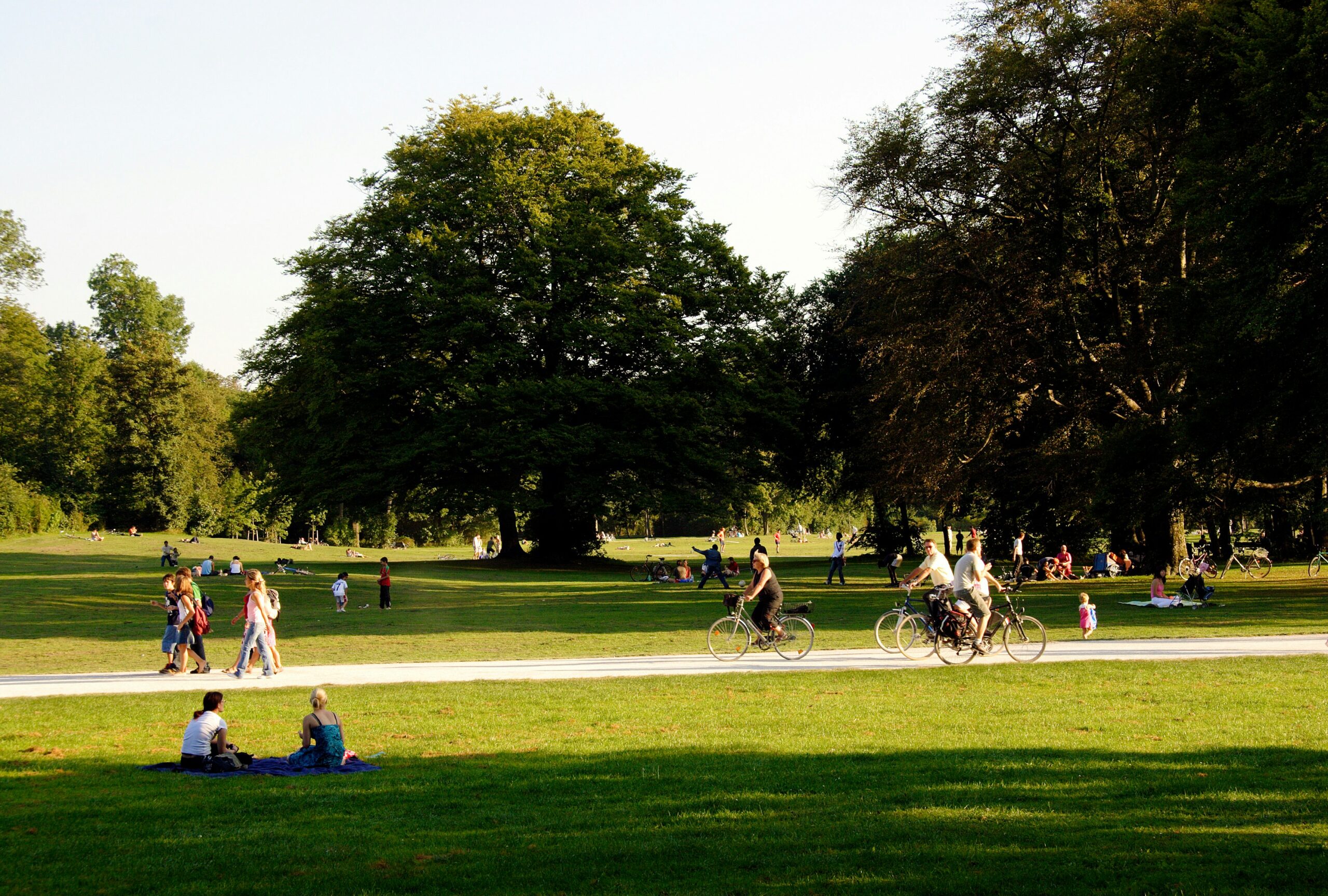
Late April to early June and September to October are the easiest. Walking feels comfortable, Central Park works as a daily break, and you can mix museums, neighborhoods, and views without weather friction. This is basically a safe choice that allows you to make the most of your trip (without fighting the weather or the crowds)!

For walking-focused travelers

May and October are ideal. Long distances feel manageable, bridges and parks are pleasant, and you can explore neighborhoods on foot without planning indoor escapes.

For culture and museums lovers

New York is a year-round destination for culture lovers, with museums and Broadway shows running in every season. Keep in mind that both temporary exhibitions and shows rotate, so if there’s something specific you want to see, it’s always a good idea to check schedules before your trip. If you prefer fewer crowds, November to March works best, excluding holidays. Museums, galleries, and Broadway fit naturally into shorter days, and visitor numbers drop noticeably once December ends.

For foodies

New York is a food lover’s paradise all year round, but a few seasonal events can make a trip extra special. Restaurant Week in winter (Jan–Feb) and summer (Jul–Aug) offers fixed-price menus at top spots, while outdoor markets like Smorgasburg run from spring through fall for casual tasting adventures. Fall and the holiday season often bring seasonal festivals and special menus. In general, October–November and March–May are great because reservations are easier, and eating feels less rushed than in the peak summer months.

For budget-conscious travelers

January and February offer the lowest hotel prices and fewer visitors. You trade weather for space, but museums, shows, and neighborhoods remain fully active.

For families with kids

When traveling with kids, every little thing matters - and the truth is, New York is amazing throughout the year. That said, late spring and early fall are the easiest seasons, offering a good balance of comfortable weather and manageable crowds. Parks, zoos, and walking-heavy days are more enjoyable without the summer heat or winter cold, making it easier to explore the city at your own pace.

For festive atmosphere seekers

Late November and December deliver holiday markets, window displays, and seasonal events, with higher prices and heavier crowds as the trade-off. Speaking from experience, visiting New York during the holiday season is truly magical - you can see the Rockefeller Christmas tree, go ice skating in Central Park, and enjoy all the iconic winter scenes. If you want that classic movie-like experience, it’s definitely worth it!

Our take: If you are unsure, default to late spring or early fall. They demand the fewest compromises across most travel styles.

Crowds, prices, and availability

Crowds and prices in New York follow a clear annual pattern. Knowing when demand peaks or drops helps you decide whether to optimize for comfort, budget, or atmosphere.

  • January–February (low season)
    Lowest crowds and best hotel availability. Good 3–4★ hotels often drop to $180–300 / €165–275 per night in Manhattan. Attractions are quiet, but cold limits outdoor time.
  • March–early April (shoulder)
    Crowds start to return, prices rise slightly. Hotels average $220–350 / €200–320. Weather is mixed, but museums and indoor plans work well.
  • Late April–June (high season)
    Comfortable weather drives demand. Hotels jump to $300–500 / €275–460, availability tightens, and popular attractions sell out faster. One of the busiest periods.
  • July–August (peak, uneven)
    Tourist crowds stay high, but business travel drops. Hotels range widely, $250–450 / €230–415. Heat reduces walking comfort, but availability can improve on weekends.
  • September–October (high season)
    One of the most competitive periods. Excellent weather and cultural restart push prices to $350–550 / €320–505. Book early for hotels and shows.
  • November (split month)
    Early November is calmer with mid-range prices $280–420 / €255–385. Thanksgiving week spikes sharply in both crowds and cost.
  • December (holiday peak)
    Early December is manageable, but mid-month onward is very busy. Hotels often exceed $400–600 / €365–550, with limited availability and heavy crowds.


Our take: For balance, target May or early October. For value, go in January or February. December only makes sense if the holiday atmosphere is the priority.

When to avoid visiting New York

New York is incredible any time of year, but in this section we’re focusing only on some of the challenges or trade-offs certain periods can bring. The goal isn’t to discourage you, it’s just to help you plan ahead so you know what to expect and can make the most of your trip.

Late December (Christmas week to New Year)
Extremely crowded and expensive. Hotels peak, sidewalks are packed, and simple plans take longer. The atmosphere is festive, but logistics overwhelm most first-time trips.

Mid-summer heatwaves (July–August)
High humidity and heat make walking-heavy days uncomfortable. Outdoor sightseeing slows down, and you end up relying more on transport and indoor plans than expected.

Thanksgiving week (late November)
Short spike in prices and crowds around a single event. Availability tightens quickly, and the city feels congested without offering much beyond the parade itself.

Early March cold snaps
Weather is often gray, cold, and unpredictable. Parks lose appeal, and the city feels less inviting without the benefit of peak winter pricing.

Major convention or marathon weekends
Large events like the New York City Marathon raise prices and disrupt transport and neighborhoods, even if you are not attending.

Our take: If flexibility matters, avoid late December and holiday weeks. Outside those windows, New York rarely needs to be avoided, just approached differently.

FAQs

What is the single best month to visit New York?

There is no single best month, but May and October are the most balanced. Weather is comfortable for walking, parks are pleasant, and the city runs at full speed without the extremes of summer heat or winter cold.

Is summer a bad time to visit New York?

Not bad, but demanding. June to August brings long days and outdoor events, but heat and humidity slow walking-heavy itineraries. Plan fewer daytime activities and shift focus to evenings and indoor options.

Is winter worth it for a first trip?

It can be! January and February are great if you’re looking for lighter crowds and lower prices, though outdoor time is more limited. On the other hand, the holiday season (late November to December) is busier and more expensive, but it’s magical for festive lovers, with holiday markets and window displays. If museums, shows, and exploring neighborhoods matter more than parks, winter can definitely work well.

When are hotel prices at their lowest?

January and February consistently offer the best value, with significantly lower rates and good availability. The trade-off is weather, not access to attractions.

Is December a good time to visit?

Early December can be a great choice if you want some seasonal atmosphere without huge crowds. From mid-December onward, crowds and prices do spike, which can make logistics trickier for first-time visitors- On the other hand if you are a holiday lover, this is also when the city is at its most magical, with festive lights, markets, and iconic winter experiences.

How does fall compare to spring?

Both are excellent. Fall is slightly busier and more expensive due to cultural reopening and events. Spring feels lighter and less crowded but has more variable weather early on.

Does weather affect what I can do?

Yes. Parks, bridges, and long walks work best in mild weather. In heat or cold, itineraries shift naturally toward museums, shows, and shorter outdoor stretches.

Are shoulder seasons really that much better?

Overall, yes. Late spring and early fall demand the fewest compromises across weather, crowds, and prices. For most travelers, they offer the smoothest experience.

When should I book if traveling in peak months?

For September, October, and December, it’s best to book hotels and shows early. High demand can limit availability, especially in central areas of New York City, even if prices haven’t spiked yet. The earlier you plan, the more options you’ll have for both accommodations and shows (we would say 2–6 months in advance).

Best time to visit New York

Last updated on February 9, 2026

Intro

There is no single best time to visit New York, but there is a best time for the trip you want to have. The city changes noticeably through the year, not just in weather, but in pace, crowds, prices, and how easy days feel.


Some months are made for long walks, parks, and outdoor plans. Others work better for museums, shows, and a quieter city rhythm. The same itinerary can feel relaxed or exhausting depending on when you come.


This guide helps you choose timing with intention. It connects seasons to real travel trade-offs so you can pick when New York fits your priorities, whether that is comfort, atmosphere, budget, or how much energy you want each day to require.

Our take: In 2023, we went to New York right after Christmas – yep, we even flew on December 25th! It was full-on winter: layers, coffee breaks, and lots of walks to stay warm. Luckily, it wasn’t as cold as we feared, so we still managed to do everything we wanted. This year, we’re going back in late September, and we’re so excited. We can already feel the city will have a totally different vibe, and we can’t wait to experience it all over again.

By season

New York changes more by season than most cities. Weather affects how much you walk, how long days feel, and what kind of plans make sense.

Spring (March–May) Spring is transitional. March is still cool and unpredictable, but by April and May walking becomes comfortable. Central Park fills again, museums balance well with outdoor time, and the city feels lighter without peak crowds. Average temperatures: 8–21°C (46–70°F).
Summer (June–August) Summer is energetic and demanding. Long days, rooftop culture, and outdoor events define the season, but heat and humidity slow you down. Walking-heavy itineraries require breaks, and evenings work better than afternoons. Average temperatures: 20–29°C (68–84°F).
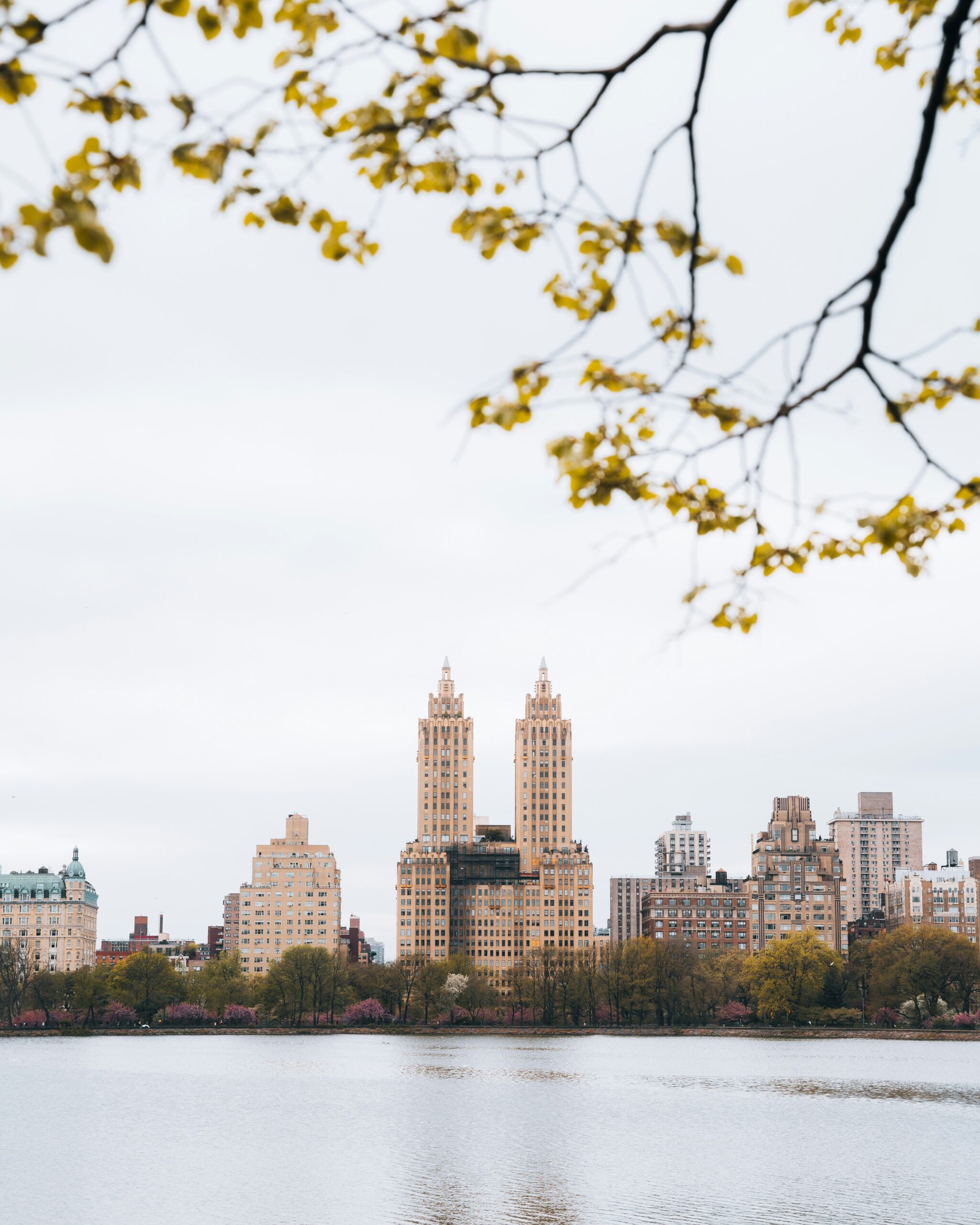
Fall (September–November) Fall is the easiest season to visit. Temperatures are comfortable, parks change color, and cultural life restarts. Walking feels natural all day, and both outdoor sights and museums fit well without weather pressure. Average temperatures: 10–24°C (50–75°F).
Winter (December–February) Winter is colder and more contained. December is busy and festive, while January and February are quieter and cheaper. Plans shift indoors toward museums, shows, and neighborhoods rather than long walks. Average temperatures: –2–6°C (28–43°F).

Our take: If you’re looking for a time when New York feels easy to explore, late spring or early fall are hard to beat. Summer and winter have their own charm, but they do ask for a little extra planning.

By type of traveler

The best time to visit New York depends less on the calendar and more on what kind of trip you want. These recommendations connect travel style to timing, not theory.

For first-time visitors

Late April to early June and September to October are the easiest. Walking feels comfortable, Central Park works as a daily break, and you can mix museums, neighborhoods, and views without weather friction. This is basically a safe choice that allows you to make the most of your trip (without fighting the weather or the crowds)!

For walking-focused travelers

May and October are ideal. Long distances feel manageable, bridges and parks are pleasant, and you can explore neighborhoods on foot without planning indoor escapes.

For culture and museums lovers

New York is a year-round destination for culture lovers, with museums and Broadway shows running in every season. Keep in mind that both temporary exhibitions and shows rotate, so if there’s something specific you want to see, it’s always a good idea to check schedules before your trip. If you prefer fewer crowds, November to March works best, excluding holidays. Museums, galleries, and Broadway fit naturally into shorter days, and visitor numbers drop noticeably once December ends.

For foodies

New York is a food lover’s paradise all year round, but a few seasonal events can make a trip extra special. Restaurant Week in winter (Jan–Feb) and summer (Jul–Aug) offers fixed-price menus at top spots, while outdoor markets like Smorgasburg run from spring through fall for casual tasting adventures. Fall and the holiday season often bring seasonal festivals and special menus. In general, October–November and March–May are great because reservations are easier, and eating feels less rushed than in the peak summer months.

For budget-conscious travelers

January and February offer the lowest hotel prices and fewer visitors. You trade weather for space, but museums, shows, and neighborhoods remain fully active.

For families with kids

When traveling with kids, every little thing matters - and the truth is, New York is amazing throughout the year. That said, late spring and early fall are the easiest seasons, offering a good balance of comfortable weather and manageable crowds. Parks, zoos, and walking-heavy days are more enjoyable without the summer heat or winter cold, making it easier to explore the city at your own pace.

For festive atmosphere seekers

Late November and December deliver holiday markets, window displays, and seasonal events, with higher prices and heavier crowds as the trade-off. Speaking from experience, visiting New York during the holiday season is truly magical - you can see the Rockefeller Christmas tree, go ice skating in Central Park, and enjoy all the iconic winter scenes. If you want that classic movie-like experience, it’s definitely worth it!

Our take: If you are unsure, default to late spring or early fall. They demand the fewest compromises across most travel styles.

Crowds, prices, and availability

Crowds and prices in New York follow a clear annual pattern. Knowing when demand peaks or drops helps you decide whether to optimize for comfort, budget, or atmosphere.

  • January–February (low season)
    Lowest crowds and best hotel availability. Good 3–4★ hotels often drop to $180–300 / €165–275 per night in Manhattan. Attractions are quiet, but cold limits outdoor time.
  • March–early April (shoulder)
    Crowds start to return, prices rise slightly. Hotels average $220–350 / €200–320. Weather is mixed, but museums and indoor plans work well.
  • Late April–June (high season)
    Comfortable weather drives demand. Hotels jump to $300–500 / €275–460, availability tightens, and popular attractions sell out faster. One of the busiest periods.
  • July–August (peak, uneven)
    Tourist crowds stay high, but business travel drops. Hotels range widely, $250–450 / €230–415. Heat reduces walking comfort, but availability can improve on weekends.
  • September–October (high season)
    One of the most competitive periods. Excellent weather and cultural restart push prices to $350–550 / €320–505. Book early for hotels and shows.
  • November (split month)
    Early November is calmer with mid-range prices $280–420 / €255–385. Thanksgiving week spikes sharply in both crowds and cost.
  • December (holiday peak)
    Early December is manageable, but mid-month onward is very busy. Hotels often exceed $400–600 / €365–550, with limited availability and heavy crowds.


Our take: For balance, target May or early October. For value, go in January or February. December only makes sense if the holiday atmosphere is the priority.

Seasonal events worth planning around

Some moments in New York noticeably change the city’s atmosphere. These events can justify choosing specific dates, as they affect crowds, prices, and how days are structured.

Holiday season

From late November till December the city shifts around Thanksgiving, Rockefeller Center Christmas Tree, holiday markets, and window displays along Fifth Avenue. December is visually unique but crowded and expensive, with longer waits and limited availability.

Summer outdoor season

Warm months (June–August) bring outdoor concerts, open-air movies, and rooftop culture. Events like SummerStage and waterfront programming make evenings lively, even if daytime heat slows sightseeing.

Sports seasons

Baseball dominates spring and summer with the New York Yankees and New York Mets. Fall and winter focus on basketball and hockey at Madison Square Garden, adding evening structure to trips.

US Open

The US Open (late August–early September) draws international crowds and adds energy, especially in Queens. It pairs well with late-summer visits and has limited impact on most Manhattan sightseeing areas.

Fall cultural restart

Broadway seasons relaunch (September–October), major museum exhibitions open, and the city regains a focused rhythm. This period combines strong cultural programming with comfortable weather.

Our take: Plan around events only if they matter to you. Otherwise, avoid holiday weeks and peak sports finals, which add cost and complexity without improving the core New York experience.

When to avoid visiting New York

New York is incredible any time of year, but in this section we’re focusing only on some of the challenges or trade-offs certain periods can bring. The goal isn’t to discourage you, it’s just to help you plan ahead so you know what to expect and can make the most of your trip.

Late December (Christmas week to New Year)
Extremely crowded and expensive. Hotels peak, sidewalks are packed, and simple plans take longer. The atmosphere is festive, but logistics overwhelm most first-time trips.

Mid-summer heatwaves (July–August)
High humidity and heat make walking-heavy days uncomfortable. Outdoor sightseeing slows down, and you end up relying more on transport and indoor plans than expected.

Thanksgiving week (late November)
Short spike in prices and crowds around a single event. Availability tightens quickly, and the city feels congested without offering much beyond the parade itself.

Early March cold snaps
Weather is often gray, cold, and unpredictable. Parks lose appeal, and the city feels less inviting without the benefit of peak winter pricing.

Major convention or marathon weekends
Large events like the New York City Marathon raise prices and disrupt transport and neighborhoods, even if you are not attending.

Our take: If flexibility matters, avoid late December and holiday weeks. Outside those windows, New York rarely needs to be avoided, just approached differently.

Tips for choosing when to visit

These tips help turn seasons and prices into a clear decision based on how you want the trip to feel, not just when flights are cheapest.

  • Default to shoulder seasons: Late spring and early fall balance weather, crowds, and prices best.
  • Plan walking-heavy trips carefully: Avoid peak summer heat and deep winter cold.
  • Use winter for indoor trips: Museums, shows, and neighborhoods work well January–February.
  • Book early for fall: September and October sell out fast due to high demand.
  • Avoid holiday weeks: Late December adds cost and crowds without improving logistics.
  • Match season to priorities: Parks in spring, culture in fall, budget in winter.
  • Check major event dates: Marathons and conventions affect prices and transport.
  • Leave room to adapt: Flexible plans matter more in weather-sensitive months.

FAQs

What is the single best month to visit New York?

There is no single best month, but May and October are the most balanced. Weather is comfortable for walking, parks are pleasant, and the city runs at full speed without the extremes of summer heat or winter cold.

Is summer a bad time to visit New York?

Not bad, but demanding. June to August brings long days and outdoor events, but heat and humidity slow walking-heavy itineraries. Plan fewer daytime activities and shift focus to evenings and indoor options.

Is winter worth it for a first trip?

It can be! January and February are great if you’re looking for lighter crowds and lower prices, though outdoor time is more limited. On the other hand, the holiday season (late November to December) is busier and more expensive, but it’s magical for festive lovers, with holiday markets and window displays. If museums, shows, and exploring neighborhoods matter more than parks, winter can definitely work well.

When are hotel prices at their lowest?

January and February consistently offer the best value, with significantly lower rates and good availability. The trade-off is weather, not access to attractions.

Is December a good time to visit?

Early December can be a great choice if you want some seasonal atmosphere without huge crowds. From mid-December onward, crowds and prices do spike, which can make logistics trickier for first-time visitors- On the other hand if you are a holiday lover, this is also when the city is at its most magical, with festive lights, markets, and iconic winter experiences.

How does fall compare to spring?

Both are excellent. Fall is slightly busier and more expensive due to cultural reopening and events. Spring feels lighter and less crowded but has more variable weather early on.

Does weather affect what I can do?

Yes. Parks, bridges, and long walks work best in mild weather. In heat or cold, itineraries shift naturally toward museums, shows, and shorter outdoor stretches.

Are shoulder seasons really that much better?

Overall, yes. Late spring and early fall demand the fewest compromises across weather, crowds, and prices. For most travelers, they offer the smoothest experience.

When should I book if traveling in peak months?

For September, October, and December, it’s best to book hotels and shows early. High demand can limit availability, especially in central areas of New York City, even if prices haven’t spiked yet. The earlier you plan, the more options you’ll have for both accommodations and shows (we would say 2–6 months in advance).

Best time to visit New York

Last updated on February 9, 2026

Intro

There is no single best time to visit New York, but there is a best time for the trip you want to have. The city changes noticeably through the year, not just in weather, but in pace, crowds, prices, and how easy days feel.


Some months are made for long walks, parks, and outdoor plans. Others work better for museums, shows, and a quieter city rhythm. The same itinerary can feel relaxed or exhausting depending on when you come.


This guide helps you choose timing with intention. It connects seasons to real travel trade-offs so you can pick when New York fits your priorities, whether that is comfort, atmosphere, budget, or how much energy you want each day to require.

Our take: In 2023, we went to New York right after Christmas – yep, we even flew on December 25th! It was full-on winter: layers, coffee breaks, and lots of walks to stay warm. Luckily, it wasn’t as cold as we feared, so we still managed to do everything we wanted. This year, we’re going back in late September, and we’re so excited. We can already feel the city will have a totally different vibe, and we can’t wait to experience it all over again.

By season

New York changes more by season than most cities. Weather affects how much you walk, how long days feel, and what kind of plans make sense.

Spring (March–May) Spring is transitional. March is still cool and unpredictable, but by April and May walking becomes comfortable. Central Park fills again, museums balance well with outdoor time, and the city feels lighter without peak crowds. Average temperatures: 8–21°C (46–70°F).
Summer (June–August) Summer is energetic and demanding. Long days, rooftop culture, and outdoor events define the season, but heat and humidity slow you down. Walking-heavy itineraries require breaks, and evenings work better than afternoons. Average temperatures: 20–29°C (68–84°F).
Fall (September–November) Fall is the easiest season to visit. Temperatures are comfortable, parks change color, and cultural life restarts. Walking feels natural all day, and both outdoor sights and museums fit well without weather pressure. Average temperatures: 10–24°C (50–75°F).
Winter (December–February) Winter is colder and more contained. December is busy and festive, while January and February are quieter and cheaper. Plans shift indoors toward museums, shows, and neighborhoods rather than long walks. Average temperatures: –2–6°C (28–43°F).

Our take: If you’re looking for a time when New York feels easy to explore, late spring or early fall are hard to beat. Summer and winter have their own charm, but they do ask for a little extra planning.

By type of traveler

The best time to visit New York depends less on the calendar and more on what kind of trip you want. These recommendations connect travel style to timing, not theory.

For first-time visitors

Late April to early June and September to October are the easiest. Walking feels comfortable, Central Park works as a daily break, and you can mix museums, neighborhoods, and views without weather friction. This is basically a safe choice that allows you to make the most of your trip (without fighting the weather or the crowds)!

For walking-focused travelers

May and October are ideal. Long distances feel manageable, bridges and parks are pleasant, and you can explore neighborhoods on foot without planning indoor escapes.

For culture and museums lovers

New York is a year-round destination for culture lovers, with museums and Broadway shows running in every season. Keep in mind that both temporary exhibitions and shows rotate, so if there’s something specific you want to see, it’s always a good idea to check schedules before your trip. If you prefer fewer crowds, November to March works best, excluding holidays. Museums, galleries, and Broadway fit naturally into shorter days, and visitor numbers drop noticeably once December ends.

For foodies

New York is a food lover’s paradise all year round, but a few seasonal events can make a trip extra special. Restaurant Week in winter (Jan–Feb) and summer (Jul–Aug) offers fixed-price menus at top spots, while outdoor markets like Smorgasburg run from spring through fall for casual tasting adventures. Fall and the holiday season often bring seasonal festivals and special menus. In general, October–November and March–May are great because reservations are easier, and eating feels less rushed than in the peak summer months.

For budget-conscious travelers

January and February offer the lowest hotel prices and fewer visitors. You trade weather for space, but museums, shows, and neighborhoods remain fully active.

For families with kids

When traveling with kids, every little thing matters - and the truth is, New York is amazing throughout the year. That said, late spring and early fall are the easiest seasons, offering a good balance of comfortable weather and manageable crowds. Parks, zoos, and walking-heavy days are more enjoyable without the summer heat or winter cold, making it easier to explore the city at your own pace.

For festive atmosphere seekers

Late November and December deliver holiday markets, window displays, and seasonal events, with higher prices and heavier crowds as the trade-off. Speaking from experience, visiting New York during the holiday season is truly magical - you can see the Rockefeller Christmas tree, go ice skating in Central Park, and enjoy all the iconic winter scenes. If you want that classic movie-like experience, it’s definitely worth it!

Our take: If you are unsure, default to late spring or early fall. They demand the fewest compromises across most travel styles.

Crowds, prices, and availability

Crowds and prices in New York follow a clear annual pattern. Knowing when demand peaks or drops helps you decide whether to optimize for comfort, budget, or atmosphere.

  • January–February (low season)
    Lowest crowds and best hotel availability. Good 3–4★ hotels often drop to $180–300 / €165–275 per night in Manhattan. Attractions are quiet, but cold limits outdoor time.
  • March–early April (shoulder)
    Crowds start to return, prices rise slightly. Hotels average $220–350 / €200–320. Weather is mixed, but museums and indoor plans work well.
  • Late April–June (high season)
    Comfortable weather drives demand. Hotels jump to $300–500 / €275–460, availability tightens, and popular attractions sell out faster. One of the busiest periods.
  • July–August (peak, uneven)
    Tourist crowds stay high, but business travel drops. Hotels range widely, $250–450 / €230–415. Heat reduces walking comfort, but availability can improve on weekends.
  • September–October (high season)
    One of the most competitive periods. Excellent weather and cultural restart push prices to $350–550 / €320–505. Book early for hotels and shows.
  • November (split month)
    Early November is calmer with mid-range prices $280–420 / €255–385. Thanksgiving week spikes sharply in both crowds and cost.
  • December (holiday peak)
    Early December is manageable, but mid-month onward is very busy. Hotels often exceed $400–600 / €365–550, with limited availability and heavy crowds.


Our take: For balance, target May or early October. For value, go in January or February. December only makes sense if the holiday atmosphere is the priority.

Seasonal events worth planning around

Some moments in New York noticeably change the city’s atmosphere. These events can justify choosing specific dates, as they affect crowds, prices, and how days are structured.

Holiday season

From late November till December the city shifts around Thanksgiving, Rockefeller Center Christmas Tree, holiday markets, and window displays along Fifth Avenue. December is visually unique but crowded and expensive, with longer waits and limited availability.

Summer outdoor season

Warm months (June–August) bring outdoor concerts, open-air movies, and rooftop culture. Events like SummerStage and waterfront programming make evenings lively, even if daytime heat slows sightseeing.

Sports seasons

Baseball dominates spring and summer with the New York Yankees and New York Mets. Fall and winter focus on basketball and hockey at Madison Square Garden, adding evening structure to trips.

US Open

The US Open (late August–early September) draws international crowds and adds energy, especially in Queens. It pairs well with late-summer visits and has limited impact on most Manhattan sightseeing areas.

Fall cultural restart

Broadway seasons relaunch (September–October), major museum exhibitions open, and the city regains a focused rhythm. This period combines strong cultural programming with comfortable weather.

Our take: Plan around events only if they matter to you. Otherwise, avoid holiday weeks and peak sports finals, which add cost and complexity without improving the core New York experience.

When to avoid visiting New York

New York is incredible any time of year, but in this section we’re focusing only on some of the challenges or trade-offs certain periods can bring. The goal isn’t to discourage you, it’s just to help you plan ahead so you know what to expect and can make the most of your trip.

Late December (Christmas week to New Year)
Extremely crowded and expensive. Hotels peak, sidewalks are packed, and simple plans take longer. The atmosphere is festive, but logistics overwhelm most first-time trips.

Mid-summer heatwaves (July–August)
High humidity and heat make walking-heavy days uncomfortable. Outdoor sightseeing slows down, and you end up relying more on transport and indoor plans than expected.

Thanksgiving week (late November)
Short spike in prices and crowds around a single event. Availability tightens quickly, and the city feels congested without offering much beyond the parade itself.

Early March cold snaps
Weather is often gray, cold, and unpredictable. Parks lose appeal, and the city feels less inviting without the benefit of peak winter pricing.

Major convention or marathon weekends
Large events like the New York City Marathon raise prices and disrupt transport and neighborhoods, even if you are not attending.

Our take: If flexibility matters, avoid late December and holiday weeks. Outside those windows, New York rarely needs to be avoided, just approached differently.

Tips for choosing when to visit

These tips help turn seasons and prices into a clear decision based on how you want the trip to feel, not just when flights are cheapest.

  • Default to shoulder seasons: Late spring and early fall balance weather, crowds, and prices best.
  • Plan walking-heavy trips carefully: Avoid peak summer heat and deep winter cold.
  • Use winter for indoor trips: Museums, shows, and neighborhoods work well January–February.
  • Book early for fall: September and October sell out fast due to high demand.
  • Avoid holiday weeks: Late December adds cost and crowds without improving logistics.
  • Match season to priorities: Parks in spring, culture in fall, budget in winter.
  • Check major event dates: Marathons and conventions affect prices and transport.
  • Leave room to adapt: Flexible plans matter more in weather-sensitive months.

FAQs

What is the single best month to visit New York?

There is no single best month, but May and October are the most balanced. Weather is comfortable for walking, parks are pleasant, and the city runs at full speed without the extremes of summer heat or winter cold.

Is summer a bad time to visit New York?

Not bad, but demanding. June to August brings long days and outdoor events, but heat and humidity slow walking-heavy itineraries. Plan fewer daytime activities and shift focus to evenings and indoor options.

Is winter worth it for a first trip?

It can be! January and February are great if you’re looking for lighter crowds and lower prices, though outdoor time is more limited. On the other hand, the holiday season (late November to December) is busier and more expensive, but it’s magical for festive lovers, with holiday markets and window displays. If museums, shows, and exploring neighborhoods matter more than parks, winter can definitely work well.

When are hotel prices at their lowest?

January and February consistently offer the best value, with significantly lower rates and good availability. The trade-off is weather, not access to attractions.

Is December a good time to visit?

Early December can be a great choice if you want some seasonal atmosphere without huge crowds. From mid-December onward, crowds and prices do spike, which can make logistics trickier for first-time visitors- On the other hand if you are a holiday lover, this is also when the city is at its most magical, with festive lights, markets, and iconic winter experiences.

How does fall compare to spring?

Both are excellent. Fall is slightly busier and more expensive due to cultural reopening and events. Spring feels lighter and less crowded but has more variable weather early on.

Does weather affect what I can do?

Yes. Parks, bridges, and long walks work best in mild weather. In heat or cold, itineraries shift naturally toward museums, shows, and shorter outdoor stretches.

Are shoulder seasons really that much better?

Overall, yes. Late spring and early fall demand the fewest compromises across weather, crowds, and prices. For most travelers, they offer the smoothest experience.

When should I book if traveling in peak months?

For September, October, and December, it’s best to book hotels and shows early. High demand can limit availability, especially in central areas of New York City, even if prices haven’t spiked yet. The earlier you plan, the more options you’ll have for both accommodations and shows (we would say 2–6 months in advance).

HELP US IMPROVE

How likely are you to recommend Know to Travel to a friend or fellow traveler?

Not likely at all
Extremely likely