

New York Travel Guide

Last updated on February 10, 2026

Intro

New York is intense, but it is also surprisingly usable once you understand how it works. Days tend to mix walking, short transit jumps, food on the move, and moments where you simply stop and look around. The city rewards curiosity more than rigid plans.


Most trips revolve around Manhattan, with neighborhoods stacked north to south and connected by parks, bridges, and a dense transit network. You move quickly between very different environments, often within the same hour. That contrast is what makes visiting New York City feel so dynamic.


This guide is here to help you approach the city with confidence. Not to do everything, but to understand how trips usually flow, what decisions matter most, and how to plan days that feel full without being exhausting.

Our take: We visited New York for the first time in 2023, and we loved it so much that we’re already planning to go back this year. Even with high expectations, the city truly delivered. Our highlights included the Rockettes show, wandering through Central Park and SoHo feeling like we were in a movie scene, and discovering just how incredibly diverse the food scene is – New York really has something for everyone. Keep reading to find out whether New York is the right destination for you.

When to visit

When you visit New York affects how much you walk, how crowded days feel, and how much flexibility you have. The city is open year-round, but different periods clearly favor different travel styles.

Spring and fall
Late spring and early fall are the easiest periods. Walking is comfortable, parks work well, and museums balance naturally with outdoor time. These months suit first-time visitors and walking-heavy itineraries, with higher demand and prices as the trade-off.

Summer
Summer brings long days, outdoor events, and rooftop culture. It also brings heat and humidity, which slow walking and push plans toward evenings and indoor breaks. It works best if you adjust pacing and expectations.

Winter
Winter shifts the trip indoors. Museums, shows, and neighborhoods take priority over long walks. January and February are quieter and cheaper, while December is festive but crowded and expensive.

This overview helps you decide direction, not details. If timing matters to your trip, our dedicated guide goes deeper into seasons, crowds, prices, and events in New York City.


Our take: If you want the city to feel cooperative, aim for late spring or early fall. Other periods work best when chosen deliberately.

Who is it worth visiting for?

New York is not a neutral destination. It works extremely well for some travel styles and poorly for others. Knowing where you fit saves time, money, and frustration.

First-time city travelers

Worth it. New York is direct and readable once you arrive. Landmarks are clear, transport is efficient, and the city teaches itself quickly. The downside is intensity. Days are full and require energy.

Travelers who like walking and observing

Very worth it. Neighborhoods, parks, bridges, and street life are the experience. If you enjoy walking with purpose rather than moving between attractions, the city delivers constantly.

Culture-focused travelers

Worth it. Museums, shows, music, and exhibitions are among the best anywhere. The trade-off is choice overload. You need to select carefully rather than trying to sample everything.

Food-motivated travelers

Worth it, especially if you value flexibility. Eating well does not require planning every meal. The downside is that standout places are spread out, so location matters more than lists.

Families with kids

Conditionally worth it. The city works well with kids if days are shorter and plans looser. It is less suitable if you expect calm pacing or car-based travel.

Budget-conscious travelers

Possible but demanding. You can control costs through timing and choices, but accommodation is rarely cheap. The city rewards planning here more than spontaneity.

Travelers seeking relaxation or nature

Not ideal. While parks exist, the city is always active. If rest and quiet are priorities, New York works better as a short, focused trip than a slow escape.

Our take: New York is worth visiting if you enjoy movement, contrast, and choice. If you want stillness or simplicity, it may feel like work rather than a break.

What to do

New York offers more options than most trips can hold, so the goal is not coverage but clarity. Most first visits combine a few anchors with walking, food, and neighborhoods in between.

Essentials
Walking through Central Park, seeing the skyline from an observation deck, exploring Manhattan on foot, visiting one major museum, crossing a bridge, and spending at least one evening outside Midtown define a first trip.

Most popular
Times Square as a brief stop, the High Line, a Broadway show, the 9/11 Memorial, a ferry ride for skyline views, and a short visit to Brooklyn are the usual next layer once essentials are in place.

Interesting and niche
Neighborhoods like the West Village or Harlem, architecture stops such as Grand Central Terminal, live sports at Madison Square Garden, seasonal events, and smaller museums add depth without reshaping the trip.

This overview is meant to orient you. The dedicated guide breaks these options down by priority, interest, and geography to help you decide what actually fits your time in New York City.

Our take: Plan around a few anchors per day and let walking and food fill the rest. New York works best when it is not over-programmed.

Map and orientation

New York becomes easier once you see it as a set of connected areas rather than a single dense city. Most first trips focus on Manhattan, with short extensions into nearby parts of Brooklyn.


Manhattan runs north to south. Downtown sits at the southern tip, where you will find the 9/11 Memorial, ferries, and bridge crossings. Midtown is the most intense area, with transit hubs, theaters, and many landmarks clustered tightly together. Uptown stretches north of Central Park and feels more residential and museum-oriented.


Central Park is the city’s main reference point. It divides Midtown and Uptown and works as both a destination and a connector. Many days naturally pass through it rather than start or end there.


Neighborhoods group logically. SoHo, the West Village, and the Lower East Side are walkable from one another and work well as a single area. Crossing east or west in Manhattan is usually quick, while moving north or south takes longer.


Across the river, Brooklyn Heights and Dumbo connect easily via bridge walks or short subway rides and pair well with downtown Manhattan plans.

Our take: Plan days vertically within Manhattan, not back and forth. Group nearby neighborhoods and let Central Park anchor movement.

How long to stay

How long you stay in New York shapes the entire trip. The city rewards time, but only if days are planned with restraint and realistic pacing.

2–3 days
Works only for a very focused first visit. You can cover a few essentials, walk key areas, and get a feel for the city, but choices must be strict and days full.

4–5 days
The most balanced option for most travelers. This allows time for essentials, one or two museums, neighborhoods, Central Park, and evenings without rushing.

6–7 days
Ideal if you want depth. You can slow down, add Brooklyn, include a show or sports event, and still have unplanned time. It also allows flexibility for weather.

With kids
Add at least one extra day. Shorter days, park time, and breaks matter more than coverage. A slower rhythm leads to a better experience for everyone.

This overview gives direction. Our itineraries guide shows how to group activities and pace days realistically in New York City.

Our take: If unsure, plan 4–5 days. Shorter trips feel compressed, longer ones only work if you slow the pace.

Getting around

New York is built for movement. Most trips rely on a mix of walking and public transport, with taxis filling gaps when energy drops or timing matters.


Walking
Walking is the default. Many neighborhoods and sights sit closer than they appear on a map. Expect to walk several kilometers per day. Comfortable shoes matter more than any transport pass.


Subway
The subway is the fastest way to move longer distances. It runs 24/7 and covers almost everywhere you will need to go. A single ride costs $2.90 (≈ €2.65). You can pay contactless with a card or phone, no ticket needed. Stations vary in accessibility, so stairs are common.


Buses
Buses are slower but useful for short hops or when you want to stay above ground. Fares are the same as the subway at $2.90 (≈ €2.65). They work well along avenues and near Central Park.


Taxis and ride-hailing
Yellow taxis and ride-hailing apps are everywhere. Short rides often cost $15–25 (≈ €14–23) before tip. They are practical late at night, with luggage, or when walking no longer makes sense.

From airports
From JFK, the AirTrain plus subway costs about $11 (≈ €10). Taxis from JFK to Manhattan are a flat $70 (≈ €64) plus tolls and tip. From Newark, trains cost $15–18 (≈ €14–17), taxis vary by distance.

Our take: Walk as much as you can, use the subway for distance, and save taxis for when they clearly simplify the day. That balance works best in New York City.

Where to stay

Where you stay in New York affects how much you walk, how tired days feel, and how flexible plans can be. Most first trips work best when accommodation supports movement rather than aiming for a specific landmark.

Midtown (around Times Square, Bryant Park, Grand Central)

Best for first-time visitors who want maximum connectivity. You are close to major subway lines and many sights. Trade-offs are busy streets and smaller rooms. Expect $280–450 (≈ €255–410) per night for mid-range hotels.

Near Central Park (Upper West Side / Upper East Side)

Quieter, more residential, and well balanced for walking and families. Easy access to the park and museums, slightly longer subway rides to downtown. Prices sit around $260–420 (≈ €240–385) for good 3–4★ hotels.

Lower Manhattan (SoHo, Financial District)

Works well for repeat visitors and shorter stays. Streets calm down at night, and walking-heavy days are easy. Fewer classic hotels, more boutiques. Expect $240–380 (≈ €220–350).

Brooklyn (Brooklyn Heights, Williamsburg)

Good for travelers who want more space and a calmer base. Commutes into Manhattan are short but add planning. Prices are often better, around $200–320 (≈ €185–295), with larger rooms.

What to avoid
Staying far outside Manhattan to save money usually backfires. Longer commutes drain energy and limit flexibility, especially on short trips.

Our take: If it’s your first visit, stay central. Midtown for efficiency, near Central Park for balance. Location matters more than hotel category in New York City.

What and where to eat

Food in New York fits around your day rather than dictating it. Most travelers eat casually between plans and choose one or two meals that deserve attention. That flexibility is part of why eating here works so well.

What to eat
Start with the basics locals actually eat. A slice of New York–style pizza costs $4–6 (≈ €3.70–5.50) and works anytime. A bagel with cream cheese or lox is $6–12 (≈ €5.50–11) and often replaces breakfast or lunch. A deli sandwich, especially pastrami, is filling and meant to be shared at $25–30 (≈ €23–28). Add one strong international meal to reflect the city’s diversity.

Where to eat
For pizza, Joe’s Pizza is reliable citywide. Bagels are best at Ess-a-Bagel or Tompkins Square Bagels. For deli classics, Katz’s Delicatessen sets the reference. For international food, places like Los Tacos No. 1 or Xi’an Famous Foods are fast, affordable, and easy to fit in.

Sit-down dinners range widely. Solid neighborhood restaurants usually land at $30–50 (≈ €28–46) per person before drinks and tip. Reservations help at peak times but are not mandatory most nights.

This overview is meant to orient you. The dedicated guide breaks food down by category, neighborhood, and planning style to help you decide what fits your days in New York City.

Our take: Eat what fits where you already are. Save planning for one or two meals, let the rest happen naturally.

Through travelers’ eyes

These photos come from travelers who have spent time in New York, moving between neighborhoods, parks, meals, and everyday moments. They show how trips actually unfold beyond the highlights and why the city feels different for everyone who visits.

Travelers' tips

These tips are written by travelers who have already visited New York and learned what works through experience. They focus on small, practical choices that made their trips smoother, more flexible, and easier to enjoy day by day.

"One of my favorite memories in NYC was getting up at the crack of dawn and crossing the Brooklyn Bridge before all the tourists arrived. It's absolutely worth it to get up early. My experience early in the morning vs going in the afternoon where you're fighting crowds of people...night and day difference."

"If you’re visiting NYC for the first time, I recommend staying in Midtown Manhattan or Greenwich Village for easy access to most attractions. SoHo, Hudson Yards, and Flatiron District are also great options."

"Some of my favourite places to eat inside Chelsea Market include Doughnuttery (literally the best doughnuts I’ve ever had in my life!), Los Tacos No.1, Berlin Currywurst, and Black Seed Bagels."

"I cannot recommend the High Line enough - this was probably my favourite place in New York that we visited. Walk the 1.5mile long public park elevated above the streets of New York on what used to be an old goods railway track. It really is an oasis from the city and there’s plenty of places to stop, rest, take in the view and even grab a drink. The entrance to the High Line is right on the corner with Hudson Yards so it’s super easy to do both."

"I’m sure you’ve heard, New York traffic can be a nightmare. Google map your destinations before hailing an Uber because it might be faster to take the subway."

"Don’t pay to go on a ferry to see the Statue of Liberty. Take the Staten Island Ferry instead for free! Not only does it go right past the Statue of Liberty but it provides fab views of the Manhattan skyline from the water."

"The subway is the most efficient way to get around the city. You can now simply use your phone (tapping via Apple Pay), on and off at all stations, so you don’t have to worry about buying a transport card."

"Should I stay in the heart of it all–Manhattan and contend with the noise and crowds? Or somewhere in Williamsburg or Brooklyn–where it’s much quieter and rental prices are cheaper, but I’d have to commute into Manhattan every day? After much deliberation, I decided to stay in Manhattan, so it was convenient to hop back to our hotel any time during the day (which was a really wise choice!)."

"Most locals avoid Times Square at all costs, unless they are going to a Broadway performance. That being said, it is an iconic New York City spot that you shouldn’t miss. If you have the opportunity to return in the late evening, when the city is lit up, I definitely recommend it."

Practical tips

These tips focus on making your New York trip smoother by reducing friction, backtracking, and unnecessary decisions.

  • Plan by neighborhood: Group sights geographically to avoid long cross-city days.
  • One anchor per day: Choose one main activity and build lighter plans around it.
  • Walk first, transit second: Many distances are shorter on foot than they look.
  • Use Central Park as a break: It resets energy between busy areas.
  • Do museums in half days: One focused visit works better than museum hopping.
  • Keep evenings flexible: Neighborhood dinners beat fixed plans every night.
  • Book only what sells out: Shows and decks, not everything else.
  • Leave empty space: Unplanned time often becomes the highlight.

FAQs

Is New York a good first city trip?

Yes. New York is intense but readable. Neighborhoods are clearly defined, transport is efficient, and landmarks are easy to identify. The key is pacing. If you plan fewer anchors per day and walk between them, the city becomes manageable quickly.

How many days do I really need?

Four to five days is the sweet spot for most travelers. It allows time for essentials, one or two museums, neighborhoods, Central Park, and evenings out without rushing. Shorter trips require stricter choices.

Do I need to book attractions in advance?

Only for high-demand items like Broadway shows and popular observation decks, especially in peak seasons. Most museums, neighborhoods, and parks do not require advance planning and work better with flexibility.

Is it easy to get around without a car?

Yes. A car is unnecessary and often inconvenient. Walking combined with the subway covers almost everything efficiently. Taxis help late at night or when tired, but public transport does most of the work.

Is New York safe for visitors?

Yes. Tourist areas are busy and well policed. Normal city awareness is enough. Stick to well-lit streets at night and keep belongings secure in crowded places.

Is it an expensive destination?

It can be, but it does not have to be. Accommodation is the main cost. Food, transport, and many experiences can be very reasonable if you balance paid attractions with free ones.

Is it worth visiting Brooklyn on a first trip?

Yes, if you keep it simple. Areas like Brooklyn Heights or Dumbo pair naturally with bridge walks and skyline views. Treat it as a half-day extension, not a separate destination.

Do I need to tip everywhere?

Tipping is expected in sit-down restaurants, bars, taxis, and for services like hotel staff. Plan for around 20 percent on top of listed prices when budgeting.

Is New York suitable for traveling with kids?

Yes, with adjustments. Shorter days, parks, and flexible plans matter more than coverage. The city offers many kid-friendly museums and open spaces if pacing is realistic.

What is the most common planning mistake?

Trying to do too much. New York rewards selection. Fewer activities, grouped geographically, lead to better days and a more enjoyable trip to New York City.

New York Travel Guide

Last updated on February 10, 2026

Intro

New York is intense, but it is also surprisingly usable once you understand how it works. Days tend to mix walking, short transit jumps, food on the move, and moments where you simply stop and look around. The city rewards curiosity more than rigid plans.


Most trips revolve around Manhattan, with neighborhoods stacked north to south and connected by parks, bridges, and a dense transit network. You move quickly between very different environments, often within the same hour. That contrast is what makes visiting New York City feel so dynamic.


This guide is here to help you approach the city with confidence. Not to do everything, but to understand how trips usually flow, what decisions matter most, and how to plan days that feel full without being exhausting.

Our take: We visited New York for the first time in 2023, and we loved it so much that we’re already planning to go back this year. Even with high expectations, the city truly delivered. Our highlights included the Rockettes show, wandering through Central Park and SoHo feeling like we were in a movie scene, and discovering just how incredibly diverse the food scene is – New York really has something for everyone. Keep reading to find out whether New York is the right destination for you.

When to visit

When you visit New York affects how much you walk, how crowded days feel, and how much flexibility you have. The city is open year-round, but different periods clearly favor different travel styles.

Spring and fall
Late spring and early fall are the easiest periods. Walking is comfortable, parks work well, and museums balance naturally with outdoor time. These months suit first-time visitors and walking-heavy itineraries, with higher demand and prices as the trade-off.

Summer
Summer brings long days, outdoor events, and rooftop culture. It also brings heat and humidity, which slow walking and push plans toward evenings and indoor breaks. It works best if you adjust pacing and expectations.

Winter
Winter shifts the trip indoors. Museums, shows, and neighborhoods take priority over long walks. January and February are quieter and cheaper, while December is festive but crowded and expensive.

This overview helps you decide direction, not details. If timing matters to your trip, our dedicated guide goes deeper into seasons, crowds, prices, and events in New York City.
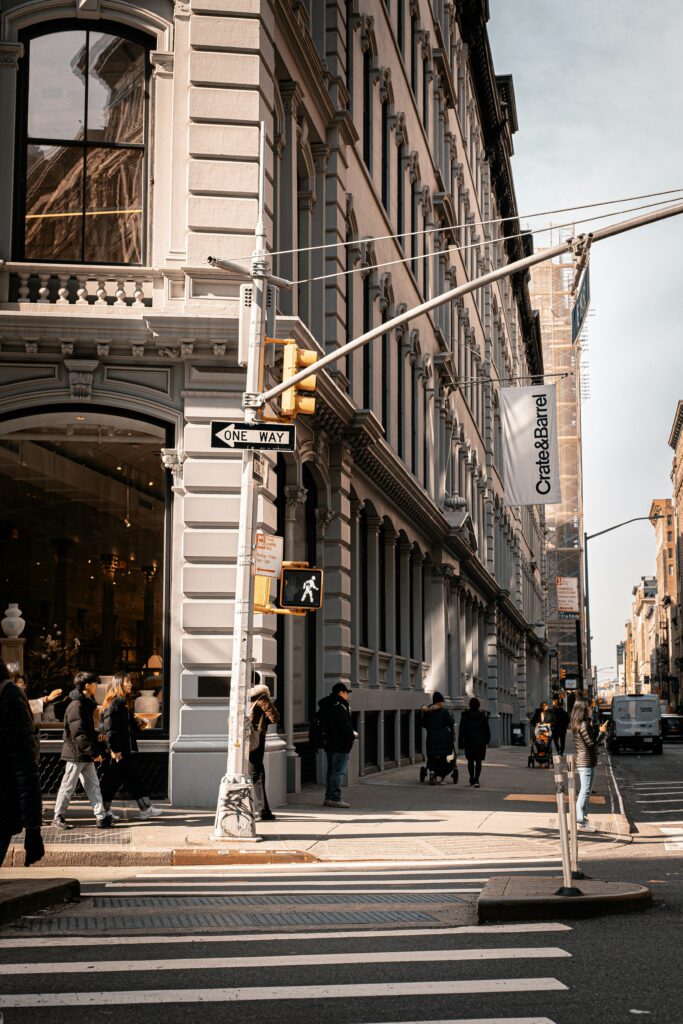
Our take: If you want the city to feel cooperative, aim for late spring or early fall. Other periods work best when chosen deliberately.

Who is it worth visiting for?

New York is not a neutral destination. It works extremely well for some travel styles and poorly for others. Knowing where you fit saves time, money, and frustration.

First-time city travelers

Worth it. New York is direct and readable once you arrive. Landmarks are clear, transport is efficient, and the city teaches itself quickly. The downside is intensity. Days are full and require energy.

Travelers who like walking and observing

Very worth it. Neighborhoods, parks, bridges, and street life are the experience. If you enjoy walking with purpose rather than moving between attractions, the city delivers constantly.

Culture-focused travelers

Worth it. Museums, shows, music, and exhibitions are among the best anywhere. The trade-off is choice overload. You need to select carefully rather than trying to sample everything.

Food-motivated travelers

Worth it, especially if you value flexibility. Eating well does not require planning every meal. The downside is that standout places are spread out, so location matters more than lists.

Families with kids

Conditionally worth it. The city works well with kids if days are shorter and plans looser. It is less suitable if you expect calm pacing or car-based travel.

Budget-conscious travelers

Possible but demanding. You can control costs through timing and choices, but accommodation is rarely cheap. The city rewards planning here more than spontaneity.

Travelers seeking relaxation or nature

Not ideal. While parks exist, the city is always active. If rest and quiet are priorities, New York works better as a short, focused trip than a slow escape.

Our take: New York is worth visiting if you enjoy movement, contrast, and choice. If you want stillness or simplicity, it may feel like work rather than a break.

What to do

New York offers more options than most trips can hold, so the goal is not coverage but clarity. Most first visits combine a few anchors with walking, food, and neighborhoods in between.

Essentials
Walking through Central Park, seeing the skyline from an observation deck, exploring Manhattan on foot, visiting one major museum, crossing a bridge, and spending at least one evening outside Midtown define a first trip.

Most popular
Times Square as a brief stop, the High Line, a Broadway show, the 9/11 Memorial, a ferry ride for skyline views, and a short visit to Brooklyn are the usual next layer once essentials are in place.

Interesting and niche
Neighborhoods like the West Village or Harlem, architecture stops such as Grand Central Terminal, live sports at Madison Square Garden, seasonal events, and smaller museums add depth without reshaping the trip.

This overview is meant to orient you. The dedicated guide breaks these options down by priority, interest, and geography to help you decide what actually fits your time in New York City.

Our take: Plan around a few anchors per day and let walking and food fill the rest. New York works best when it is not over-programmed.

How long to stay

How long you stay in New York shapes the entire trip. The city rewards time, but only if days are planned with restraint and realistic pacing.

2–3 days
Works only for a very focused first visit. You can cover a few essentials, walk key areas, and get a feel for the city, but choices must be strict and days full.

4–5 days
The most balanced option for most travelers. This allows time for essentials, one or two museums, neighborhoods, Central Park, and evenings without rushing.

6–7 days
Ideal if you want depth. You can slow down, add Brooklyn, include a show or sports event, and still have unplanned time. It also allows flexibility for weather.

With kids
Add at least one extra day. Shorter days, park time, and breaks matter more than coverage. A slower rhythm leads to a better experience for everyone.

This overview gives direction. Our itineraries guide shows how to group activities and pace days realistically in New York City.

Our take: If unsure, plan 4–5 days. Shorter trips feel compressed, longer ones only work if you slow the pace.

What and where to eat

Food in New York fits around your day rather than dictating it. Most travelers eat casually between plans and choose one or two meals that deserve attention. That flexibility is part of why eating here works so well.

What to eat
Start with the basics locals actually eat. A slice of New York–style pizza costs $4–6 (≈ €3.70–5.50) and works anytime. A bagel with cream cheese or lox is $6–12 (≈ €5.50–11) and often replaces breakfast or lunch. A deli sandwich, especially pastrami, is filling and meant to be shared at $25–30 (≈ €23–28). Add one strong international meal to reflect the city’s diversity.

Where to eat
For pizza, Joe’s Pizza is reliable citywide. Bagels are best at Ess-a-Bagel or Tompkins Square Bagels. For deli classics, Katz’s Delicatessen sets the reference. For international food, places like Los Tacos No. 1 or Xi’an Famous Foods are fast, affordable, and easy to fit in.

Sit-down dinners range widely. Solid neighborhood restaurants usually land at $30–50 (≈ €28–46) per person before drinks and tip. Reservations help at peak times but are not mandatory most nights.

This overview is meant to orient you. The dedicated guide breaks food down by category, neighborhood, and planning style to help you decide what fits your days in New York City.

Our take: Eat what fits where you already are. Save planning for one or two meals, let the rest happen naturally.

Practical tips

These tips focus on making your New York trip smoother by reducing friction, backtracking, and unnecessary decisions.

  • Plan by neighborhood: Group sights geographically to avoid long cross-city days.
  • One anchor per day: Choose one main activity and build lighter plans around it.
  • Walk first, transit second: Many distances are shorter on foot than they look.
  • Use Central Park as a break: It resets energy between busy areas.
  • Do museums in half days: One focused visit works better than museum hopping.
  • Keep evenings flexible: Neighborhood dinners beat fixed plans every night.
  • Book only what sells out: Shows and decks, not everything else.
  • Leave empty space: Unplanned time often becomes the highlight.

Through travelers’ eyes

These photos come from travelers who have spent time in New York, moving between neighborhoods, parks, meals, and everyday moments. They show how trips actually unfold beyond the highlights and why the city feels different for everyone who visits.

Travelers' tips

These tips are written by travelers who have already visited New York and learned what works through experience. They focus on small, practical choices that made their trips smoother, more flexible, and easier to enjoy day by day.

"One of my favorite memories in NYC was getting up at the crack of dawn and crossing the Brooklyn Bridge before all the tourists arrived. It's absolutely worth it to get up early. My experience early in the morning vs going in the afternoon where you're fighting crowds of people...night and day difference."

"If you’re visiting NYC for the first time, I recommend staying in Midtown Manhattan or Greenwich Village for easy access to most attractions. SoHo, Hudson Yards, and Flatiron District are also great options."

"Some of my favourite places to eat inside Chelsea Market include Doughnuttery (literally the best doughnuts I’ve ever had in my life!), Los Tacos No.1, Berlin Currywurst, and Black Seed Bagels."

"I cannot recommend the High Line enough - this was probably my favourite place in New York that we visited. Walk the 1.5mile long public park elevated above the streets of New York on what used to be an old goods railway track. It really is an oasis from the city and there’s plenty of places to stop, rest, take in the view and even grab a drink. The entrance to the High Line is right on the corner with Hudson Yards so it’s super easy to do both."

"I’m sure you’ve heard, New York traffic can be a nightmare. Google map your destinations before hailing an Uber because it might be faster to take the subway."

"Don’t pay to go on a ferry to see the Statue of Liberty. Take the Staten Island Ferry instead for free! Not only does it go right past the Statue of Liberty but it provides fab views of the Manhattan skyline from the water."

"The subway is the most efficient way to get around the city. You can now simply use your phone (tapping via Apple Pay), on and off at all stations, so you don’t have to worry about buying a transport card."

"Should I stay in the heart of it all–Manhattan and contend with the noise and crowds? Or somewhere in Williamsburg or Brooklyn–where it’s much quieter and rental prices are cheaper, but I’d have to commute into Manhattan every day? After much deliberation, I decided to stay in Manhattan, so it was convenient to hop back to our hotel any time during the day (which was a really wise choice!)."

"Most locals avoid Times Square at all costs, unless they are going to a Broadway performance. That being said, it is an iconic New York City spot that you shouldn’t miss. If you have the opportunity to return in the late evening, when the city is lit up, I definitely recommend it."

FAQs

Is New York a good first city trip?

Yes. New York is intense but readable. Neighborhoods are clearly defined, transport is efficient, and landmarks are easy to identify. The key is pacing. If you plan fewer anchors per day and walk between them, the city becomes manageable quickly.

How many days do I really need?

Four to five days is the sweet spot for most travelers. It allows time for essentials, one or two museums, neighborhoods, Central Park, and evenings out without rushing. Shorter trips require stricter choices.

Do I need to book attractions in advance?

Only for high-demand items like Broadway shows and popular observation decks, especially in peak seasons. Most museums, neighborhoods, and parks do not require advance planning and work better with flexibility.

Is it easy to get around without a car?

Yes. A car is unnecessary and often inconvenient. Walking combined with the subway covers almost everything efficiently. Taxis help late at night or when tired, but public transport does most of the work.

Is New York safe for visitors?

Yes. Tourist areas are busy and well policed. Normal city awareness is enough. Stick to well-lit streets at night and keep belongings secure in crowded places.

Is it an expensive destination?

It can be, but it does not have to be. Accommodation is the main cost. Food, transport, and many experiences can be very reasonable if you balance paid attractions with free ones.

Is it worth visiting Brooklyn on a first trip?

Yes, if you keep it simple. Areas like Brooklyn Heights or Dumbo pair naturally with bridge walks and skyline views. Treat it as a half-day extension, not a separate destination.

Do I need to tip everywhere?

Tipping is expected in sit-down restaurants, bars, taxis, and for services like hotel staff. Plan for around 20 percent on top of listed prices when budgeting.

Is New York suitable for traveling with kids?

Yes, with adjustments. Shorter days, parks, and flexible plans matter more than coverage. The city offers many kid-friendly museums and open spaces if pacing is realistic.

What is the most common planning mistake?

Trying to do too much. New York rewards selection. Fewer activities, grouped geographically, lead to better days and a more enjoyable trip to New York City.

New York Travel Guide

Last updated on February 10, 2026

Intro

New York is intense, but it is also surprisingly usable once you understand how it works. Days tend to mix walking, short transit jumps, food on the move, and moments where you simply stop and look around. The city rewards curiosity more than rigid plans.


Most trips revolve around Manhattan, with neighborhoods stacked north to south and connected by parks, bridges, and a dense transit network. You move quickly between very different environments, often within the same hour. That contrast is what makes visiting New York City feel so dynamic.


This guide is here to help you approach the city with confidence. Not to do everything, but to understand how trips usually flow, what decisions matter most, and how to plan days that feel full without being exhausting.

Our take: We visited New York for the first time in 2023, and we loved it so much that we’re already planning to go back this year. Even with high expectations, the city truly delivered. Our highlights included the Rockettes show, wandering through Central Park and SoHo feeling like we were in a movie scene, and discovering just how incredibly diverse the food scene is – New York really has something for everyone. Keep reading to find out whether New York is the right destination for you.

When to visit

When you visit New York affects how much you walk, how crowded days feel, and how much flexibility you have. The city is open year-round, but different periods clearly favor different travel styles.

Spring and fall
Late spring and early fall are the easiest periods. Walking is comfortable, parks work well, and museums balance naturally with outdoor time. These months suit first-time visitors and walking-heavy itineraries, with higher demand and prices as the trade-off.

Summer
Summer brings long days, outdoor events, and rooftop culture. It also brings heat and humidity, which slow walking and push plans toward evenings and indoor breaks. It works best if you adjust pacing and expectations.

Winter
Winter shifts the trip indoors. Museums, shows, and neighborhoods take priority over long walks. January and February are quieter and cheaper, while December is festive but crowded and expensive.

This overview helps you decide direction, not details. If timing matters to your trip, our dedicated guide goes deeper into seasons, crowds, prices, and events in New York City.

Our take: If you want the city to feel cooperative, aim for late spring or early fall. Other periods work best when chosen deliberately.

Who is it worth visiting for?

New York is not a neutral destination. It works extremely well for some travel styles and poorly for others. Knowing where you fit saves time, money, and frustration.

First-time city travelers

Worth it. New York is direct and readable once you arrive. Landmarks are clear, transport is efficient, and the city teaches itself quickly. The downside is intensity. Days are full and require energy.

Travelers who like walking and observing

Very worth it. Neighborhoods, parks, bridges, and street life are the experience. If you enjoy walking with purpose rather than moving between attractions, the city delivers constantly.

Culture-focused travelers

Worth it. Museums, shows, music, and exhibitions are among the best anywhere. The trade-off is choice overload. You need to select carefully rather than trying to sample everything.

Food-motivated travelers

Worth it, especially if you value flexibility. Eating well does not require planning every meal. The downside is that standout places are spread out, so location matters more than lists.

Families with kids

Conditionally worth it. The city works well with kids if days are shorter and plans looser. It is less suitable if you expect calm pacing or car-based travel.

Budget-conscious travelers

Possible but demanding. You can control costs through timing and choices, but accommodation is rarely cheap. The city rewards planning here more than spontaneity.

Travelers seeking relaxation or nature

Not ideal. While parks exist, the city is always active. If rest and quiet are priorities, New York works better as a short, focused trip than a slow escape.

Our take: New York is worth visiting if you enjoy movement, contrast, and choice. If you want stillness or simplicity, it may feel like work rather than a break.

What to do

New York offers more options than most trips can hold, so the goal is not coverage but clarity. Most first visits combine a few anchors with walking, food, and neighborhoods in between.

Essentials
Walking through Central Park, seeing the skyline from an observation deck, exploring Manhattan on foot, visiting one major museum, crossing a bridge, and spending at least one evening outside Midtown define a first trip.

Most popular
Times Square as a brief stop, the High Line, a Broadway show, the 9/11 Memorial, a ferry ride for skyline views, and a short visit to Brooklyn are the usual next layer once essentials are in place.

Interesting and niche
Neighborhoods like the West Village or Harlem, architecture stops such as Grand Central Terminal, live sports at Madison Square Garden, seasonal events, and smaller museums add depth without reshaping the trip.

This overview is meant to orient you. The dedicated guide breaks these options down by priority, interest, and geography to help you decide what actually fits your time in New York City.

Our take: Plan around a few anchors per day and let walking and food fill the rest. New York works best when it is not over-programmed.

How long to stay

How long you stay in New York shapes the entire trip. The city rewards time, but only if days are planned with restraint and realistic pacing.

2–3 days
Works only for a very focused first visit. You can cover a few essentials, walk key areas, and get a feel for the city, but choices must be strict and days full.

4–5 days
The most balanced option for most travelers. This allows time for essentials, one or two museums, neighborhoods, Central Park, and evenings without rushing.

6–7 days
Ideal if you want depth. You can slow down, add Brooklyn, include a show or sports event, and still have unplanned time. It also allows flexibility for weather.

With kids
Add at least one extra day. Shorter days, park time, and breaks matter more than coverage. A slower rhythm leads to a better experience for everyone.

This overview gives direction. Our itineraries guide shows how to group activities and pace days realistically in New York City.

Our take: If unsure, plan 4–5 days. Shorter trips feel compressed, longer ones only work if you slow the pace.

What and where to eat

Food in New York fits around your day rather than dictating it. Most travelers eat casually between plans and choose one or two meals that deserve attention. That flexibility is part of why eating here works so well.

What to eat
Start with the basics locals actually eat. A slice of New York–style pizza costs $4–6 (≈ €3.70–5.50) and works anytime. A bagel with cream cheese or lox is $6–12 (≈ €5.50–11) and often replaces breakfast or lunch. A deli sandwich, especially pastrami, is filling and meant to be shared at $25–30 (≈ €23–28). Add one strong international meal to reflect the city’s diversity.

Where to eat
For pizza, Joe’s Pizza is reliable citywide. Bagels are best at Ess-a-Bagel or Tompkins Square Bagels. For deli classics, Katz’s Delicatessen sets the reference. For international food, places like Los Tacos No. 1 or Xi’an Famous Foods are fast, affordable, and easy to fit in.

Sit-down dinners range widely. Solid neighborhood restaurants usually land at $30–50 (≈ €28–46) per person before drinks and tip. Reservations help at peak times but are not mandatory most nights.

This overview is meant to orient you. The dedicated guide breaks food down by category, neighborhood, and planning style to help you decide what fits your days in New York City.

Our take: Eat what fits where you already are. Save planning for one or two meals, let the rest happen naturally.

Practical tips

These tips focus on making your New York trip smoother by reducing friction, backtracking, and unnecessary decisions.

  • Plan by neighborhood: Group sights geographically to avoid long cross-city days.
  • One anchor per day: Choose one main activity and build lighter plans around it.
  • Walk first, transit second: Many distances are shorter on foot than they look.
  • Use Central Park as a break: It resets energy between busy areas.
  • Do museums in half days: One focused visit works better than museum hopping.
  • Keep evenings flexible: Neighborhood dinners beat fixed plans every night.
  • Book only what sells out: Shows and decks, not everything else.
  • Leave empty space: Unplanned time often becomes the highlight.

Through travelers’ eyes

These photos come from travelers who have spent time in New York, moving between neighborhoods, parks, meals, and everyday moments. They show how trips actually unfold beyond the highlights and why the city feels different for everyone who visits.

Travelers' tips

These tips are written by travelers who have already visited New York and learned what works through experience. They focus on small, practical choices that made their trips smoother, more flexible, and easier to enjoy day by day.

"One of my favorite memories in NYC was getting up at the crack of dawn and crossing the Brooklyn Bridge before all the tourists arrived. It's absolutely worth it to get up early. My experience early in the morning vs going in the afternoon where you're fighting crowds of people...night and day difference."

"If you’re visiting NYC for the first time, I recommend staying in Midtown Manhattan or Greenwich Village for easy access to most attractions. SoHo, Hudson Yards, and Flatiron District are also great options."

"Some of my favourite places to eat inside Chelsea Market include Doughnuttery (literally the best doughnuts I’ve ever had in my life!), Los Tacos No.1, Berlin Currywurst, and Black Seed Bagels."

"I cannot recommend the High Line enough - this was probably my favourite place in New York that we visited. Walk the 1.5mile long public park elevated above the streets of New York on what used to be an old goods railway track. It really is an oasis from the city and there’s plenty of places to stop, rest, take in the view and even grab a drink. The entrance to the High Line is right on the corner with Hudson Yards so it’s super easy to do both."

"I’m sure you’ve heard, New York traffic can be a nightmare. Google map your destinations before hailing an Uber because it might be faster to take the subway."

"Don’t pay to go on a ferry to see the Statue of Liberty. Take the Staten Island Ferry instead for free! Not only does it go right past the Statue of Liberty but it provides fab views of the Manhattan skyline from the water."

"The subway is the most efficient way to get around the city. You can now simply use your phone (tapping via Apple Pay), on and off at all stations, so you don’t have to worry about buying a transport card."

"Should I stay in the heart of it all–Manhattan and contend with the noise and crowds? Or somewhere in Williamsburg or Brooklyn–where it’s much quieter and rental prices are cheaper, but I’d have to commute into Manhattan every day? After much deliberation, I decided to stay in Manhattan, so it was convenient to hop back to our hotel any time during the day (which was a really wise choice!)."

"Most locals avoid Times Square at all costs, unless they are going to a Broadway performance. That being said, it is an iconic New York City spot that you shouldn’t miss. If you have the opportunity to return in the late evening, when the city is lit up, I definitely recommend it."

FAQs

Is New York a good first city trip?

Yes. New York is intense but readable. Neighborhoods are clearly defined, transport is efficient, and landmarks are easy to identify. The key is pacing. If you plan fewer anchors per day and walk between them, the city becomes manageable quickly.

How many days do I really need?

Four to five days is the sweet spot for most travelers. It allows time for essentials, one or two museums, neighborhoods, Central Park, and evenings out without rushing. Shorter trips require stricter choices.

Do I need to book attractions in advance?

Only for high-demand items like Broadway shows and popular observation decks, especially in peak seasons. Most museums, neighborhoods, and parks do not require advance planning and work better with flexibility.

Is it easy to get around without a car?

Yes. A car is unnecessary and often inconvenient. Walking combined with the subway covers almost everything efficiently. Taxis help late at night or when tired, but public transport does most of the work.

Is New York safe for visitors?

Yes. Tourist areas are busy and well policed. Normal city awareness is enough. Stick to well-lit streets at night and keep belongings secure in crowded places.

Is it an expensive destination?

It can be, but it does not have to be. Accommodation is the main cost. Food, transport, and many experiences can be very reasonable if you balance paid attractions with free ones.

Is it worth visiting Brooklyn on a first trip?

Yes, if you keep it simple. Areas like Brooklyn Heights or Dumbo pair naturally with bridge walks and skyline views. Treat it as a half-day extension, not a separate destination.

Do I need to tip everywhere?

Tipping is expected in sit-down restaurants, bars, taxis, and for services like hotel staff. Plan for around 20 percent on top of listed prices when budgeting.

Is New York suitable for traveling with kids?

Yes, with adjustments. Shorter days, parks, and flexible plans matter more than coverage. The city offers many kid-friendly museums and open spaces if pacing is realistic.

What is the most common planning mistake?

Trying to do too much. New York rewards selection. Fewer activities, grouped geographically, lead to better days and a more enjoyable trip to New York City.

HELP US IMPROVE

How likely are you to recommend Know to Travel to a friend or fellow traveler?

Not likely at all
Extremely likely